


Diana’s team devoted time to ‘upstaging’ Charles, newly-released documents claim


Diana, Princess of Wales, was considered “far more” adept at navigating the media landscape than Charles, then Prince of Wales, newly-declassified documents have revealed.
The documents from the National Archives of Ireland reveal that Diana’s staff were actively engaged in “upstaging” St James’ Palace during their highly publicised separation.
These files also shed light on Charles’s two-day visit to Ireland in June 1995, following his 1992 split from Diana.
His inner circle reportedly viewed the extensive coverage of this trip as a crucial component of a “long-term public relations strategy to rehabilitate the Prince in the eyes of the British public” in the wake of their high-profile divorce.
Charles’s press team, led by press secretary Alan Percival and his successor Sandy Henney, had reported to Irish officials that they felt the visit to Ireland was “the best public outing the Prince has had in a very long time”.
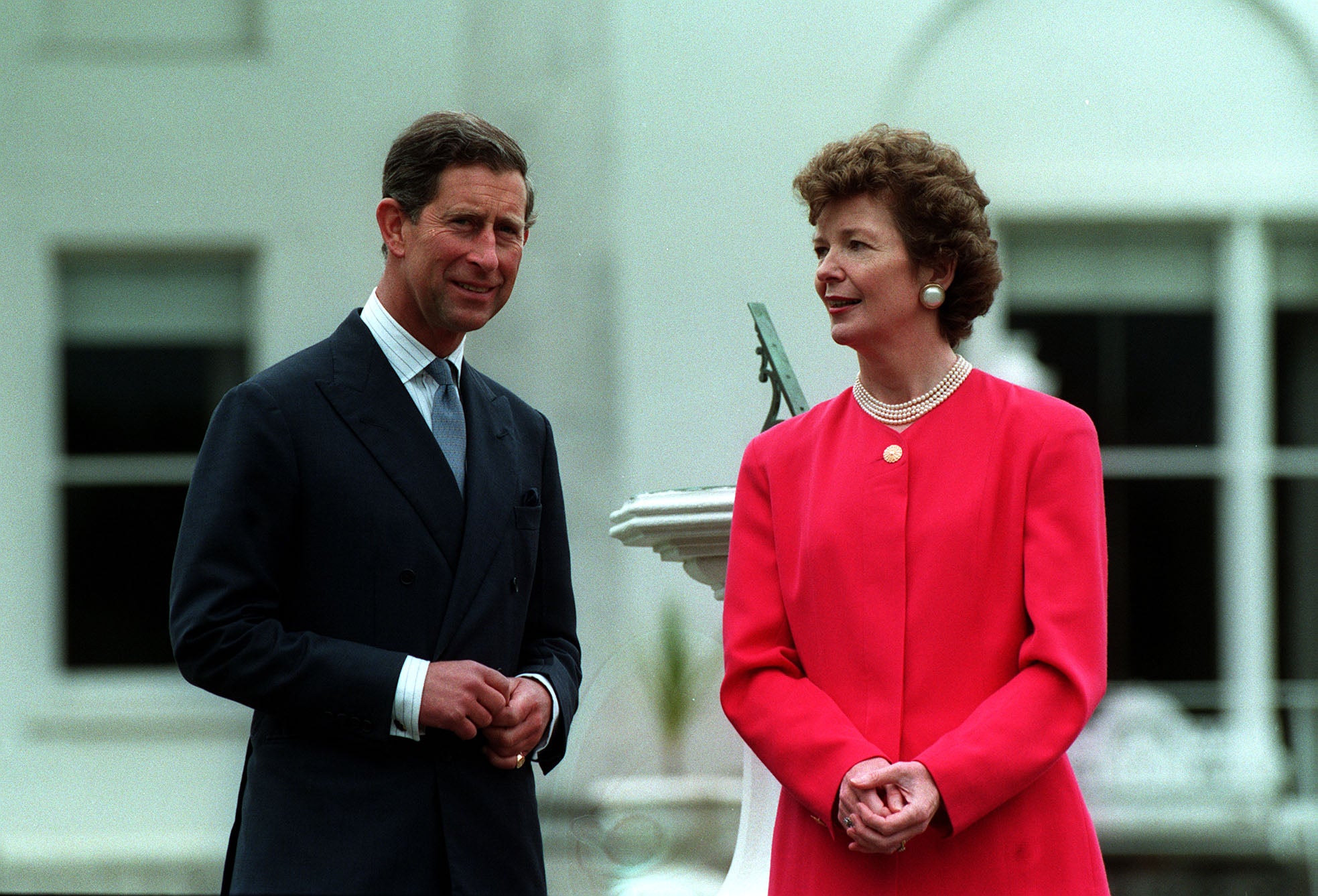
Ms Henney was described in the Irish Department of Foreign Affairs’ document as “fiercely loyal” to Charles and “alive to every opportunity to advance his cause”.
A Department of Foreign Affairs note shows officials were unsure if she was joking when she suggested that Diana may also want to visit Ireland.
“Henney (who would have been less aware of the political dimension than the more restrained Percival) told me that if she had any say in it the Prince would be here again before the summer was out,” according to the document.
“She also remarked that if practice to date was any guide we could shortly expect an approach from Princess Diana!”
Department of Foreign Affairs official Joe Hayes added: “I took this as a joke until she repeated it and assured me that in the media battle between the two, the Princess was by far the more predatory and skilled and her staff devoted a great deal of time to finding ways and means of upstaging St James’ Palace.”
Charles’ officials agreed with the Irish diplomats that coverage of the visit in the UK was, while positive, “relatively light” compared with that in Ireland.
It was noted by officials on both sides of the Irish Sea that, in contrast with the blanket coverage in Ireland, the coverage of the visit in the UK was “though positive, relatively light” in tone.
This article is based on documents contained in the file labelled 2025/124/160 in the National Archives of Ireland.


