


GK: Which City Is Known As The Perfume Capital Of India?


India is a land of vibrant colours, rich traditions, and aromatic spices, but among its many cultural treasures lies a lesser-known yet deeply evocative heritage: the art of natural perfumery. At the heart of this fragrant legacy is Kannauj, a historic city in the northern Indian state of Uttar Pradesh, proudly known as the Perfume Capital of India. (Image: Canva)
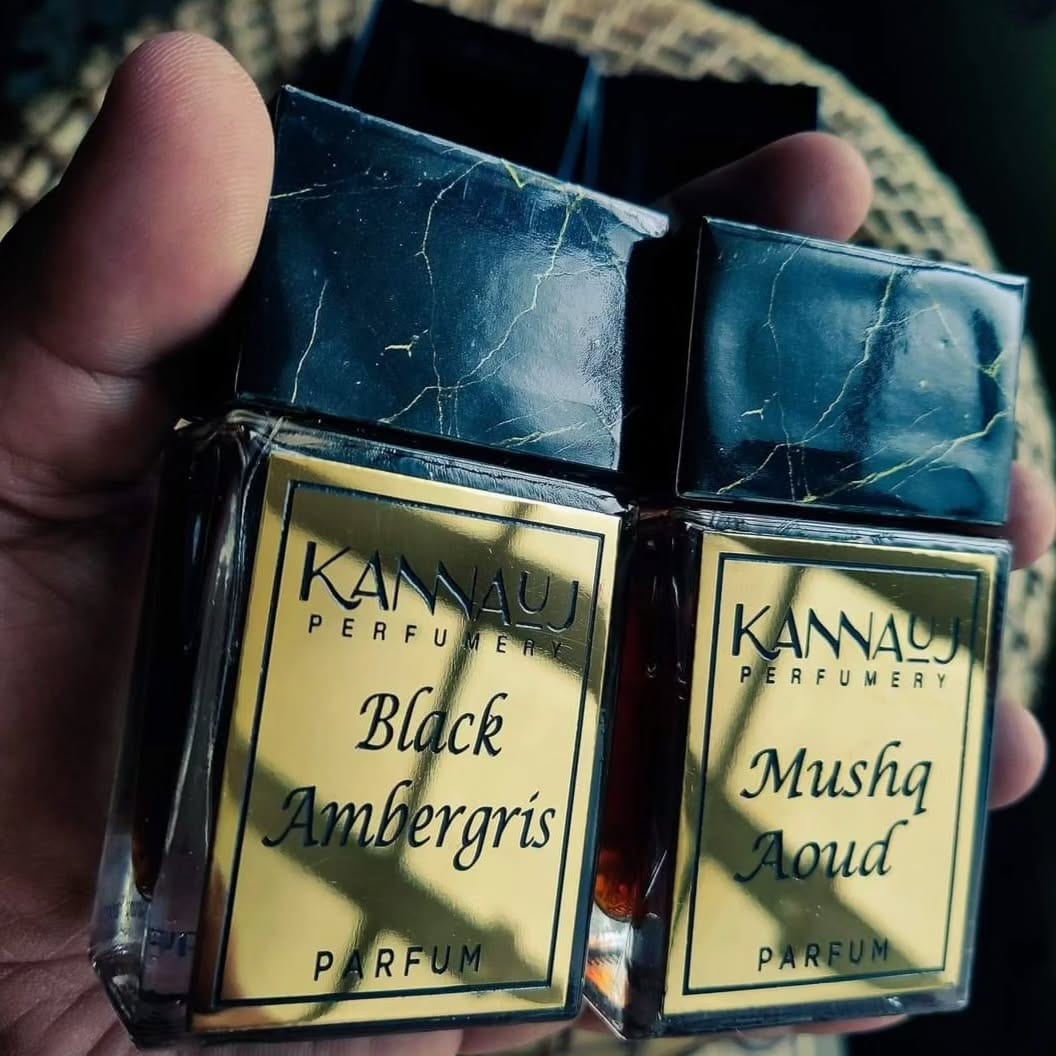
Kannauj’s history stretches back over a millennium. Once known as Kanyakubja, it was an important urban centre in ancient and medieval India, serving as the capital of powerful kingdoms and attracting traders, scholars, and artisans. While its political prominence shifted over time, its reputation for perfumery endured. (Image: Instagram)
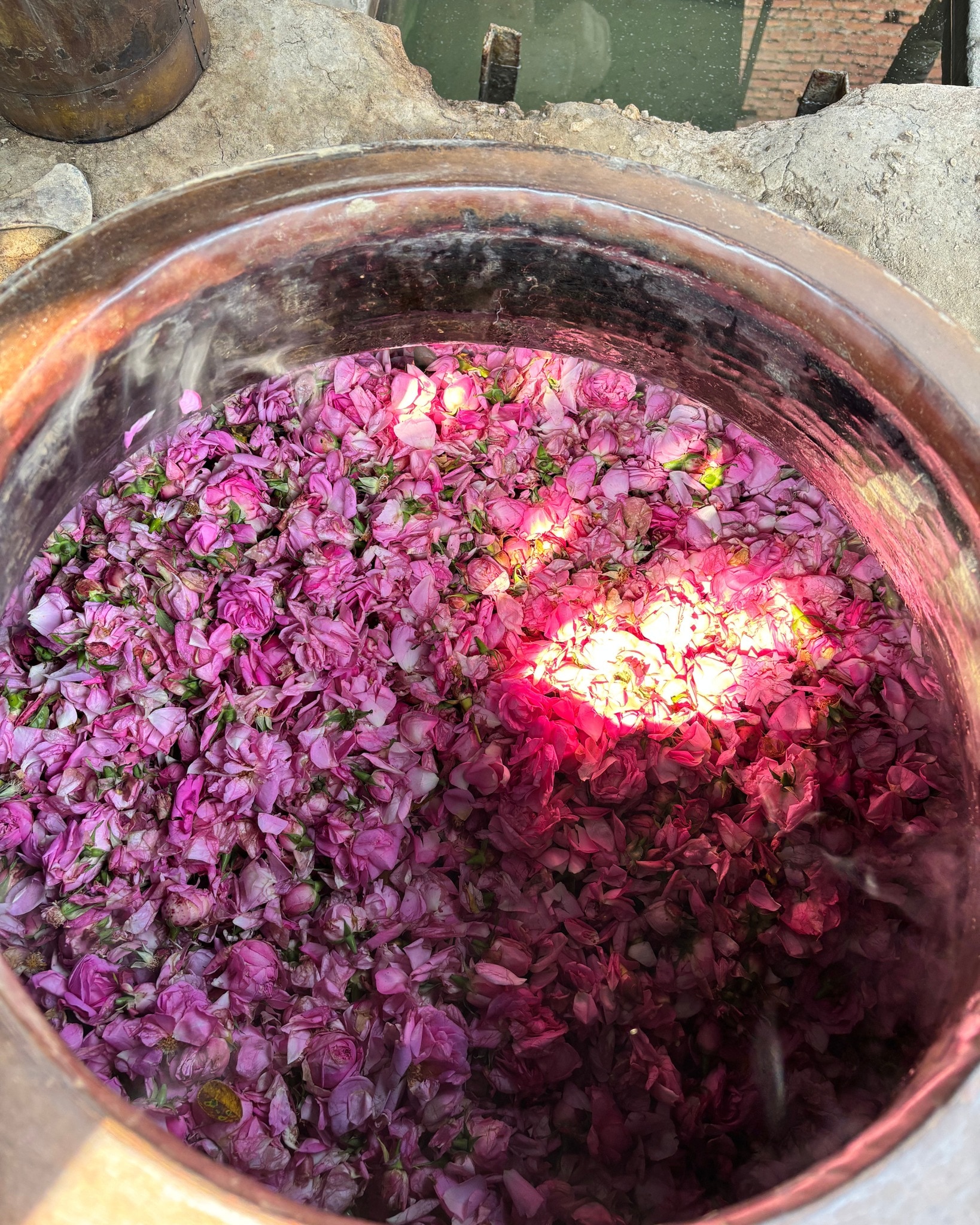
What sets Kannauj apart is the age-old craft of attar making – natural, oil-based fragrances distilled from flowers, herbs, spices, and woods. This artisanal practice has lived on for centuries, long before industrial perfume production became widespread in Europe or elsewhere. Kannauj’s perfumery tradition is so ingrained in its cultural fabric that it has shaped the identity of the entire city. (Image: Instagram)
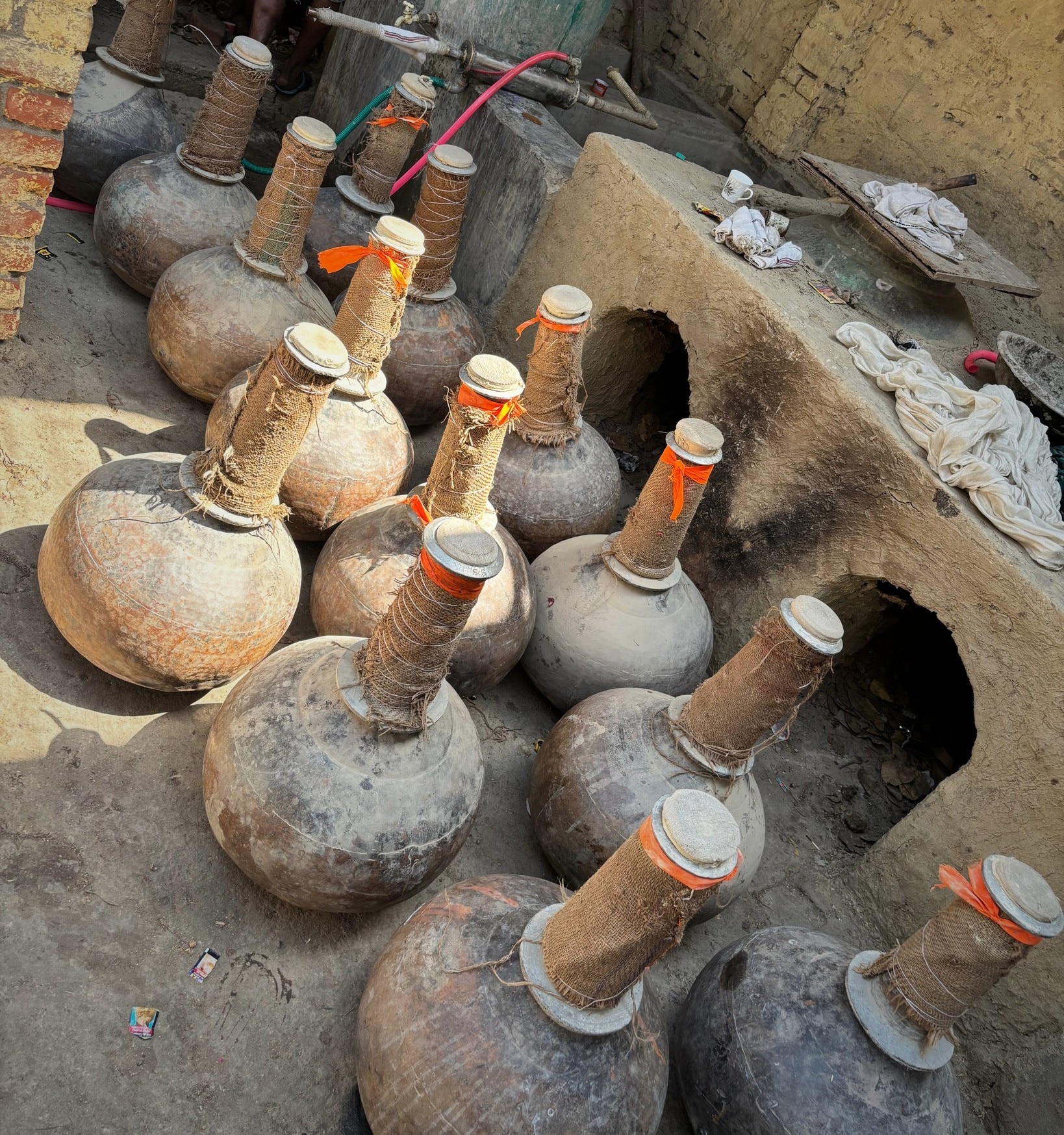
Attar, also spelled itar or itra, is the essence of fragrance itself. Unlike modern alcoholic perfumes, attars are alcohol-free and oil-based, typically using sandalwood oil or other natural carriers to absorb the aromatic vapors of botanical materials. This method produces scents that are rich, layered, and long-lasting, often lingering on the skin for days. (Image: Instagram)
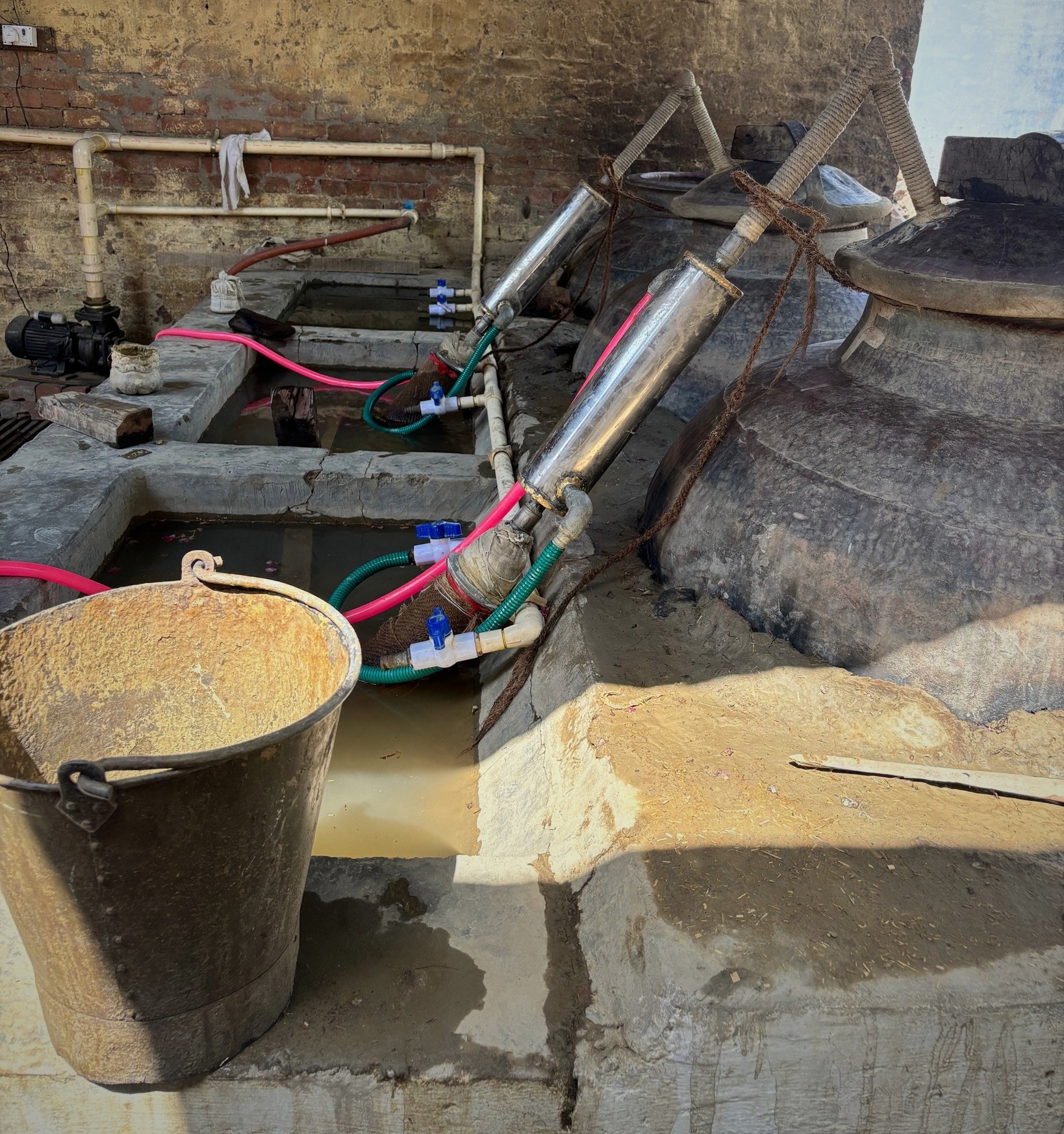
The process is deeply traditional. Flowers like roses (damask rose), jasmine, marigold, vetiver, and other aromatic plants are harvested, often early in the morning when their fragrance is most potent. The plant material is then distilled using the deg-bhapka technique: floral matter is boiled in a copper still (deg), and its steam is channeled through piping into a receiver containing sandalwood oil. The oil captures the fragrance as it condenses from vapor. After distillation, the attar is aged, sometimes in camel-skin bottles, which subtly enhance its character. (Image: Instagram)
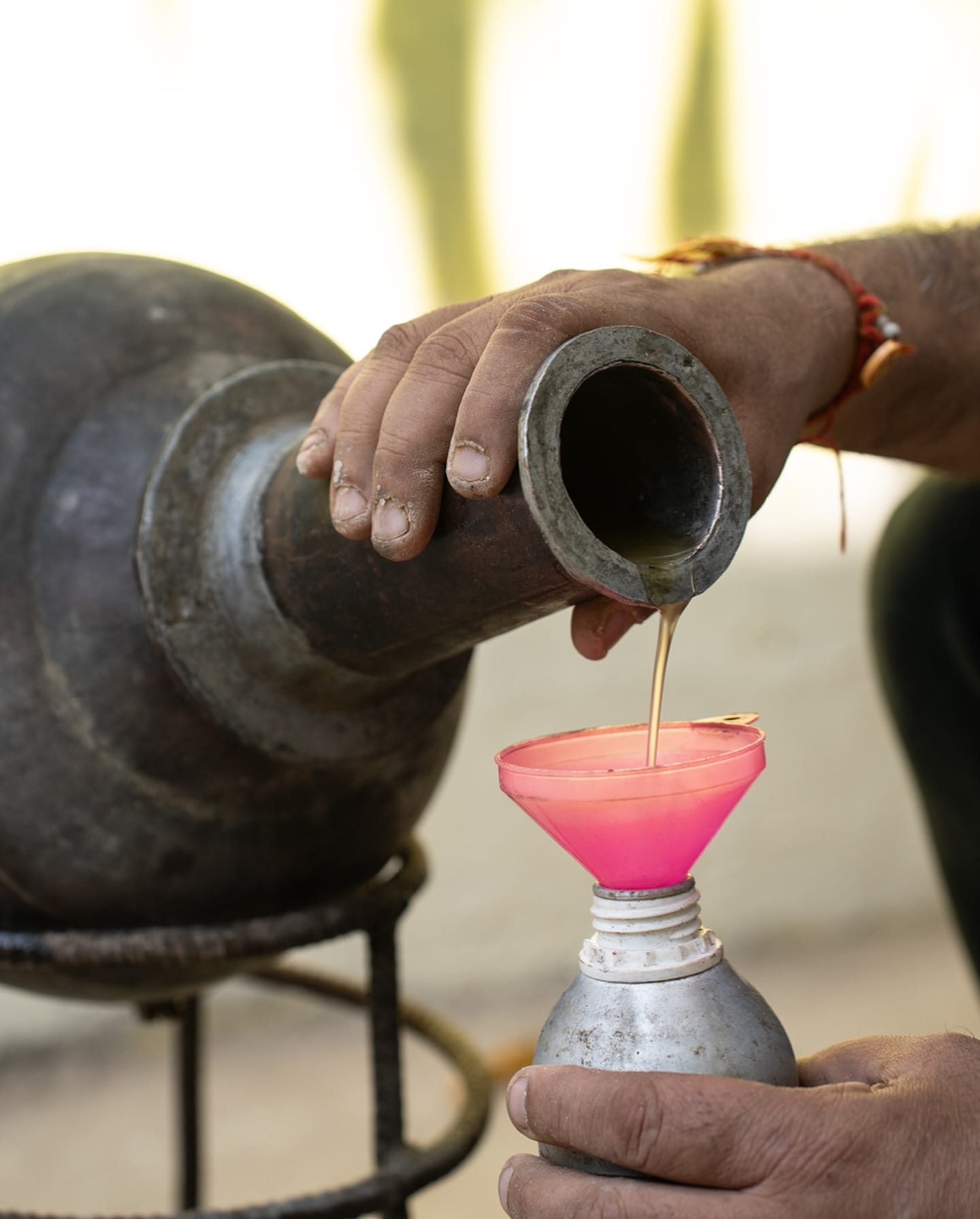
Among Kannauj’s iconic creations are: Rose Attar, rich and floral, emblematic of romance and luxury; Mitti Attar, a unique fragrance that evokes the earthy smell of rain-soaked soil; Shamama, a complex blend of multiple botanicals that takes weeks to produce and months to age, treasured for its deep, spicy-floral aroma. (Image: Instagram)
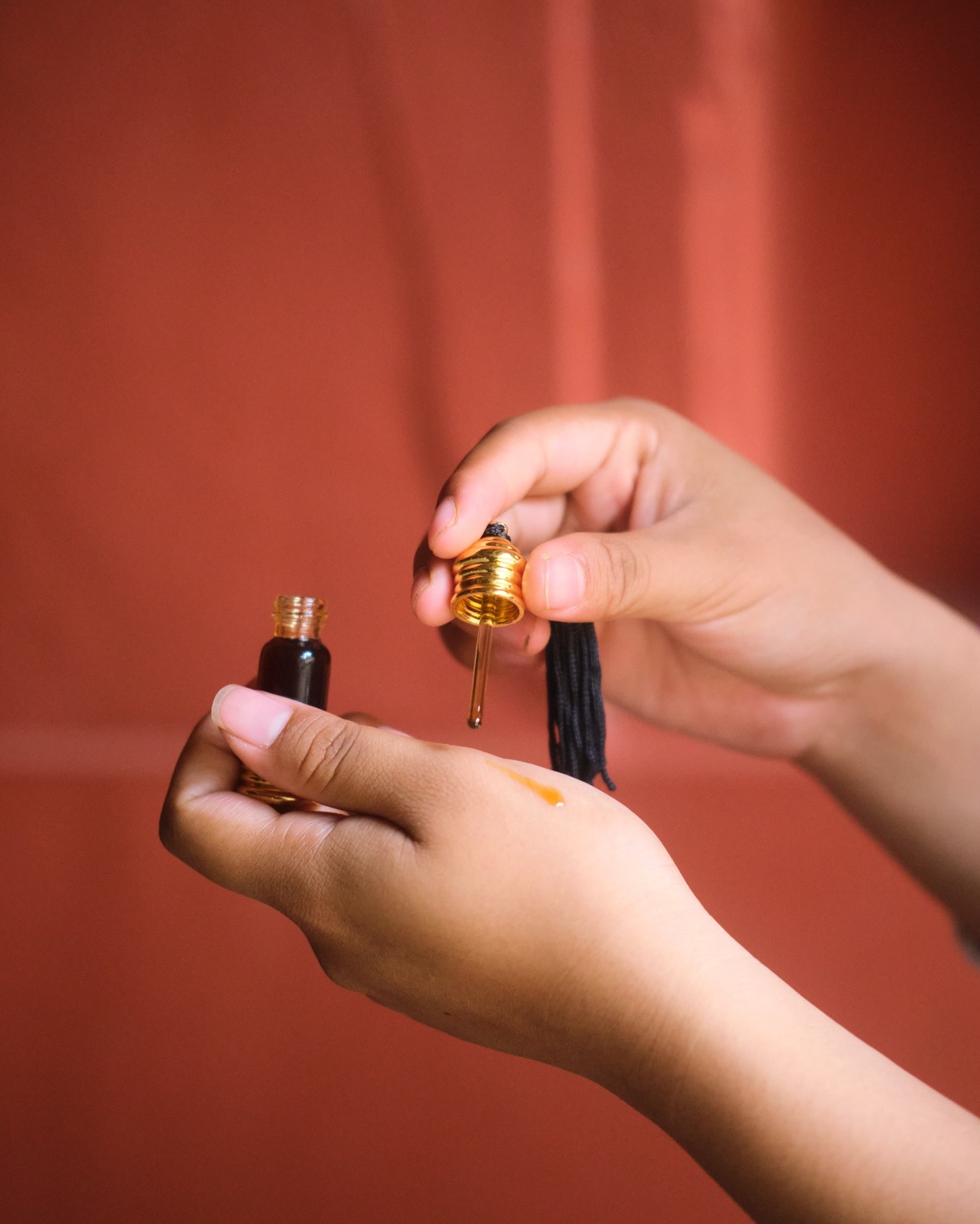
Attar in India has never been merely a luxury. It plays roles in religion, ritual, personal grooming, and even traditional medicine. In many homes, attar is applied before prayer or celebration, carrying both spiritual and emotional significance. In markets across northern India, particularly in Old Delhi’s Chandni Chowk, the scent of Kannauj attar draws shoppers seeking authentic fragrances for daily wear or festive occasions. (Image: Instagram)
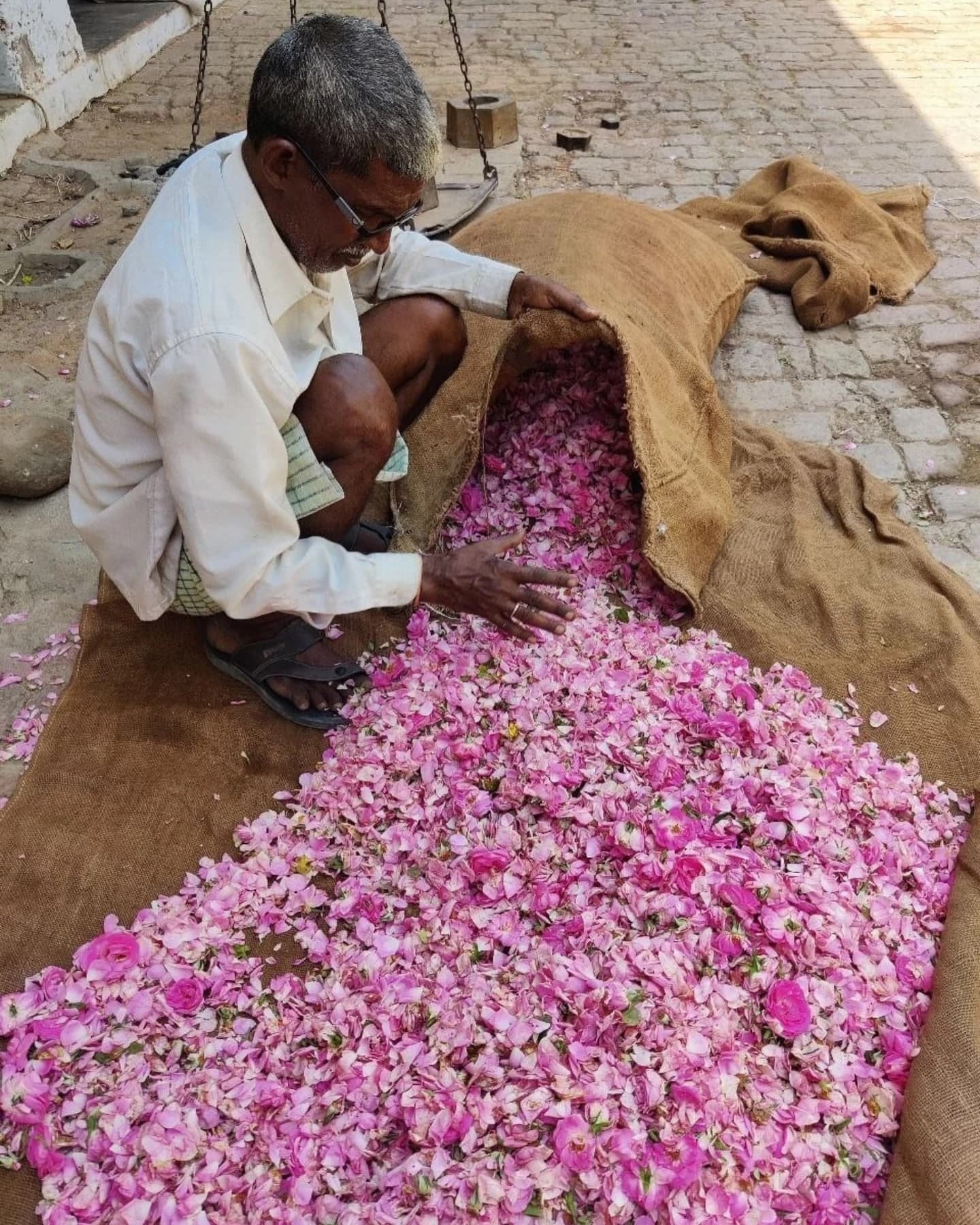
Economically, this traditional industry has been a mainstay for local families for generations. At its peak, the town boasted hundreds of distilleries and thousands of artisans engaged in scent production. While competition from modern synthetic perfumes and changes in global markets have challenged the trade, Kannauj remains a vital centre for natural fragrance manufacturing. Its products are exported to the Middle East, Europe, and beyond, appreciated for their authentic craftsmanship and purity. In recognition of its unique cultural and industrial heritage, Kannauj Perfume received a Geographical Indication (GI) tag, protecting its identity and underscoring its place in India’s heritage industries. (Image: Instagram)
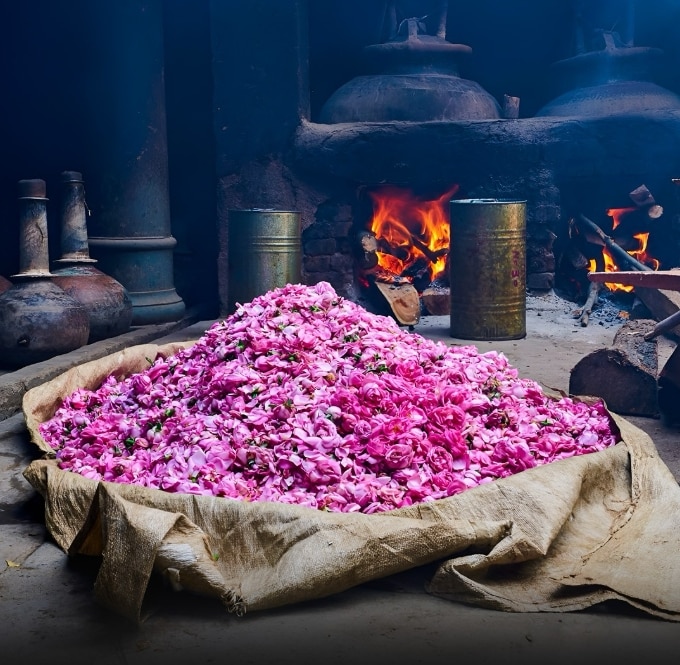
The 20th and 21st centuries brought significant challenges to the attar industry. The rise of cheap, synthetic fragrances, shifts in consumer preferences, and restrictions on raw ingredients like sandalwood have affected traditional producers. Many small distilleries closed or diversified into related products, such as rose water or essential oils for the cosmetics and food industries. Yet, there is a notable resurgence of interest, especially among niche fragrance enthusiasts and international audiences seeking authentic, natural scents. Contemporary perfumers, designers, and entrepreneurs are collaborating with Kannauj artisans to bring attar into global markets in new forms, blending traditional techniques with modern sensibilities. Tourism initiatives also spotlight the city as a destination for sensory and cultural exploration, offering visitors a chance to witness the art of attar making firsthand. (Image: Facebook)
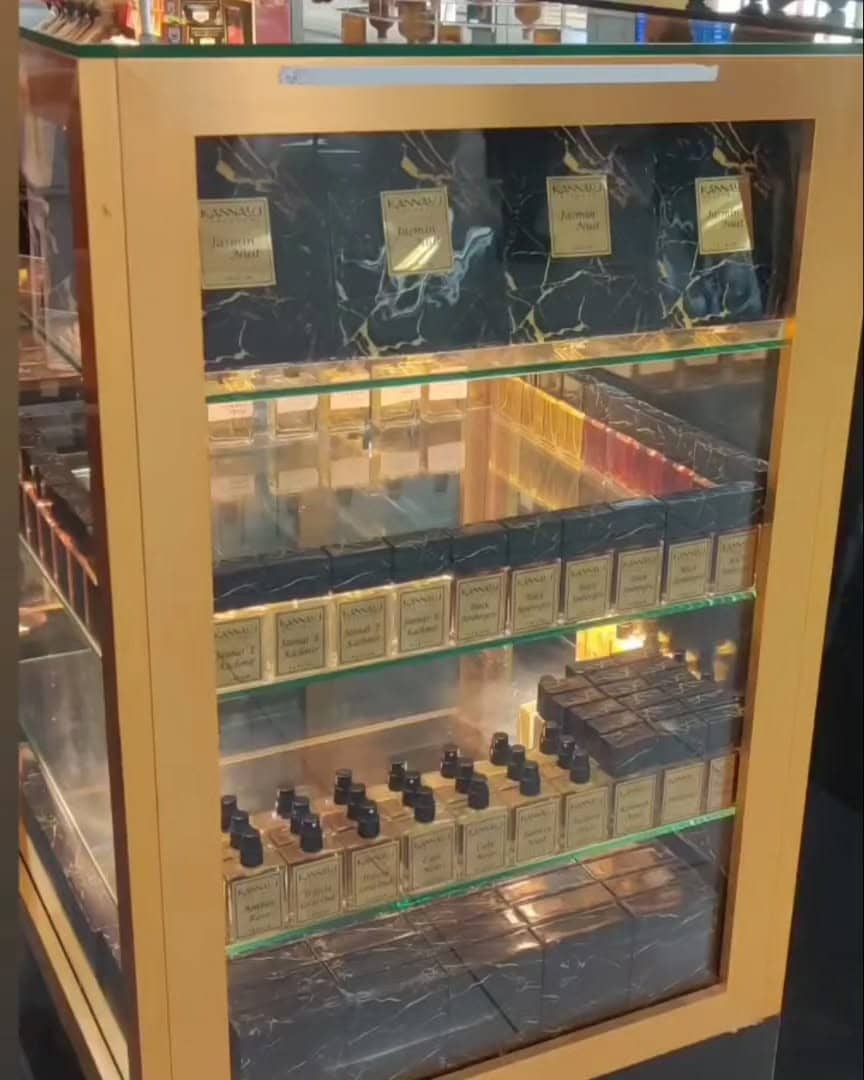
In many ways, Kannauj’s identity is inseparable from its scents. The aroma drifting through its markets, alleys, and workshops is not simply a product, it is a living tradition, a bridge between past and present, a testament to India’s deep connection with nature, culture, and craft. It stands as an enduring reminder that even in an age of mass production and global brands, there remains a profound appreciation for artisanal skill, natural beauty, and the timeless allure of fragrance. (Image: Instagram)


