


‘I help cancer patients enjoy food again – but I am still grieving for my own mum’


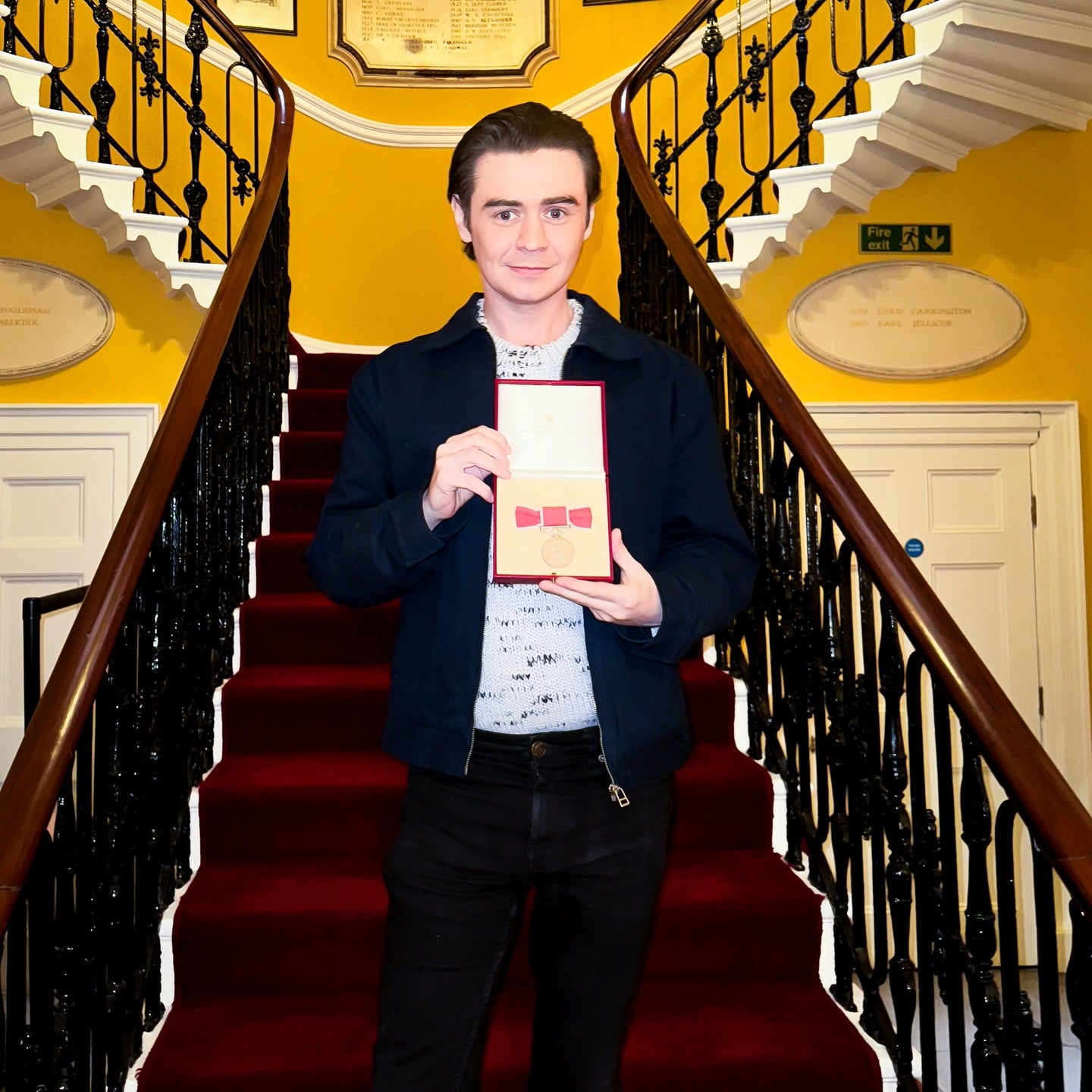
When Ryan Riley opened a letter from the Cabinet Office last month, his elation about being awarded a British Empire Medal in the King’s new year honours list was tempered by the instruction not to tell anyone.
“That was the hardest part,” says Ryan. The one person he couldn’t keep it from though was his father, Shaun. “I told him ‘this crazy thing has happened…’ He said, ‘it’s about time.’ Dad is my biggest fan, but I only believed it was happening when they invited me to the Cabinet office and for a private tour of Downing Street on 29 December.”
Chef Ryan was being honoured for his work at Life Kitchen, the not-for-profit cookery school helping cancer patients rediscover the joy of food, set up by Riley and his best friend, Kimberley Duke, in 2019. Despite being endorsed by three different prime ministers – including a Point of Light award from Theresa May and Boris Johnson saying that Riley had inspired him to start cooking – it was his first time at Downing Street, and he’s still buzzing from the experience.
“It felt like the highest honour that could be awarded to two disadvantaged kids like us who are from a council estate,” says Riley, 32, who grew up in Sunderland and has been best friends with Duke since nursery.
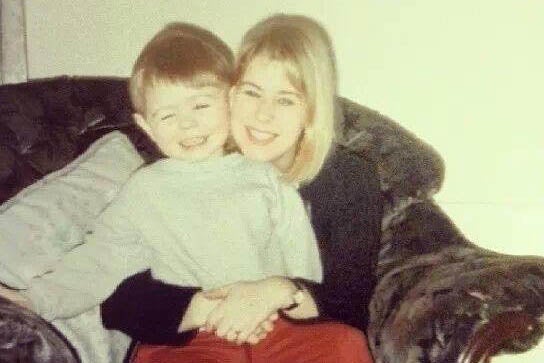
Life Kitchen was inspired by his mother, Krista, who was diagnosed with lung cancer when he was 18, and subsequently died, and who experienced a loss of taste and appetite as a side-effect of chemotherapy. Duke’s mother also died of cancer when she was 15, meaning that Duke had to move into a hostel. “Life Kitchen was my idea, but Kimberley and I did it together,” says Riley. “We have been doing projects together since we were 10, and when we get together, sparks fly. Without her, I would be so screwed. We are best friends until the ends of the earth.”
From the start, it was important that the Life Kitchen classes were free and that they took place at high-end venues. “It has always been a luxury experience. When my mum was ill, I remember going to community centres for activities, and the intention was lovely, but if these are your last months, do you want to be in a community hall? Or do you want to experience things that you might never get to, like being at the River Cottage or Daylesford? We wanted to create something based purely on enjoyment, which was about helping people enjoy food again – and enjoy life.”
They published several cookbooks, including the bestselling Life Kitchen and Small Pleasures and quickly accumulated an A-list following, including Nigella Lawson, who lost her first husband, John Diamond, to cancer, as well as Hugh Fearnley-Whittingstall, Jamie Oliver and Sue Perkins.
“Kimberley and I have a made-up phrase which is ‘naivity is achievity’,” he says “We wouldn’t have done the things we have done if we had known what it would take, but when we emailed people asking for help, their responses were overwhelmingly positive.
“Lady Bamford, who is one of the richest people in the UK, couldn’t have been more warm-hearted and generous. We didn’t pay a penny for the first four or five classes because of the continued generosity from them and smaller independent companies, which has allowed us to help about 100,000 people worldwide through books and classes.”
It has not all been plain sailing, however. Being embedded in the world of cancer has taken an emotional toll and Riley has experienced many losses. By the age of 30, he had attended 50 funerals. “We didn’t realise that when you work around cancer patients, you are going to face a lot of death.” They also both struggle with the fact that their success is directly linked to the deaths of their mothers.
“It is extraordinary to have the level of recognition, but the fact that it only came about because our mothers died means that pain comes alongside success again and again and again,” he says.

The residue of guilt around that is why he has never really made any money from Life Kitchen despite the apparent trappings of fame and success. “I have never sought financial success – although my dad sometimes wishes I would,” he jokes.
In a stranger-than-fiction plot twist, a month or so after Krista died, Riley won £20,000 in a casino. He used that to move both of them to London, where they started their whirlwind journey.
“They say never make big life decisions after a bereavement, but I moved to London, which allowed us to change our lives, but it also meant that I never really had a chance to deal with my grief,” says Riley. “Life Kitchen was a rocketship, it brought book deals and TV shows, and it was very glamorous, and sometimes you can lose yourself in that.”
He says that his life since has been “very up and down”.
“You can run from grief, but it will get you in the end, and it came back to haunt me, for sure – the sadness and pain and also the celebrity.”
Therapy helped, but he is aware that the process of grieving will in many ways be a life’s work. He recounts the painful realisation that his beloved mother had “become marketing”, describing being live on Fox News surrounded by images of her taken from Instagram without consent. “They pulled up pictures of mum like she was an asset, without remembering that this person is my mother.”
The silver lining throughout is the letters and social media posts they receive from people saying that Life Kitchen helped them enjoy the last moments with a loved one dying of cancer. “That’s worth more than any award or honour,” says Ryan.
Last year, Riley and Duke announced that Life Kitchen’s cookery school base in Sunderland was closing because of rising costs and a lack of funding. Duke opened her own restaurant in Hastings (“it was the No 1 restaurant in Hastings in the first year – incredible!”); Riley intended to rebuild his career and focus on his food writing. Unfortunately, fate had something different in mind. “I got really ill; vomiting every day with rashes on my body and internal bleeding. I lost three stone – and I was skinny already,” he says.
The NHS investigation into his symptoms put him on the “cancer pathway” himself, something that Riley describes himself as being oddly accepting of: “I thought – weirdly – at least I understand it pretty much from the inside.”
Various biopsies have now ruled cancer out, but his symptoms are still being investigated. He estimates he has given 75 vials of blood over the past year, as doctors try to identify what they believe could be an autoimmune disease. It has not been easy. “The NHS is brilliant – but it is a long and lonely process and it wears you down,” he says.
To help him recuperate, Riley’s father – “who is not a big earner, but believes nothing is more important than health” – is paying for him to rent a house in North Yorkshire. “I have an island kitchen and five chandeliers and high ceilings, which I would never have in London,” he says. More importantly, being in the countryside has been very healing.
“It’s let me air out all of my sadness” – as has the proximity to his father, who, after Riley asked him to, moved in with him two months ago. “Being with a parent after you lost a parent means so much,” he says. “He is the most precious thing in the world to me, along with my sister Rachael and Kimberley, who is like family to all of us.”
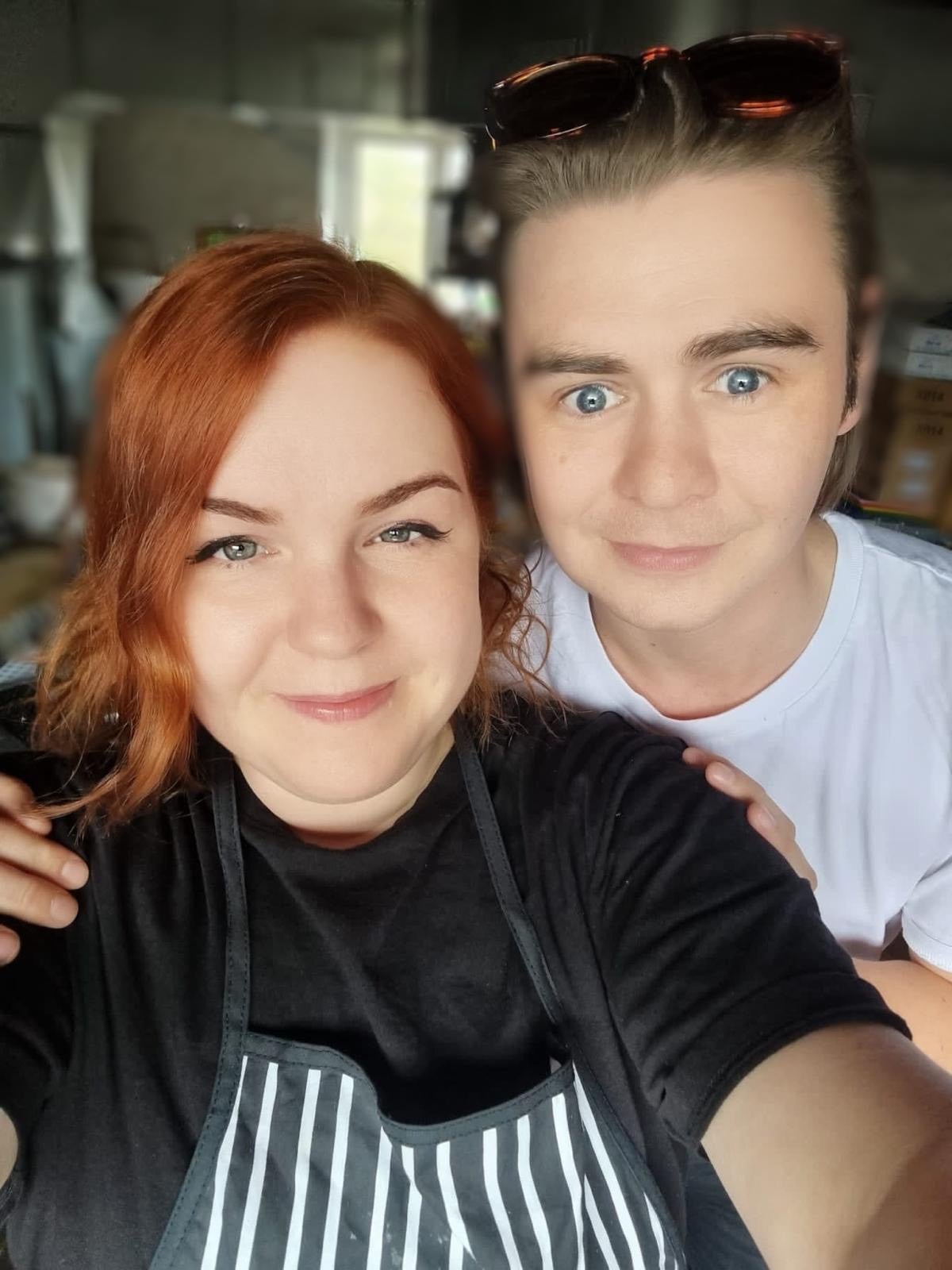
Life Kitchen is also coming back to life, and the pair are getting ready to relaunch with plans for a big announcement on 4 February, which is World Cancer Day.
“A new generation of Life Kitchen is about to emerge,” says Riley. “This year we’re going to take Life Kitchen on the road with free classes with more knowledge and more science and experience.” There are new collaborations and books coming, although he emphasises that they are still very much open to offers of funding and venues.
In the meantime, his award has turbo-charged their efforts.
“We never set out for the glory or the honours,” he says. “But being recognised by the King is such a boost. It’s given us a second chance at making even bigger changes and to help some more people.”
It has helped him personally, too.
“I wasn’t there when my mother died,” he says and it is something that has haunted him. “The BEM has cemented my mum’s legacy and also allowed me to believe that maybe she would be a bit proud of me and the work I’ve done, which has helped. It’s given me a bit of closure.”
Below is the first of Ryan Riley’s food columns, which will run every Friday to get us through the January and February chill
Small Pleasures: Ryan Riley’s Recipes For Joy
Part One: Easy umami noodles

Today, the rain is drizzling steadily, a quiet rhythm against the windowpane. The world outside is damp, grey, and uninviting, but inside, there’s the promise of something deeply comforting. A bowl of noodles, steam curling lazily into the air, rich with the scent of miso, soy, and broth simmering away.
This is umami at its best. It clings to your lips, lingers on your tongue, and fills you with something beyond warmth. It’s the depth of a well-aged soy sauce, the gentle earthiness of mushrooms softened in stock, the way sesame and garlic melt into the broth, rounding out every sip. A tangle of silky noodles, the bite of spring onions, the crunch of toasted seeds, a quiet harmony, subtle yet insistent, the kind of meal that soothes as much as it satisfies.
On days like this, when the sky seems reluctant to brighten, a bowl of umami-rich noodles is more than just food; it’s a shield against the damp, a salve for the weary. There’s no rush to finish, no need for distraction. Just you, the spoon, the gentle slurp of broth, and the knowledge that for now, this is exactly where you’re meant to be.
Start with a pan over a low flame, a slick of sesame oil. Grate in a thumb of ginger, let it sizzle, then follow with a few cloves of garlic. In go the mushrooms, chestnut, shiitake, whatever you have, until they start turning glossy and soft. Add a splash of soy sauce to taste.
Meanwhile, bring a pan of vegetable stock to a gentle simmer. Swirl in a generous spoonful of miso, stirring until it melts away, clouding the broth with its mellow saltiness. Now add the noodles – thin wheat ones, the ones that cook in moments. Let them fall into the broth, softening, twisting, drinking in the flavours around them. Boil some eggs, I prefer them to be just the right side of hard-boiled, almost jammy in texture. Cut them in half and reserve for the top of the bowl.
Ladle the steaming broth and noodles into a waiting bowl, piling the mushrooms on top. A scattering of spring onions, a crunch of sesame seeds, perhaps a drizzle of chilli oil for warmth. This bowl should feel deep, rich, restorative. A bowl of umami to cut through the drizzle, to soften the edges of a long day, to wrap around you like the softest of blankets.
Serves 2
2 nests of dried egg noodles
1 teaspoon vegetable oil
1 tablespoon garlic paste
1 tablespoon ginger paste
1 tablespoon light soy sauce
1 tablespoon maple syrup
½ tablespoon sesame oil
1 tablespoon chilli oil or
1 teaspoon dried chilli flakes
½ teaspoon Maggi seasoning
To serve
2 eggs
2 spring onions, finely sliced
nigella seeds, for sprinkling
Bring a pan of water to the boil and drop in the noodles. Cook them for 4 minutes, or according to the packet instructions, until tender. Using tongs or a pasta spoon, remove the noodles to a bowl and set aside.
Add the eggs to the boiling water, and cook them for 6 minutes until they are hard-boiled, but retain some gooeyness in the yolk. Use the tongs or spoon to remove them from the water and place them into a bowl of cold water to stop them cooking further.
While the eggs are cooking, start the sauce. Heat the oil in a large frying pan over a medium heat. Add the garlic and ginger pastes and fry for 1–2 minutes, until the garlic paste begins to brown.
Then, add the soy sauce, maple syrup and sesame oil. Add the cooked noodles, the chilli oil or flakes and the Maggi seasoning and stir well to coat the noodles, leaving everything to heat through for a minute or two while you peel the eggs and slice them in half lengthways.
Divide the noodles between two bowls, top each serving with two egg halves and scatter over the spring onions. Finish each bowl with a sprinkling of nigella seeds. And enjoy.


