Is Exercise Overrated For Arthritis Pain? Latest Study Challenges Long-Held Beliefs


Last Updated:
Exercise for arthritis pain may be “minimal and short-lived,” claims a new umbrella study, but rheumatologists say the full story changes everything.




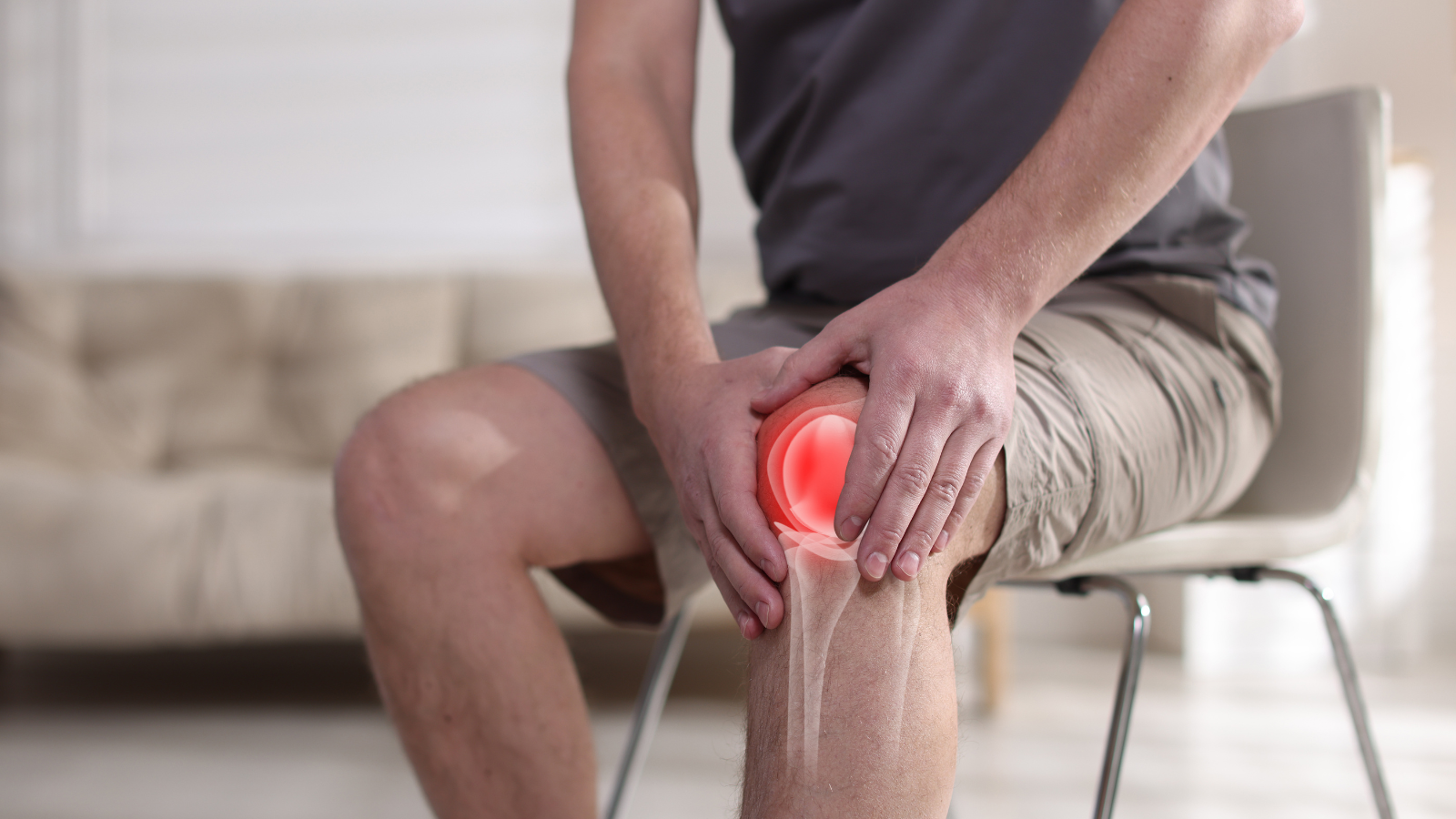
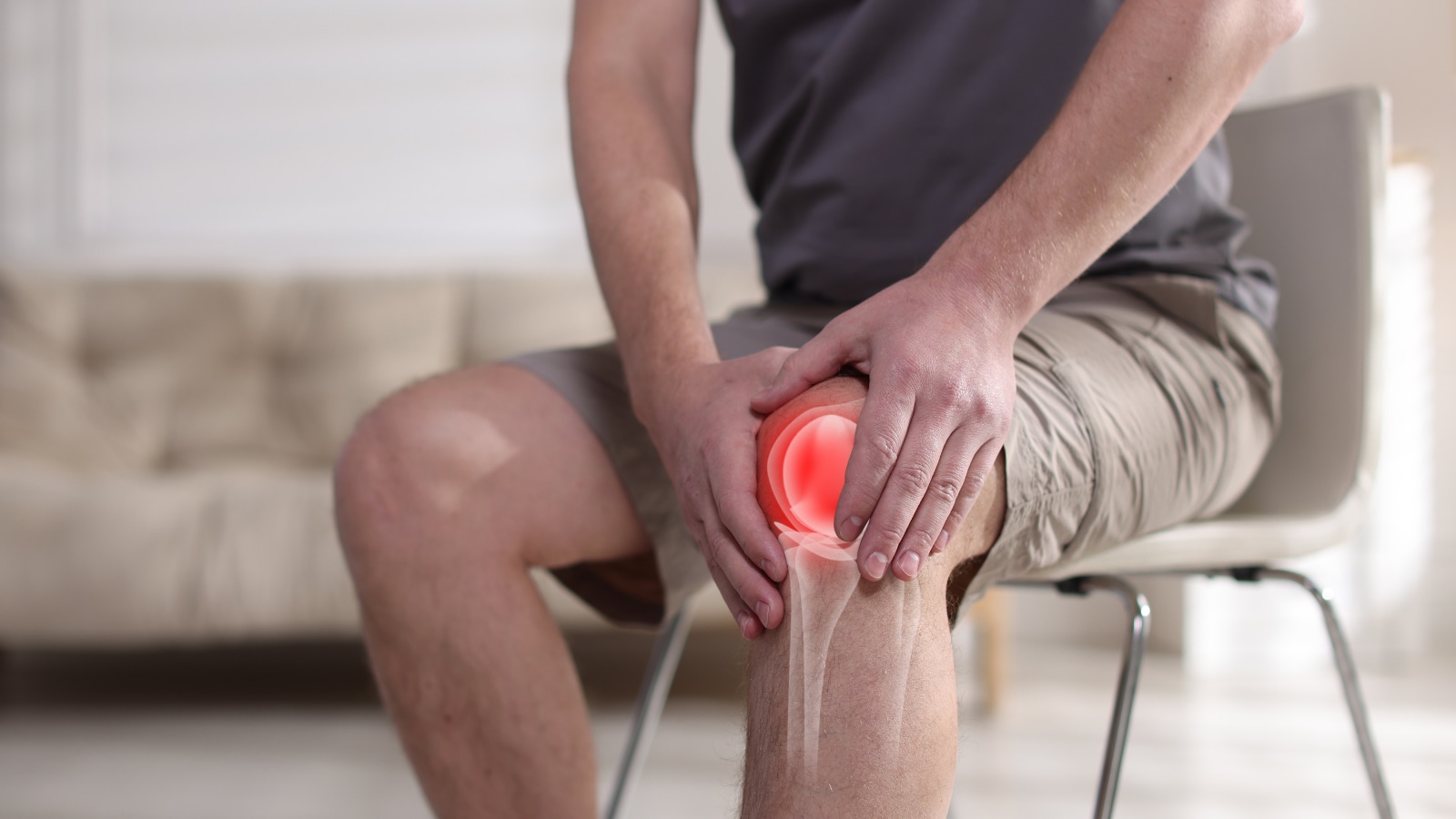
A new 2026 review suggests exercise may offer only modest relief for osteoarthritis, but experts say consistency and the right approach can still make a difference. (Image-iStock)
Exercise has long been considered essential for osteoarthritis care. Recently, a new umbrella study suggests that its pain-relief may be short-lived. However, experts argue that consistency and strategy may matter far more than the numbers alone indicate.
The February 2026 study published in RMD Open (Rheumatic and Musculoskeletal Diseases Open) has started a fresh debate, suggesting exercise may offer only small, temporary improvements in pain and function.
Dr Sandeep Nagar, Consultant – Rheumatology at Yatharth Super Speciality Hospitals, Omega-1, Greater Noida, stresses that the numbers need context. “Expectations should be reframed rather than lowered,” he explains.
“Modern pain management prioritises functional capacity over achieving a ‘zero pain’ score. A 7-15 point reduction on a 100-point scale is considered a clinical success because it often enables patients to do significantly more despite some remaining pain.”
What Is Osteoarthritis, And Why Exercise Matters
Osteoarthritis is one of the most common degenerative joint diseases globally. It involves cartilage breakdown, leading to pain, stiffness, swelling, and limited range of motion. Knees, hips, and hands are most frequently affected, though any joint can be involved.
Since the condition is progressive and incurable, treatment focuses on symptom control and preserving function. Exercise has traditionally been central to that strategy. It enhances circulation, improves joint alignment, strengthens surrounding muscles, and reduces stiffness.
Over time, it can also help patients maintain independence and delay invasive interventions. Yet, the new ‘umbrella review’ raises an important question: Are those benefits as substantial as long believed?
What The Study Says
The February 2026 study, titled “Effectiveness of exercise to ease osteoarthritis symptoms likely minimal and transient,” conducted what researchers describe as an umbrella systematic review, an overarching analysis of existing systematic reviews and randomised clinical trials.
Researchers searched medical databases for relevant studies published up to November 2025. They included:
- Five systematic reviews involving 8631 participants
- Twenty-eight randomised clinical trials involving 4360 participants
In total, nearly 13000 patients were represented. The analysis examined exercise in hip, hand, knee, and ankle osteoarthritis.
It compared exercise against multiple alternatives, including no treatment, placebo, patient education, manual therapy, NSAIDs, corticosteroid injections, hyaluronic acid injections, arthroscopy, osteotomy, and joint replacement. The experiment aimed to determine whether exercise truly stands out as a first-line intervention.
What The Study Found
Compared with placebo or no treatment, exercise reduced pain by between 6 and 12 points on a 100-point scale. For knee osteoarthritis, effects were small and short-lived, with very low certainty of evidence. Larger and longer-term trials showed even smaller benefits.
For hip osteoarthritis, effects were negligible. For hand osteoarthritis, they were small. Exercise did not significantly outperform patient education, NSAIDs, steroid injections, or arthroscopy in improving function. In certain trials, surgical options such as osteotomy and total joint replacement delivered stronger long-term outcomes.
The researchers concluded:
“We found largely inconclusive evidence on exercise for osteoarthritis, suggesting negligible or, at best, short-lasting small effects on pain and function across different types of osteoarthritis compared with placebo or no treatment.”
They added that the findings “question the universal promotion of exercise therapy as the sole focus in first-line treatment.”
How Should Patients Interpret A 6-12 Point Drop?
To many readers, a 6-12 point reduction may sound unimpressive. But Dr Nagar emphasises that clinical impact is not solely about numerical magnitude. “Goals should shift from complete pain relief to improved quality of life and movement,” he says.
“Even modest reductions can increase walking tolerance, improve sleep, and reduce fear of movement. Exercise also raises pain thresholds biologically by activating the body’s endogenous opioid systems.”
Medication Vs Movement: Risk And Cost
One of the review’s notable findings was that exercise alone reduces pain at levels comparable to NSAIDs and corticosteroid injections. Dr Nagar argues this comparison strengthens, rather than weakens, the case for exercise. “Relying on medication over several years carries higher systemic risks and rising long-term costs,” he explains.
“NSAIDs are associated with renal and gastric complications and cardiovascular events. Opioids can lead to dependency and increased pain sensitivity. Exercise, when supervised and individualised, has a superior safety profile.”
He adds that long-term medication costs often escalate. “Chronic opioid users frequently incur nearly double the annual healthcare costs. Structured exercise can potentially save hundreds per year in medication expenses and thousands over a lifetime by reducing the likelihood of surgery.”
However, he cautions that exercise is dose-dependent. “Unlike pills, its benefits require consistent participation.”
Limitations Of The Study
Several limitations may have diluted the exercises’ apparent effectiveness.
All Exercises Were Grouped Together
Strength training, aerobic workouts, stretching, aquatic exercise, and tai chi were analysed collectively. These interventions differ substantially in intensity and physiological impact.
Evidence suggests aerobic and resistance training often outperform stretching alone. By averaging all modalities, stronger effects may have been obscured.
Supervised Vs Unsupervised Was Not Distinguished
Supervised programs generally yield better outcomes than unsupervised routines. Professional oversight improves adherence, progression, and technique. Dr Nagar notes, “The best outcomes occur with tailored, supervised exercise combined with pain education. Active movement consistently outperforms inactivity.”
Short Study Durations
In the umbrella review, many trials lasted approximately 12 weeks. As osteoarthritis is lifelong, long-term adherence could produce cumulative benefits not captured in short trials.
Exercise Dose And Intensity
Research suggests optimal benefits occur at around 150 minutes of moderate intensity exercise weekly. If participants exercised below that threshold, the measured effect may reflect insufficient dosing rather than efficiency. In the study, the dose of exercise was not fully accounted for.
When Does Surgery Become More Effective?
The review also found that exercise is less effective than joint replacement in certain groups, but surgery is not an early solution. Dr Nagar explains that total joint arthroplasty is recommended for symptomatic moderate-to-severe osteoarthritis (stage 3 or 4) that does not respond to comprehensive nonoperative care.
“Persistent pain, significant functional limitation, and clear radiographic joint damage despite exhaustive conservative management justify surgical intervention,” he says. “Exercise remains essential before and after surgery to optimise outcomes.”
Why Exercise Still Matters Beyond Pain
The study focused on pain and function, but exercise delivers systemic benefits that extend far beyond the joint:
- Weight management
- Improved mood
- Cardiovascular protection
- Better sleep
- Reduced diabetes risk
- Lower cancer risk
“These secondary health benefits must be weighed in shared decision-making,” the review authors themselves noted. Exercise may not eliminate osteoarthritis pain entirely, but it strengthens overall resilience.
Should Exercise Remain First-Line Recommendation?
Dr Nagar believes that exercise should remain the first-line recommendation. “Yes,” he says. “Exercise delivers long-term functional and structural benefits that medication cannot. Corticosteroid injections may provide rapid relief, but effects often diminish within six months. Exercise builds strength, improves joint mechanics, and supports cartilage health.”
Unlike medication that masks symptoms, targeted movement addresses biomechanical dysfunction. Repeated injections, he notes, may even contribute to tissue degradation over time.
How To Protect The Joints?
For those concerned about aggravating pain, structured warm-up and cool-down routines are essential. Dr Nagar recommends:
Warm-up (5-10 minutes):
- Light cycling or brisk walking
- Dynamic movements like leg swings, arm circles, or walking lunges
Cool-down (5-10 minutes):
- Gradual slowing to normalise heart rate
- Static stretches, such as hamstring or quadriceps stretches, are held for 10-30 seconds
The February 2026 umbrella review in RMD Open suggests that exercise appears to produce modest, sometimes transient reductions in osteoarthritis pain when analysed broadly.
As Dr Nagar emphasises, “The goal is not zero pain; it is better living.” Exercise may not be a miracle cure or eliminate pain entirely, but when tailored, supervised, and sustained, it remains one of the safest and most empowering tools available to people living with osteoarthritis.
February 24, 2026, 08:00 IST

Stay Ahead, Read Faster
Scan the QR code to download the News18 app and enjoy a seamless news experience anytime, anywhere.