


Is Marriage The Key To Heaven And Moksha? Here’s What Ancient Scripture Says


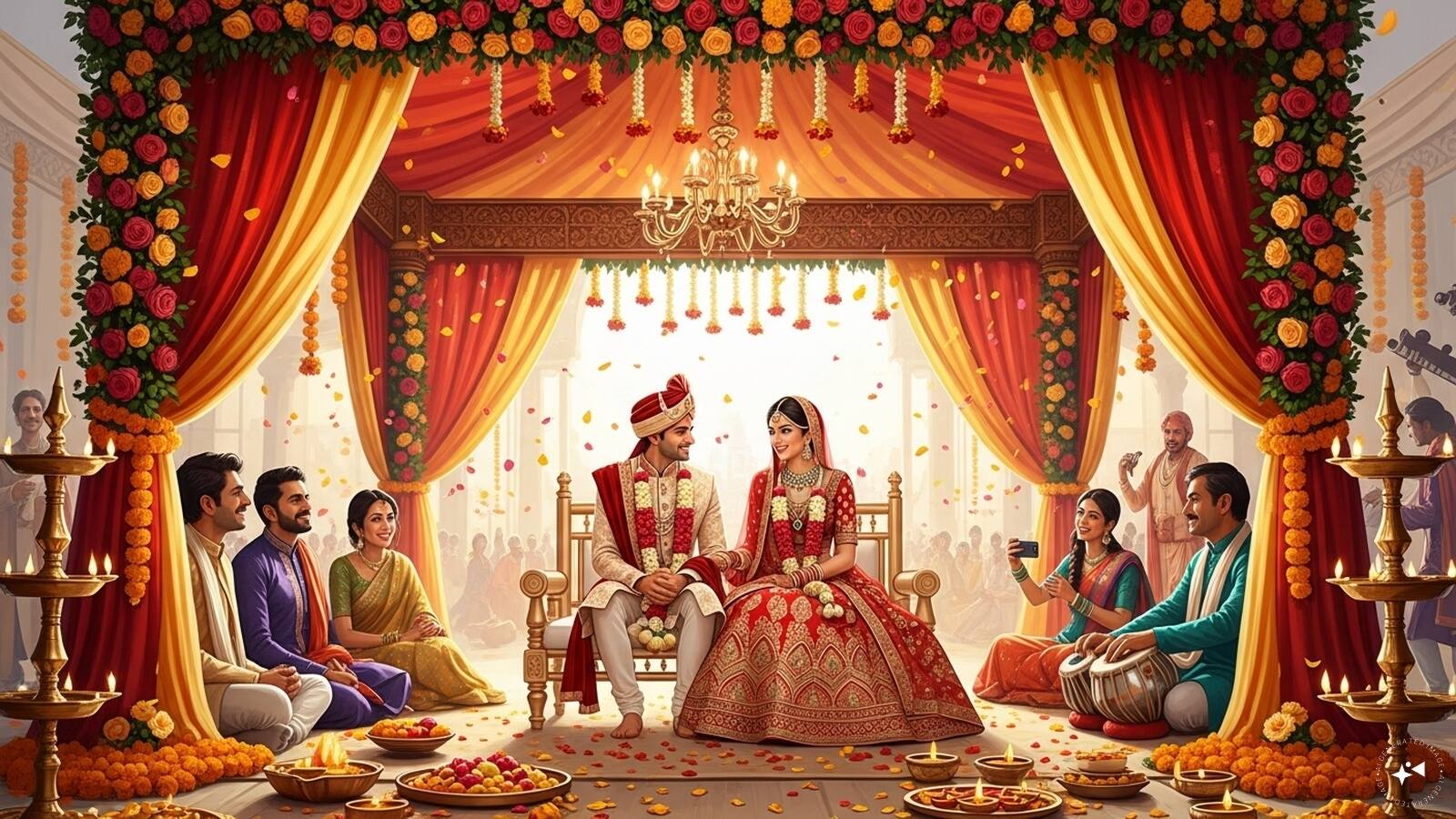
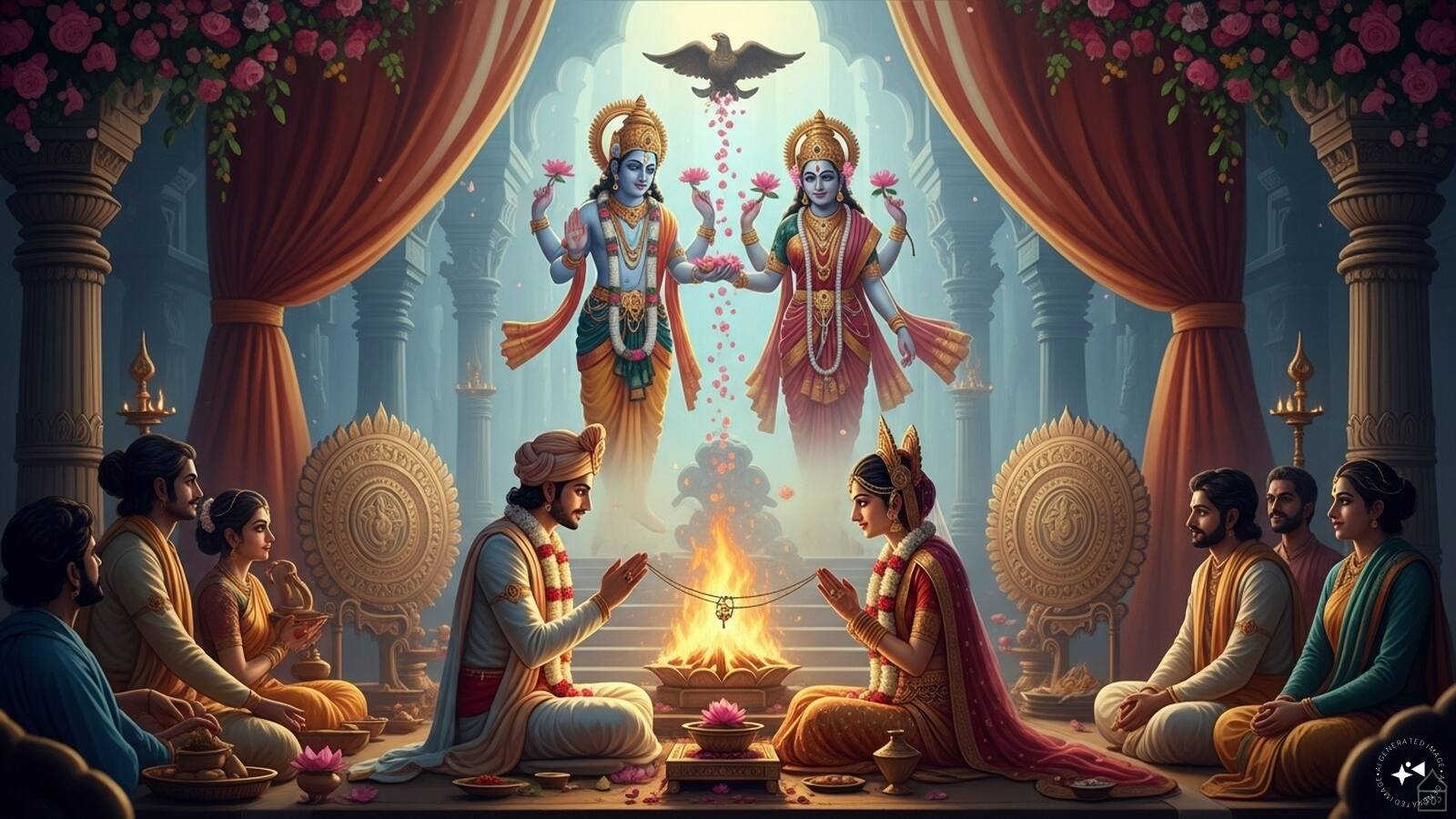
In Hinduism, there are 16 sacred ‘sanskars’ (rites), and marriage is one of the most significant. It marks the beginning of Grihastha Ashram—the householder phase of life. But beyond social reasons, ancient texts link marriage to something much deeper: spiritual growth, heaven, and even liberation (moksha).
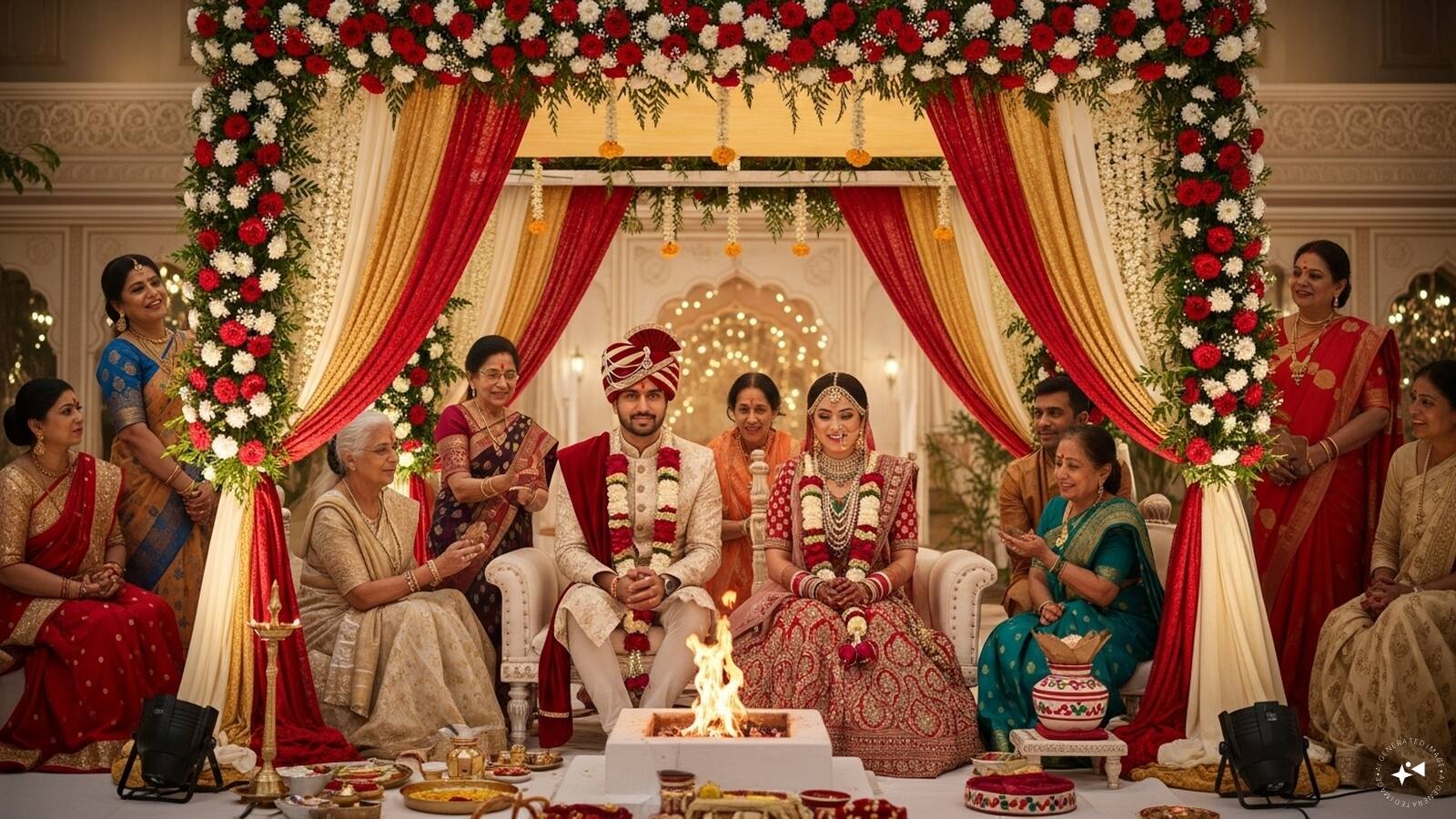
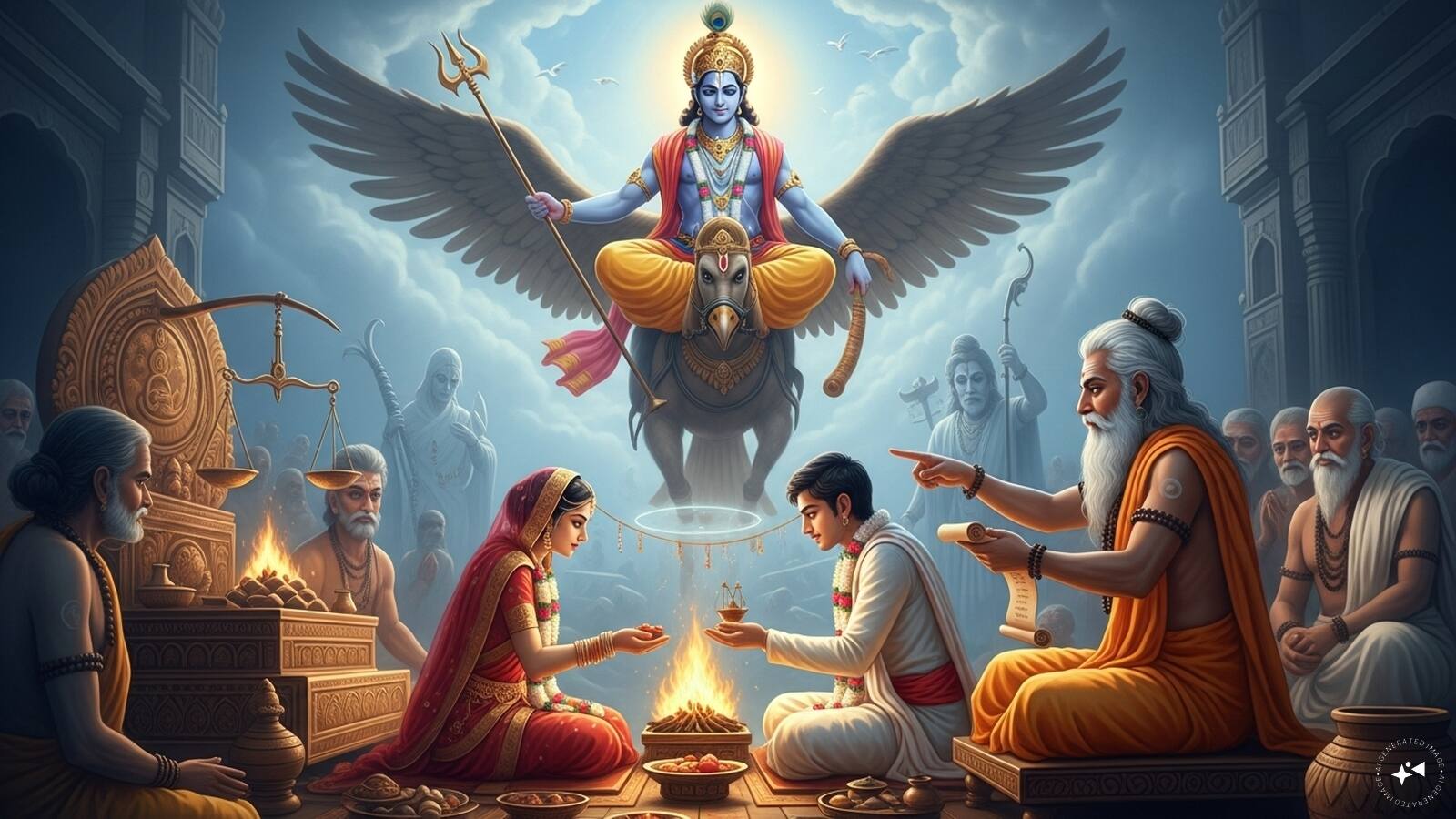
According to the Garuda Purana, marriage is not just a tradition—it is a duty. The text connects it with fulfilling responsibilities towards gods, ancestors, and society.
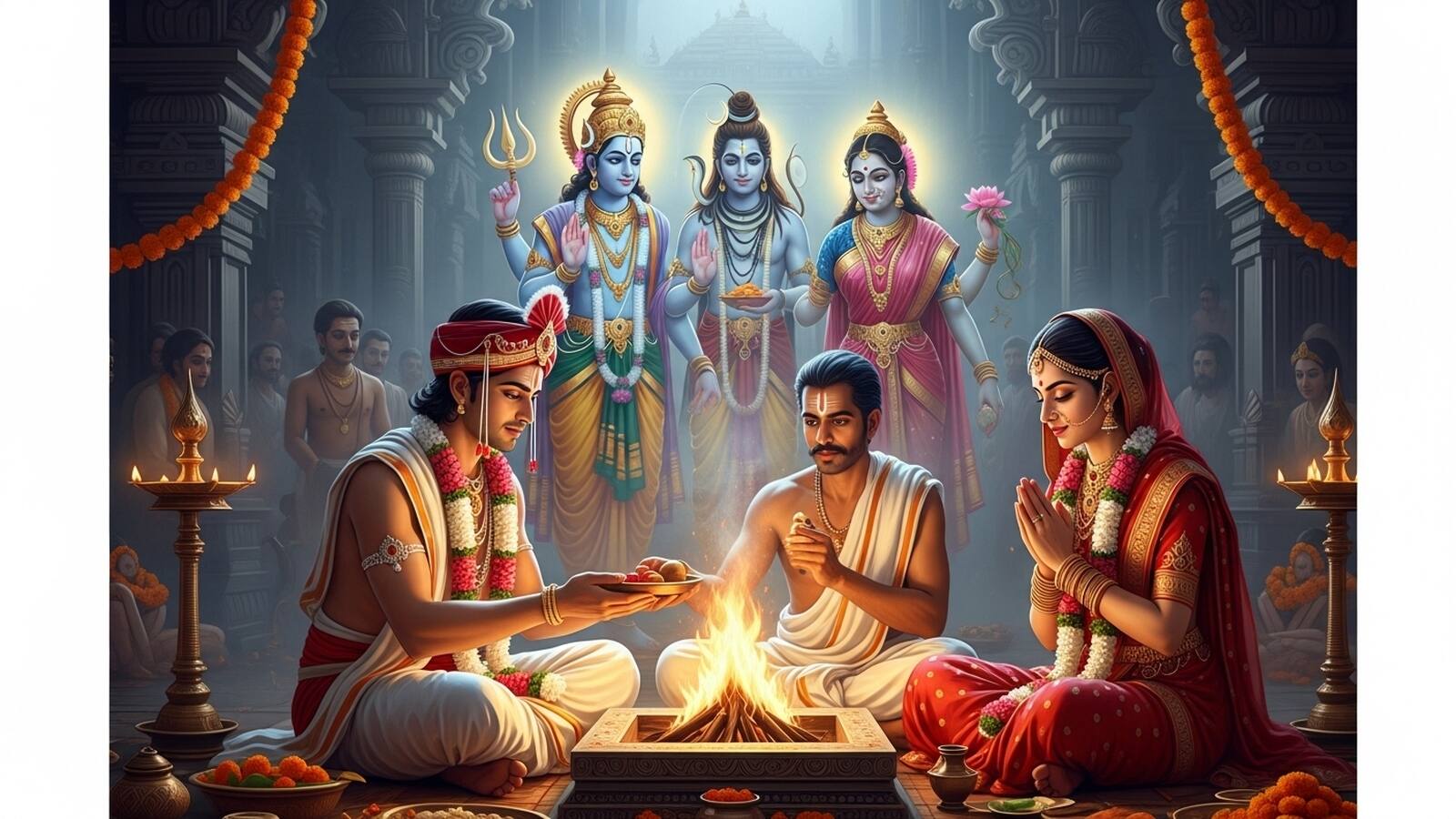
The Story of Prajapati Ruchi: Ancient scriptures mention a sage-like figure, Prajapati Ruchi, who chose to renounce worldly life. He lived alone, gave up family ties, and followed a strict, detached lifestyle.
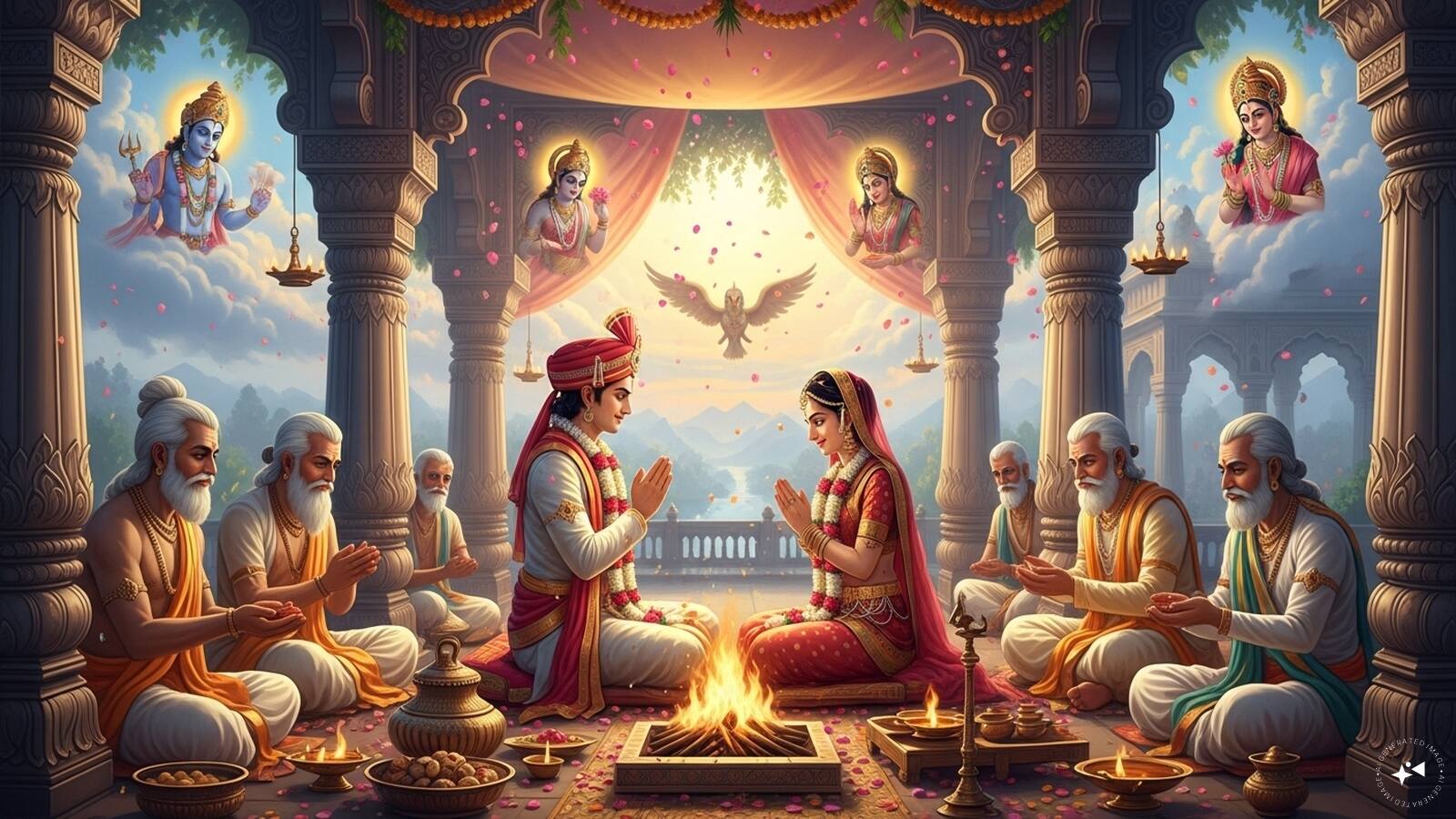
One day, his ancestors (Pitrus) asked him, “Why have you not married?” They explained that marriage is not a burden but a path to heaven and moksha, as it allows a person to fulfil essential duties of life.
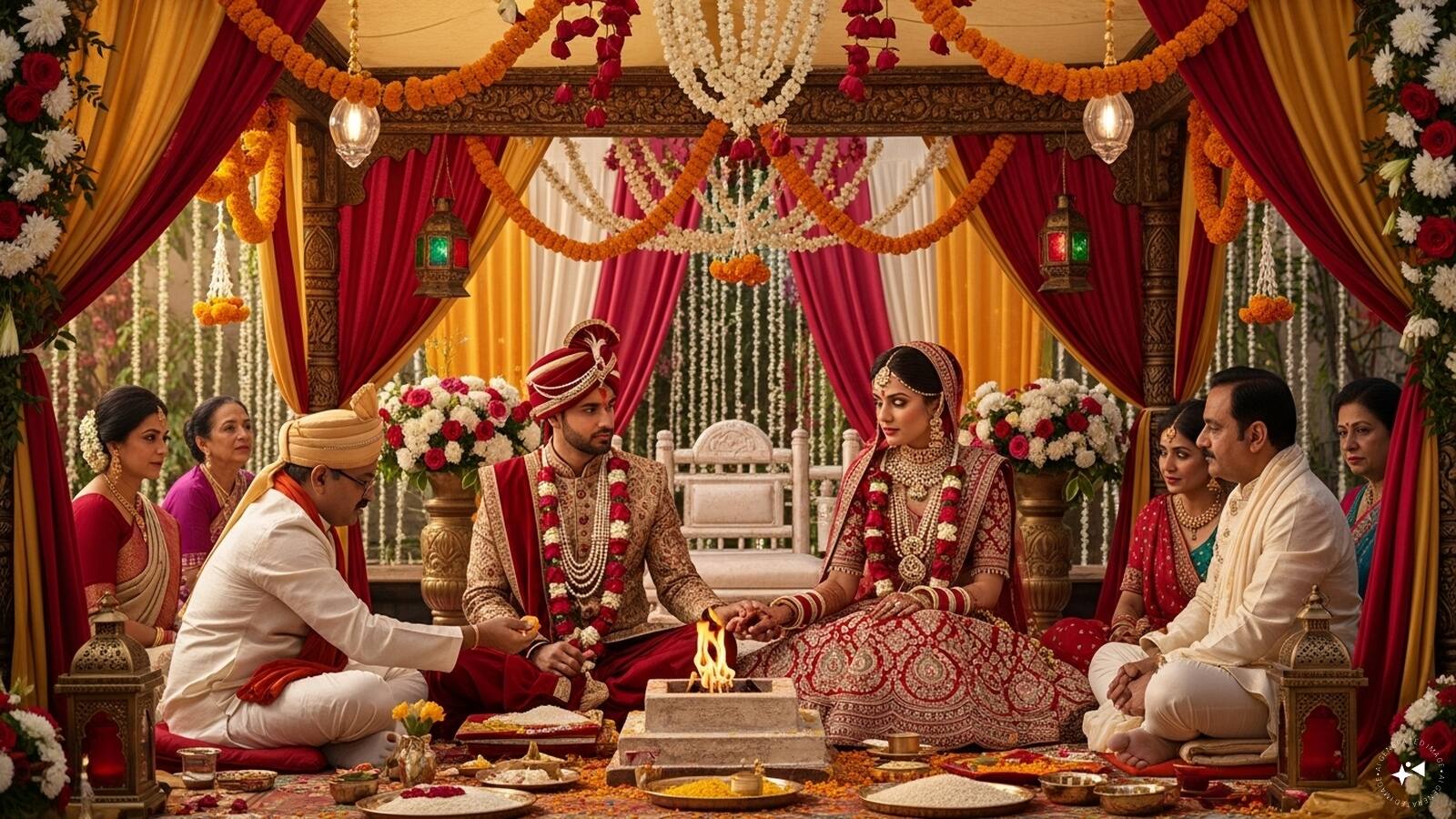
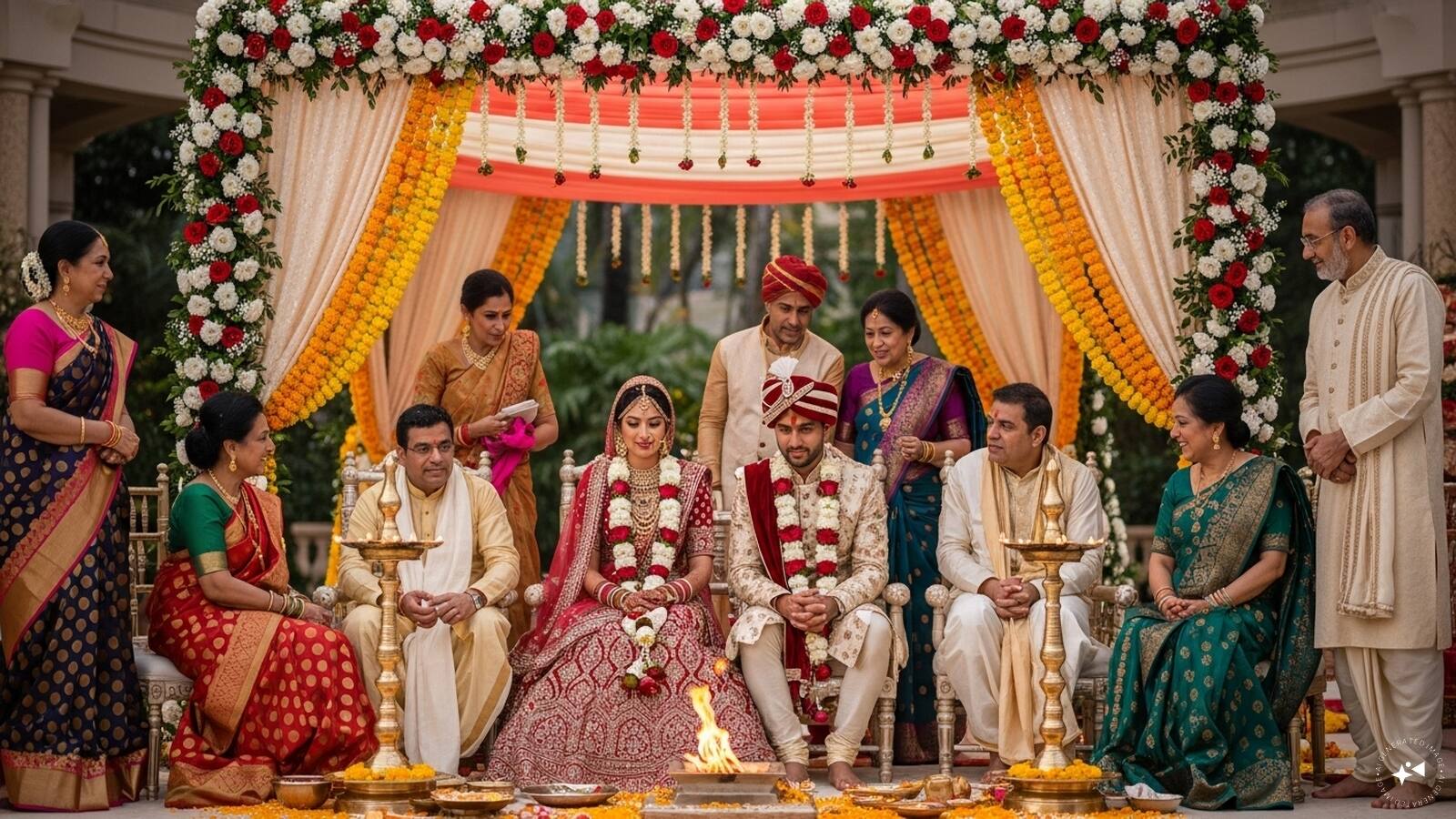
According to them, only a married person can properly worship gods (Devta), offer rituals to ancestors (Pitrs) and serve sages and guests. Without these duties, a person remains burdened by spiritual debts.
The ancestors warned that neglecting these responsibilities may lead to: accumulated spiritual debts, lack of fulfilment in life, suffering after death and in future births. They emphasised that rituals, family life, and continuation of lineage are essential.
Ruchi argued that marriage brings attachment, pain, and distractions. He believed that staying detached and relying on knowledge alone was the path to purity.
The ancestors responded that while knowledge is important, actions (karma) are equally essential. Following prescribed duties—even within worldly life—is what ultimately leads to liberation.
Disclaimer: This content is based on traditional beliefs and scriptures. For a deeper understanding, consult a qualified expert.


