


Eating ultraprocessed foods may be linked to binge eating rise


There’s a lot we know is risky about eating ultraprocessed foods. Cookies, candies, fries and smoked meats have been tied to risks to heart, brain and immune health in studies conducted in recent years.
Now, a new 50-year analysis from the University of Michigan ties these foods to binge eating that can raise blood sugar, blood pressure and levels of harmful cholesterol that lead to artery blockages.
A whopping 70 percent of foods people ate during binge episodes were ultraprocessed, research from 1973-2023 revealed. Just 15 percent were minimally processed, such as fruits and vegetables, and it was rare that people only binged minimally processed foods.
The findings point to a “major blind spot in eating disorder research,” the Michigan authors suggest in a related release. The foods in binge eating episodes have largely been ignored when studying the disorder.
“Binge eating did not begin appearing in the scientific literature until the 1970s — around the same time highly processed foods became increasingly dominant in the food environment. Yet, eating disorder research has rarely examined how the foods themselves might contribute to binge eating,” the researchers said.
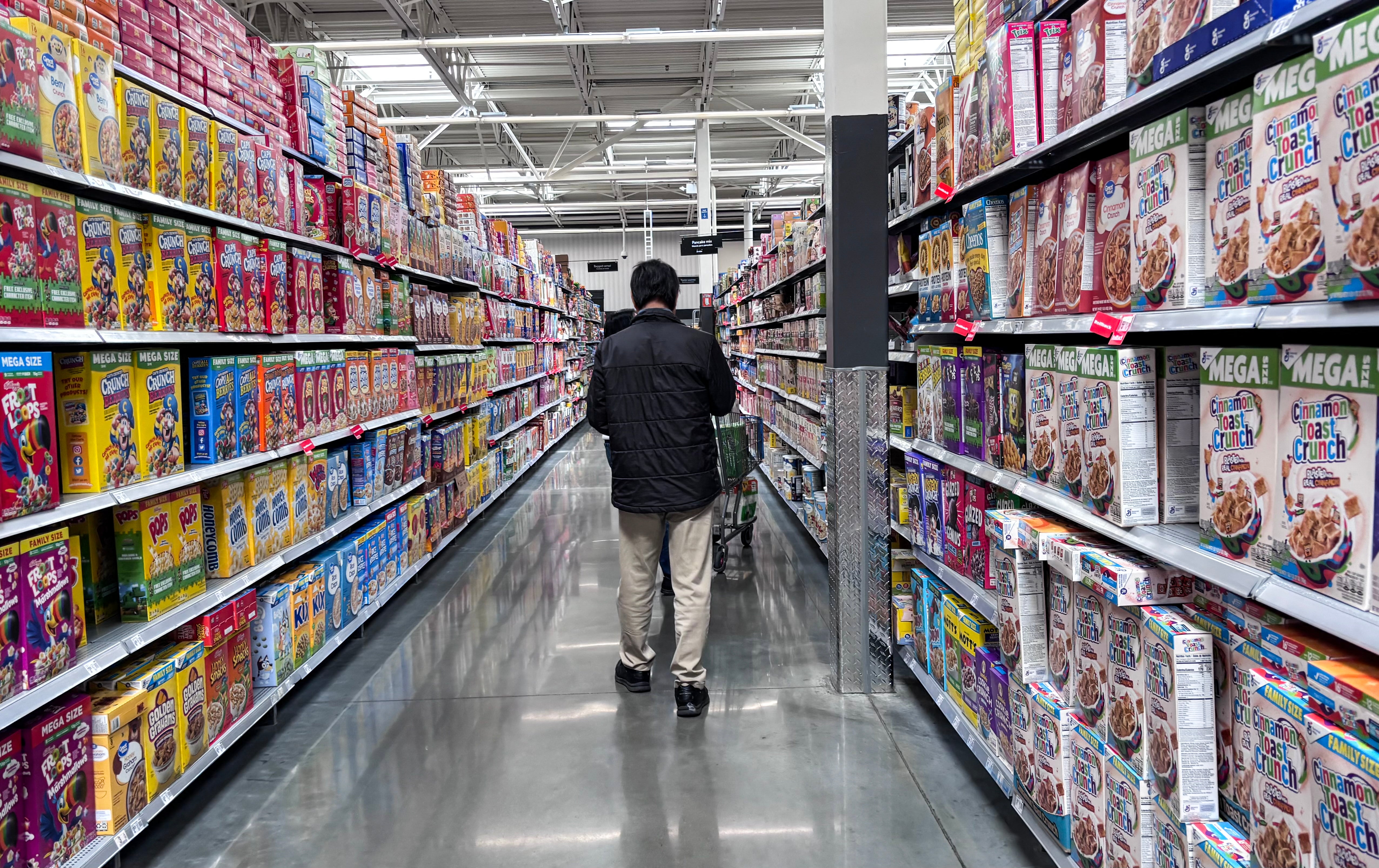
They could also be tied to why binge eating has become the most common eating disorder in the U.S.
There’s a 1 to 3 percent chance of developing the condition, Kristin Javaras, an assistant professor of psychology at Harvard Medical School, said in 2024. Binge eating can lead to weight gain and obesity, heart disease, Type 2 diabetes, gallbladder disease and depression, the University of Southern California’s Keck Medicine notes.
The most common binge eating foods across the decades are cake, ice cream, cookies, chocolate, pastries, pizza and chips, the Michigan researchers say.
These foods are designed with refined carbohydrates and fats that make them easy to over-consume, they note.
Although it remains unclear if the foods are being binged due to psychological factors, the way the foods are made or a combination of both.

“These findings raise an important question: if the same types of foods keep showing up in binge episodes, we have to ask whether they are simply being over-consumed — or whether they are designed in ways that promote that pattern of use,” Ashley Gearhardt, a psychology professor at the university, noted.
Gearhardt was part of previous research showing that many Generation X and Baby Boomer adults show signs of addiction to ultraprocessed foods.
“Today’s older adults were in a key developmental period when our nation’s food environment changed,” explained graduate student Lucy Loch.
Nowadays, these products are high in salt, sugar and fat, make up more than half of the U.S. diet , according to the Centers for Disease Control and Prevention. They’re also 73 percent of the country’s food supply, according to Northeastern University.


