


Study Finds 53% Of Indian Mothers Suffer Severe Sleep Loss, And Their Hair Is Paying The Price


Last Updated:
A study analysing over 76,000 Indian mothers found alarming levels of stress and sleep deprivation closely linked to long-term hair thinning and postpartum hair fall.




‘Delivery Ke Baad’: Chronic Stress And Broken Sleep Are Triggering A Hair Loss Epidemic Among Indian Mothers, Says Study
For most Indian women, the initial chapters of motherhood—pregnancy, the postpartum recovery phase, and the first year of an infant’s life—are the most physically, mentally, and emotionally demanding milestones they will ever cross. It is a vulnerable stage where a woman’s own body quietly disappears from her daily to-do list, even as she pours every ounce of her energy into the new life she is nurturing.
While the shape of motherhood evolves over the years, the relentless juggling act never truly ceases. The broken sleep, the everyday anxieties, and the sudden, alarming clumps of hair in the shower drain do not magically vanish after the child’s first birthday. Instead, they follow her into the toddler years, school admission deadlines, corporate pressures, and the slow, systemic erasure of self-care.
Now, a landmark study by Traya Health—India’s leading science-led hair platform combining dermatology, Ayurveda, and nutrition—has put stark, unsettling numbers behind this lived reality.
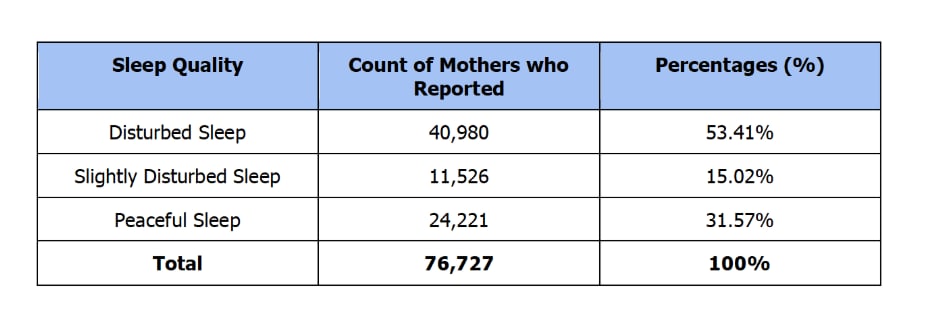
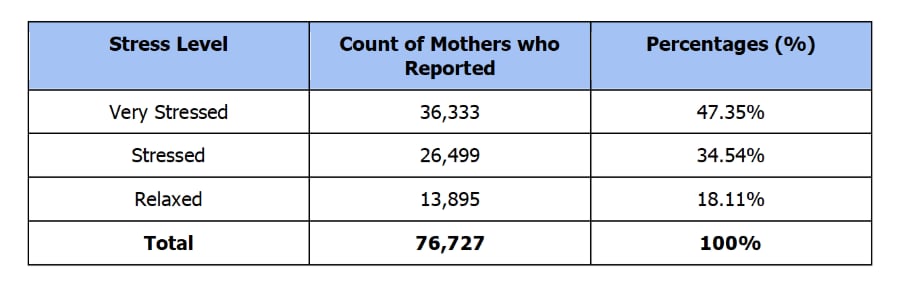
Analysing a massive cohort of 76,727 Indian mothers at the starting gates of this journey (including pregnant women, breastfeeding mothers, and those with infants under one year old), the data reveals a silent health crisis: More than 1 in 2 Indian mothers report severely disturbed sleep, and nearly half describe themselves as “very stressed.” These are the exact physiological blueprints known to accelerate hair fall and premature thinning. And for Indian mothers, the damage is being locked in right where the long road of parenting begins.
The Sleep & Stress Deficit: What The Data Shows
The study paints a clear, unvarnished picture of the maternal burnout sweeping across Indian households. When it comes to basic rest, the vast majority of mothers are operating on empty. The statistics on maternal stress levels are equally alarming. Nearly half of the respondents are trapped in a state of high-functioning anxiety that actively disrupts their daily cognitive focus and biological rhythms.
Why The “Delivery Ke Baad” Phase Lasts For Decades
Though the mothers in this study were captured in the early stages of infancy and pregnancy, the chronic stress cycles they describe do not simply fade away. They morph. The sleepless nights with a newborn transition into packing early-morning school tiffins, navigating homework battles, staying up late waiting for teenagers to come home, managing corporate careers, and eventually caretaking for aging parents. This lifestyle pattern explains a uniquely Indian medical phenomenon: women in their late thirties, forties, and even fifties still attributing their ongoing hair thinning to “delivery ke baad” (post-delivery changes).
Clinically, they are not entirely wrong. The initial biological trigger did start in the exact postpartum window this study captures. However, the conditions that allowed that hair loss to become permanent—chronic sleep deprivation, elevated cortisol, and a culturally ingrained habit of putting their own health last—simply changed shape over decades.
“At Traya, we hear from thousands of Indian mothers every month, and the pattern is always the same. Hair fall that began after delivery never quite stopped,” says Saloni Anand, Co-Founder of Traya Health. “What this study tells us is why. It is not just about her hair. It is about the sleep she lost, the stress she’s been carrying, and the years she has spent looking after everyone except herself.”
To sustain a healthy, active growth cycle, human hair requires three non-negotiable pillars: cellular rest, physiological calm, and dense micronutrient reserves. Due to the systemic demands of raising families in India, women are running critically short on all three.
During pregnancy, elevated estrogen levels act as a natural shield for hair. It extends the anagen (growth) phase of the hair cycle, preventing normal shedding and giving women a thick, lustrous mane. However, this hormonal high is entirely temporary. Following delivery, estrogen levels plummet abruptly. This sudden drop shocks the system, forcing the “extra” hair the body was holding onto to enter a synchronized shedding cycle known as Postpartum Telogen Effluvium (postpartum hair fall), typically peaking three to four months after childbirth.
Under normal, restful circumstances, the body regulates this phase and hair regrows. But the compounding realities of modern Indian motherhood disrupt this recovery:
Interrupted Cellular Repair: Deep, continuous sleep is the primary window for cellular regeneration. When a mother’s sleep is repeatedly broken, the highly metabolically active cells at the root of the hair follicle are starved of necessary repair time.
The Cortisol Trap: Chronic stress floods the bloodstream with cortisol. High cortisol levels act as a chemical disruptor, prematurely pushing healthy hair follicles out of their active growth stage and into a prolonged resting phase, causing them to shed faster than the body can regenerate them.
Nutritional Depletion: The biological toll of postpartum healing, combined with the extreme nutritional drain of breastfeeding, rapidly depletes maternal stores of vital iron (ferritin), calcium, and B-vitamins. Because hair is considered a non-essential tissue by the body, any remaining nutrients are diverted away from the scalp to vital organs instead.
The study serves as a critical wake-up call for public and domestic health. It proves that maternal hair loss is rarely a superficial cosmetic issue. It is a highly visible, biological indicator of a much deeper, unaddressed crisis of burnout, exhaustion, and systemic self-neglect among Indian mothers.


