


GK: Which City Is Known As The Silk City Of India?


Bhagalpur stands out as the undisputed ‘Silk City of India’. Situated on the southern banks of the sacred river Ganges in the eastern part of Bihar, this ancient city has earned global acclaim for its distinct, high-quality silk production. With a heritage spanning several centuries, Bhagalpur is not just a manufacturing hub; it is the beating heart of India’s indigenous weaving culture. (Image: Wikimedia Commons)
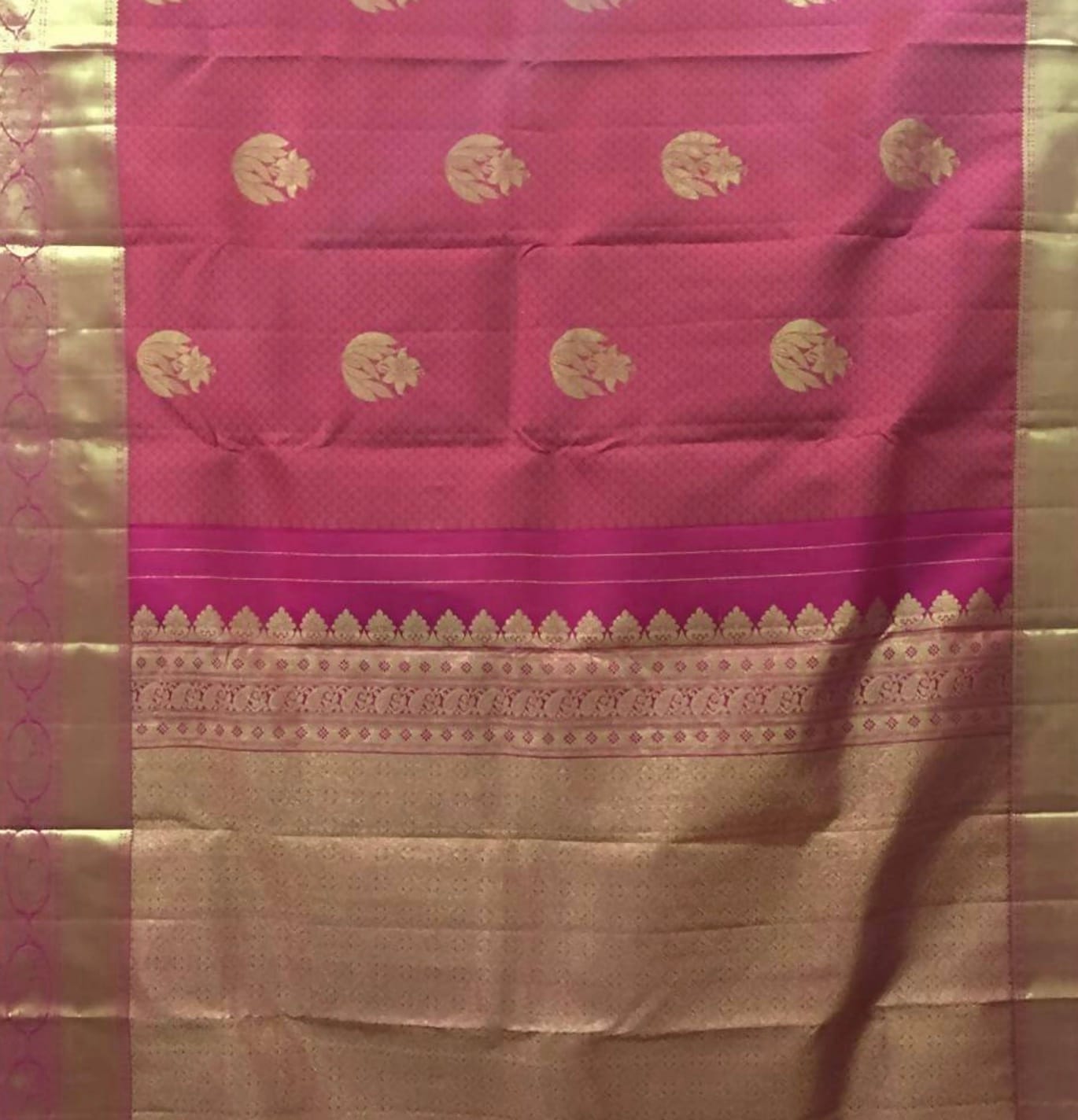
While India is unique for producing all four major commercial varieties of silk (Mulberry, Eri, Muga, and Tussar), Bhagalpur specializes heavily in Tussar silk (also known as “wild silk”). Unlike Mulberry silk, which comes from domesticated silkworms, Tussar silk is harvested from wild silkworms (Antheraea paphia) native to the deep local forests. (Image: Facebook)
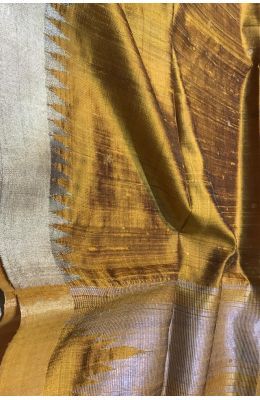
Some of the signature attributes to Bhagalpuri silk are as follows:
– Natural Golden Sheen: The fabric possesses a unique, deep golden reflection that does not require heavy artificial bleaching.
– Textured Resilience: It features a slightly coarse, rustic texture that gives it a distinct character and immense durability.
– Thermal Insulation: Under a microscope, the fibers reveal tiny pores that act as natural insulation, making the fabric breathable and comfortable in hot summers, yet warm during winters. Image: Pinterest)
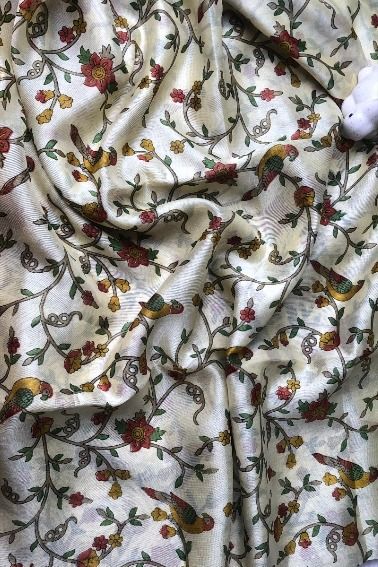
The title of “Silk City” is heavily backed by the sheer scale of Bhagalpur’s traditional workforce. The city houses a massive, deeply concentrated cluster of over 25,000 skilled weavers operating roughly 10,000 active handlooms. (Image: Pinterest)
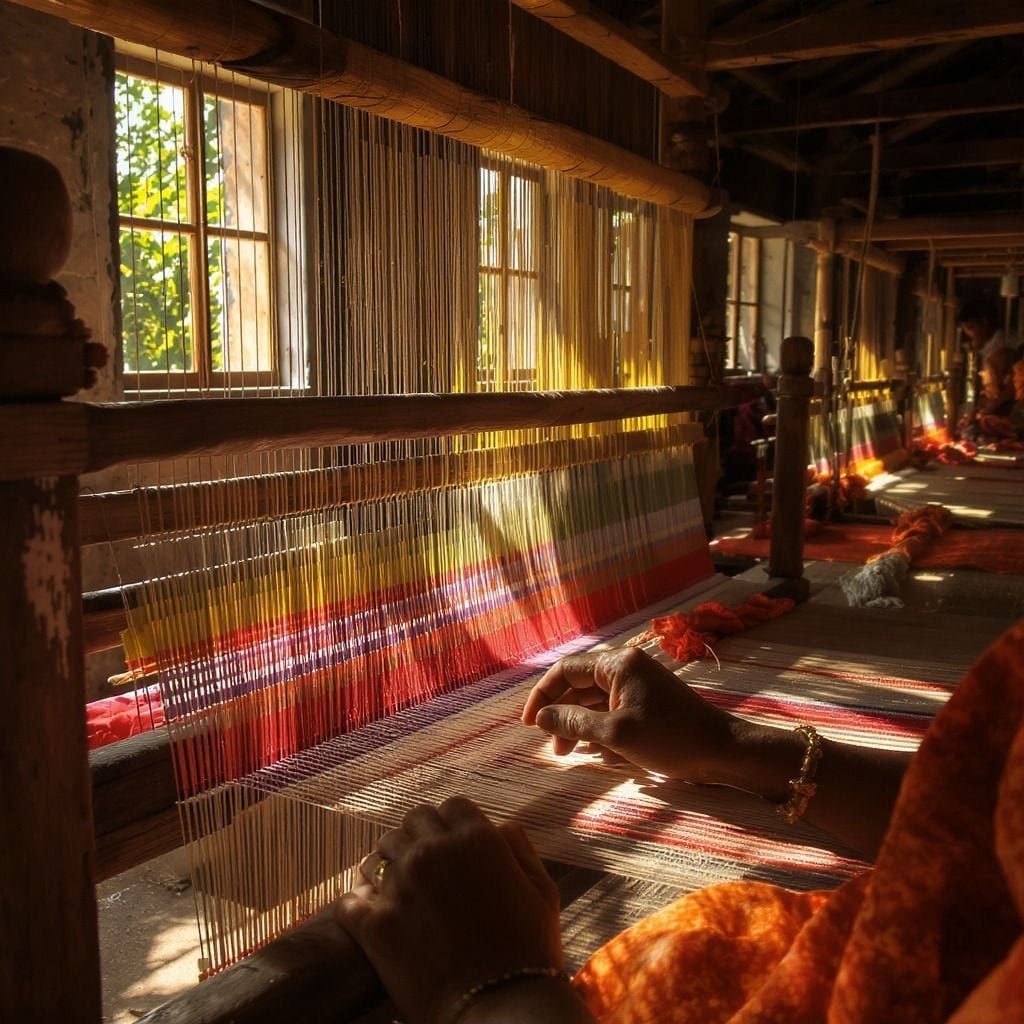
For these artisan families, weaving is not merely a job—it is a generational craft passed down through centuries. Nearly 100,000 people in the region are involved in the multi-step lifecycle of silk creation, from rearing the cocoons and spinning the yarn to the final design on the loom. (Image: Pinterest)
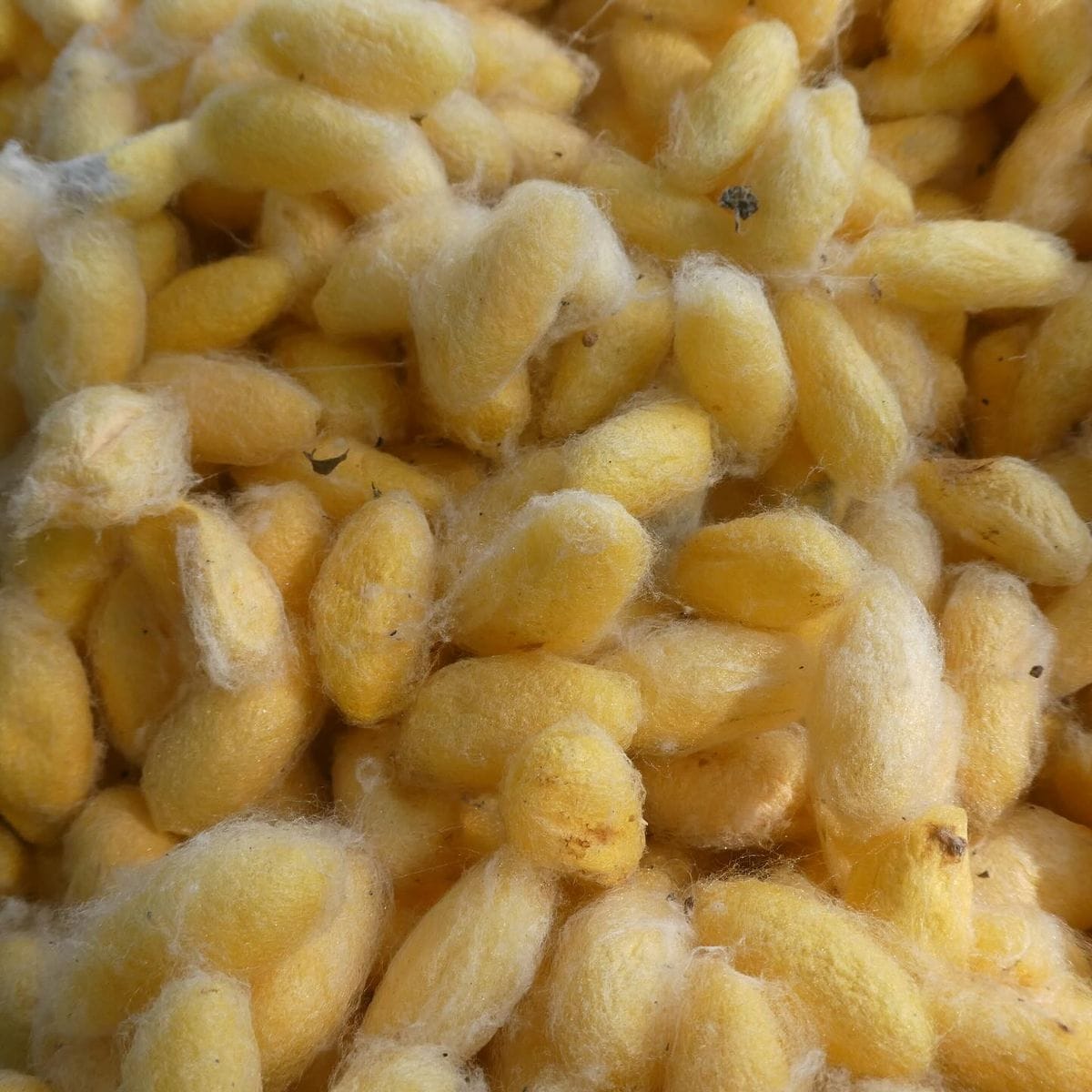
Furthermore, Bhagalpur’s traditional “Ahimsa” or peace silk method has garnered immense modern respect. Many local weavers wait for the silk moths to naturally hatch and fly away before harvesting the cocoons, avoiding the commercial practice of boiling the worms alive. Image: Pinterest)
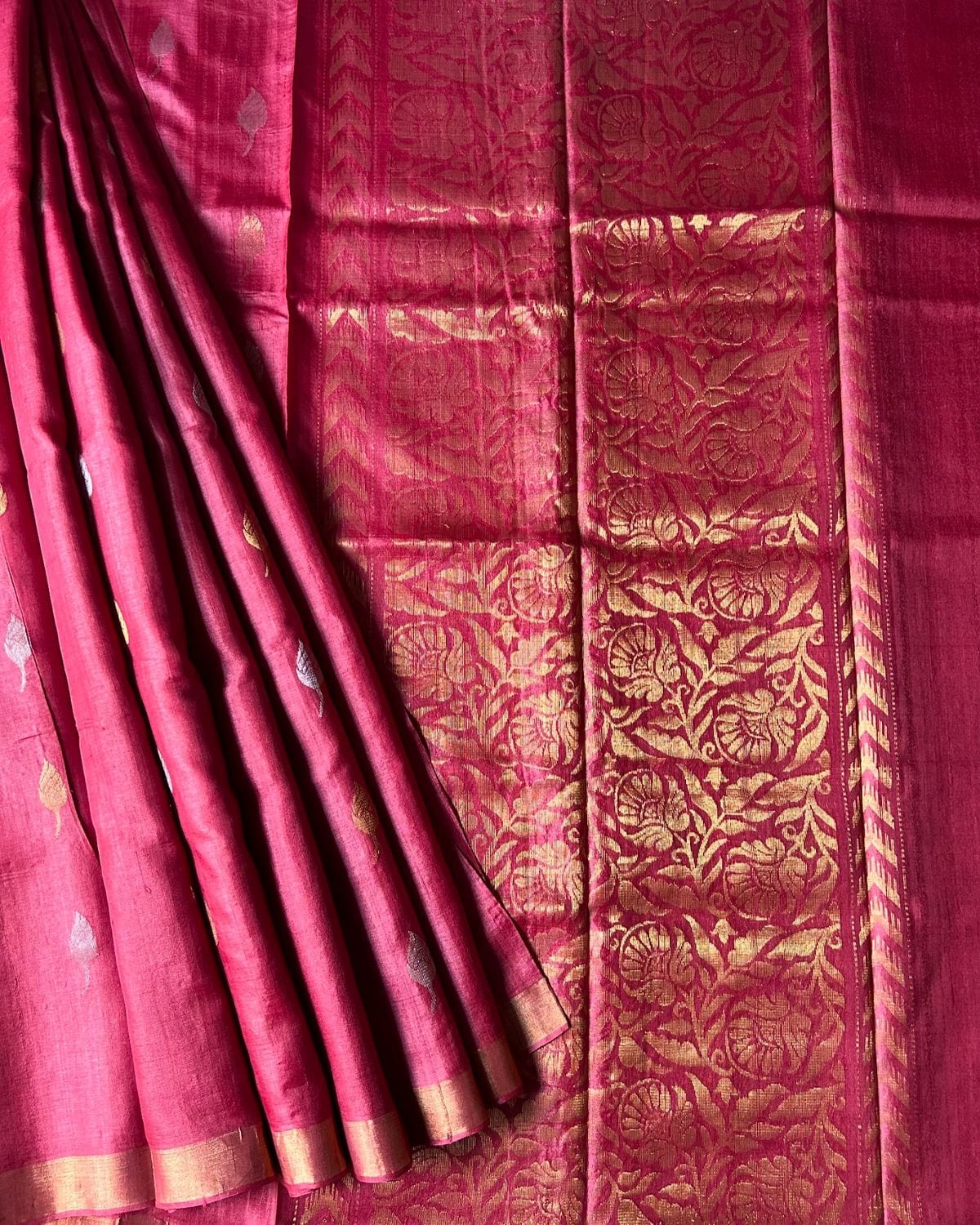
Bhagalpur is the second-largest exporter of silk in India, trailing only behind the state of Karnataka. The city’s annual silk trade turnover regularly exceeds Rs500 crore. (Image: Pinterest)
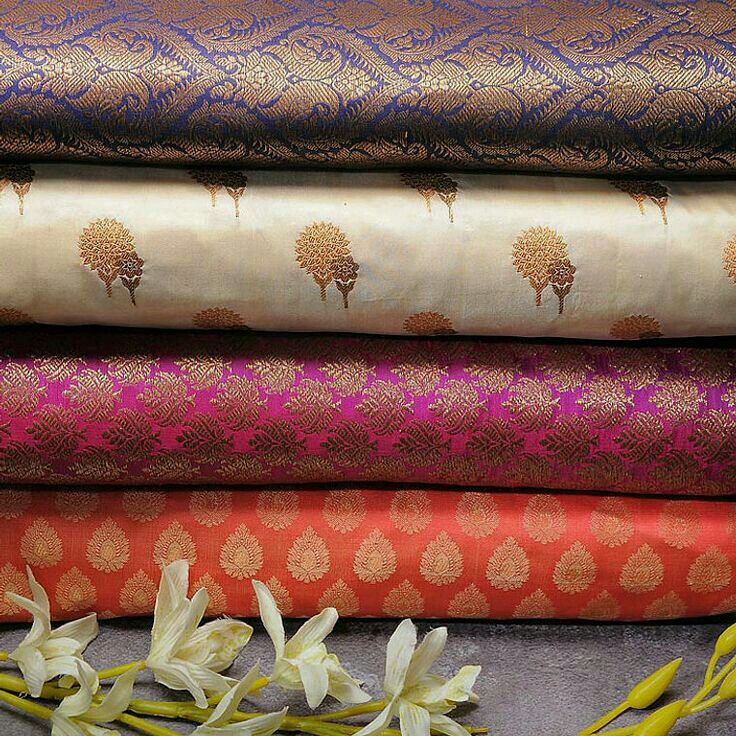
Nearly 40% to 50% of its premium-grade silk products are exported directly to international markets. From traditional Bhagalpuri sarees and dupattas to high-end home furnishings and western garments, these handwoven fabrics routinely make their way to fashion capitals across the US, Europe, Japan, and West Asia. (Image: Pinterest)
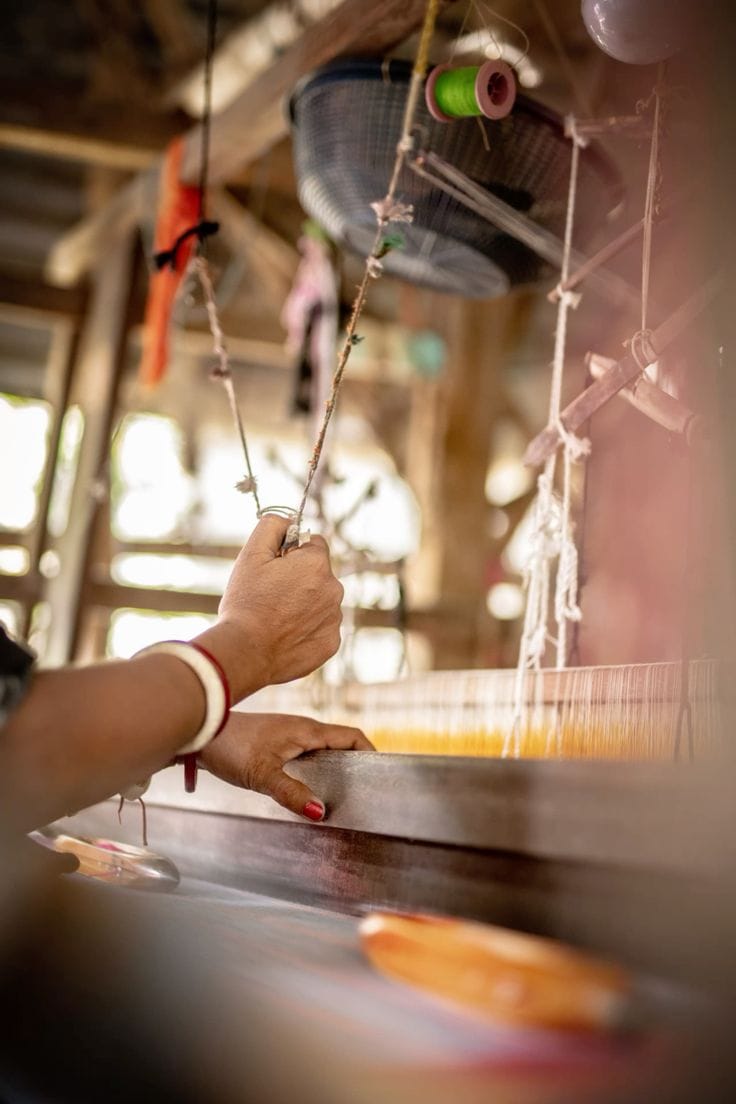
Despite modern challenges from power shortages and machine-made synthetic competition, the magic in the fingers of Bhagalpur’s weavers remains irreplaceable. It stands as a brilliant testament to India’s enduring handloom legacy, making it a proud cultural anchor for the nation. (Image: Pinterest)


