


Why 67% Of Travellers Are Trading ‘Loud Luxury’ For Sweet Silence: Inside 2026’s New ‘Hushpitality’ Trend


Last Updated:
Whether it is meditating by the Ganges in Rishikesh, waking up to mountain views in Dharamshala, or spending quiet days in Uttarkashi, travellers are choosing to pause than rush.




This new travel trend is increasingly referred to as ‘hushpitality’, a desire for peaceful alternatives to chaotic tourist hubs.
Have you ever unpacked your bags after a long vacation only to realize you need another holiday just to recover from it? For decades, the classic vacation formula was simple: pack as many sightseeing spots as possible into a tight itinerary, capture the landmarks, and rush back home. But in a world where digital noise never stops and urban routines rarely slow down, many Indian travelers are beginning to crave a different luxury- the luxury of silence, stillness, and an unhurried pace.
Whether it is meditating by the Ganges in Rishikesh, waking up to mountain views in Dharamshala, or spending quiet days in Uttarkashi, travellers are increasingly choosing destinations that allow them to pause rather than rush. The goal is no longer to tick places off a list, but to return home feeling lighter, calmer, and more connected to self.
This new travel trend is increasingly referred to as ‘hushpitality’, a desire for peaceful alternatives to chaotic tourist hubs.
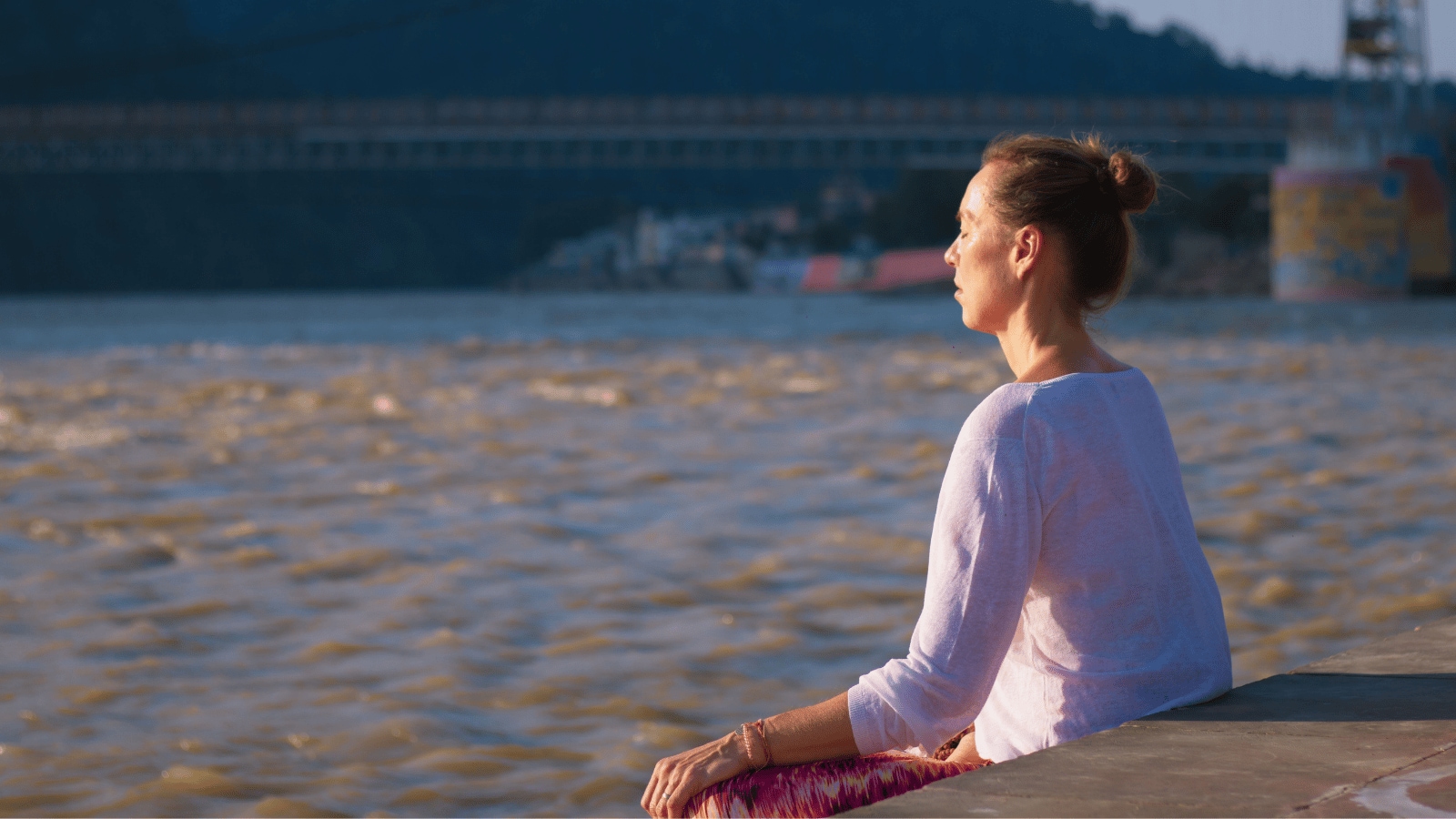
Agoda’s 2026 Travel Outlook report reveals that relaxation is the top motivation for travel among 67% of Indian respondents. This evolving mindset reflects a desire to disconnect from urban chaos, reconnect with nature, and embrace unhurried journeys that offer genuine rejuvenation.
According to Agoda travel data, the following destinations recorded the most number of searches:
Dharamshala
Leading the charge is Dharamshala, which recorded a remarkable 154% year-on-year increase in accommodation searches. Nestled in the scenic Dhauladhar mountain range, this quaint hill town in Himachal Pradesh has long been a magnet for those seeking spiritual solace. Home to the Dalai Lama’s residence and a vibrant Tibetan Buddhist community, Dharamshala offers meditation centers, forest trails, monasteries, and breathtaking views that encourage travelers to slow down and immerse themselves in mindfulness.
The town perfectly embodies the slower travel ethos — mornings spent in peaceful cafes, afternoons exploring gentle hiking paths, and evenings reflecting amid the mountains. Its appeal extends beyond domestic travelers, drawing interest from the United States, Japan, Singapore, Australia, Thailand, and the UAE.
Rishikesh
Close behind is , registering a strong 65% increase in accommodation searches. Famously known as the “Yoga Capital of the World,” this Uttarakhand town along the banks of the holy Ganga River attracts seekers of physical, mental, and spiritual wellness. From ashram stays and yoga retreats to riverside meditation sessions and gentle rafting, Rishikesh delivers an authentic slower-travel experience.
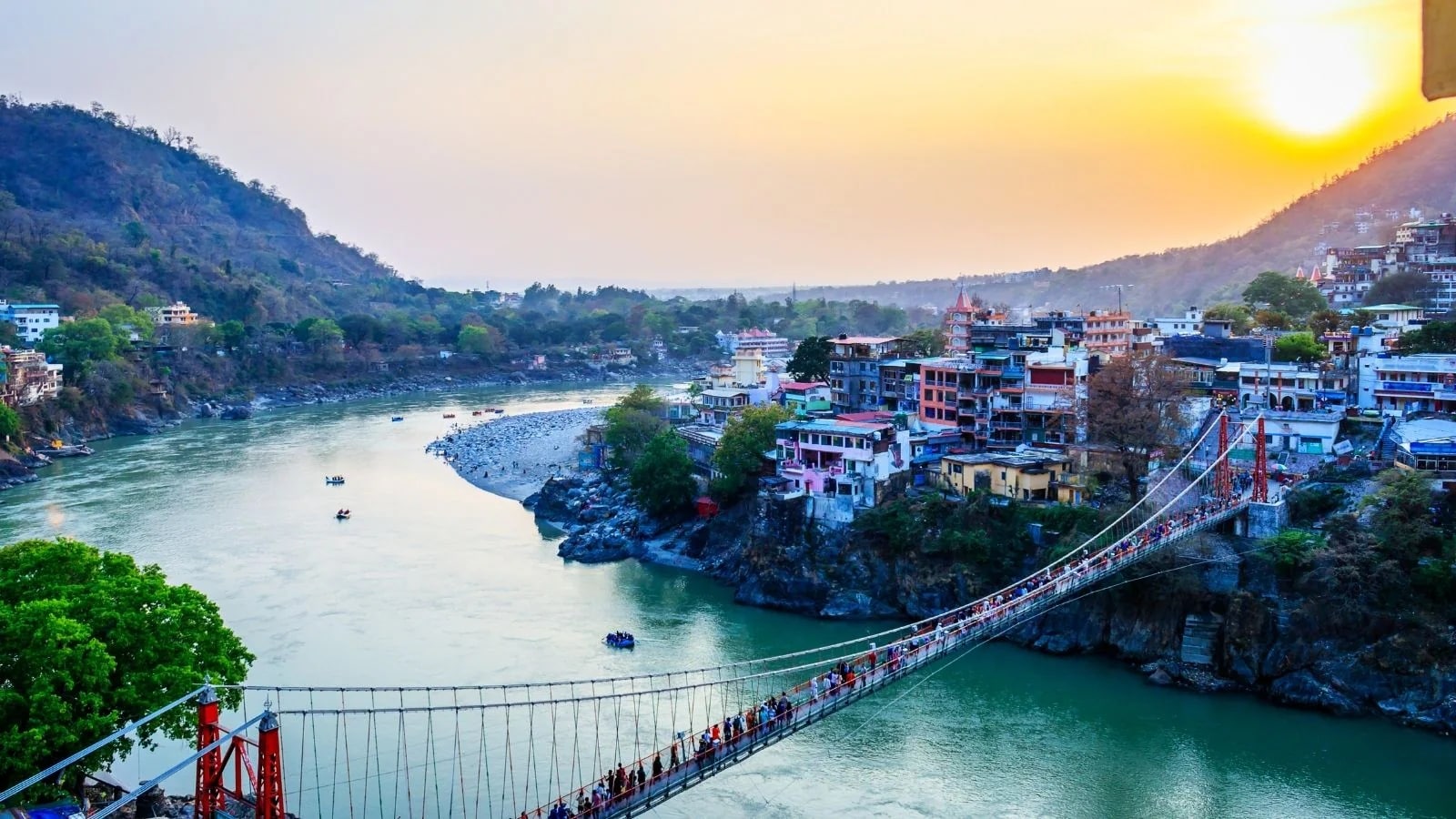
Travelers here often spend days practicing yoga at sunrise, attending spiritual discourses, and exploring nearby waterfalls and temples at their own pace. The destination continues to draw both Indian travelers and international visitors from countries including the US, Japan, and Australia, who are looking for more than just sightseeing.
Uttarkashi
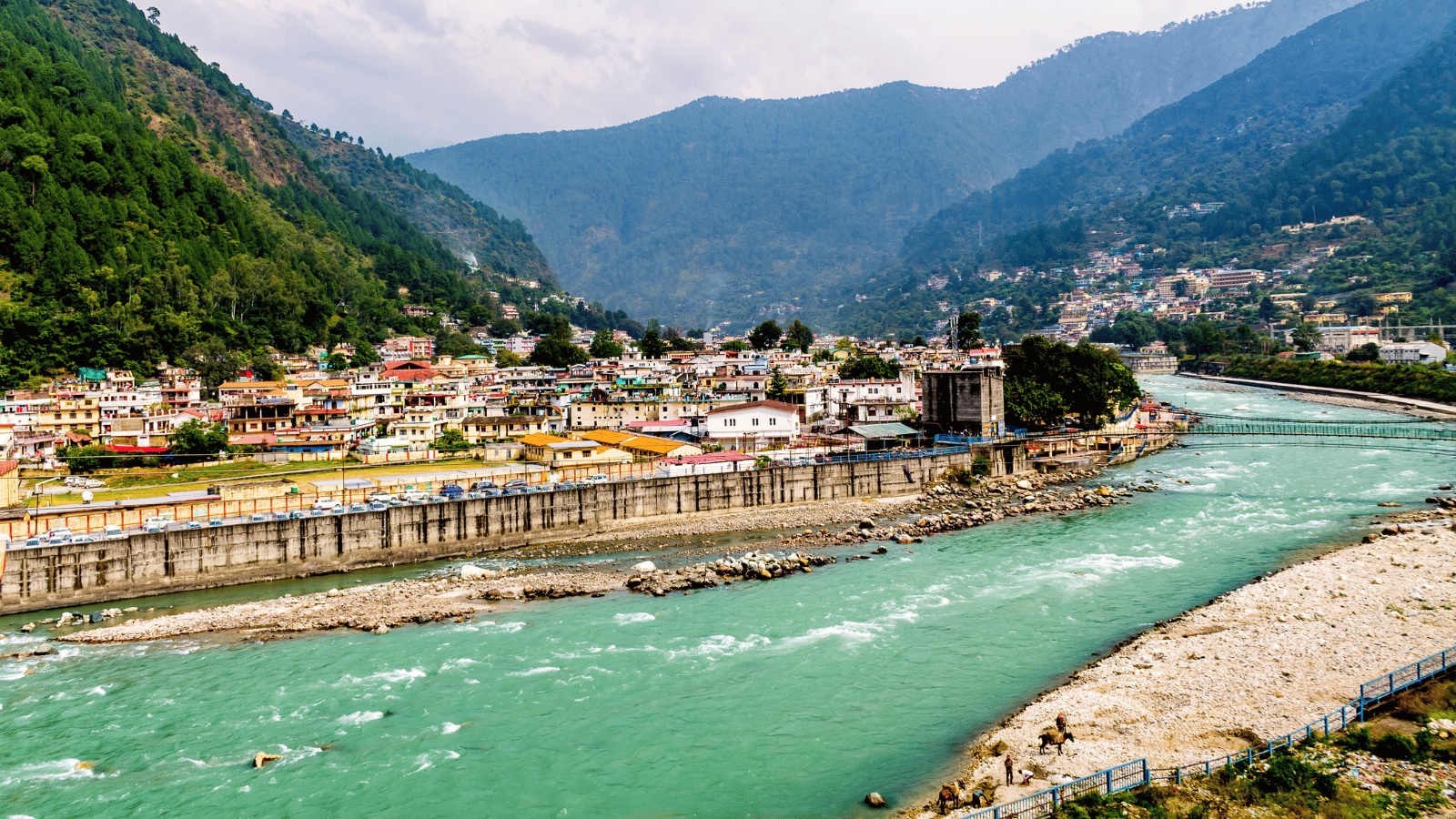
Emerging as a hidden gem is Uttarkashi in Uttarakhand, which saw a 17% year-on-year rise in searches. Far from commercialized tourist circuits, this hill station appeals to those craving an unmediated connection with rugged mountain terrain. Visitors can trek through pristine landscapes, visit ancient temples, and experience the raw beauty of the Himalayas without the crowds.
International interest in Uttarkashi comes from South Korea, Indonesia, Malaysia, Taiwan, and Nepal, highlighting its growing global reputation among adventure seekers who prefer mindful, deliberate travel over packed schedules.
Why Indians Are Choosing Slower Travel?
Gaurav Malik, Country Director, Indian Subcontinent & Indian Ocean Islands at Agoda, explains the trend, “Indian travelers are increasingly looking for holidays that allow them to slow down and disconnect from the pace of everyday urban life. Destinations such as Dharamshala, Rishikesh, and Uttarkashi are attracting interest because they offer a different kind of travel experience centered on time, space and simplicity.”
This shift marks a significant evolution in Indian travel preferences. Instead of ticking off bucket-list destinations at breakneck speed, more people are seeking meaningful connections — with nature, culture, and themselves. Slower travel allows for deeper immersion, reduced stress, and lasting memories.
How To Plan Your Hushpitality Escape In 2026?
Planning a ‘hushpitality’ escape in 2026 begins with intention. Choose destinations that invite stillness over spectacle, think Kasol’ misty forests, Varanasi’s sacred riverbanks, or Uttarkashi’s rugged Himalayan trails.
Prioritise off-peak months like March-April or September-October for fewer crowds and pleasant weather.
Focus on slow itineraries: dedicate days to yoga sessions, meditative walks, monastery visits, experiences or simply reading by a window with mountain views.
You can book stays with natural surroundings — cottages, ashrams, or eco-lodges and leave space for unstructured time. Make sure to pack light- comfortable clothing, a journal, and minimal gadgets for a true digital detox. The goal? Return restored, not exhausted. In 2026, the most luxurious travel may just be learning to slow down.


