


Did You Know? 10 Animals That Thrive During India’s Monsoon Season


Peacocks Dance Before the Rain: The Indian peafowl, India’s national bird, is famous for its spectacular dance during the monsoon. The display is part of its courtship ritual, as the rainy season marks the beginning of breeding. (File Photo)
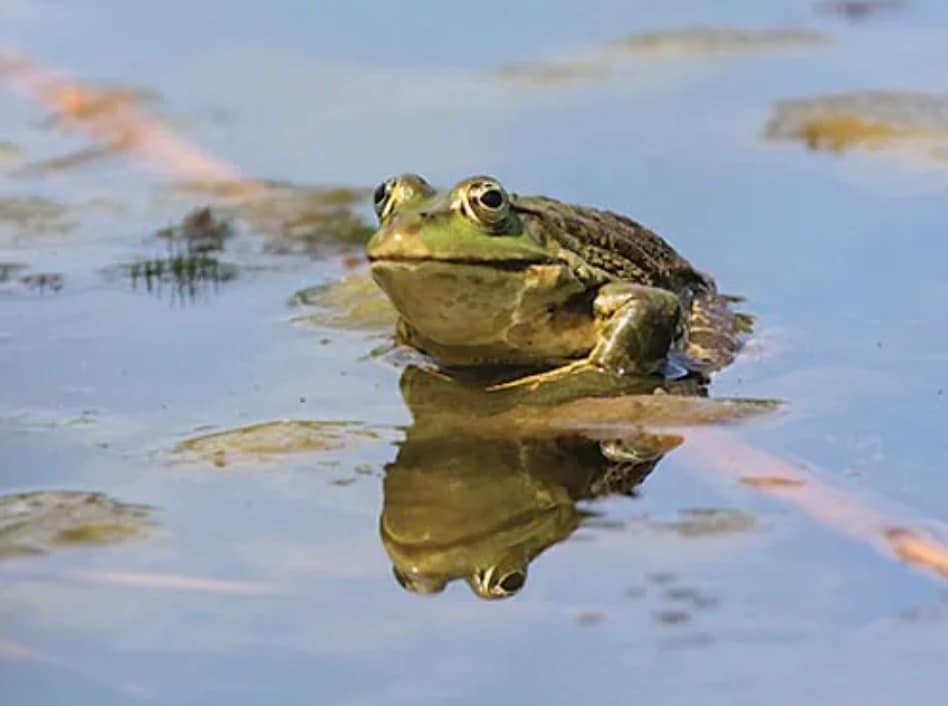
Frogs Become More Active: The first showers awaken frogs across India. They gather near ponds and paddy fields, where males croak loudly to attract mates and begin breeding.
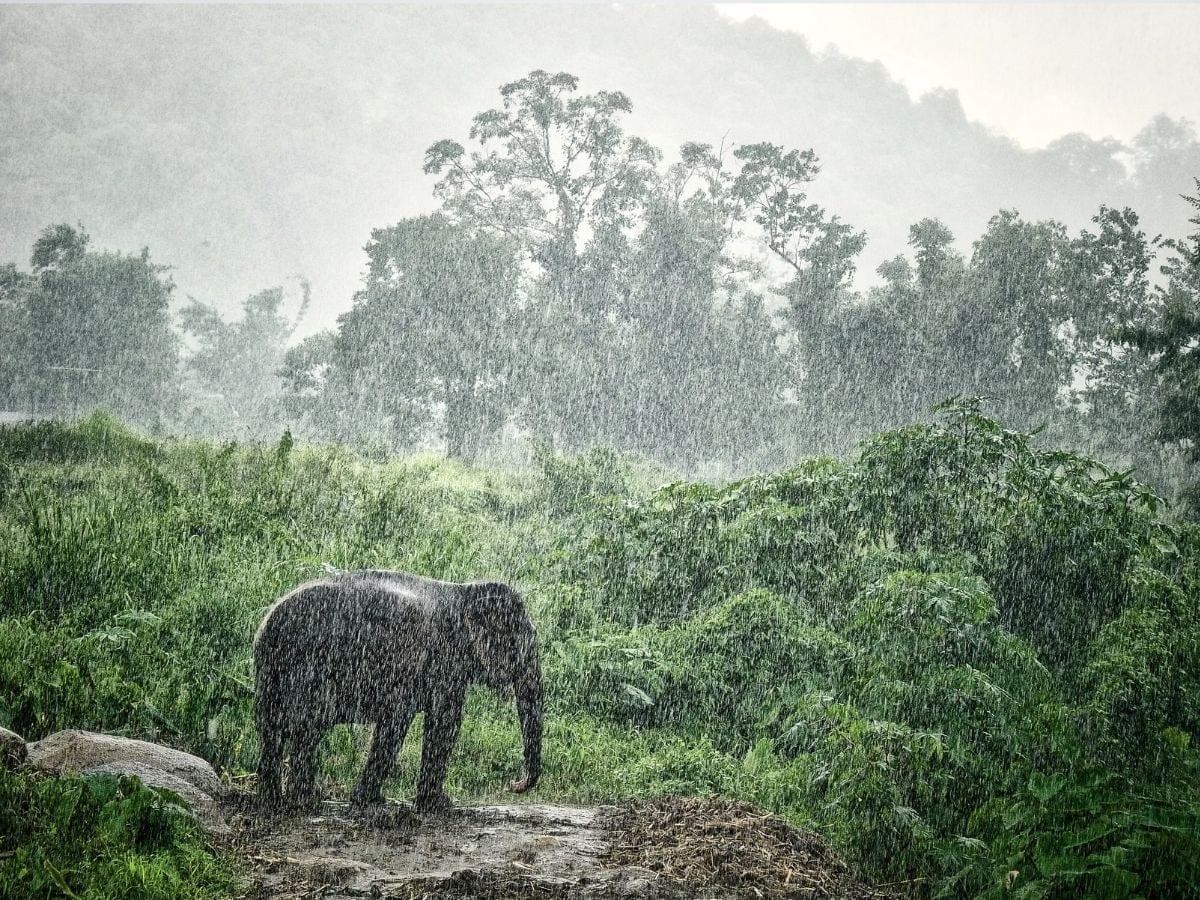
Elephants Love Cooling Off: Wild Asian elephants enjoy the cooler temperatures brought by the monsoon. They often splash in rivers, wallow in muddy pools and graze on fresh vegetation that flourishes after rainfall.
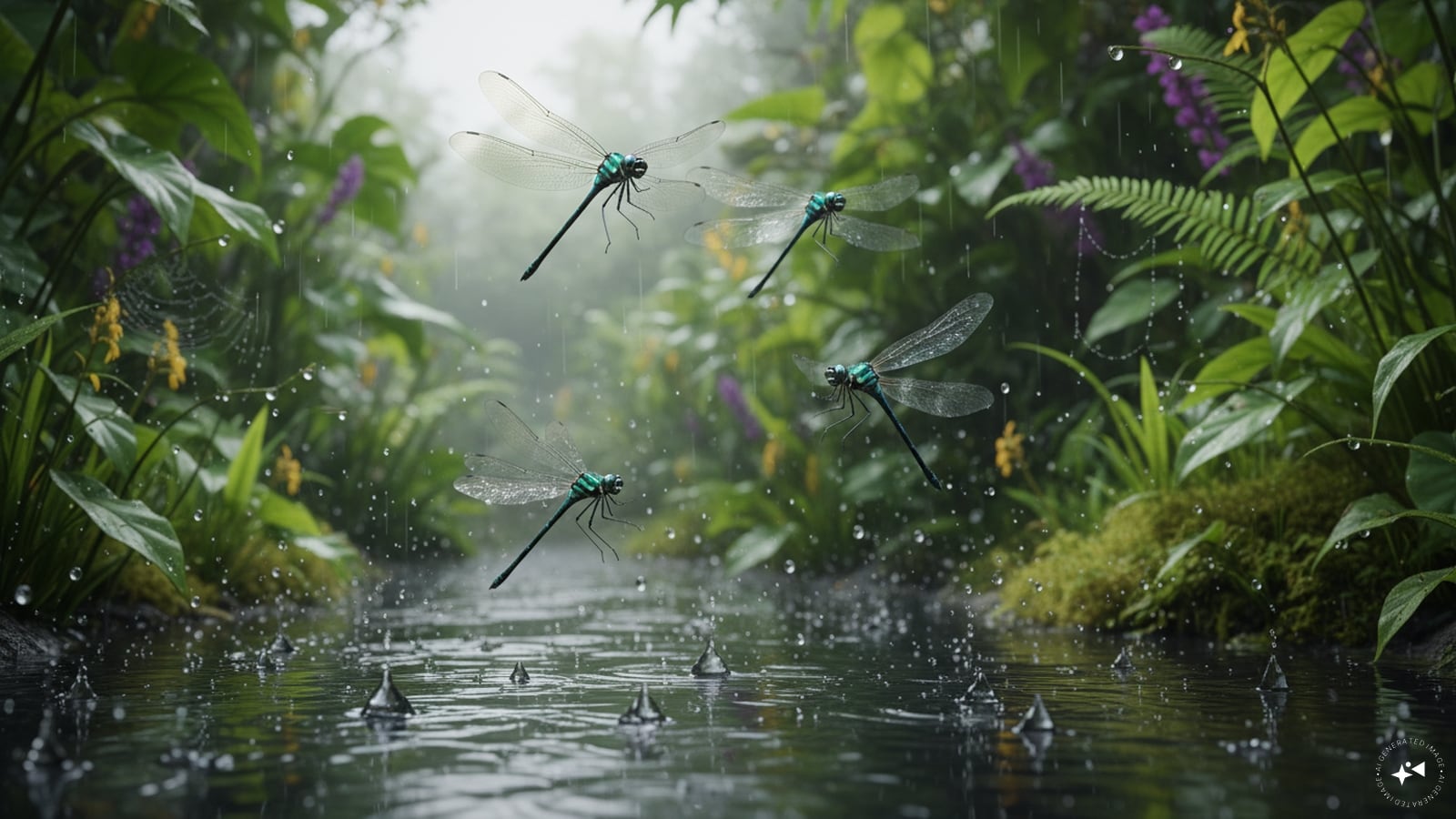
Dragonflies Fill the Sky: Dragonflies become abundant during the rainy season because they breed in freshwater. They also help control mosquito populations by feeding on insects.
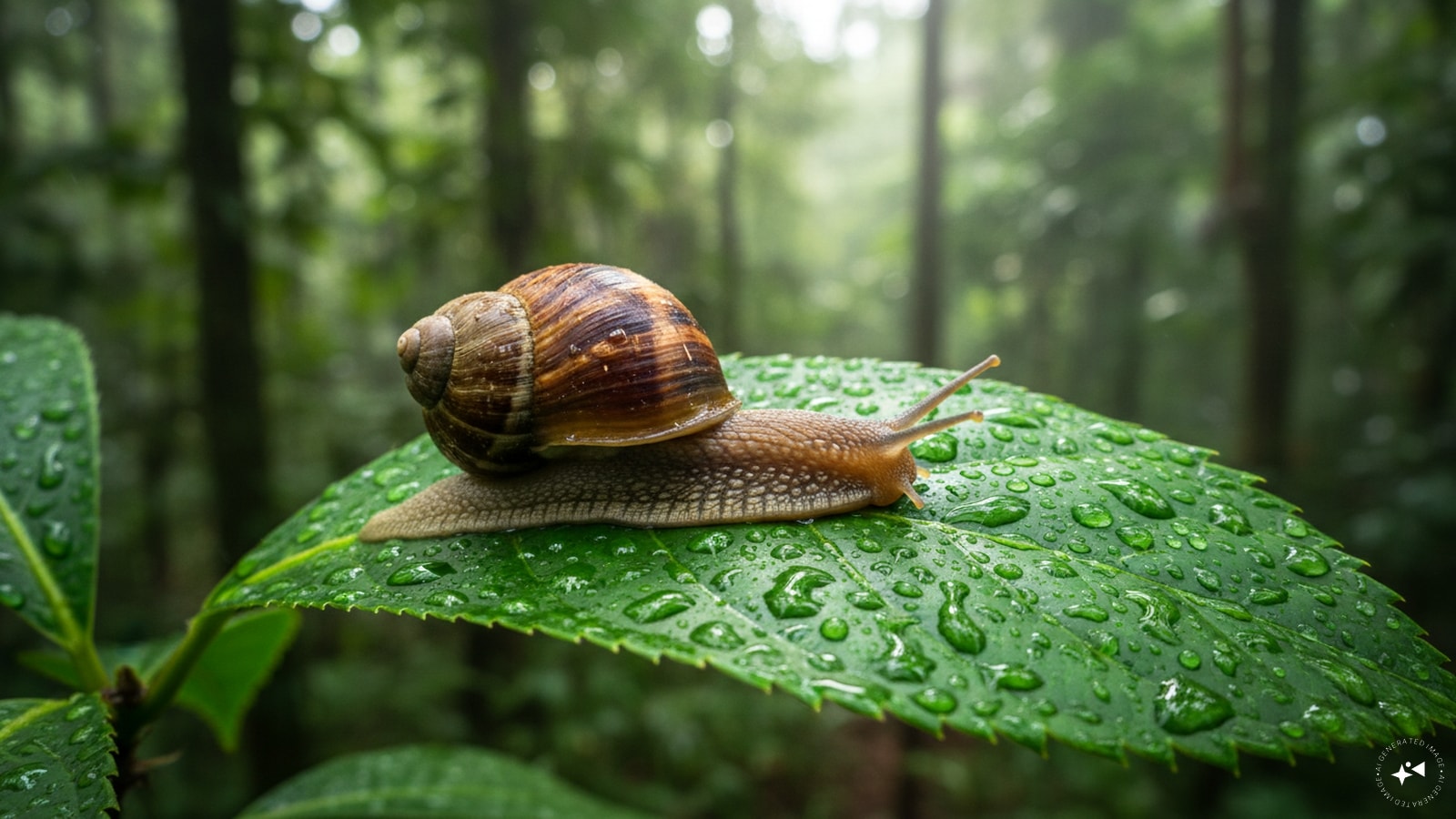
Snails and Slugs Thrive: The moist weather provides ideal conditions for snails and slugs. They emerge after rainfall to feed on leaves, fungi and decaying organic matter.
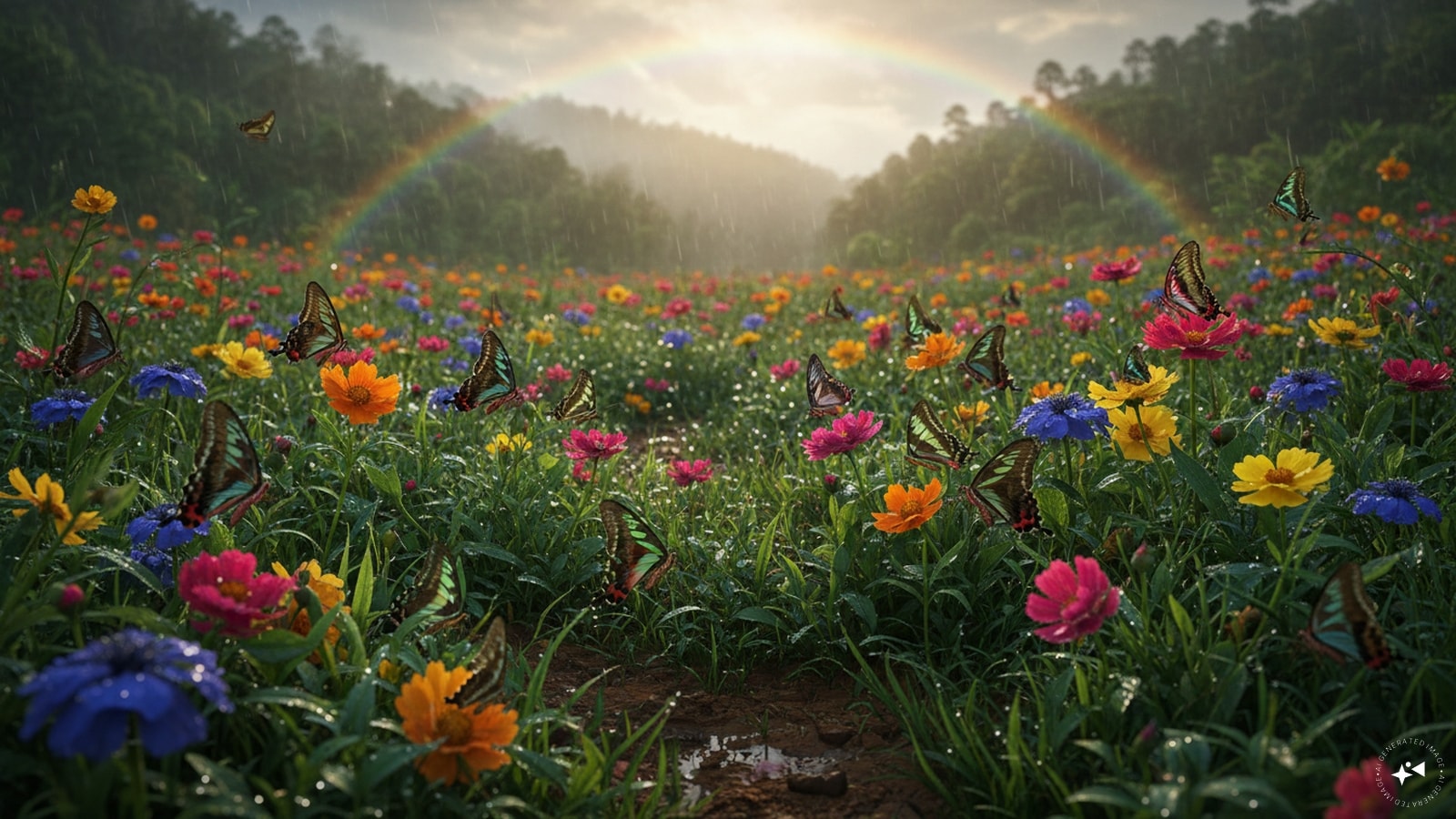
Butterflies Return in Large Numbers: Many butterfly species become more active after the rains as flowering plants bloom and nectar becomes readily available across forests and gardens.
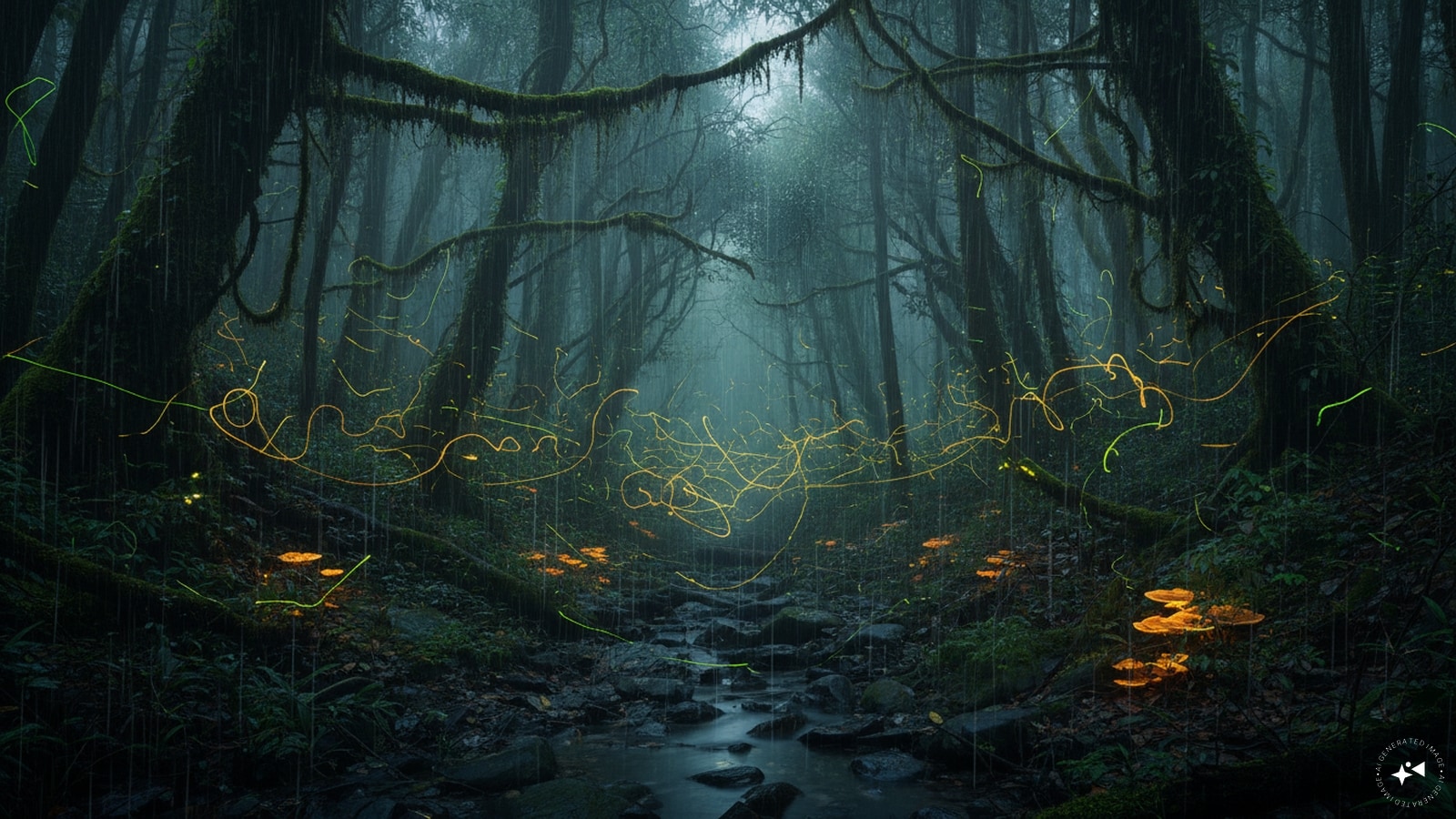
Fireflies Light Up Rainy Nights: Monsoon evenings often bring spectacular displays of fireflies in forests and rural areas. Their glowing lights help attract mates during the breeding season.
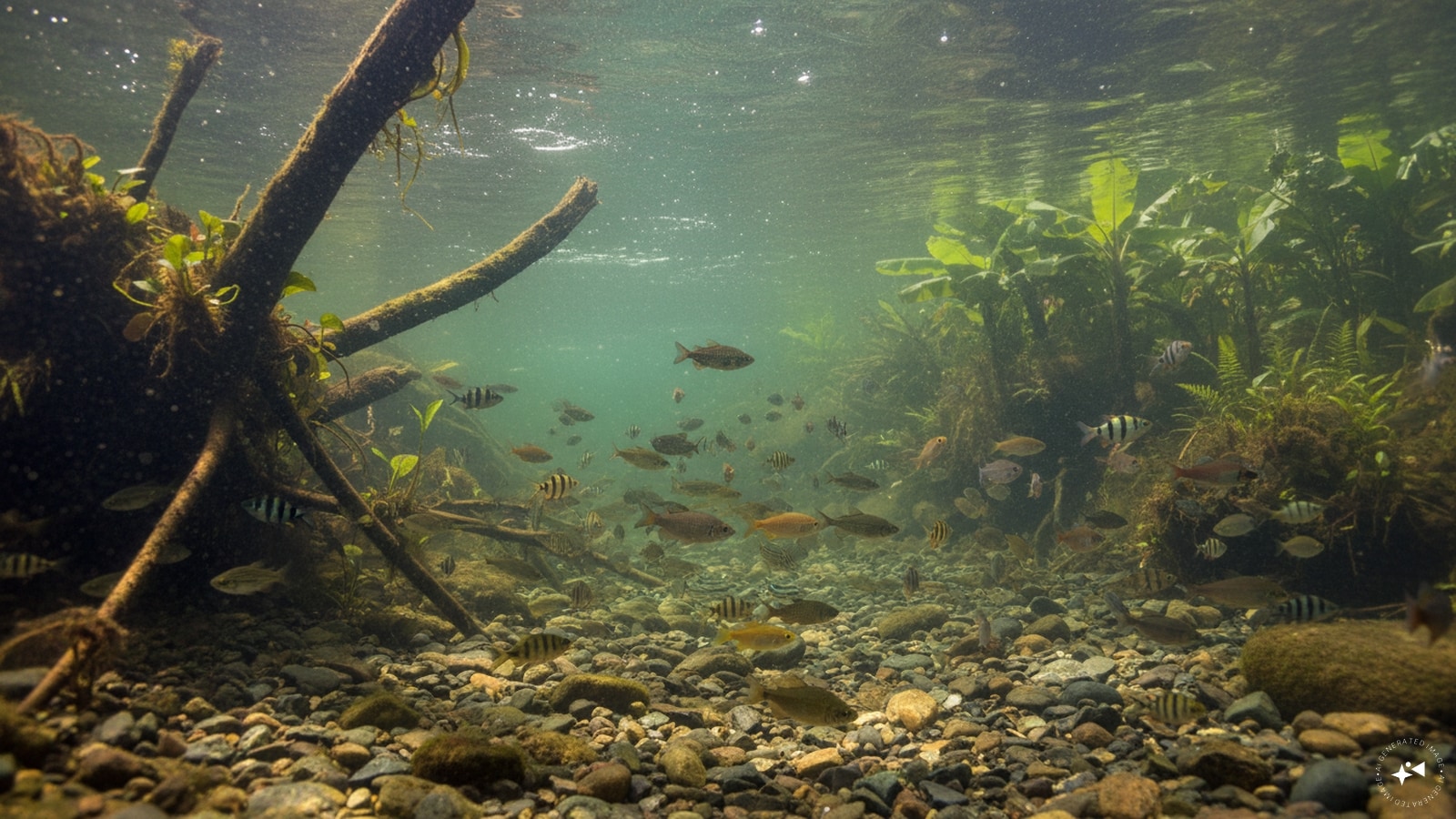
Freshwater Fish Begin Spawning: Many freshwater fish species use the monsoon season to migrate and spawn. Rising water levels create new breeding grounds in rivers, streams and floodplains.
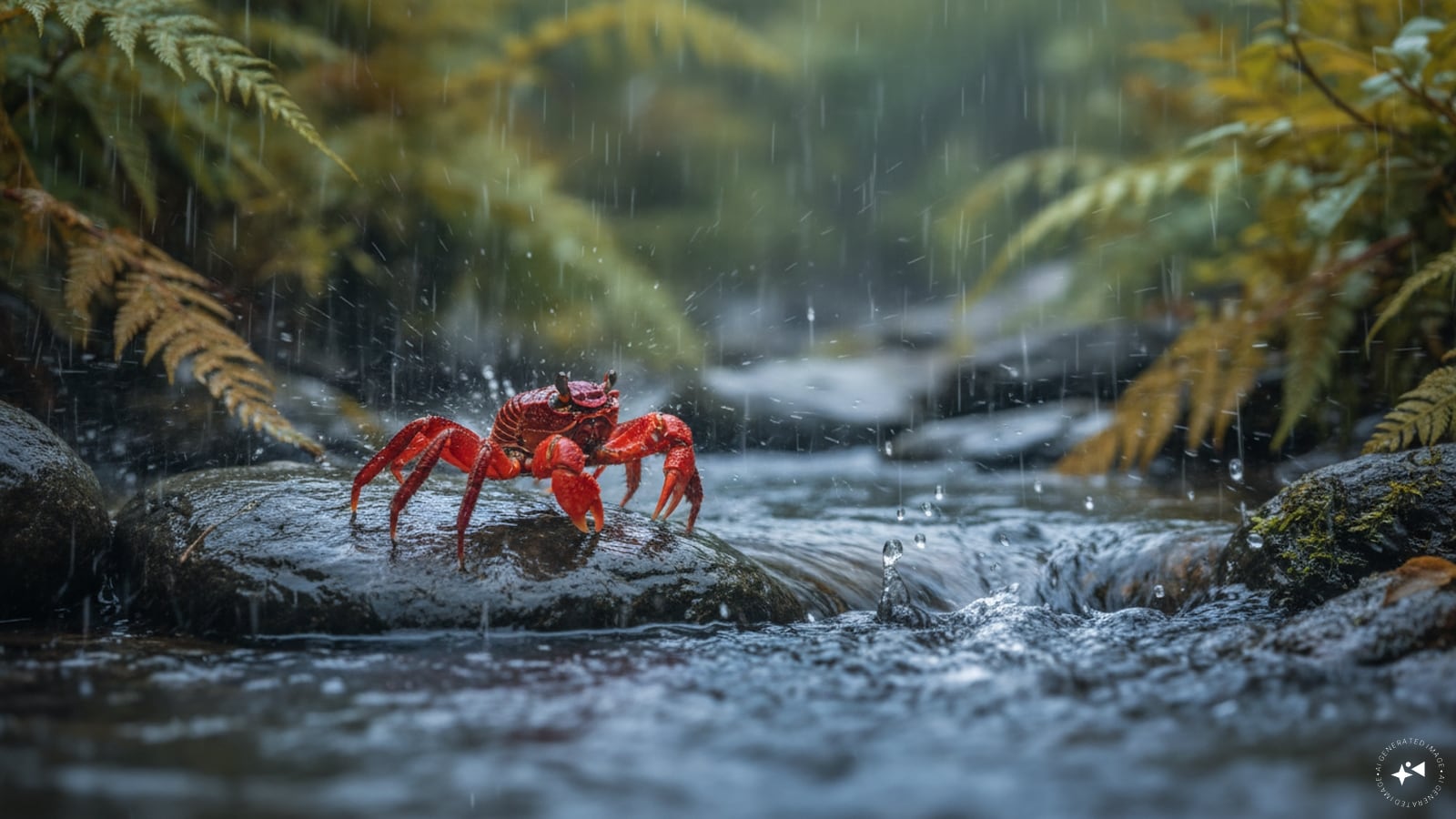
Crabs Venture Out: During the rainy season, freshwater and land crabs become much more active. They emerge from their burrows to feed, breed and move to new habitats.
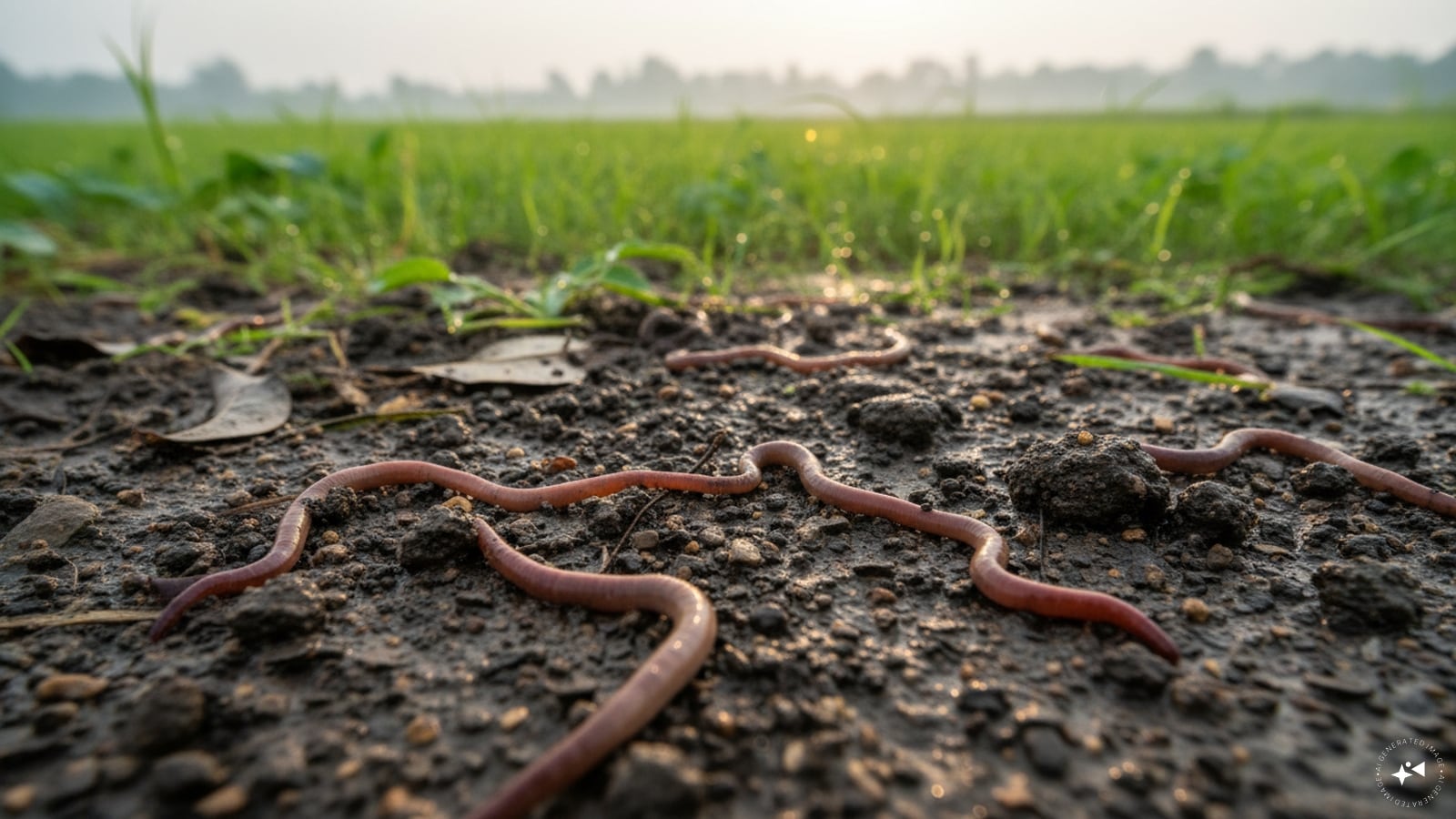
Earthworms Enrich the Soil: Monsoon rain softens the soil, allowing earthworms to surface more easily. Their burrowing improves soil aeration and fertility, making them essential for healthy ecosystems and agriculture.


