


Does your child sleep with an open mouth? Here’s what it could mean and when parents should be concerned


Many parents have noticed their child sleeping with their mouth open. This habit is often brushed off as a cute and quirky habit. While occasional mouth breathing due to cold or allergies is harmless, persistent mouth breathing during sleep can sometimes be an early sign that a child is not breathing optimally. It may even indicate an unlying issue.
Why do some children sleep with their mouths open
When a person breathes from the nose, the air goes through a process before reaching the lungs. Our nose filters and warms the air before letting air reach our lungs. On the other hans, when the nasal passage is blocked due to some reason, the airway gets restricted. This way many people/children start breathing with their mouth when they are asleep.
6 Jul 2026 | 14:01
What factors did you consider, or would consider, before choosing the right school for your child?
In many cases, parents may not realize there is a problem because the child appears to be sleeping through the night.
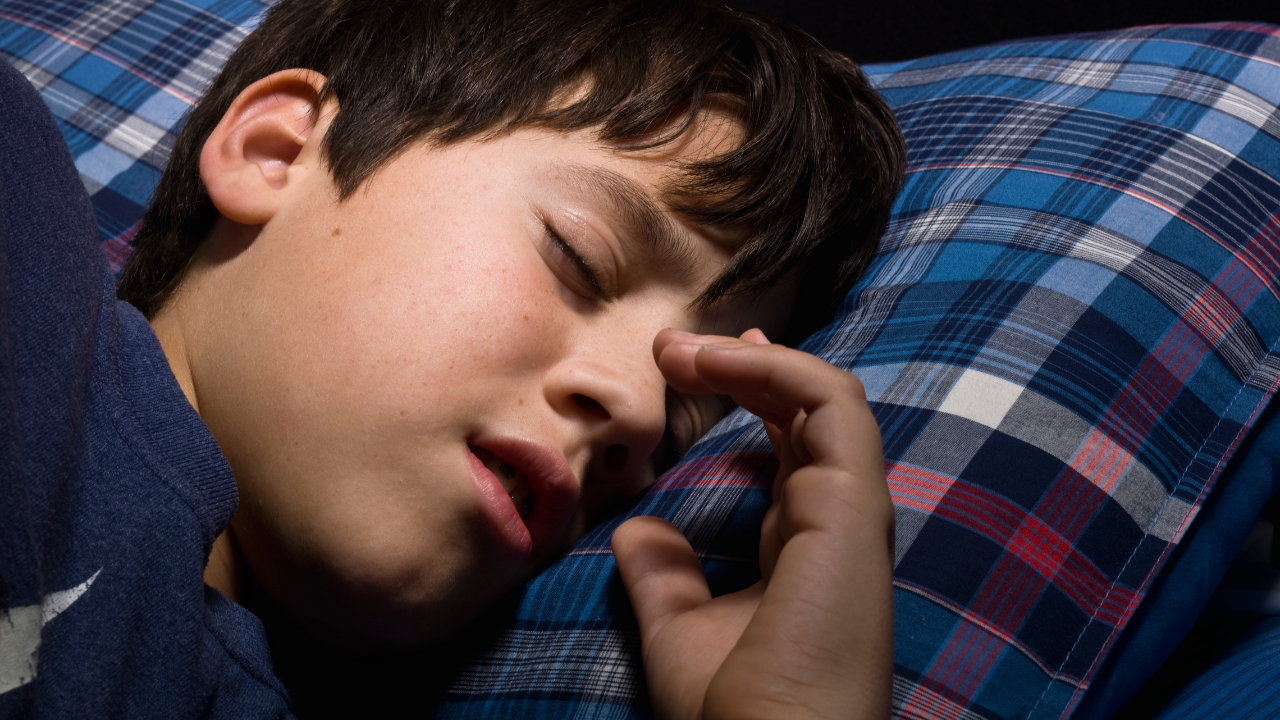
Photo: Canva
Why mouth breathing during sleep is a red flag
It’s not just an issue about not breathing with the nose, it may be happening due to a specific reason- the airway may be restricted or the tongue tends to rest lower in the mouth instead of pressing gently against the roof of the palate.This may lead to consequences over time: Sleep may become less restorative Struggling to breathe properly will have a direct impact on the quality of sleep of a child- it may lead to fragmented sleep. When a child wakes up multiple times during their sleep, they won’t be able to reach the most restorative stages of sleep. Oxygen delivery may become less efficientNasal breathing promotes efficient airflow in children. It supports healthy O2 and CO2 balance in the body. On the other hand, sleep-disordered breathing can affect cardiovascular health, growth, and cognitive functioning if left untreated, notes the American Academy of Pediatrics.
Mouth breathing also has a link with facial development
This is one of the most overlooked effects of chronic mouth breathing in children. Research has shown that chronic mouth breathing can influence craniofacial growth patterns and dental development. Thus, mouth breathing can lead to- narrow upper jaw, misaligned teeth or dental crowding, and changes in facial structure.
Could mouth breathing affect a child’s behavior and learning?
The short answer is yes. Parents are often surprised to learn that breathing issues during sleep can sometimes show up as behavioral problems during the day. Studies have found that sleep-disordered breathing in children was associated with behavioral and neurocognitive difficulties. A child who doesn’t get proper restorative sleep often appears hyperactive, irritable, tired, and easily distracted.
What parents can do about it
The best thing parents can do is seek professional help. A pediatrician may assess the root cause of the problem. Other than seeking medical help, parents can also support healthy breathing habits by monitoring sleep quality, checking snoring, keeping the bedroom free of collagens, and encouraging good hydration. The good news is that many airway and breathing issues can be identified and managed early. For parents, simply noticing how a child breathes while sleeping may be the first step toward protecting their long-term health and development.


