


&w=425&resize=425,283&ssl=1 "Corneal Blindness in India: A Preventable Crisis Demanding Urgent Action")

World health day 2026: ILBS promotes health with walkathon and community events


World Health Day 2026: To raise awareness about important global health issues and encourage people to prioritise their well-being, World Health Day is observed every year on April 7. The day marks the anniversary of the founding of the World Health Organization (WHO) in 1948, which works to promote health. With the theme “Together for health. Stand with science”, this year’s celebration marks the beginning of a year-long campaign that highlights how scientific collaboration helps safeguard the health of humans, animals, plants, and the environment.
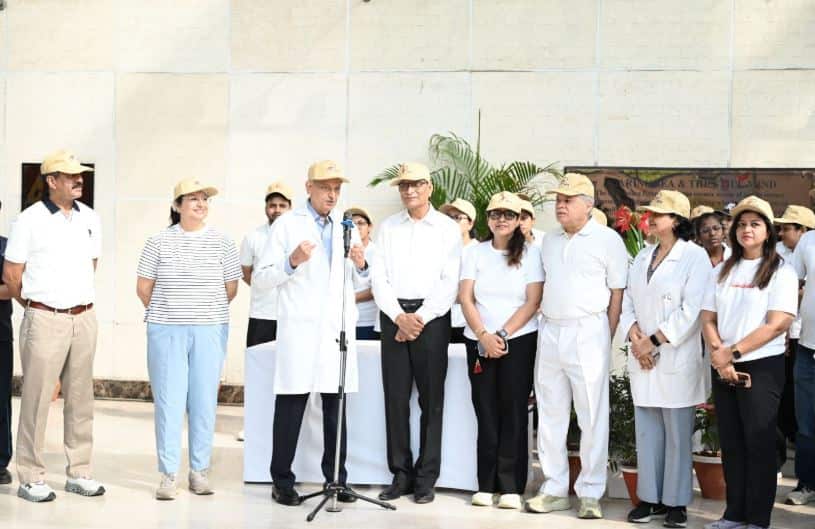
Marking the occasion, the Institute of Liver and Biliary Sciences (ILBS) conducted a series of high-energy events designed to promote healthy living and scientific awareness. Aligning with the global theme, the celebrations brought together faculty, staff, students, and patients to advocate for proactive public health.
The day commenced at 9 am at the Phase 2 Atrium with a Walkathon. Faculty and staff, joined by their families, participated in the walk, which covered a route through the local community, including Bhawani Kunj and Sectors D1 and D2. The walkathon served as a literal “step” toward the event’s primary aim: Raising awareness for active lifestyles as a tool for disease prevention.
Following the walk, participants gathered for healthy refreshments, including detox water, emphasising the role of nutrition in liver health.
Science Meets Performance: Addressing the Fatty Liver Epidemic
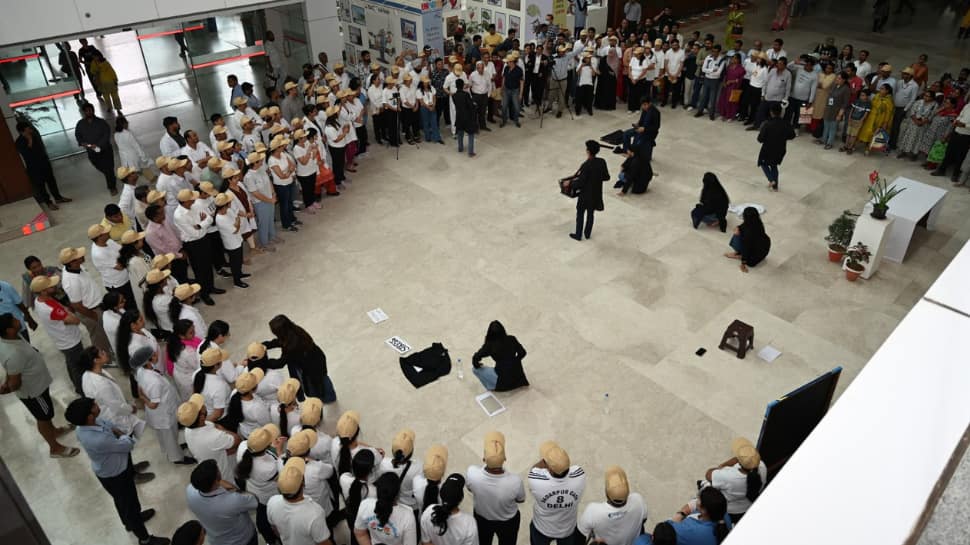
A key highlight of the morning was a Nukkad Natak (Street Play) performed by students from Maulana Azad Medical College (MAMC). Titled “Fatty Liver: Naya Zamane Ki Bimari” (Fatty Liver: The Disease of the New Era), the play creatively illustrated the dangers of the modern “lifestyle epidemic”.
The event focused on several critical health factors:
1. Sedentary Habits: The risks associated with a lack of physical movement.
2. Dietary Choices: The impact of junk food on metabolic health.
3. Chronic Conditions: How obesity and diabetes are direct pathways to fatty liver disease.
Small and science-backed lifestyle changes can reverse liver damage was the core message of the play. It resonated with the audience and underscored the event’s commitment to evidence-based health.
Direct Community Engagement
The celebrations concluded with an interactive session where ILBS experts engaged directly with patients and their attendees. This dialogue allowed for the translation of complex scientific concepts into actionable health advice, ensuring that the spirit of World Health Day reached those currently navigating health challenges.
“Today’s event was about more than just celebration; it was about linking with the community for health,” said Dr S K Sarin, Director ILBS. “By standing with science and making healthy choices together, we can combat the rising tide of lifestyle-related diseases.”
(This article is meant for informational purposes only and must not be considered a substitute for advice provided by qualified medical professionals.)


