


.png?trim=0,0,0,0&width=1200&height=800&crop=1200:800&w=425&resize=425,283&ssl=1 "British households face rising food insecurity amid Middle East crisis")


10 Exotic Winter Fruits To Add On Your Plate


Exploring exotic winter fruits not only introduces sophisticated textures and complex flavour profiles—ranging from honey-like sweetness to sharp, zesty tangs—but also provides a powerful seasonal boost of antioxidants and essential vitamins to support health during the shorter, darker days.
Persimmon: Originating from East Asia, these tomato-coloured beauties are winter essentials. The Fuyu variety is crisp like an apple and can be eaten firm, while the Hachiya must be jelly-soft to avoid bitterness, offering a rich, honeyed, almost spicy flavor profile. (Image: AI-generated)
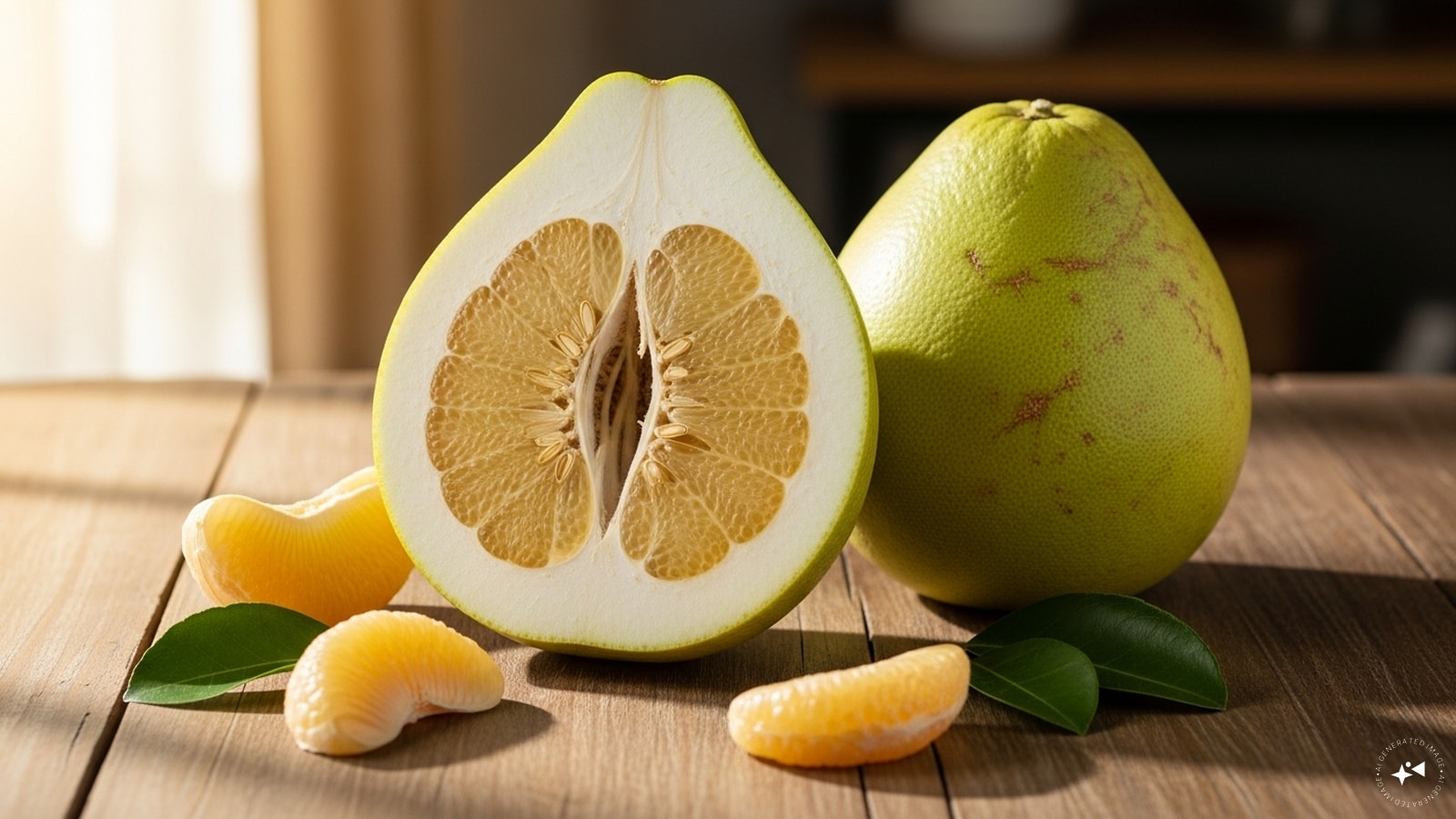
Pomelo: The largest of all citrus fruits, the pomelo is native to Southeast Asia. Unlike grapefruit, it has a thick, pithy rind and sweet, floral segments that lack intense bitterness. It is prized for its refreshing crunch and massive Vitamin C content. (Image: AI-generated)
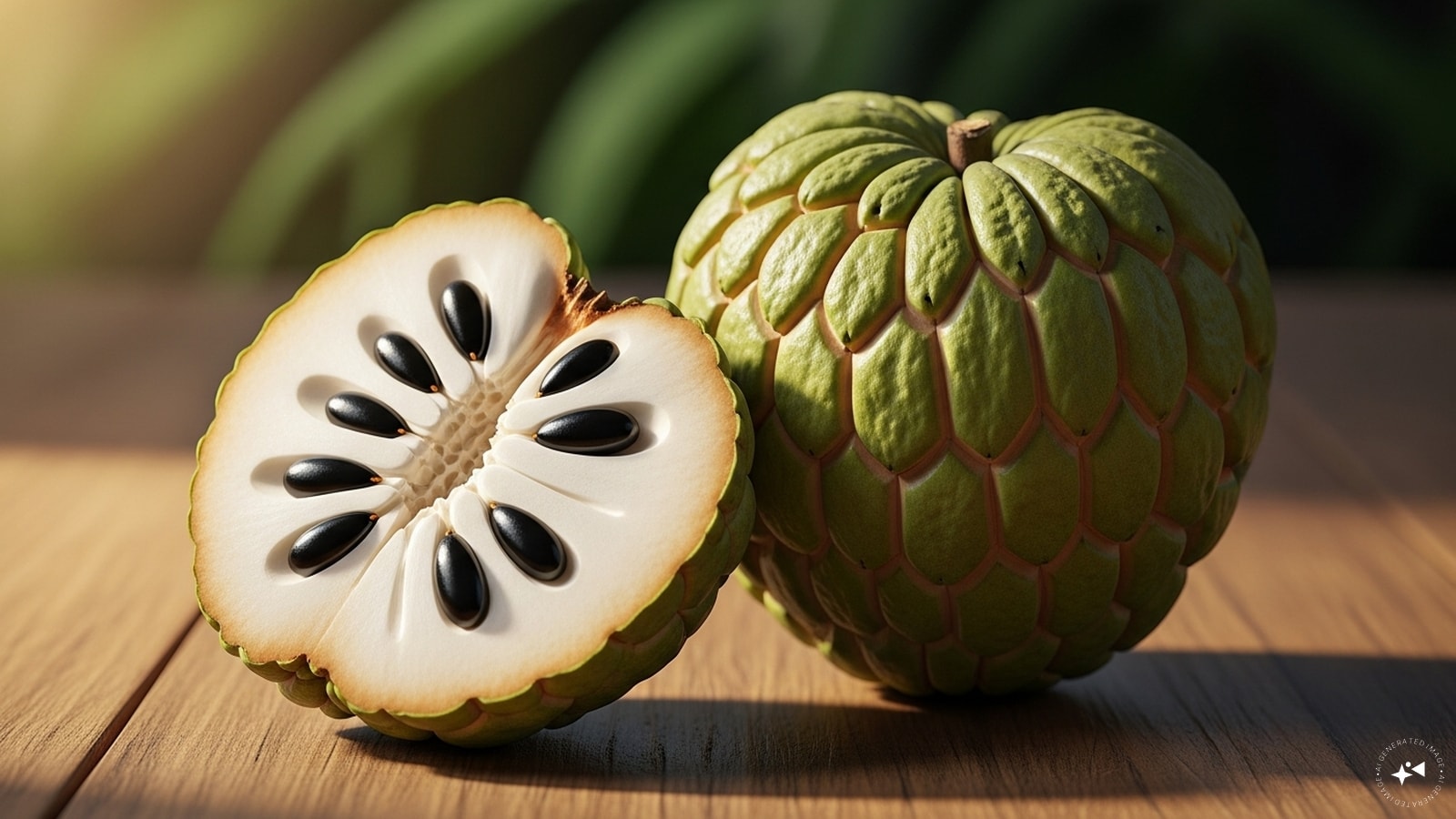
Cherimoya: Often called “nature’s ice cream,” this green, scaly fruit thrives in cool, high-altitude tropical climates. Its white, creamy flesh tastes like a decadent blend of pineapple, banana, and strawberry, making it a favourite for winter desserts and healthy smoothies. (Image: AI-generated)
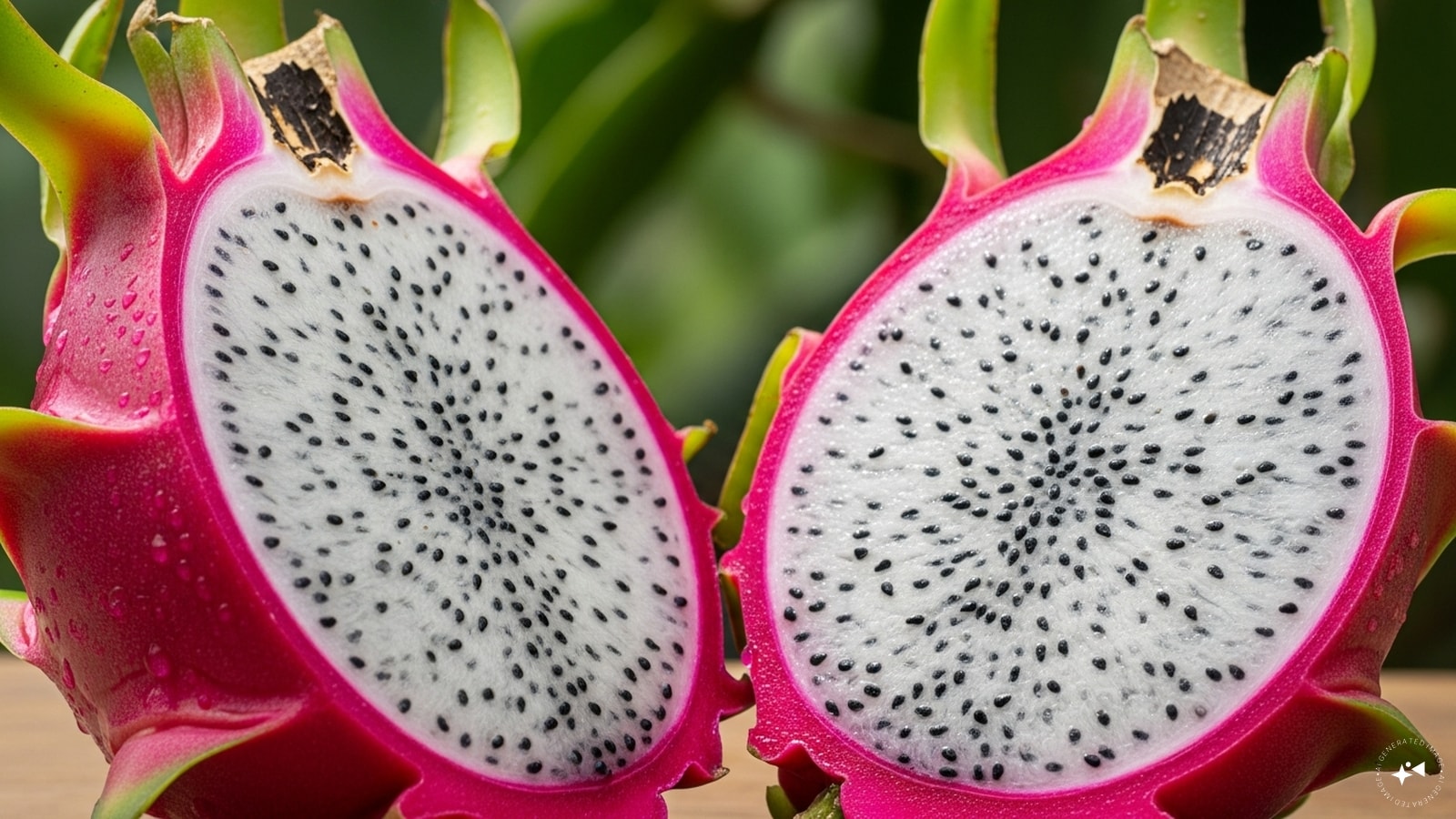
Dragon Fruit: While tropical in origin, dragon fruit is a striking winter find in many global markets. With its neon pink skin and speckled white or red flesh, it offers a mild, refreshing sweetness similar to a cross between a kiwi and a pear. (Image: AI-generated)
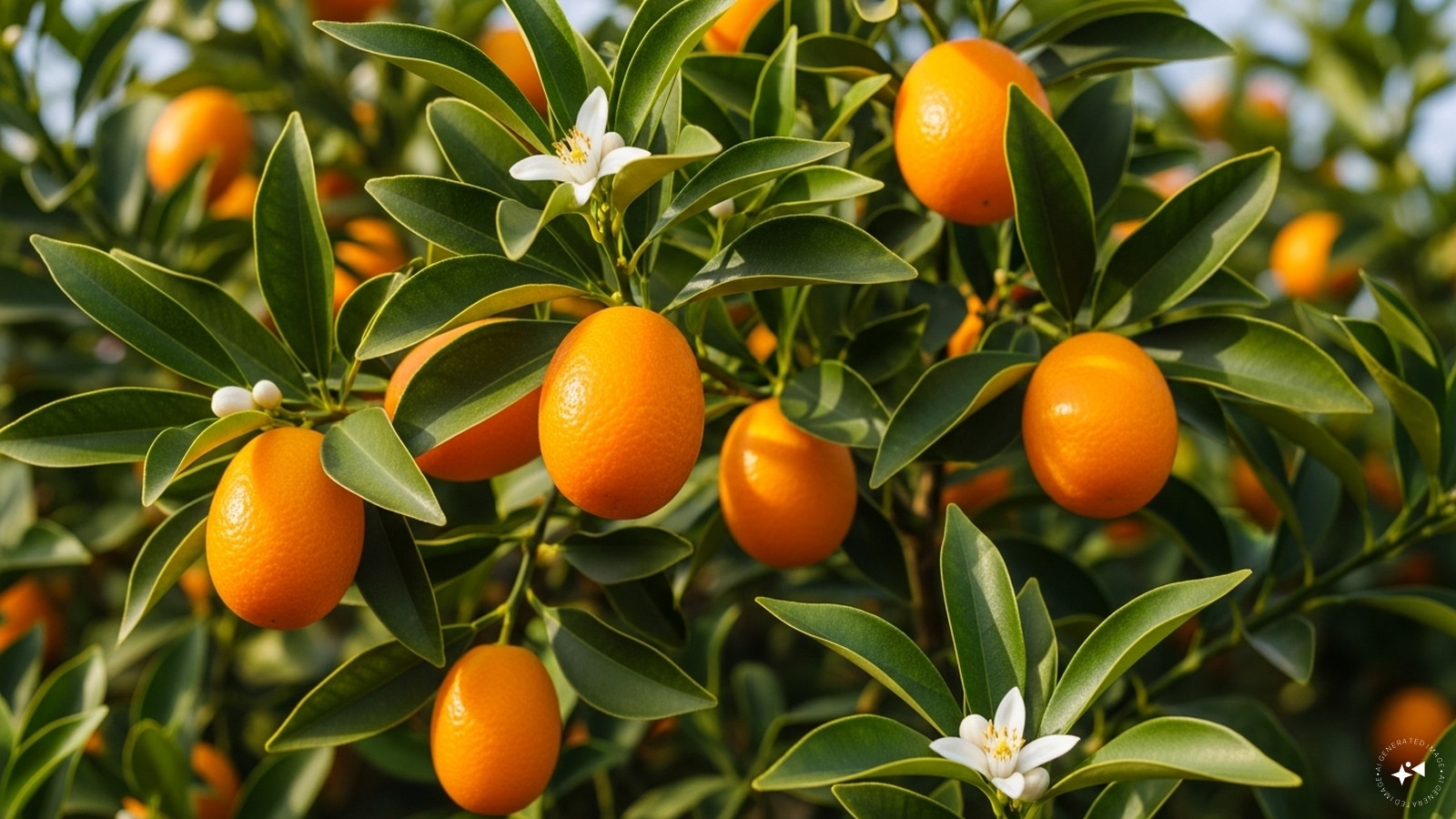
Kumquat: These tiny, oval citrus fruits are unique because you eat them whole—skin and all. The peel is surprisingly sweet, while the inner flesh is sharp and tart, creating a sophisticated “flavour explosion” that works beautifully in winter salads or marmalades. (Image: AI-generated)
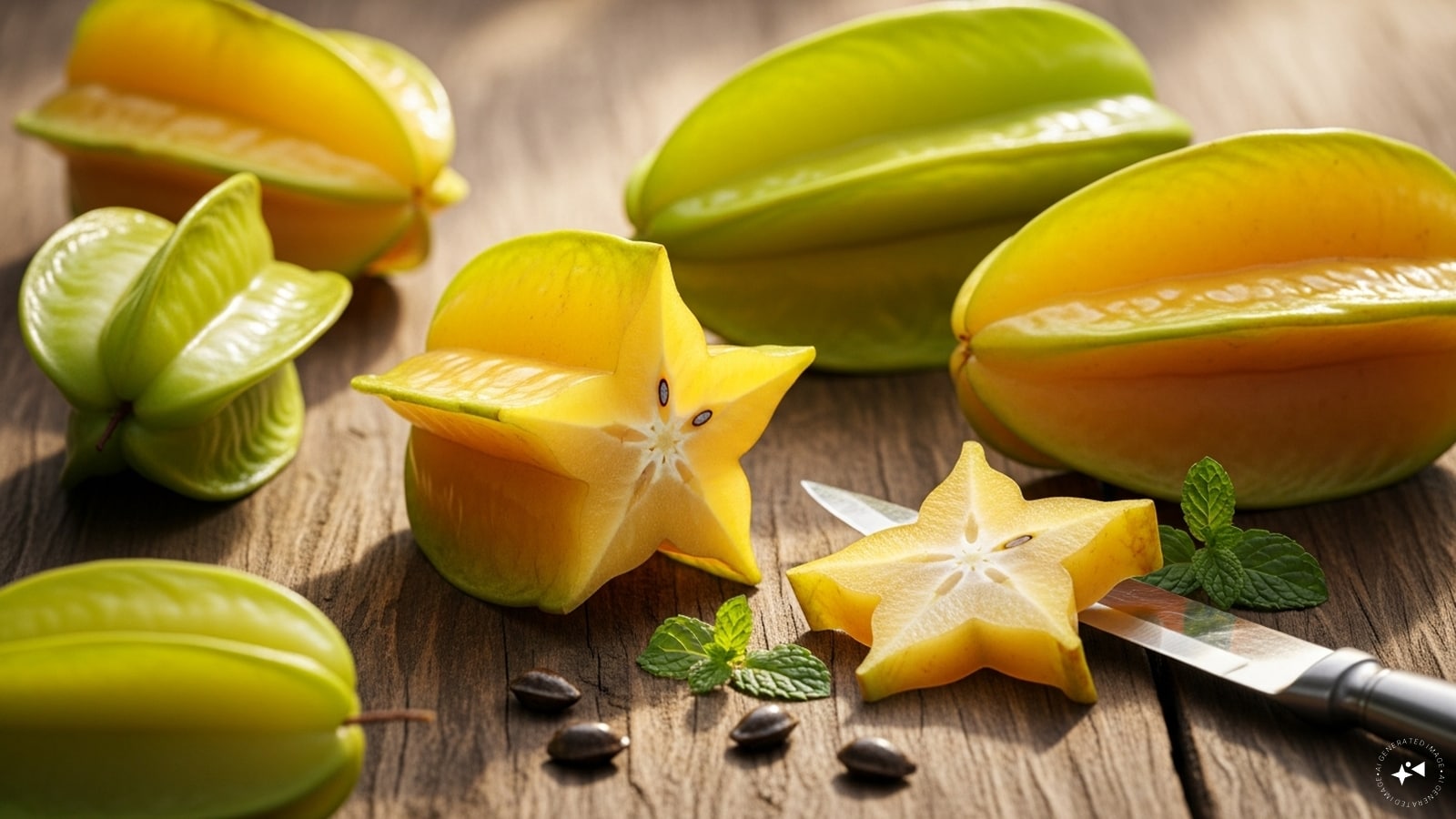
Star Fruit: When sliced crosswise, this waxy, yellow fruit reveals a perfect five-pointed star. It is crisp and incredibly juicy, featuring a light, citrusy flavour with hints of green apple. It is often used as a dramatic, edible garnish for festive winter platters. (Image: AI-generated)
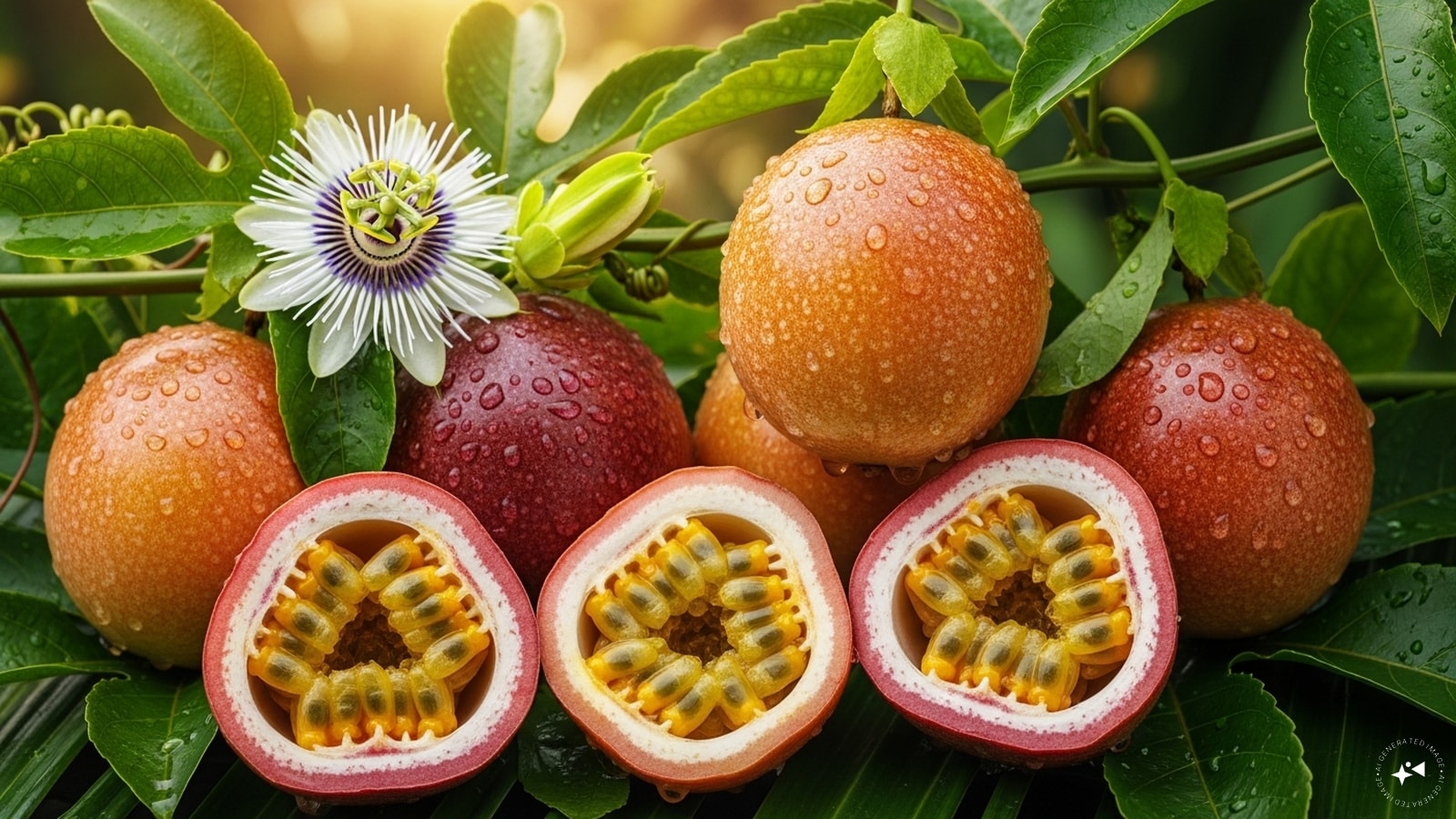
Passion Fruit: Encased in a wrinkled purple or yellow rind, the aromatic seeds and jelly-like pulp of the passion fruit are intensely flavourful. Its sharp, tropical acidity provides a perfect contrast to the heavy, savoury comfort foods typically consumed during the winter months. (Image: AI-generated)
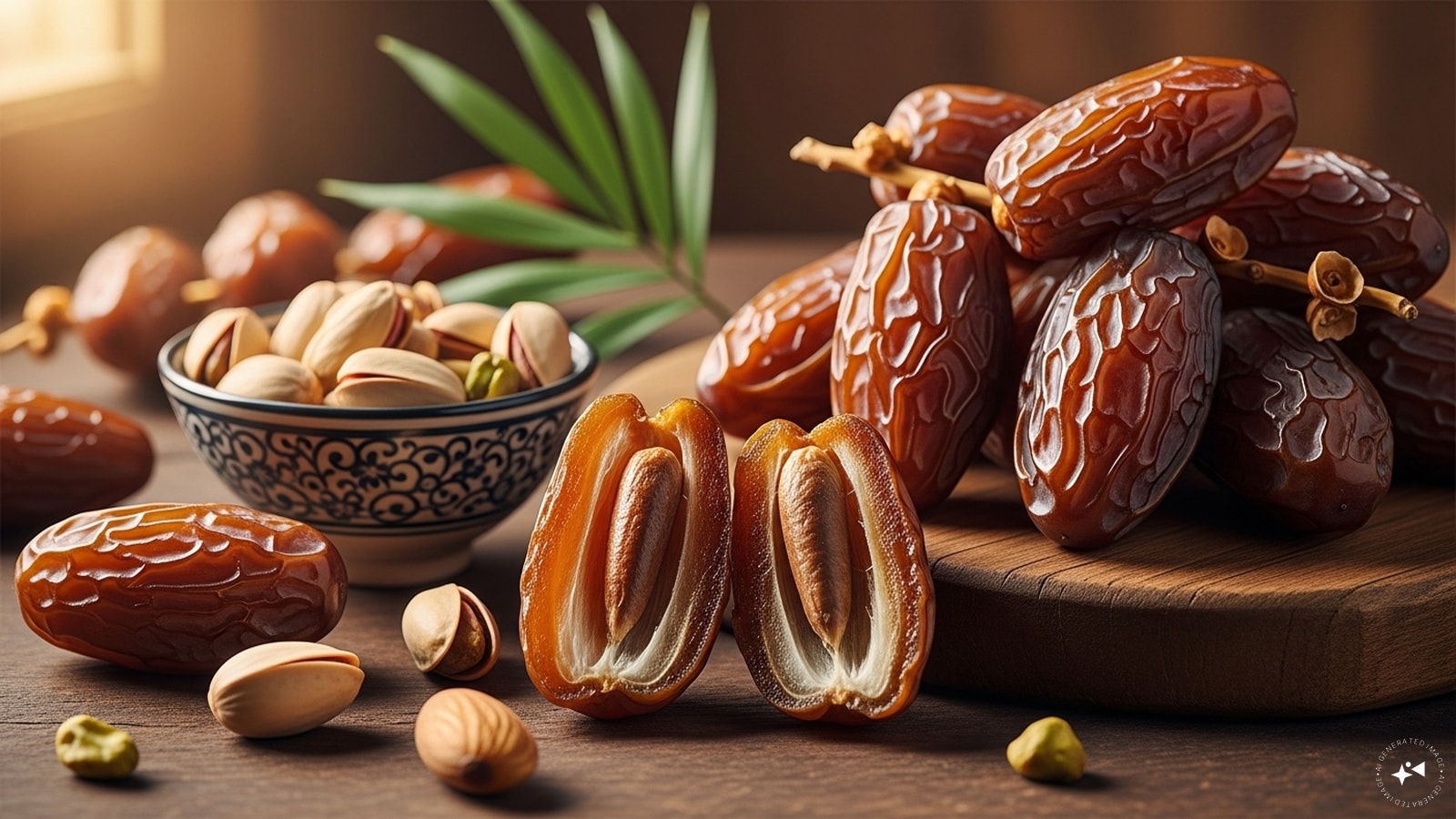
Medjool Dates: Though available year-round, fresh harvests of “the king of dates” often peak in early winter. They are exceptionally large, moist, and fiber-rich, with a natural caramel-like flavour and chewy texture that serves as a healthy, energy-boosting winter snack. (Image: AI-generated)
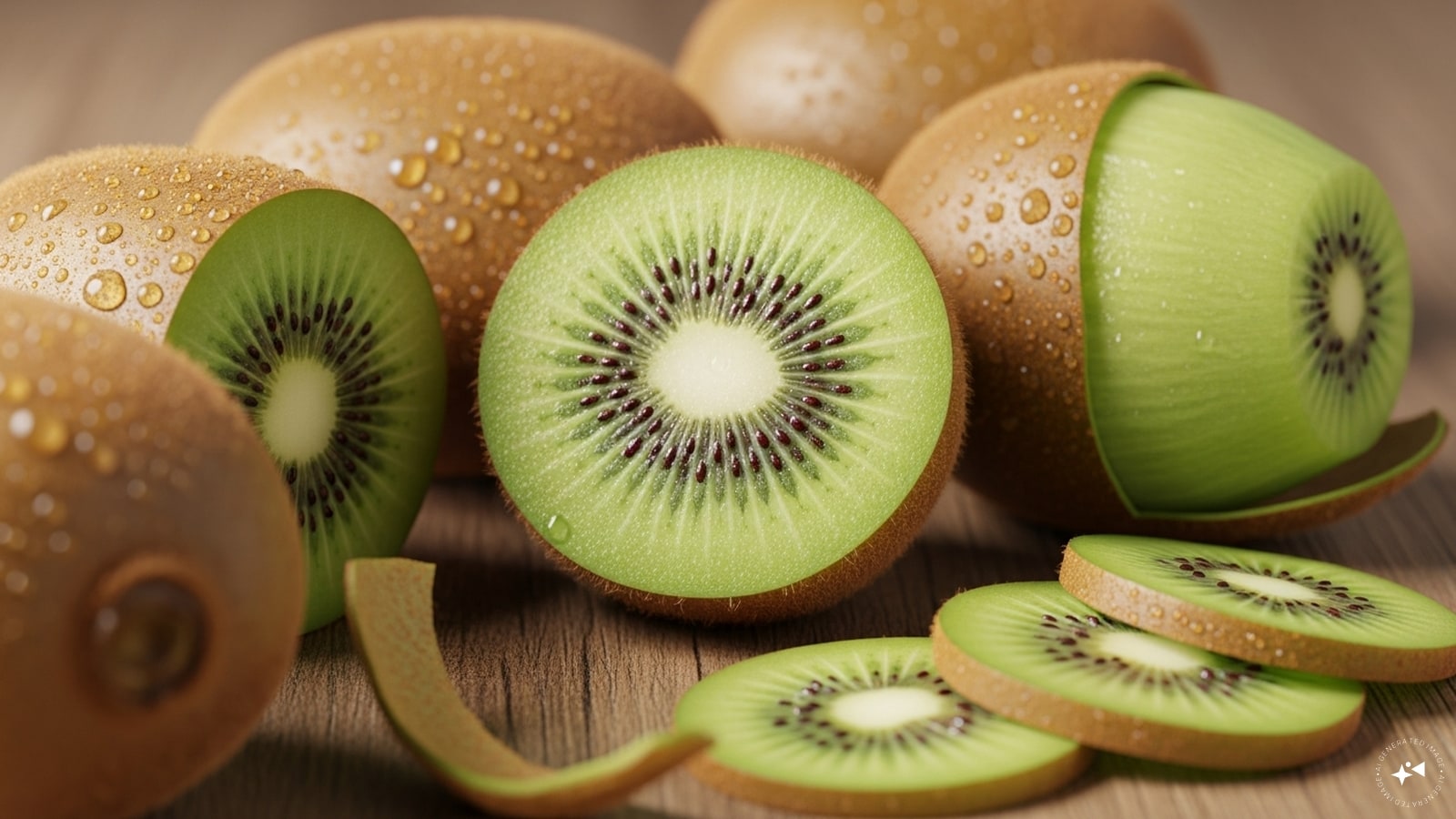
Kiwi: Kiwis reach peak quality in the winter, particularly the “Golden” variety which has smooth skin and a sweeter, mango-like taste. Both varieties are nutritional powerhouses, containing more Vitamin C than oranges to help ward off seasonal colds and flu. (Image: AI-generated)
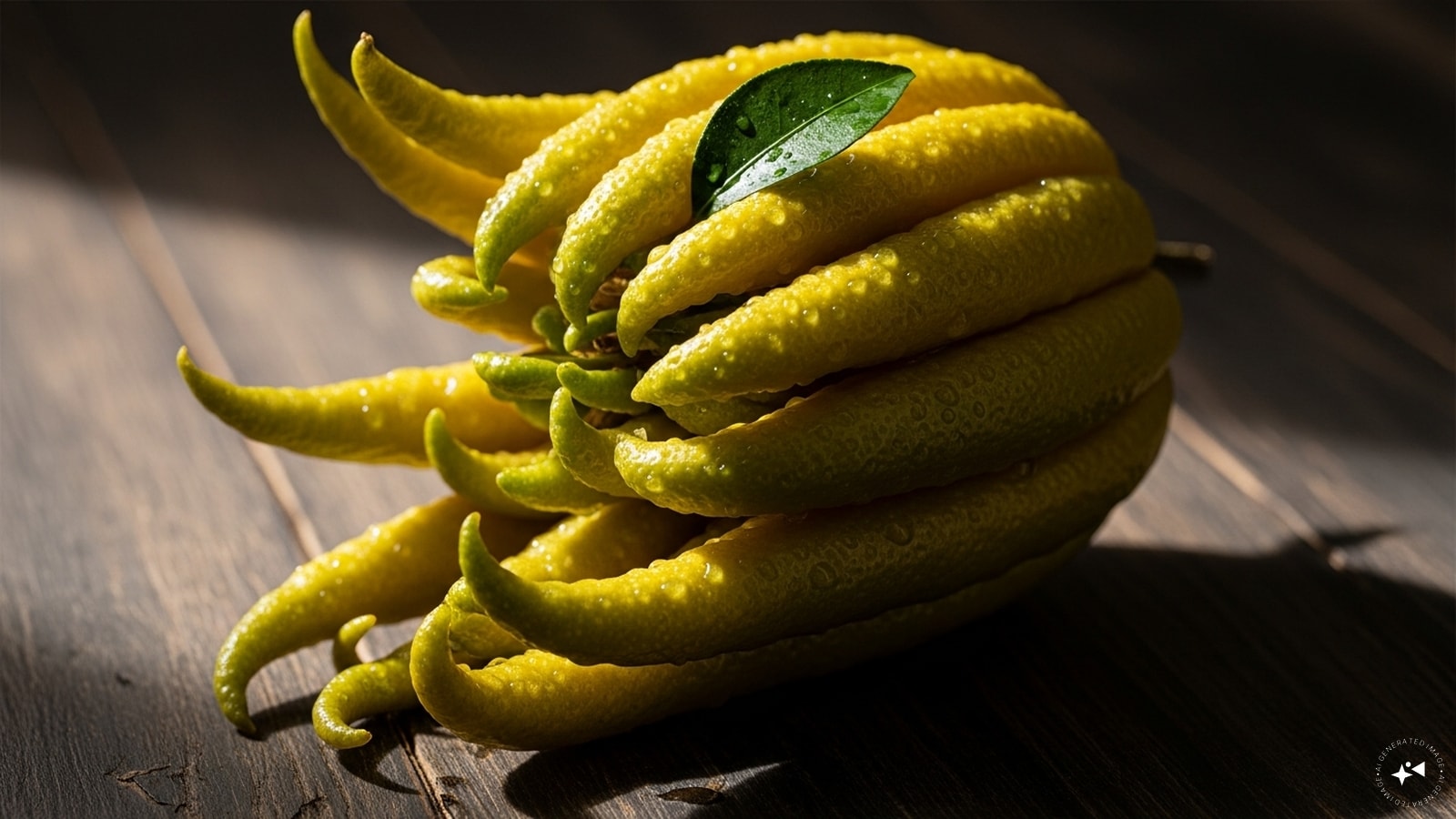
Buddha’s Hand: Perhaps the most exotic-looking citrus, this fruit consists of long, finger-like yellow segments. It contains no pulp or juice; instead, it is prized for its incredible fragrance and thick zest, which adds a bright, floral lemon aroma to winter bakes. (Image: AI-generated)


