


10 Proven Health Benefits Of Khapli Atta You Should Know


In recent years, traditional grains have made a remarkable comeback in Indian households. Among them, Khapli atta, also known as Emmer wheat flour, has gained popularity for its rich nutritional profile and unique health benefits. Unlike modern hybrid wheat varieties, Khapli wheat is an ancient grain that has been cultivated for centuries. Its resilience, earthy flavour, and wholesome qualities make it a favourite among nutritionists and health-conscious individuals. But beyond its rustic charm, Khapli Atta offers a wide range of health benefits that can transform your diet and overall well-being.
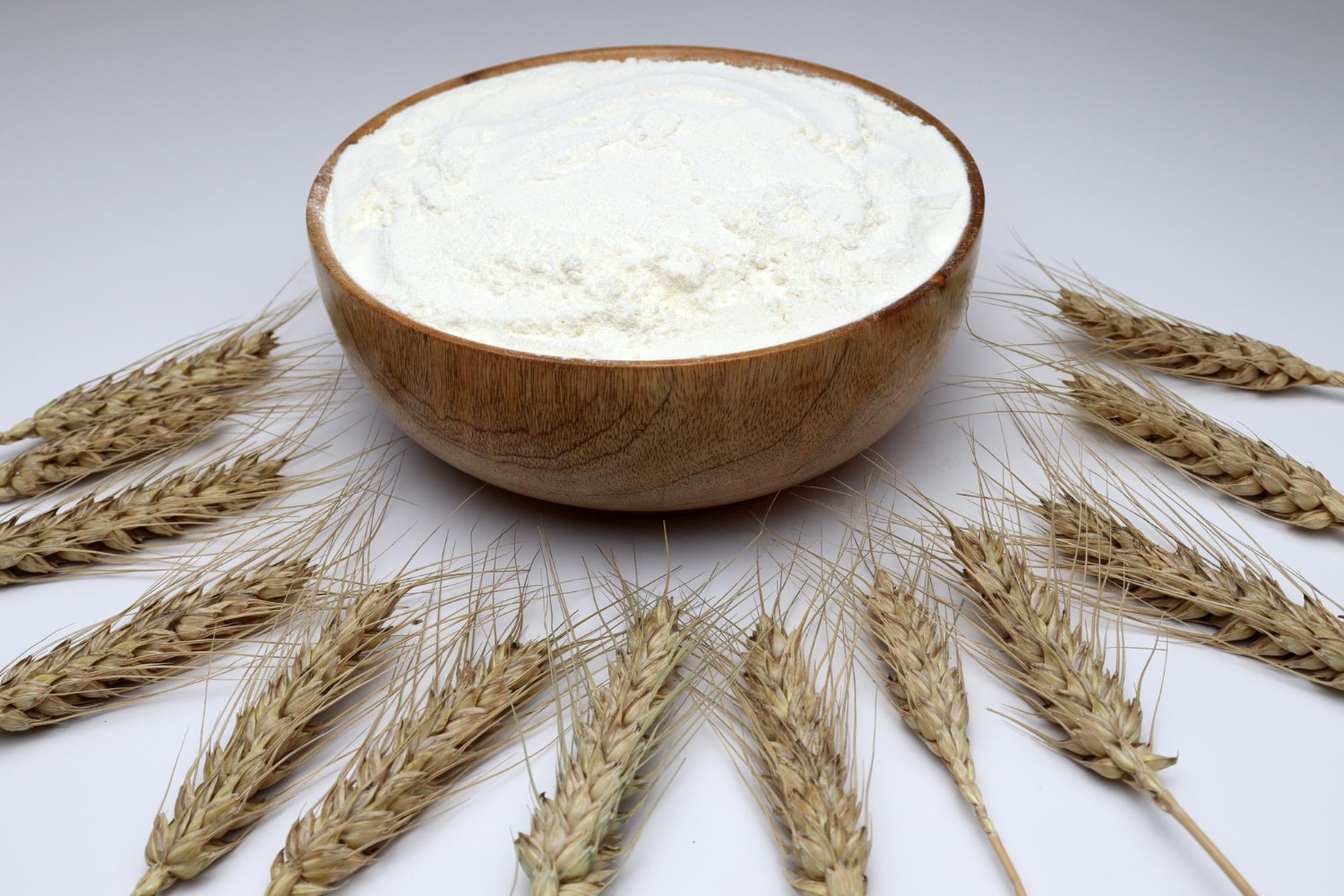
Rich in Dietary Fiber: Khapli atta is naturally high in dietary fiber, which plays a crucial role in maintaining digestive health. Fiber aids in smooth bowel movements, prevents constipation, and supports a healthy gut microbiome. A fiber-rich diet also helps regulate blood sugar levels and keeps you feeling full for longer, making Khapli atta an excellent choice for weight management. (Image: FreePik)
Low Glycemic Index: One of the standout qualities of Khapli atta is its low glycemic index (GI). Foods with a low GI release glucose slowly into the bloodstream, preventing sudden spikes in blood sugar. This makes Khapli atta particularly beneficial for individuals with diabetes or those at risk of developing it. By replacing regular wheat flour with Khapli atta, you can enjoy your favourite rotis and parathas without worrying about sharp sugar fluctuations. (Image: Canva)
Packed with Essential Nutrients: Khapli wheat is a powerhouse of nutrients. It contains high levels of protein, iron, magnesium, and B vitamins. Protein supports muscle repair and growth, iron helps prevent anemia, magnesium aids in nerve and muscle function, and B vitamins boost energy metabolism. Together, these nutrients make Khapli Atta a holistic food that nourishes the body from within. (Image: Canva)
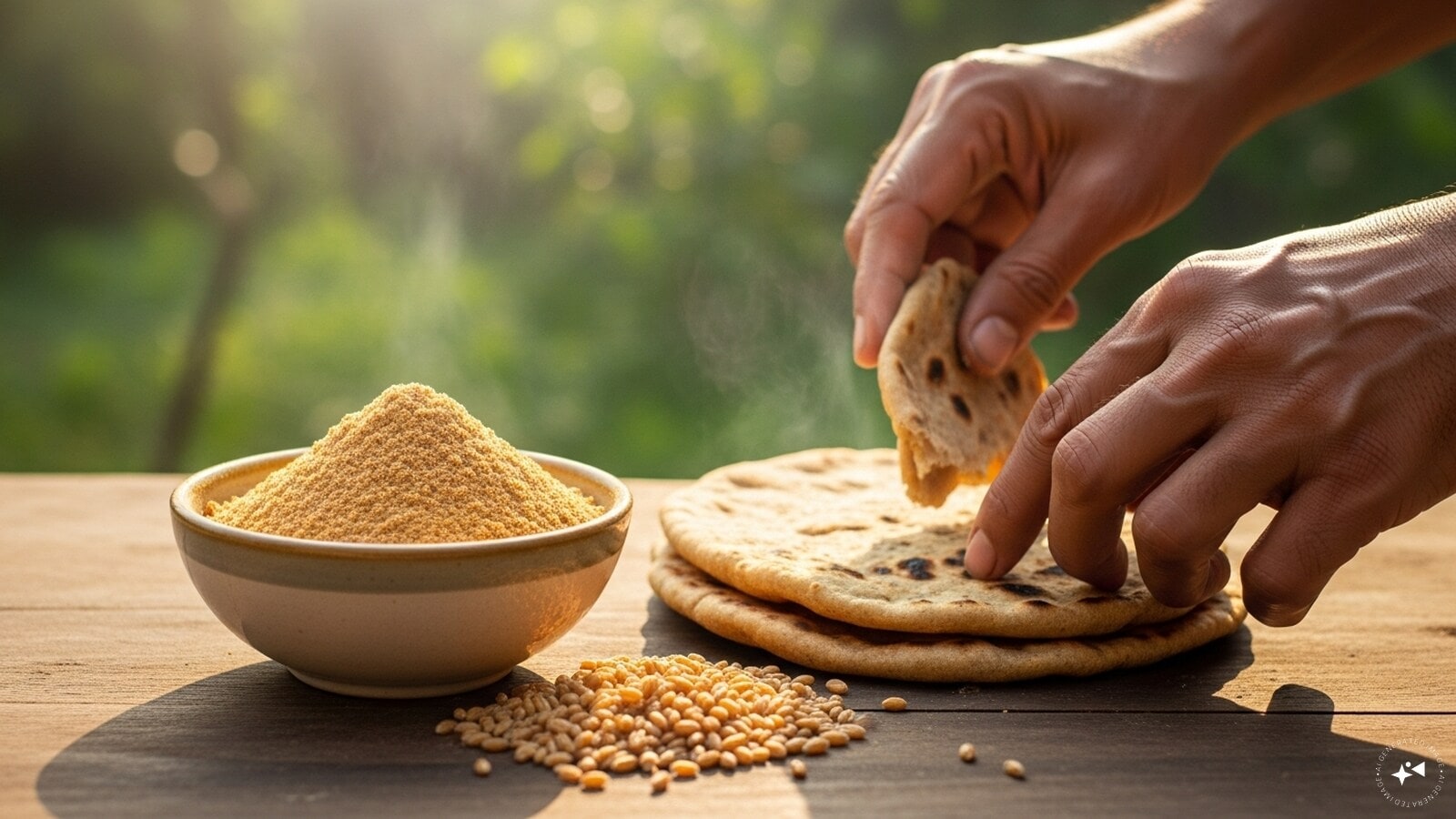
Supports Heart Health: The high fiber content and nutrient density of Khapli atta contribute to better cardiovascular health. Fiber helps lower cholesterol levels, while magnesium supports healthy blood pressure regulation. Consuming Khapli atta regularly can reduce the risk of heart disease and promote overall cardiovascular well-being. (Image: AI-Generated)
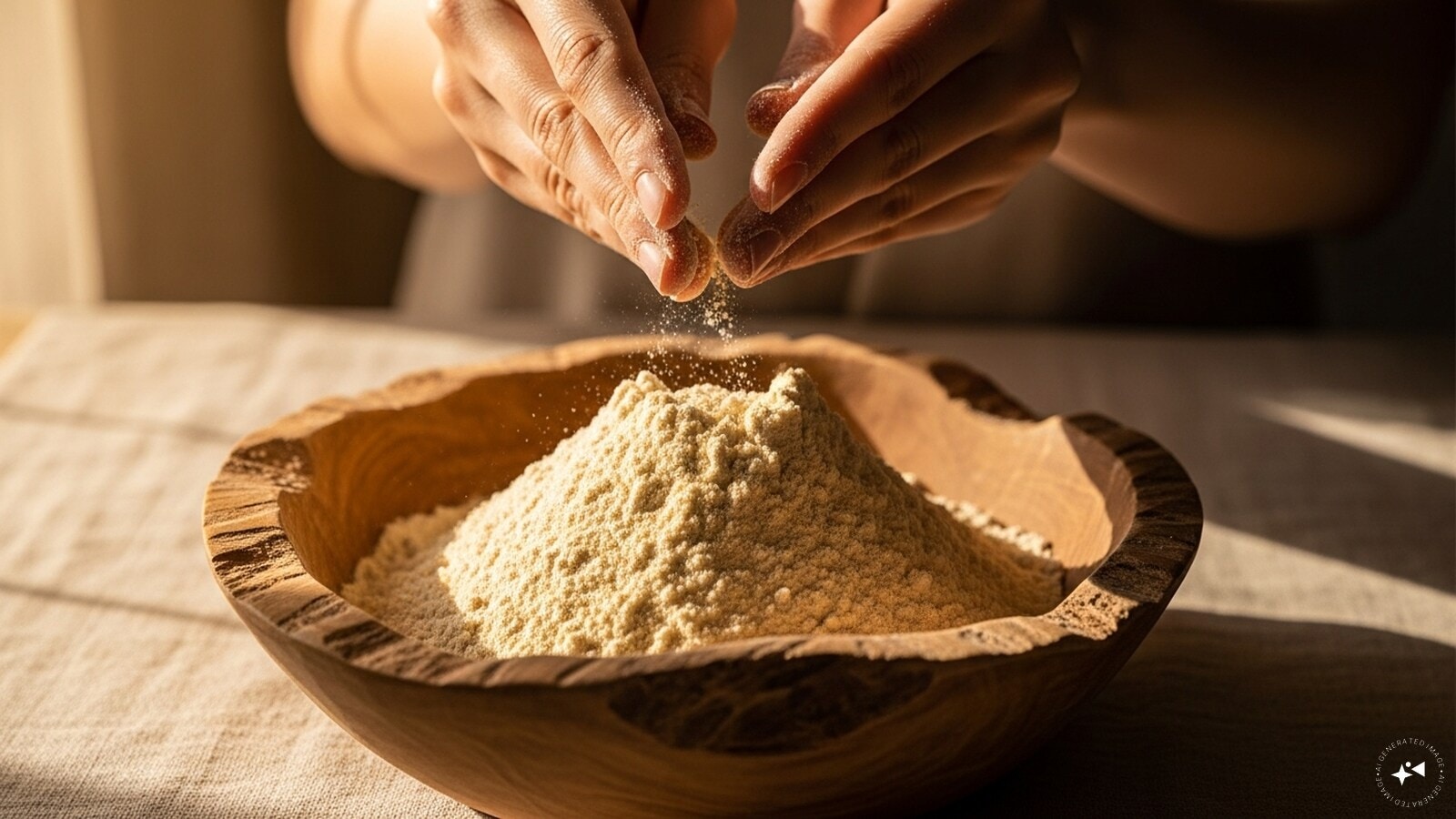
Easier to Digest: Unlike modern wheat varieties, Khapli wheat has a lower gluten content. This makes it easier to digest for many people, especially those who experience bloating or discomfort after consuming regular wheat. While it is not suitable for individuals with celiac disease, Khapli atta can be a gentler alternative for those with mild gluten sensitivity. (Image: AI-Generated)
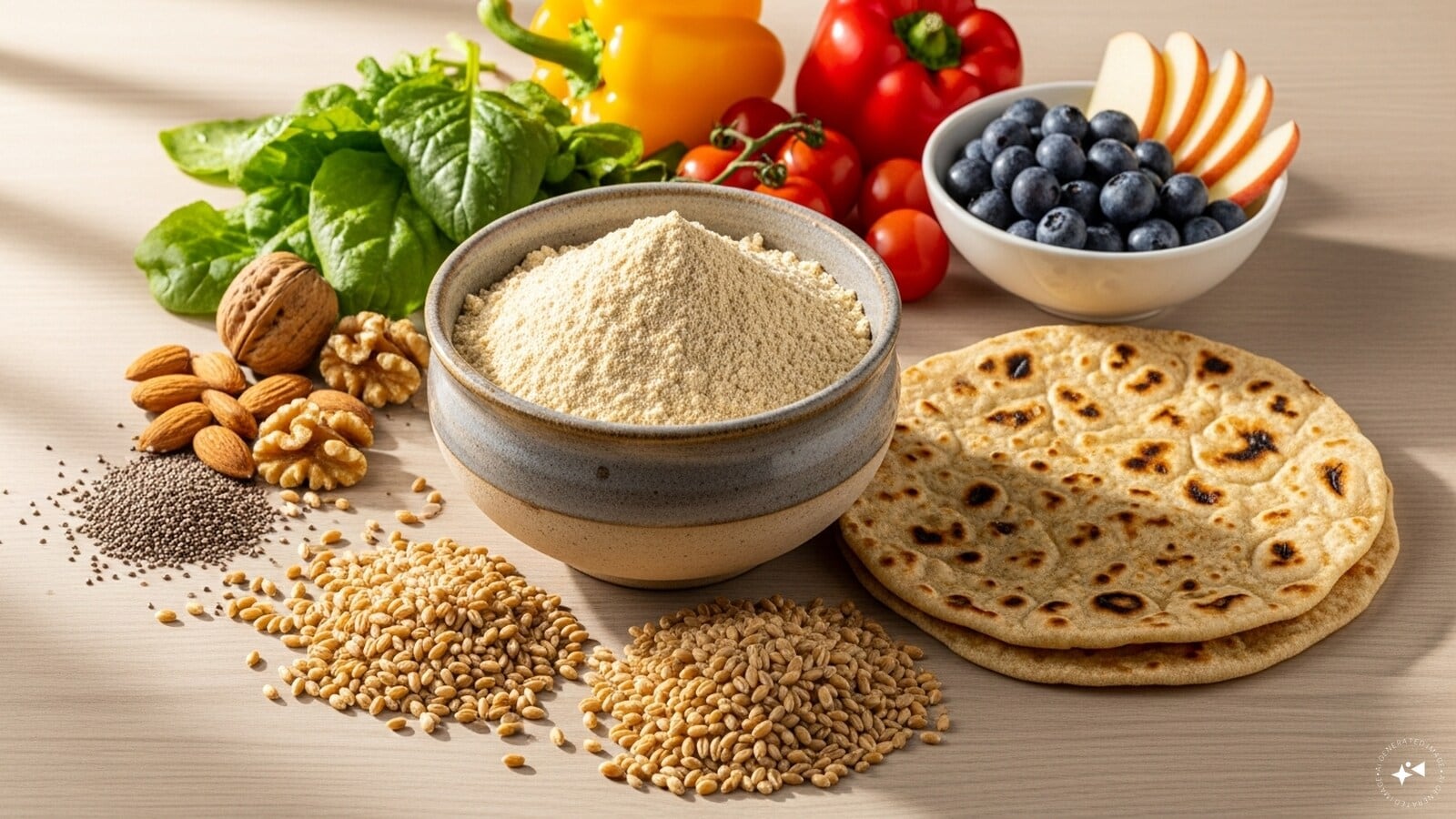
Helps in Weight Management: Because Khapli atta is rich in fiber and has a low glycemic index, it keeps you satiated for longer periods. This reduces unnecessary snacking and helps control calorie intake. By incorporating Khapli atta into your daily meals, you can support healthy weight management without compromising on taste or nutrition. (Image: AI-Generated)
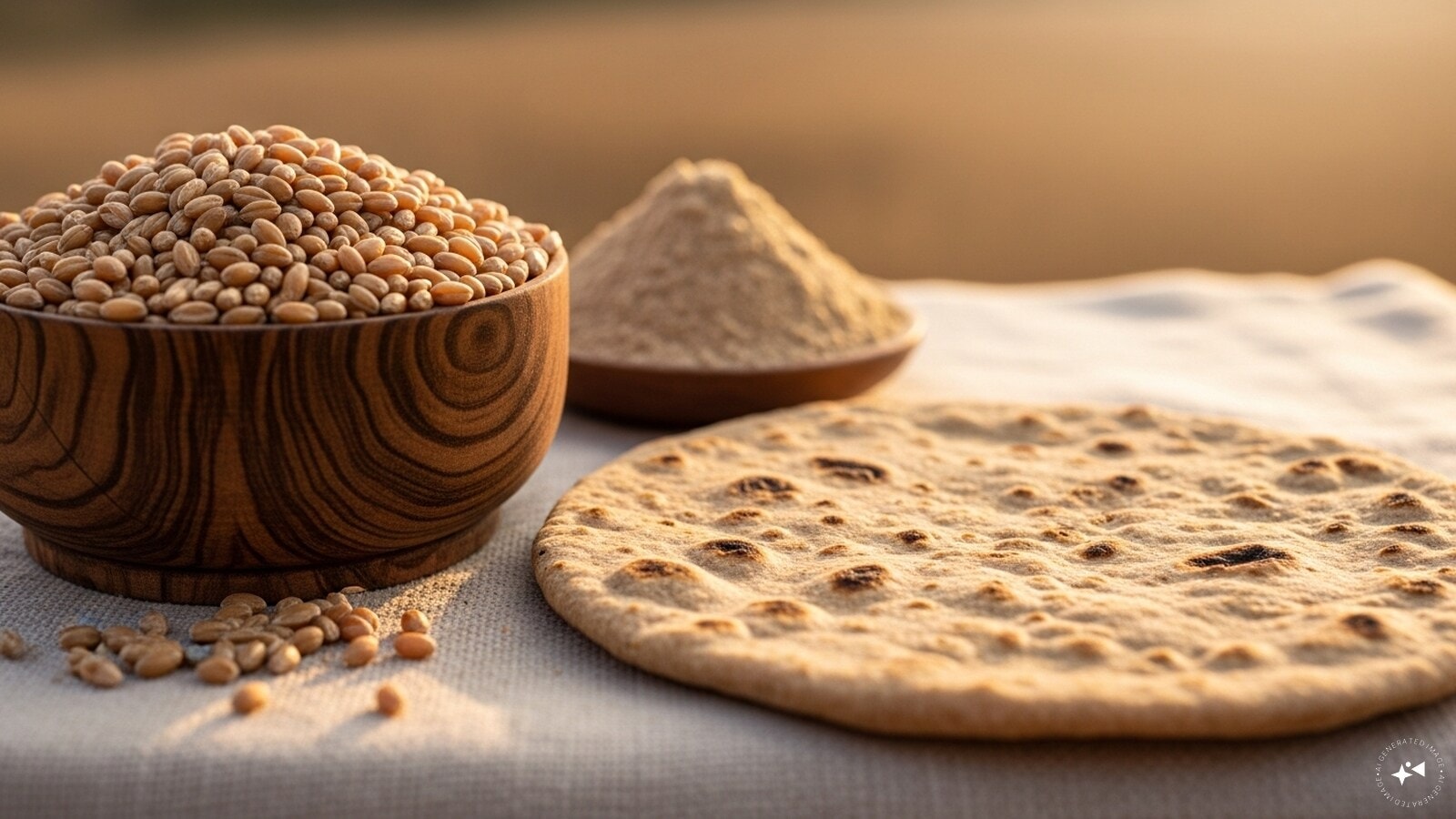
Boosts Immunity: The vitamins, minerals, and antioxidants present in Khapli atta strengthen the immune system. Iron and zinc play a vital role in immune function, while antioxidants help fight free radicals that cause cellular damage. A diet that includes Khapli atta can therefore enhance your body’s natural defense mechanisms. (Image: AI-Generated)

Promotes Healthy Skin and Hair: The B vitamins and minerals in Khapli atta contribute to healthy skin and hair. They support collagen production, improve circulation, and aid in cell regeneration. Regular consumption can lead to a natural glow, stronger hair, and overall improved appearance. (Image: AI-Generated)
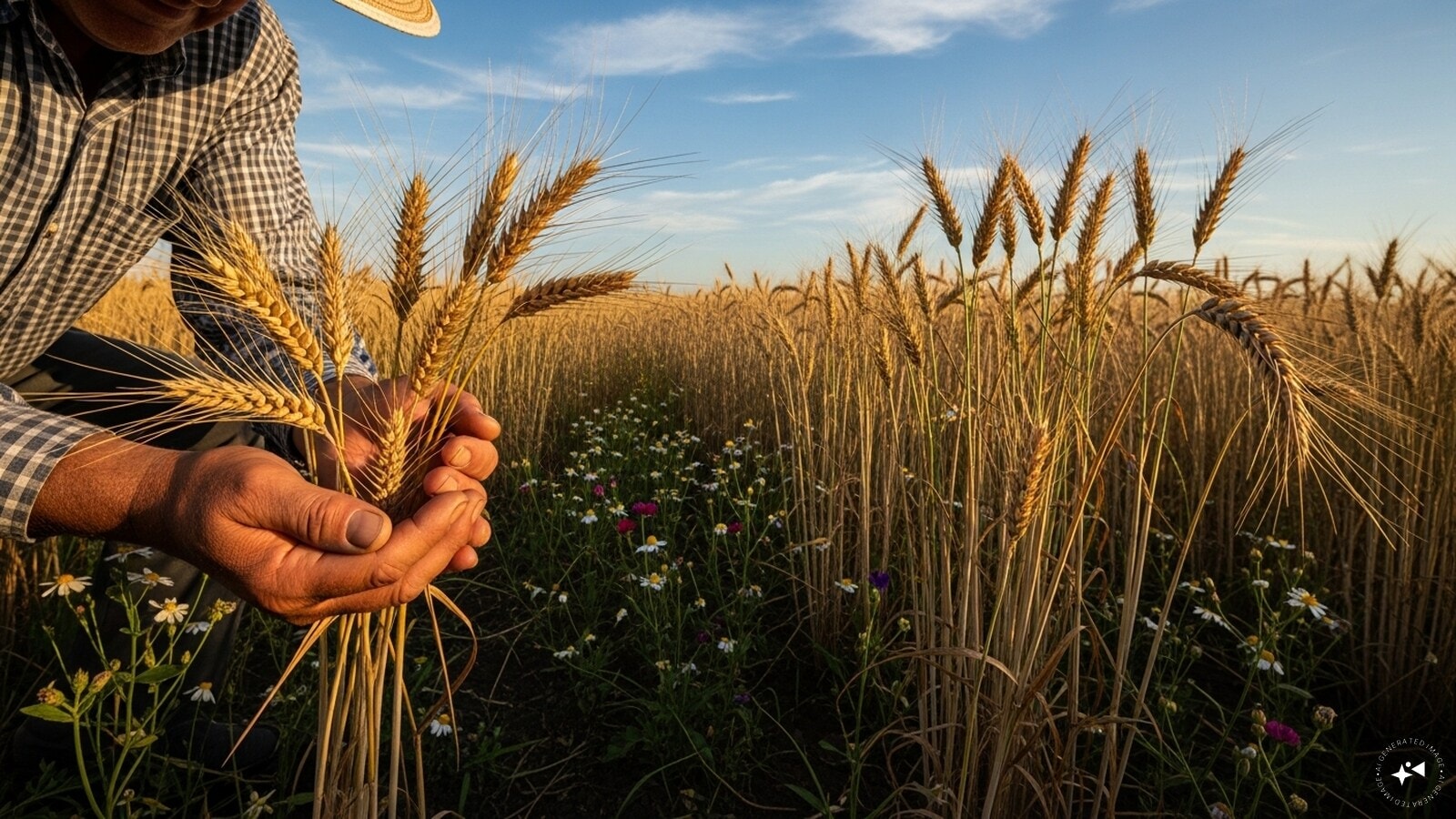
Sustainable and Wholesome: Khapli wheat is not just good for health, it is also environmentally sustainable. Being an ancient grain, it requires fewer chemical inputs and adapts well to traditional farming practices. Choosing Khapli atta supports biodiversity and encourages farmers to cultivate resilient, heritage crops. (Image: AI-Generated)
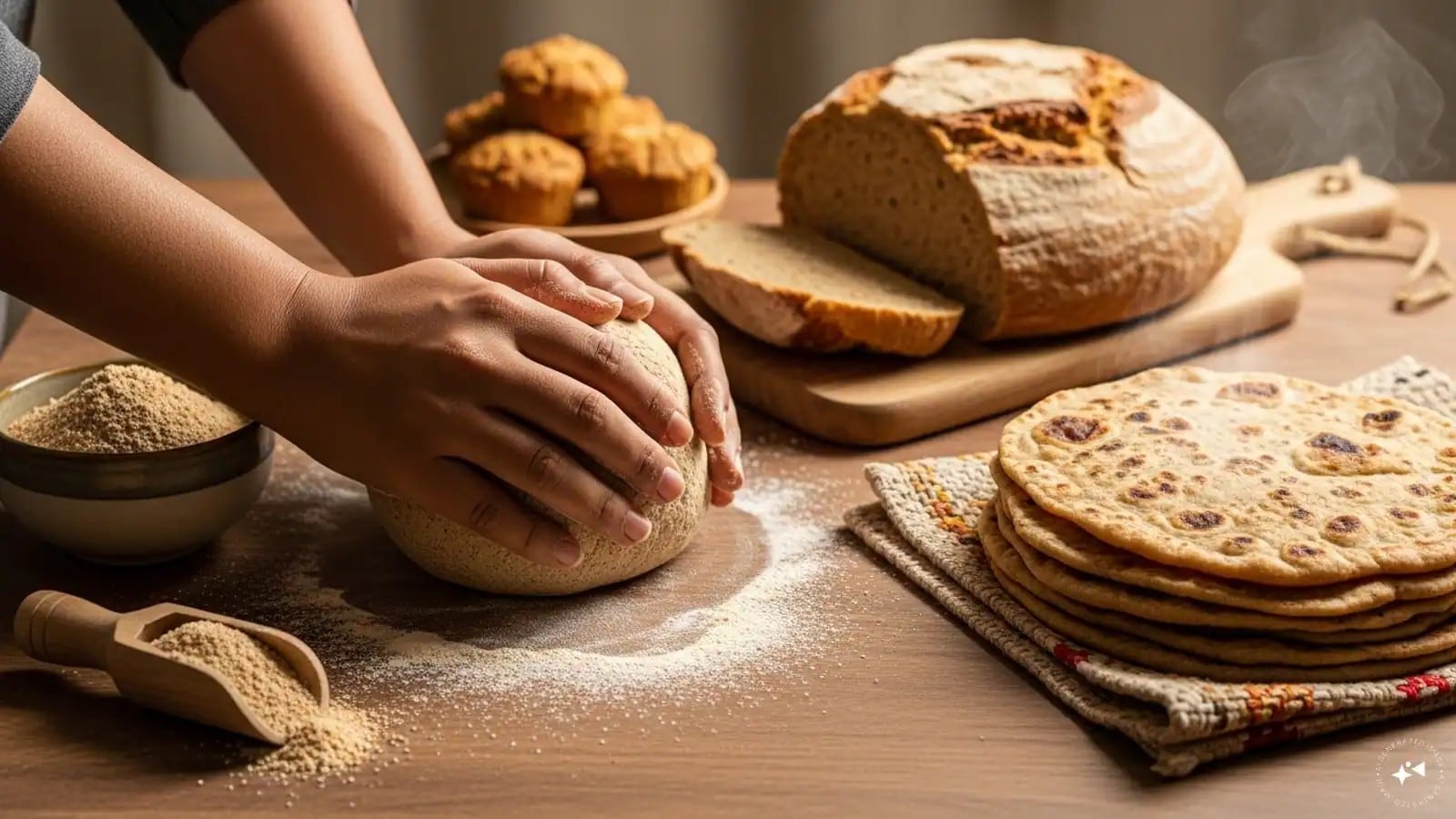
Versatile in Cooking: Beyond its health benefits, Khapli atta is versatile in the kitchen. It can be used to make rotis, parathas, breads, and even baked goods. Its nutty flavour adds depth to recipes, making healthy eating enjoyable and satisfying. (Image: AI-Generated)


