


7 plants you should remove from your home right now, especially if you have kids or pets | – The Times of India


Houseplants and flowers can add colour and fresh air to a room, but some of the most colourful flowers have the potential danger of being poisonous to individuals, children, and pets. What may start as something enjoyable can soon cause some major health concerns if the touch of the plant irritates.The ingestion of such toxic plants may cause vomiting or nausea in both humans and animals. Being around poisonous flowers can range in reaction from irritating the skin to issues such as neurological disorders, damage to internal organs, and some potential symptoms that can be life-threatening. So, if your child just delights in investigating everything around them, or your pets enjoy munching on the flowers and leaves, it becomes very important that certain flowers should not be kept around them.
These 7 common houseplants can be dangerous
Before removing any plant, it’s important to understand why certain flowers and plant families are considered unsafe. Some plants are mildly toxic, while others can cause serious reactions if eaten or touched. Here’s a list of plants you should be cautious about keeping at home.
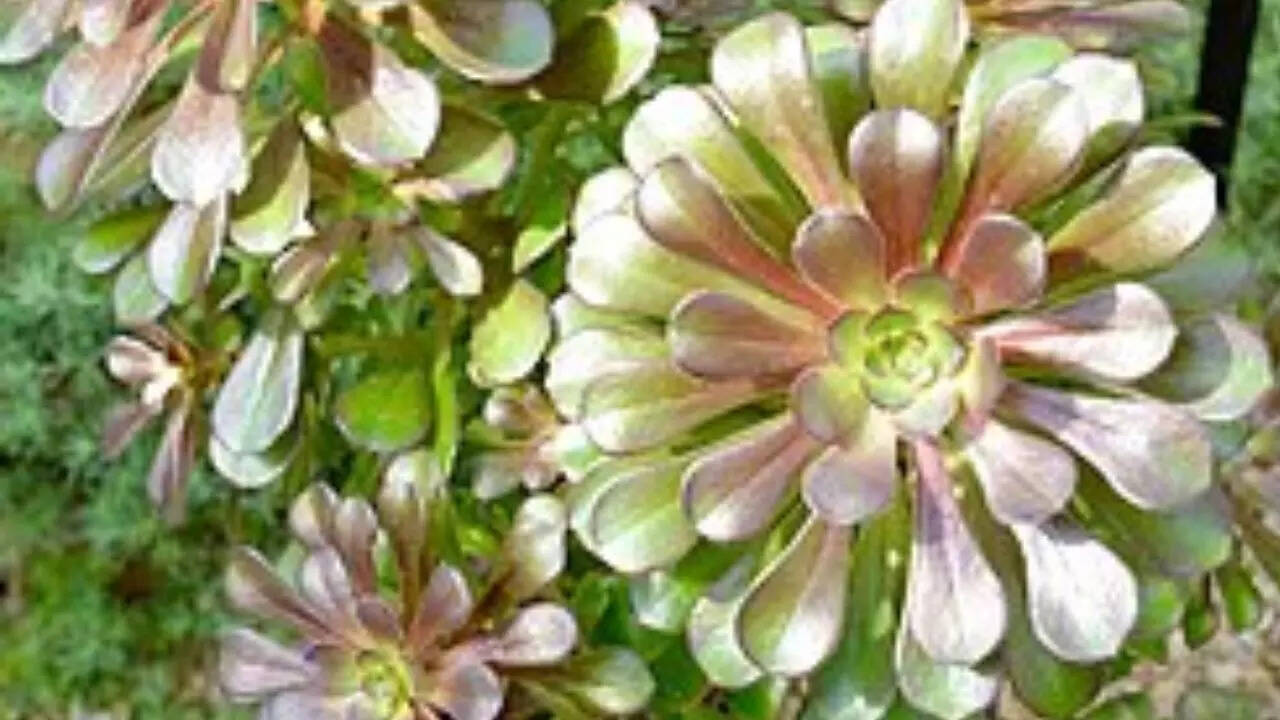
Crassulaceae family (Image source: Wikipedia)
The Crassulaceae family includes plants such as jade plants and kalanchoes. These are succulents. They are low-maintenance plants, but can cause poisoning when ingested. As per a study published on Oriental Journal of Chemistry, due to the presence of some components, they are especially toxic to domestic animals, especially cattle. They cause vomiting, lethargy, or gastrointestinal irritation whenever ingested. Since they are succulents with tough leaves, they can appeal to domestic animals that enjoy munching on plants.
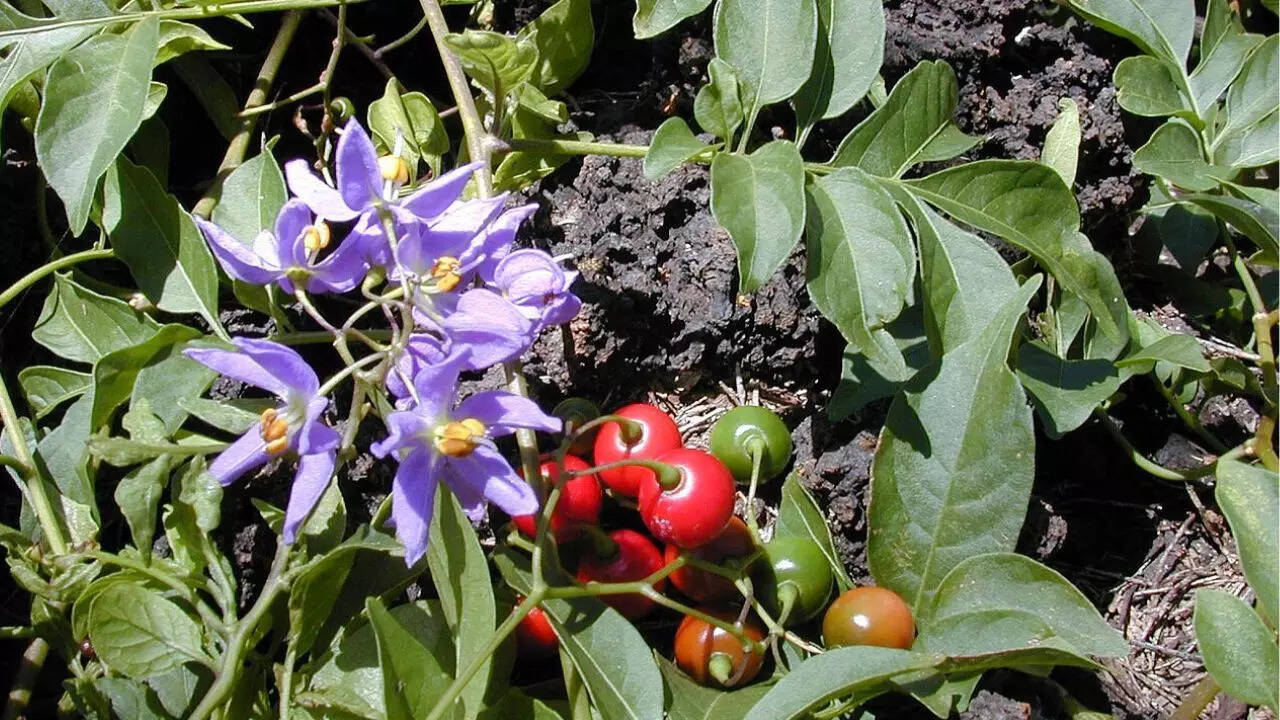
Nightshade family (Image source: Wikipedia)
Nightshade includes plants such as deadly nightshade, which have some attractive varieties that can be grown indoors. Such plants have toxic compounds that may end up affecting the central nervous system. This may result in nausea, dizziness, or confusion. Children may be most vulnerable, since some nightshade plants have attractive berries.
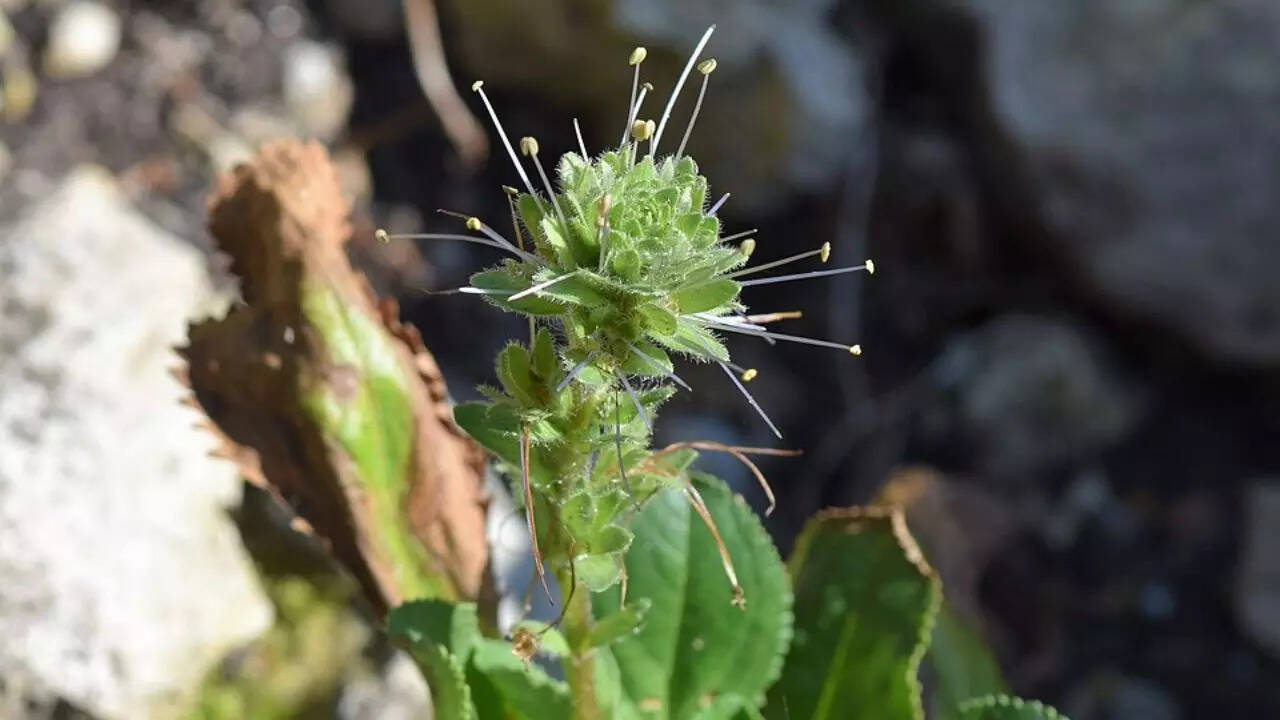
Kutro family (Image source: Wikipedia)
Plants of the Kutro family, for example, oleander, have very toxic qualities and lovely flowers too. All parts of this plant, whether leaves, flowers, or sap, can be poisonous if ingested. Even short contact can affect the heart and overall health conditions. The smoke that comes from these plants when they are burned can cause many health problems, too. Due to this, these plants aren’t suited for homes and garden spaces that have kids and/or pets inside.
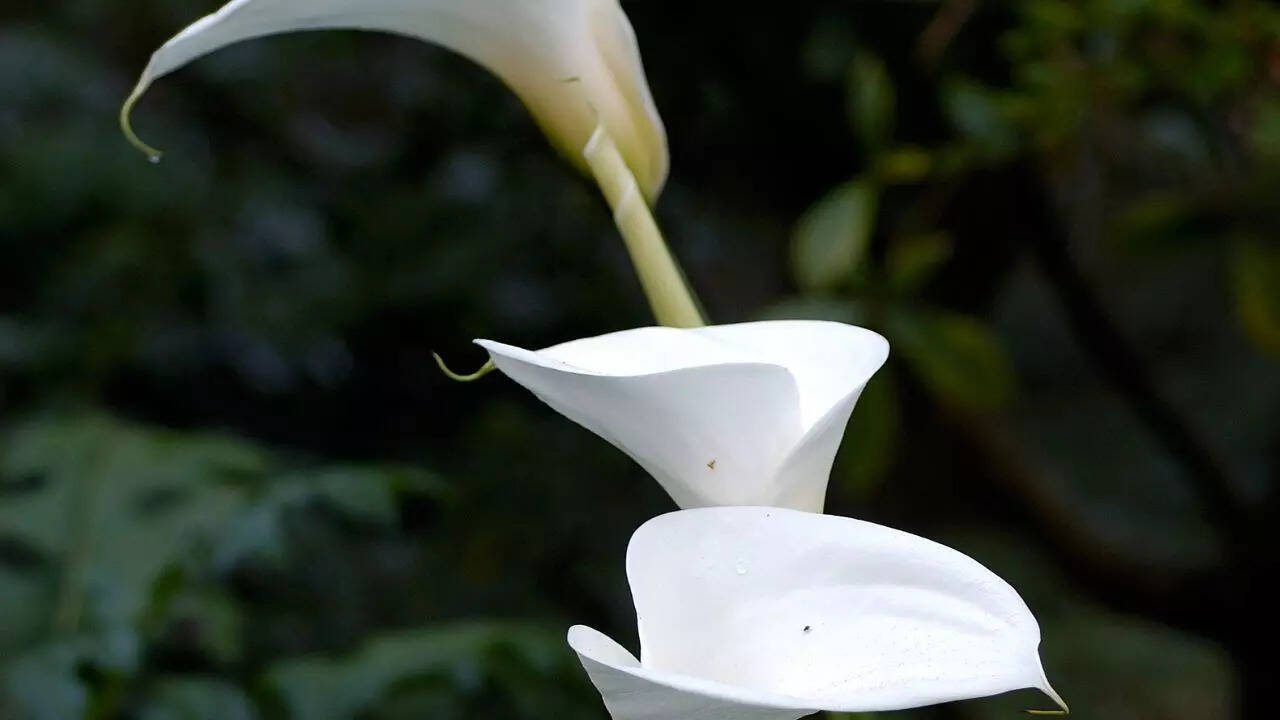
Aroid family (Image source: Wikipedia)
Aroid plants, dieffenbachia, or philodendron, can be found as houseplants. These plants possess calcium oxalate crystals, creating a burning, swelling, or irritation response when touched or chewed. When these plants are chewed or ingested, pain in the mouth and swallowing difficulties may be experienced by the individual or pet that bit the plant. Handling these plants requires wearing gloves, but it is better to get rid of them altogether.
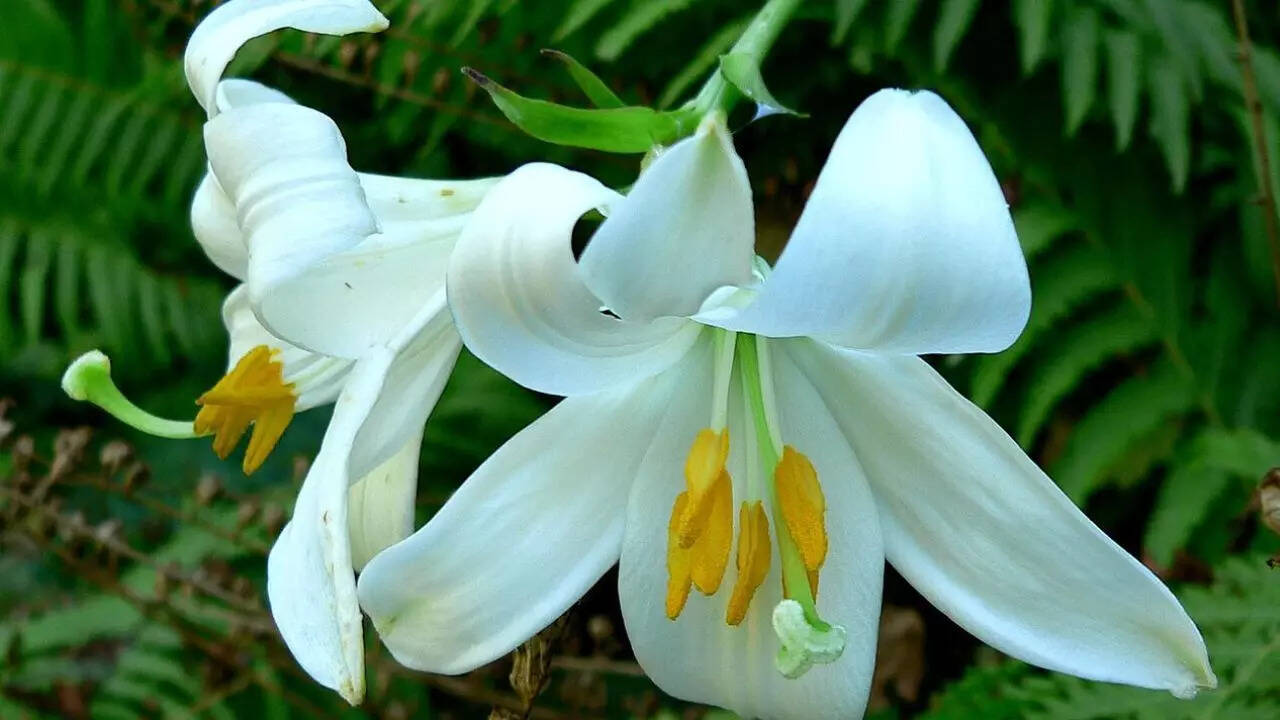
Lily (Image source: Wikipedia)
Lilies are lovely and have a sweet fragrance, although they pose a life-threatening threat to pets such as cats. As per a study named “Lily toxicity in cats” published on PubMed Central, even a small quantity of pollen or leaves is sufficient to cause renal failure in cats. Lilies may cause a person to have irritated skin and allergic reactions. Moreover, the pungent fragrance of these flowers may cause headaches in individuals. These flowers should be kept away from homes with pets.
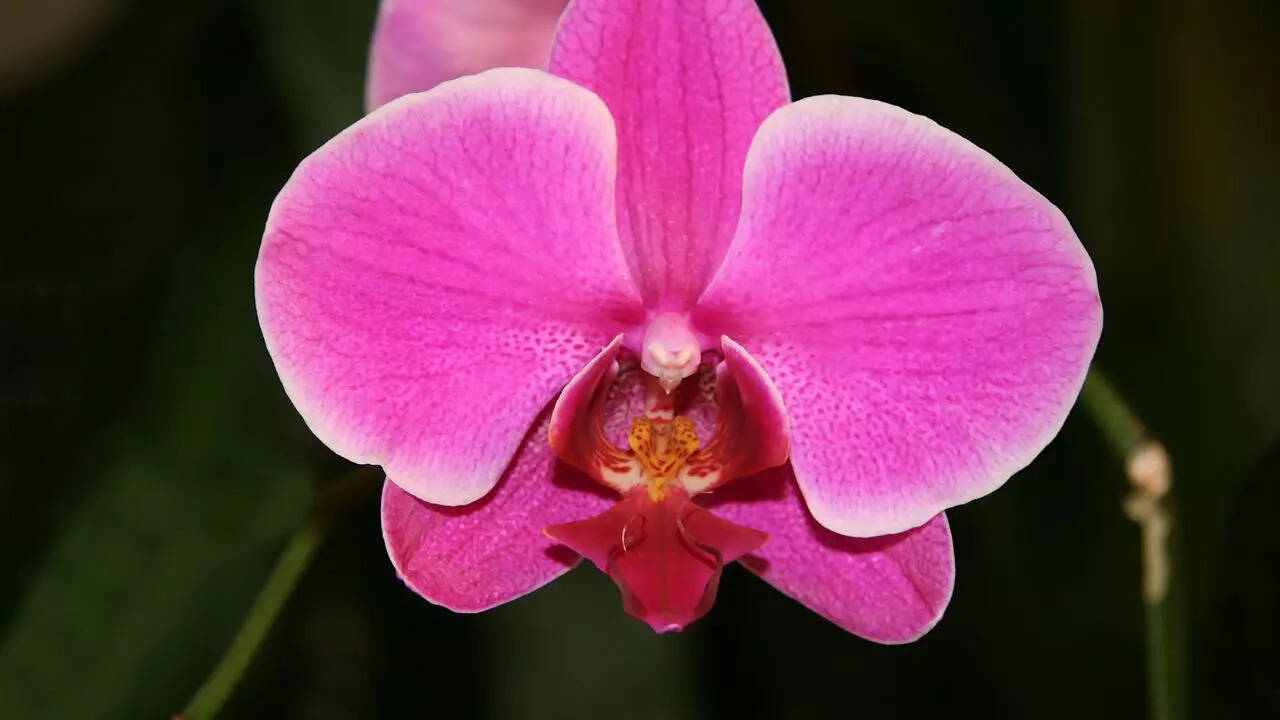
Orchid (Image source: Wikipedia)
Orchids tend to be harmless to humans, with a few varieties that can cause minor irritation. If pets bite on orchids, they could develop stomach upset. The fertilisers and garden chemicals used with orchids can pose risks if mishandled. They aren’t the topmost danger on this list, but it’s wise to be careful. Keep them out of reach.

Hydrangea (Image source: Wikipedia)
Hydrangeas contain substances which, when ingested, release cyanide. In a warning given by Queensland Poison Information Centre, ingestion of the leaves or flowers may cause nausea, abdominal pain, or respiratory distress. Children and pets are particularly at risk due to the attractiveness of the plant. Even the dried flowers of hydrangeas are dangerous. If at all possible, place them in an outside setting rather than an inside one.
What happens if you accidentally touch or ingest a toxic houseplant
Accidental contact with toxic houseplants can cause a range of reactions that vary depending on the plant involved and the duration of exposure. Skin irritation, redness, itchiness, or a burning sensation may occur when touching either sap or leaves, especially in individuals with sensitive skin. Poisonous plants, when swallowed, might lead to symptoms like nausea, vomiting, stomach cramps, or swollen lips and throat. In more severe cases, such plants can cause breathing problems, seizures, erratic heartbeats, or organ damage in children and pets. Symptoms should not be allowed to progress; instead, the exposed part should be immediately washed with water, and medical or veterinary attention should be sought.


