


ADHD In Adults: 10 Signs You Should Not Ignore


Attention‑Deficit/Hyperactivity Disorder (ADHD) is often associated with children, but many adults live with it too, sometimes without realizing it. In adulthood, ADHD can look different than it does in childhood, often manifesting in subtle ways that affect work, relationships, and daily life. Recognizing the signs can help individuals seek support and strategies to manage their symptoms more effectively. (Image: FreePik)

Difficulty Staying Focused: Adults with ADHD often struggle to concentrate on tasks, especially those that require sustained attention. They may find themselves easily distracted by external stimuli or their own thoughts, making it hard to complete projects or follow conversations. (Image: Pexels)

Disorganization: Managing responsibilities can feel overwhelming. Adults with ADHD may have trouble keeping track of appointments, deadlines, or belongings. Their workspace or home may often appear cluttered, reflecting the challenge of organizing tasks and priorities. (Image: AI-Generated)

Poor Time Management: Many adults with ADHD underestimate how long tasks will take or procrastinate until the last minute. This can lead to missed deadlines, rushed work, and stress. They may also struggle with balancing multiple responsibilities at once. (Image: AI-Generated)

Impulsivity: Impulsive decisions, whether in spending, speaking, or relationships, are common. Adults with ADHD may interrupt conversations, act without considering consequences, or struggle to resist temptations, which can affect both personal and professional life. (Image: AI-Generated)

Restlessness and Difficulty Relaxing: While hyperactivity in children often looks like constant movement, in adults it can manifest as inner restlessness. They may feel unable to relax, frequently fidget, or seek constant stimulation. (Image: AI-Generated)
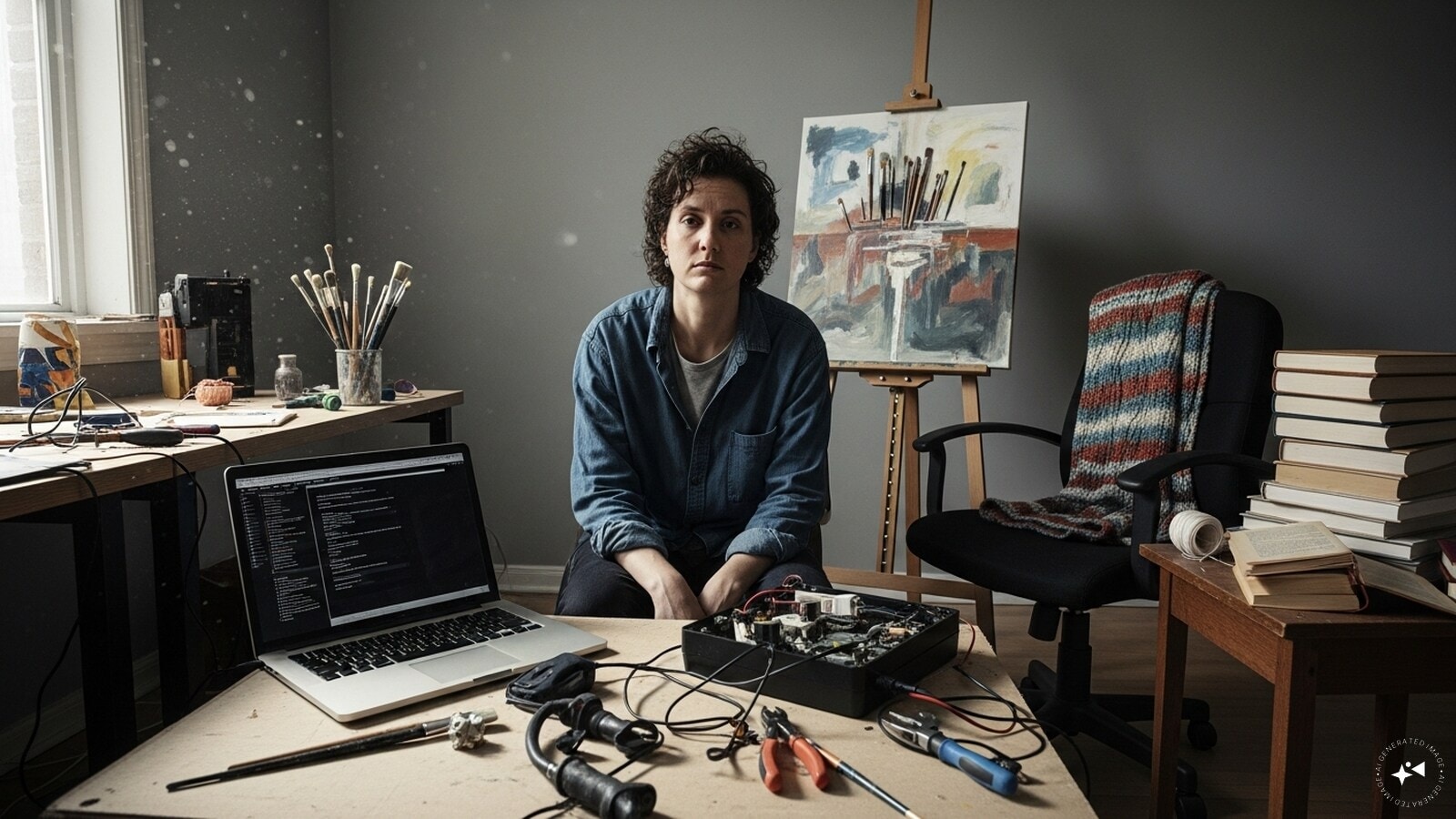
Trouble Following Through: Starting tasks is often easier than finishing them. Adults with ADHD may begin projects enthusiastically but lose interest or get distracted before completion, leaving many unfinished tasks behind. (Image: AI-Generated)

Forgetfulness: Forgetting appointments, misplacing items, or overlooking important details are common experiences. This forgetfulness can strain relationships and create challenges at work. (Image: AI-Generated)

Emotional Sensitivity: Adults with ADHD may experience intense emotions and have difficulty regulating them. They can be easily frustrated, overwhelmed, or discouraged, and may struggle with self‑esteem due to repeated setbacks. (Image: AI-Generated)

Difficulty in Relationships: Impulsivity, forgetfulness, and distractibility can affect relationships. Partners or friends may feel neglected or frustrated, while the individual with ADHD may feel misunderstood or criticized. (Image: AI-Generated)

Struggles at Work: Work environments that demand organization, focus, and time management can be particularly challenging. Adults with ADHD may excel in creative or fast‑paced roles but struggle in structured settings that require sustained attention. (Image: AI-Generated)

Disclaimer: This article provides general information about ADHD symptoms in adults and is not a substitute for professional medical advice, diagnosis, or treatment. If you suspect you may have ADHD or are experiencing difficulties related to these symptoms, please consult a qualified healthcare professional. (Image: AI-Generated)


