


.png?width=1200&height=800&crop=1200:800&w=425&resize=425,283&ssl=1 "Poll: Are age-gap relationships always wrong?")
After PM Modi’s Manohari Visit, A Look At Assam’s Most Iconic Tea Estates


As Assam gears up for its upcoming elections, the spotlight turned to its iconic tea industry when Prime Minister Narendra Modi visited the renowned Manohari Tea Estate. With over 800 tea estates spread across lush green landscapes, Assam remains the largest tea-growing region in the world. Known for its bold flavour, rich colour, and strong aroma, Assam tea continues to dominate both domestic and international markets. From historic plantations dating back to the 1800s to modern estates experimenting with organic and specialty teas, here are 10 of the most famous tea estates in the state worth a visit.
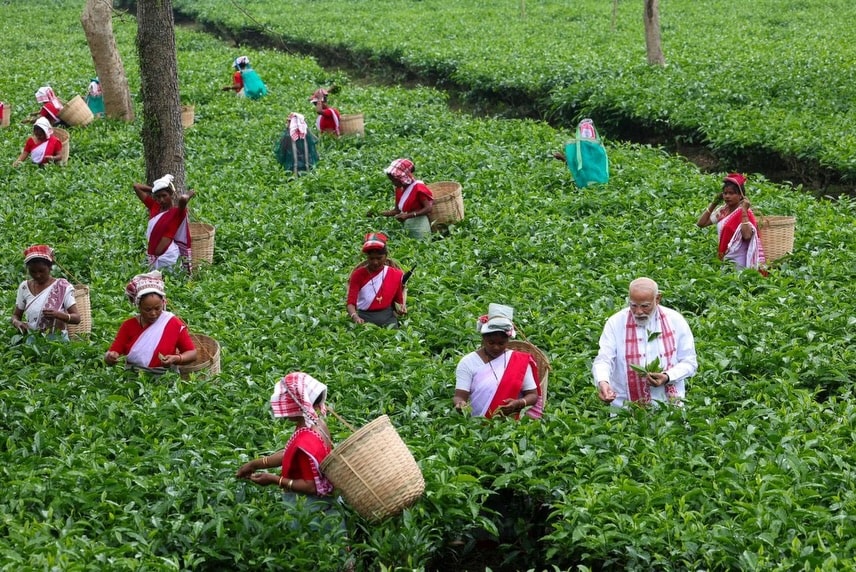
Manohari Tea Estate: Based in Dibrugarh, Manohari Tea Estate shot to fame for producing “Manohari Gold,” one of the most expensive teas ever sold. This handcrafted specialty tea is prized for its rarity and health benefits. The estate also focuses on worker welfare, making it a progressive player in Assam’s tea industry.
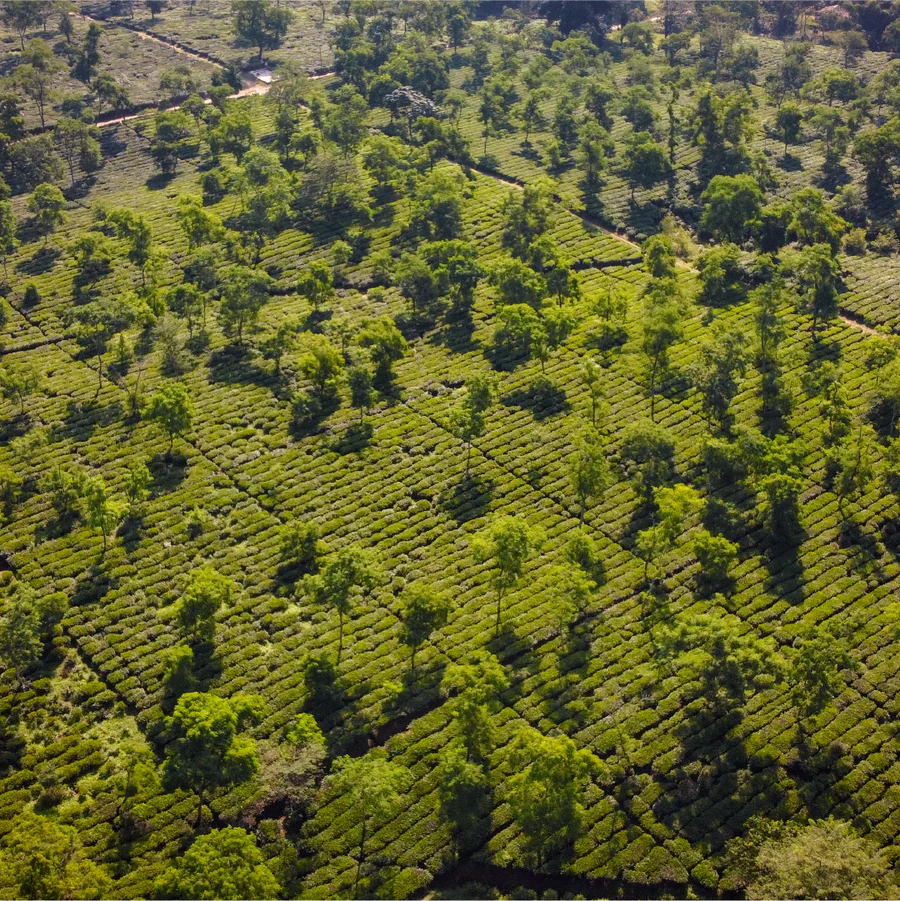
Monabari Tea Estate: Located in Biswanath district, Monabari Tea Estate holds the distinction of being Asia’s largest tea garden, sprawling across more than 1,300 hectares. Owned by McLeod Russel India Limited, the estate is divided into multiple sections and is known for its well-maintained infrastructure. Though visitor access is limited, its scale, scenic beauty, and contribution to tea production make it iconic.
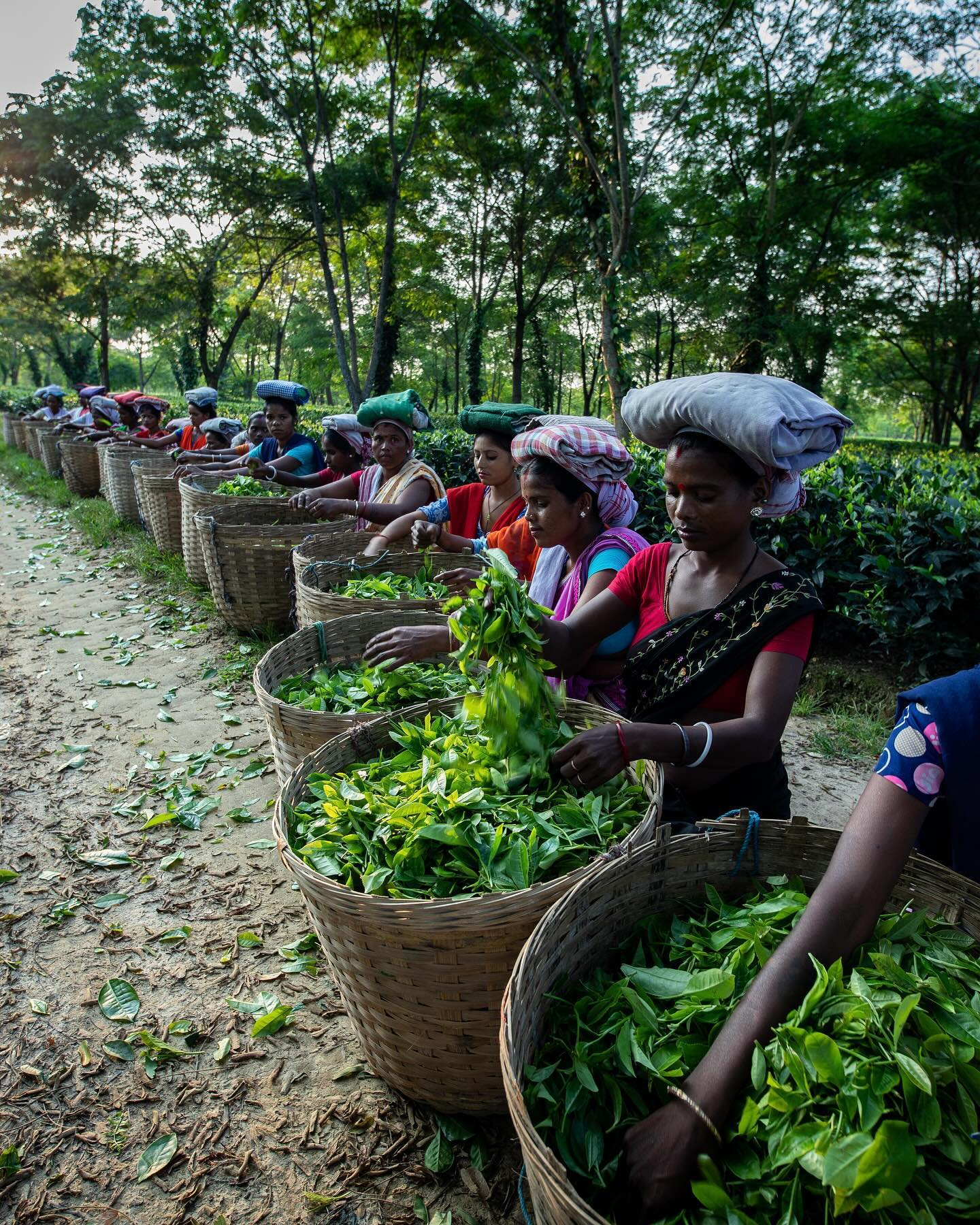
Halmari Tea Estate: Situated in Moran, Halmari Tea Estate has built a stellar reputation for producing premium-quality tea for over a century. Owned by the Daga family, it consistently fetches record-breaking prices at tea auctions. Known for both CTC and Orthodox varieties, Halmari’s teas are served in luxury hotels and exported worldwide.
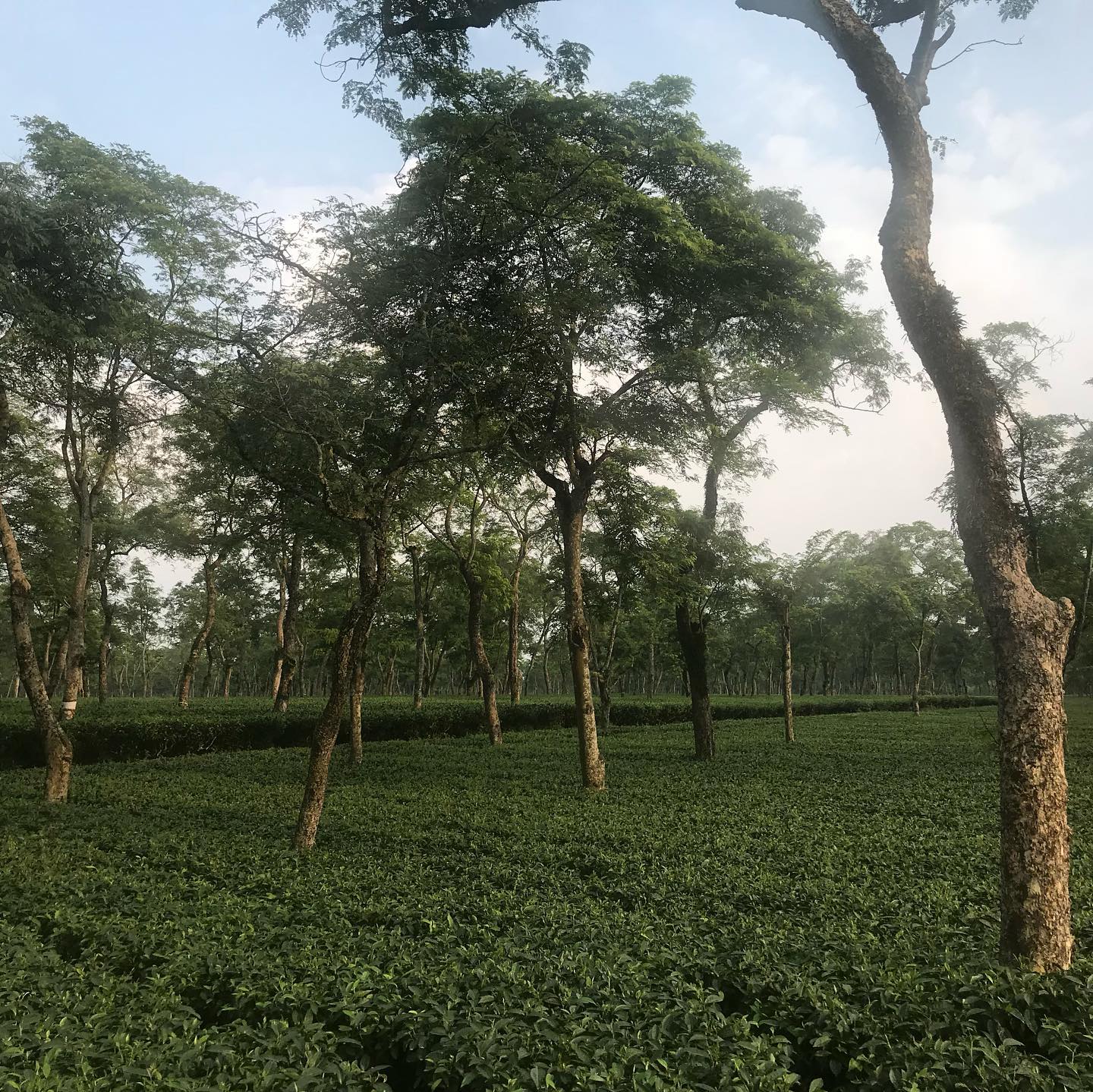
Mangalam Tea Estate: Nestled in Sivasagar, Mangalam Tea Estate stands out for its distinctively smooth and balanced teas. The estate is designed for efficient production, with neatly organized plantations. Its Orthodox teas are particularly popular in European markets, especially Germany, while its golden-tipped black teas add to its premium appeal.
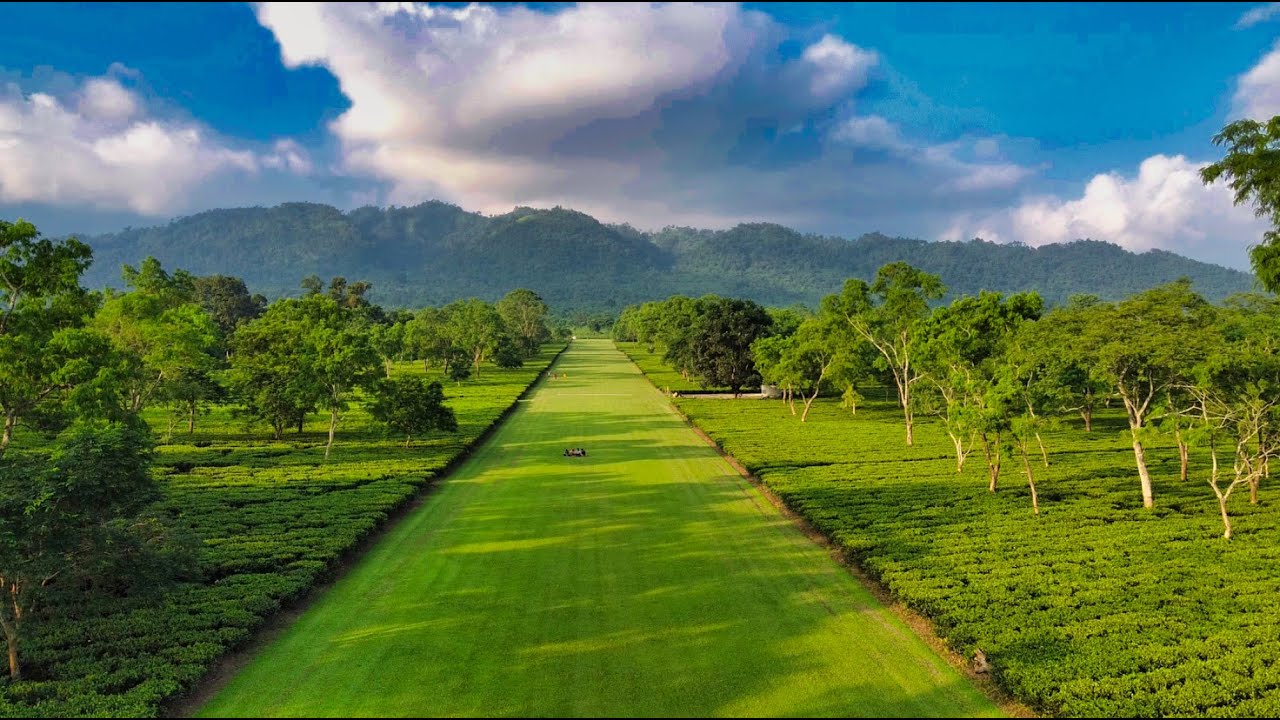
Corramore Tea Estate: Founded in the 1860s by Robert Logan, Corramore Tea Estate in Udalguri is steeped in history. Surrounded by breathtaking views of nearby hills, the estate combines legacy with quality production. It remains a symbol of Assam’s colonial tea heritage, though conservation efforts are needed to preserve its natural beauty.
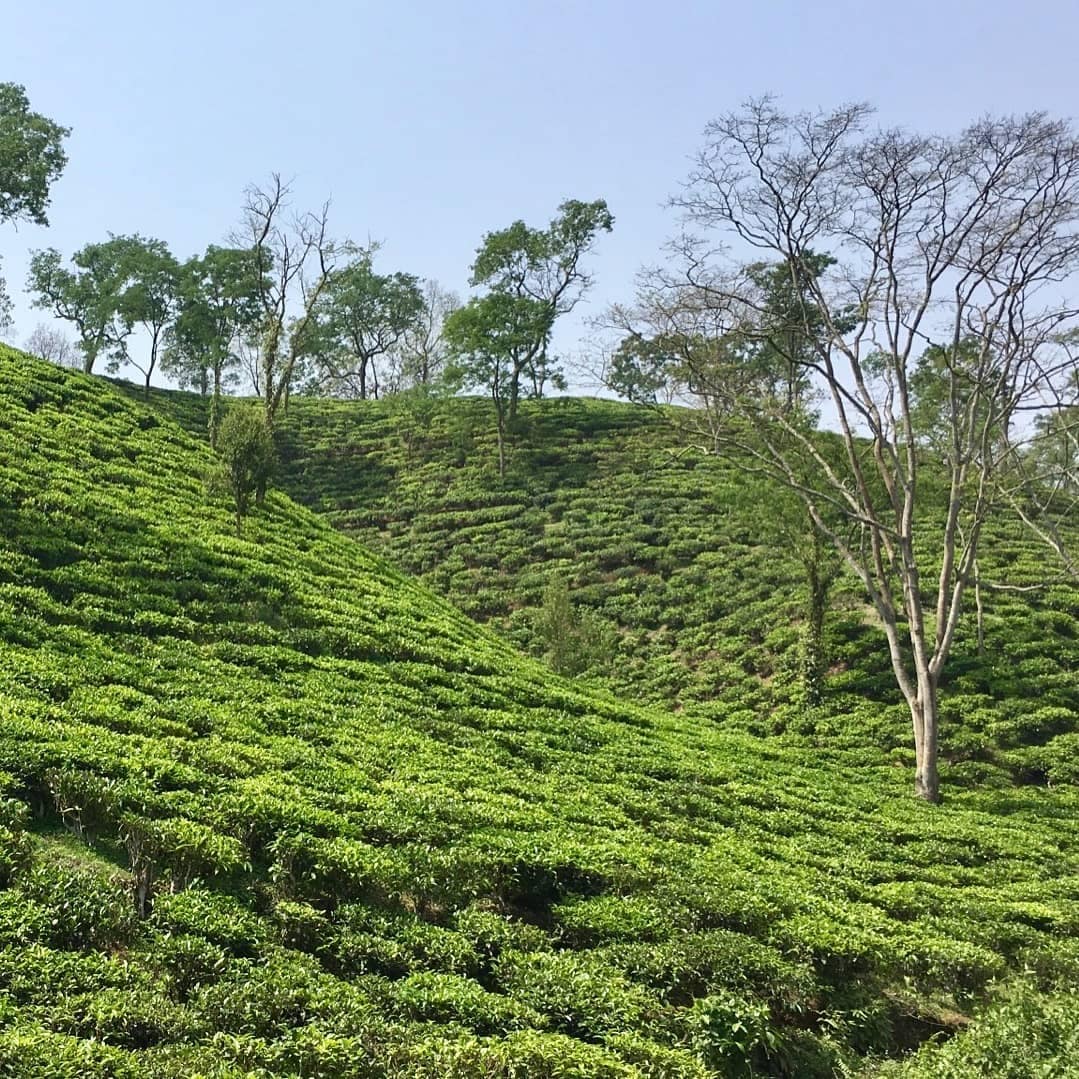
Amchong Tea Estate: Just a short drive from Guwahati, Amchong Tea Estate is one of the most accessible plantations in Assam. Initially focused on CTC tea, it diversified into Orthodox varieties in recent years, gaining strong demand in auctions. The estate is also known for contributing to local infrastructure development, especially road connectivity.
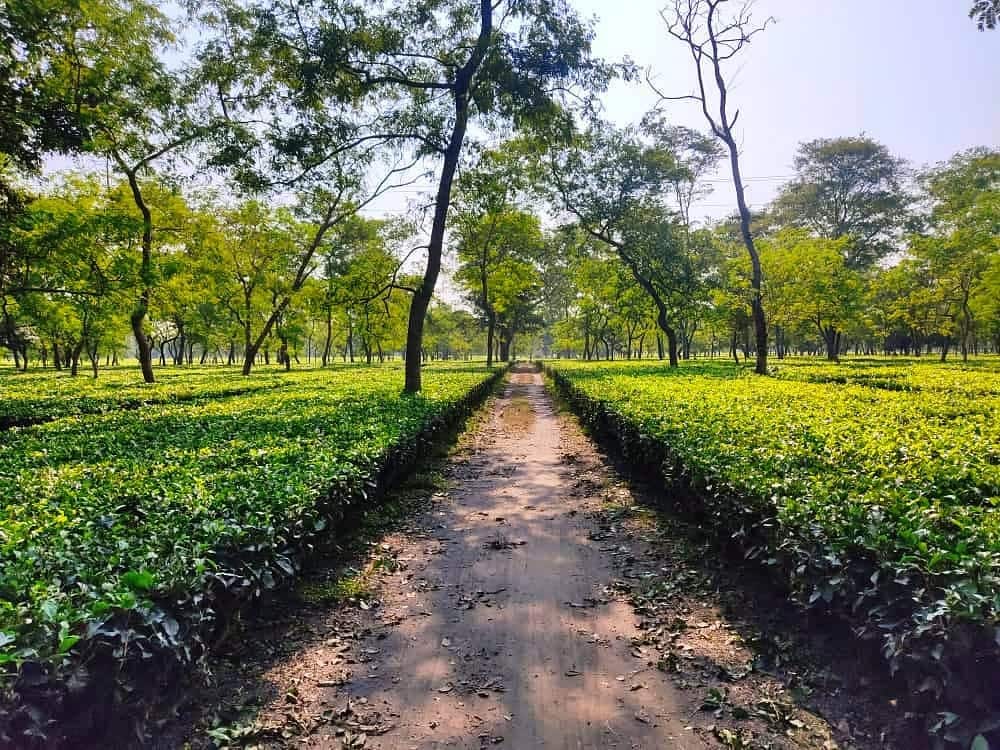
Sapoi Tea Estate: Located in Sonitpur near the Brahmaputra River, Sapoi Tea Estate offers more than just tea, it’s a complete experience. Visitors can stay in charming bungalows, participate in tea plucking, and explore organic farming practices. The estate beautifully blends tea production with eco-tourism and rural lifestyle experiences.


