


Amarnath Yatra 2026 Begins: These New Security Rules Could Change Pilgrims Journey


Last Updated:
Pilgrims entering from Lakhanpur, the gateway to J&K from Punjab, will move under a protective security shield all the way to the Bhagwati Nagar base camp in Jammu.




Only those arriving at Lakhanpur between 6 AM and 8 AM will be escorted onward within the security ring. (Image: File photo)
The 57-day Amarnath Yatra officially begins today, July 3, 2026, with thousands of pilgrims already reaching Jammu and base camps in anticipation of the sacred journey to the holy cave shrine. Set against the breathtaking backdrop of the Himalayas at an altitude of 3,880 meters, devotees are pouring in by the thousands, undeterred by the challenging terrain and high-altitude conditions.
This year’s pilgrimage unfolds under unprecedented security measures, featuring tightly regulated convoys and multi-layered protection to ensure safe passage amid regional security concerns.
Pilgrims entering from Lakhanpur, the gateway to J&K from Punjab, will move under a protective security shield all the way to the Bhagwati Nagar base camp in Jammu. Only those arriving at Lakhanpur between 6 AM and 8 AM will be escorted onward within the security ring. Late arrivals must halt at Lakhanpur, ensuring controlled movement and minimizing vulnerabilities along sensitive stretches.
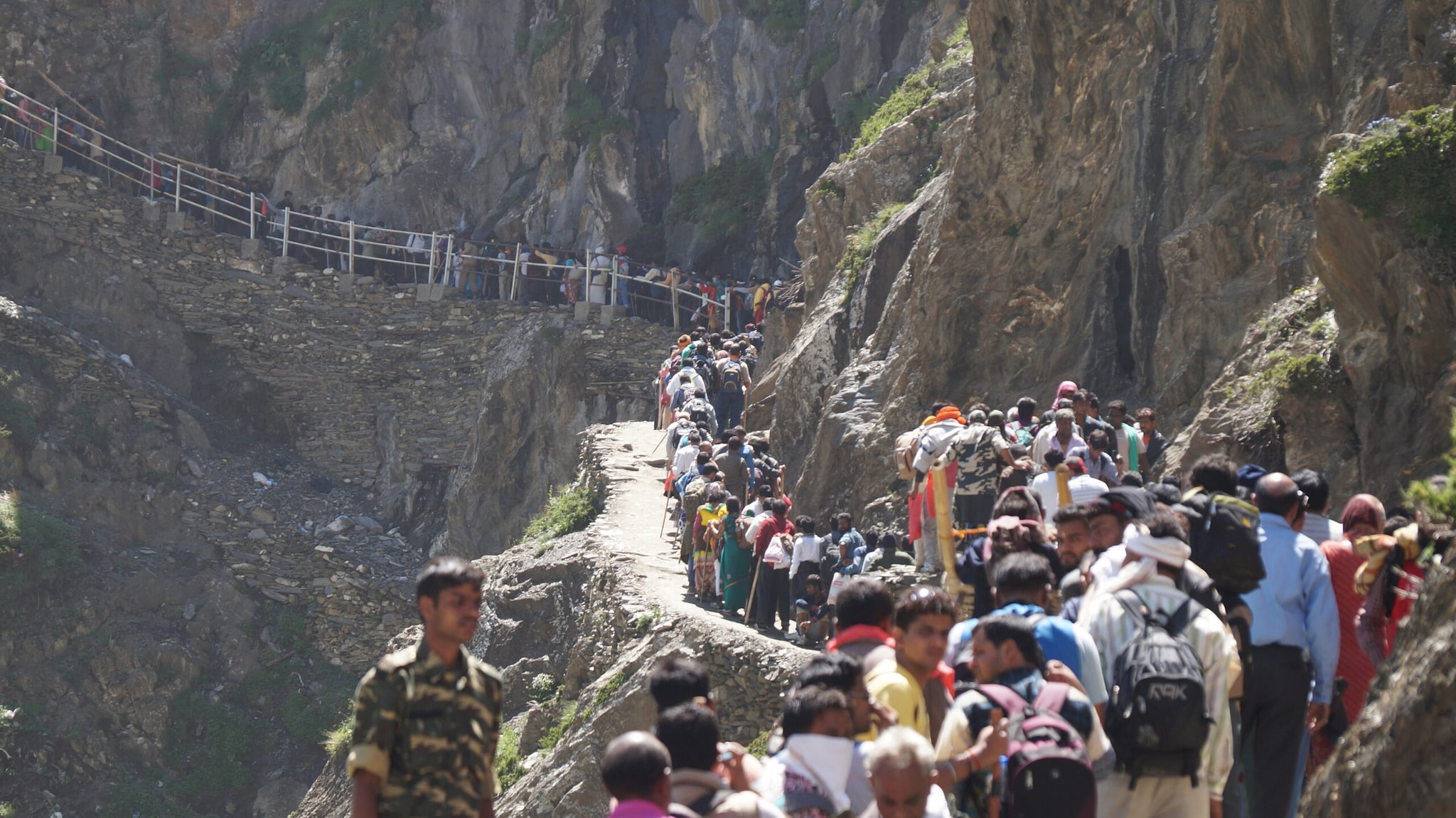
The changes come in the wake of heightened threats, including reports of infiltration attempts and memories of the tragic Pahalgam attack in April 2025 that claimed 26 lives. Following Operation Sindoor, which targeted terror camps across the LoC, authorities have overhauled the operational blueprint to ensure that faith and devotion proceed without compromise to safety.
Amarnath Yatra 2026: What Changes For Pilgrims?
In a bid to fortify the pilgrimage, only the National Highway-44 (Jammu-Srinagar route) is open for yatris. Alternate paths such as the Udhampur-Dhar Road and the Mughal Road remain closed for security reasons. Mini-convoys will operate at scheduled intervals between Udhampur and Banihal to manage traffic and prevent overcrowding. Additional forces have been deployed along link roads near the International Border, with checkpoints established and a strict ban on night travel.
This single-route policy reduces exposure on vulnerable stretches where the highway runs close to the border. Intelligence inputs about potential threats have prompted these layered defenses, ensuring that every segment of the journey from Lakhanpur to base camps is monitored closely.
No Private Vehicles
For the first time, private vehicles are barred from independent travel to Pahalgam or Baltal. All pilgrims, regardless of their mode of arrival, must join designated security convoys from Jammu onward. This “travel in convoy or wait” directive eliminates risks associated with isolated movement and allows for better coordination and response capabilities.
Authorities have set deadlines for convoys to reach transit camps, further streamlining logistics. These measures, while stringent, aim to provide a secure environment for the thousands expected to undertake the yatra via the traditional 48-km Pahalgam route or the shorter 14-km Baltal route.
Pilgrim Comfort
To support the regulated flow, secure halting points capable of accommodating up to 55,000 pilgrims have been established between Lakhanpur and Banihal. Comprehensive arrangements include government lodges, temporary shelters, civil society dormitories, community kitchens (langars) offering free meals, enhanced sanitation, healthcare, and transport facilities.
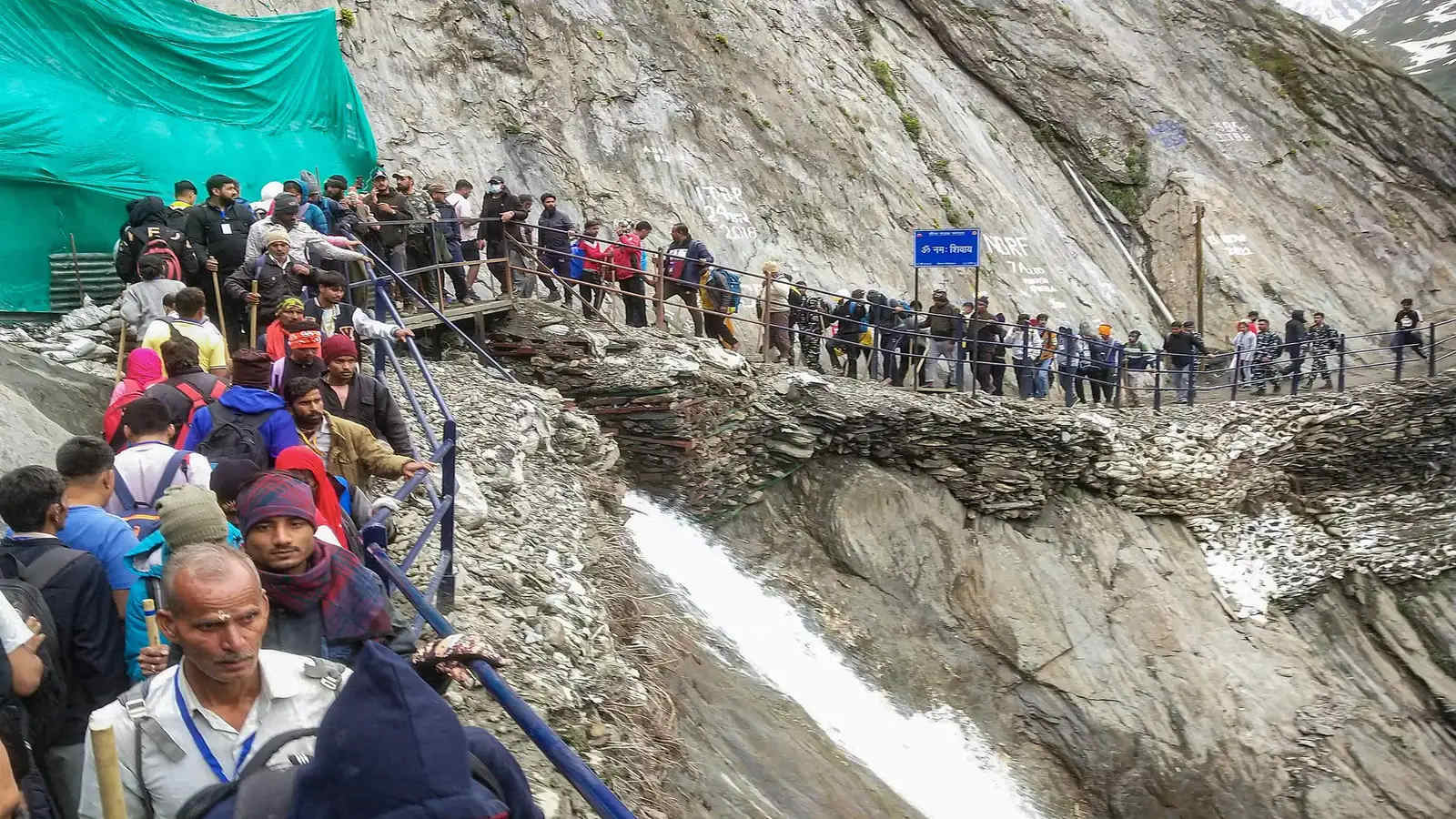
Jammu Divisional Commissioner Ramesh Kumar emphasized that every effort has been made to ensure pilgrims face no inconvenience despite the tighter protocols. Health check-ups, real-time monitoring, and tamper-proof IDs are also part of the high-tech security ecosystem this season.
Lieutenant Governor Manoj Sinha flagged off the first batches from Bhagwati Nagar, with pilgrims reaching Pahalgam and Baltal the same evening. As chants of “Bam Bam Bhole” echo through the valleys, the yatra symbolizes resilience, where devotion meets duty in one of India’s most challenging yet spiritually uplifting treks.
Travelers are advised to register early, adhere strictly to timings, and prepare for high-altitude conditions. While security is paramount, the administration’s focus remains on facilitating a safe and memorable experience for devotees seeking blessings of Lord Shiva at the sacred ice lingam.
With thousands already converging and over 55,000 pilgrims potentially accommodated en route, multi-agency coordination ensures the pilgrimage promises to be both secure and spiritually enriching.


