


British households face rising food insecurity amid Middle East crisis

.png?trim=0%2C0%2C0%2C0&width=1200&height=800&crop=1200%3A800&ssl=1 "British households face rising food insecurity amid Middle East crisis")
Millions of people across the UK are facing increasing food insecurity, a charity has warned, as fears grow that the ongoing Middle East crisis could drive up supermarket prices even further.
The Food Foundation revealed that 12 per cent of UK households, encompassing 6.3 million adults, experienced food insecurity in January. This marks an increase from 11 per cent recorded in June of last year.
Alarmingly, 15 per cent of households, including 2.2 million children, were also affected during the same month.
The charity defines food insecurity as individuals or household members having smaller or skipped meals, experiencing hunger without eating, or going without food for an entire day over the past month due to inability to afford or access it.
Data from YouGov, independently analysed for The Food Foundation, indicated that food insecurity levels had peaked during the height of the cost-of-living crisis in 2022 before slowly declining. However, the latest figures suggest a concerning reversal, with rates now climbing once more.
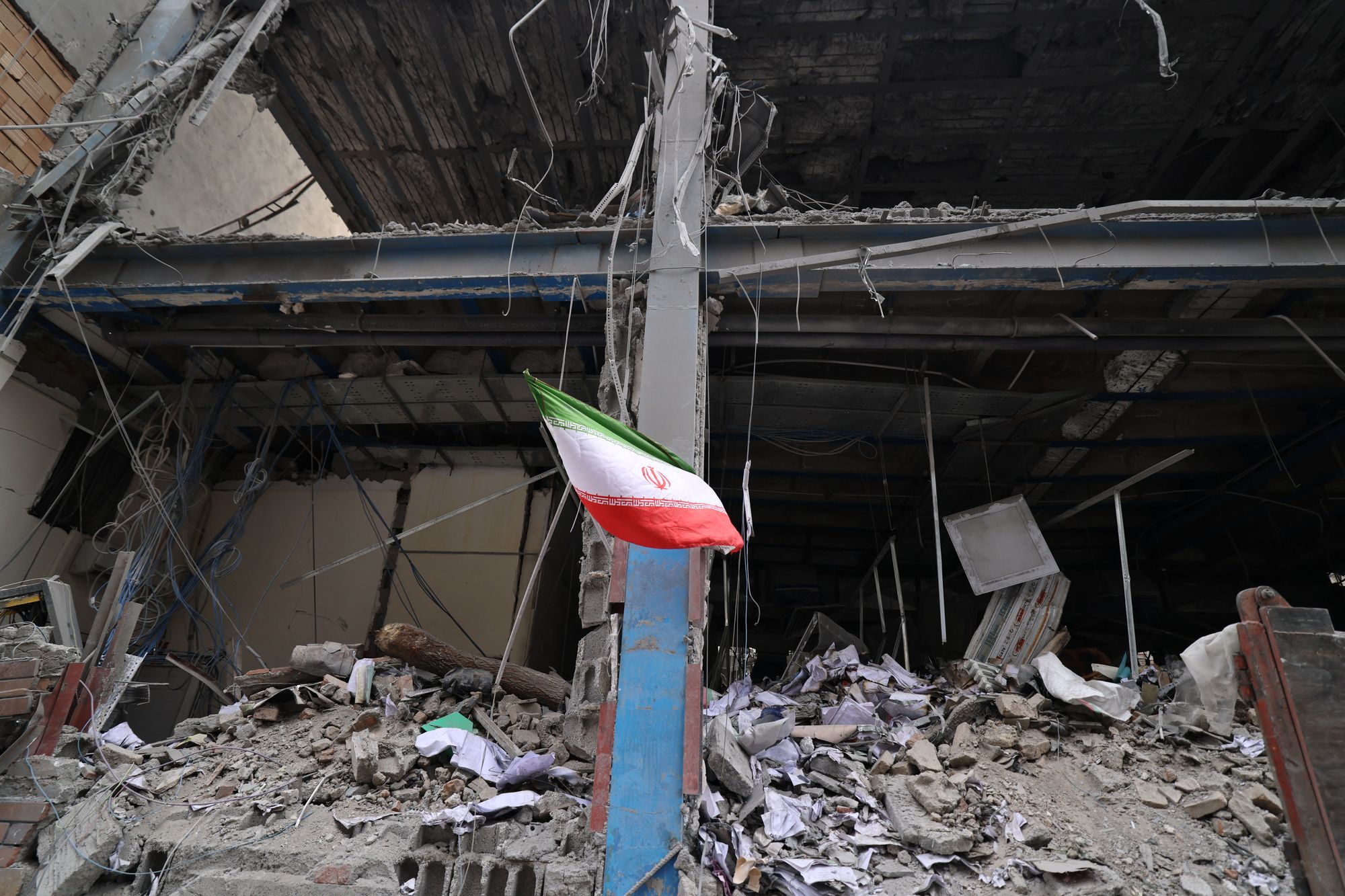
Adding to these worries, the charity cautioned that a prolonged conflict in Iran could significantly impact food prices and exacerbate insecurity. This is attributed to potential rises in energy costs and a restricted supply of fertiliser.
The Food Foundation’s ‘Basic Basket Tracker’ highlights the existing strain, showing that the cost of a typical shopping basket has surged by 33 per cent since April 2022.
In response, the charity has joined calls for a ‘Good Food Bill’, advocating for a domestic food supply that is both nutritious and more resilient to sudden price shocks.
Anna Taylor, executive director of The Food Foundation, stated: “Many are asking whether the conflict in Iran will push up food prices. The honest answer is: it will, if it is prolonged.
“But that question misses the bigger point. The real issue is that the UK food system has become dangerously exposed to shocks far beyond our borders.
“What we need now is a Good Food Bill that sets out a long-term framework for building resilience in the UK food system — one that holds successive governments to account and protects citizens and farmers alike.”
Professor Tim Lang, emeritus professor of food policy at City St George’s, University of London, echoed these sentiments, saying: “If getting prepared to feed the public well in times of shock was taken seriously, we’d have to redesign the food system to make that happen.
“Placing a duty on authorities to be able to feed all the public well in crises means civil food resilience becomes real. We cannot just trust to luck or big retailers to feed us in crises.
“Food resilience is a common good. Such a duty would mean food is taken as seriously as the energy system. If we can plan to keep the lights on, why not plan to keep people fed?”


