Doctors say diabetics can eat raw coconut in moderation. Low in carbs and GI, it helps control sugar spikes, but excess intake may affect weight and heart health.
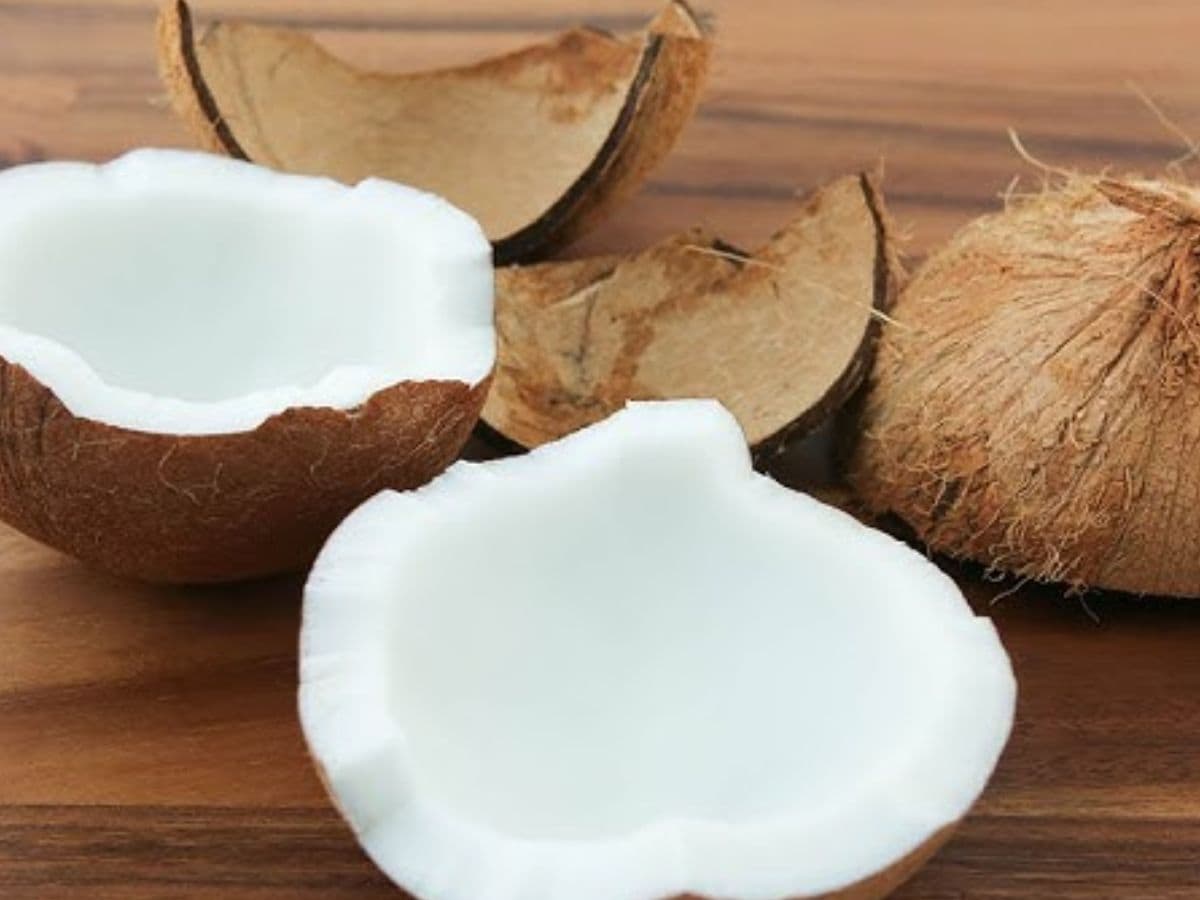
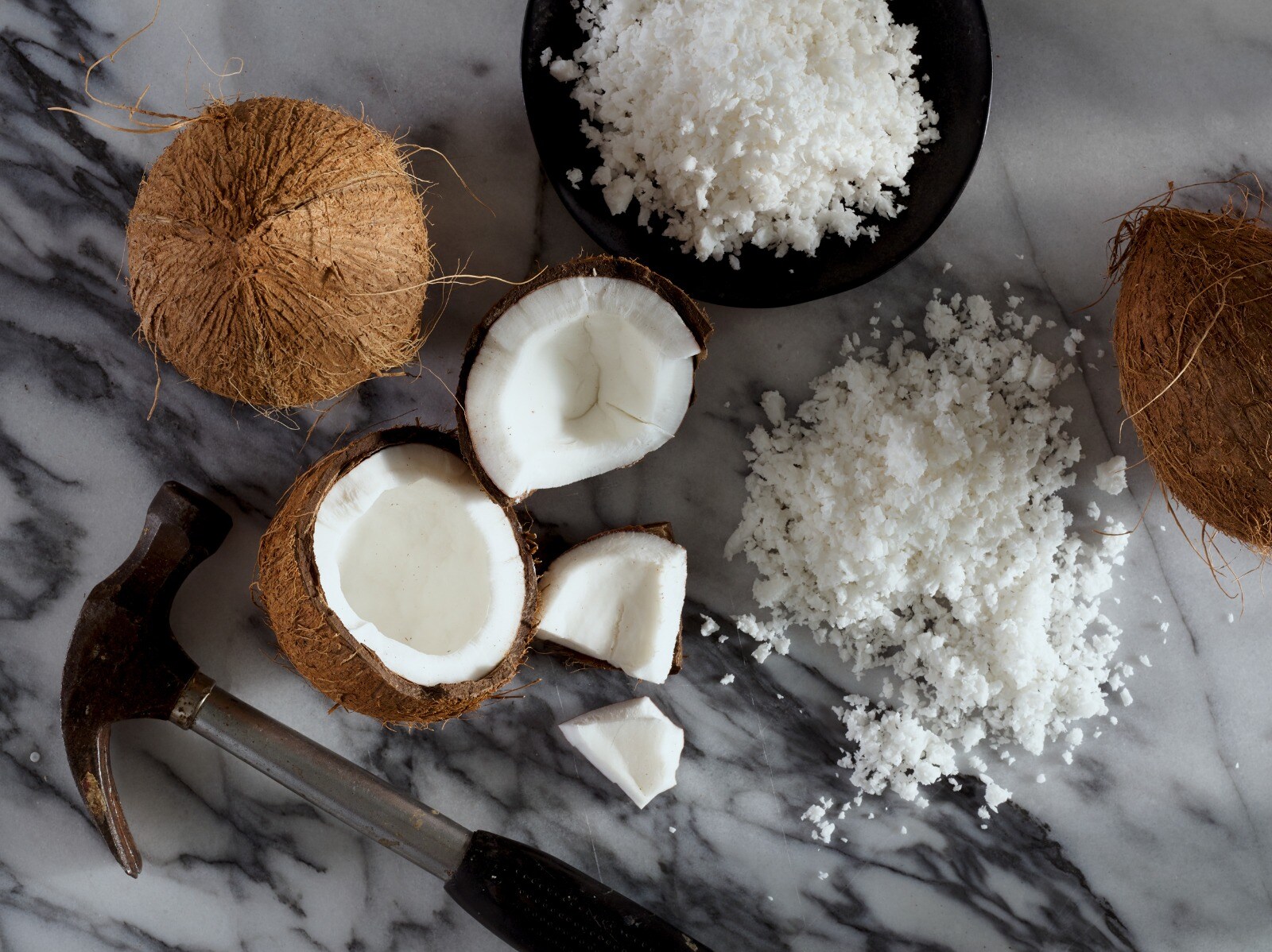
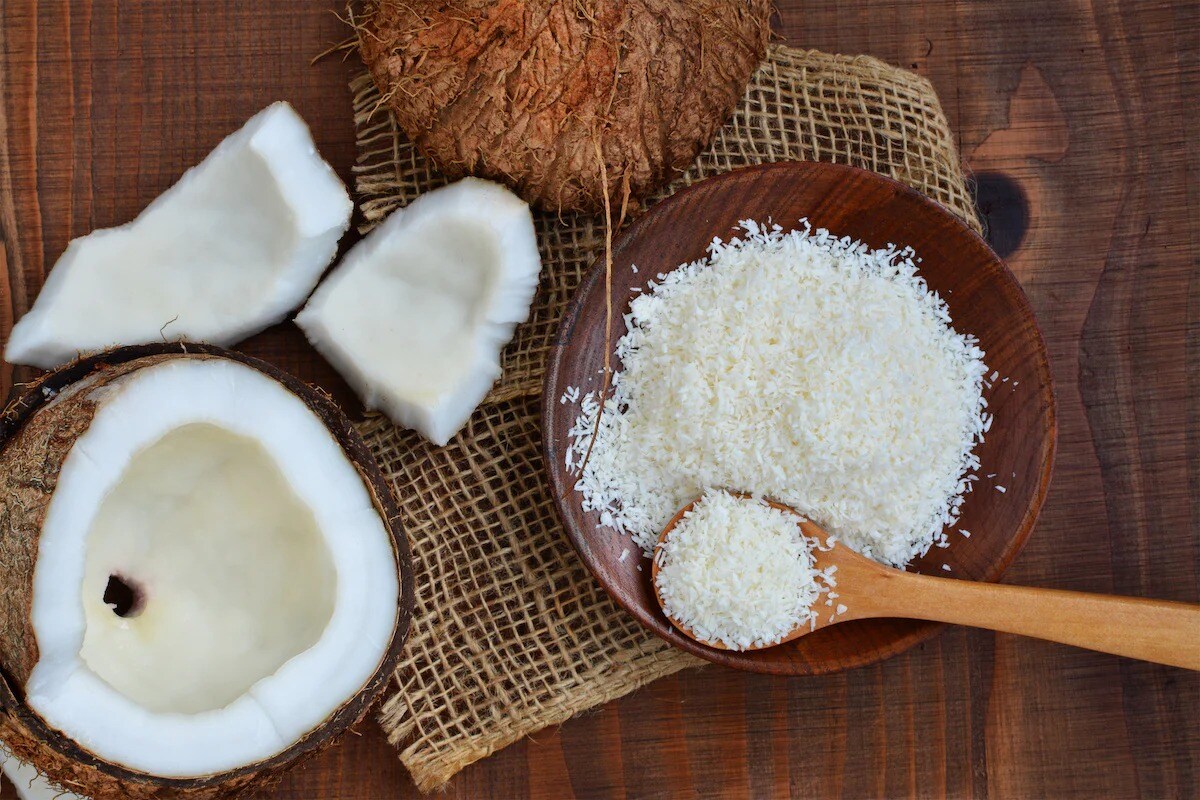
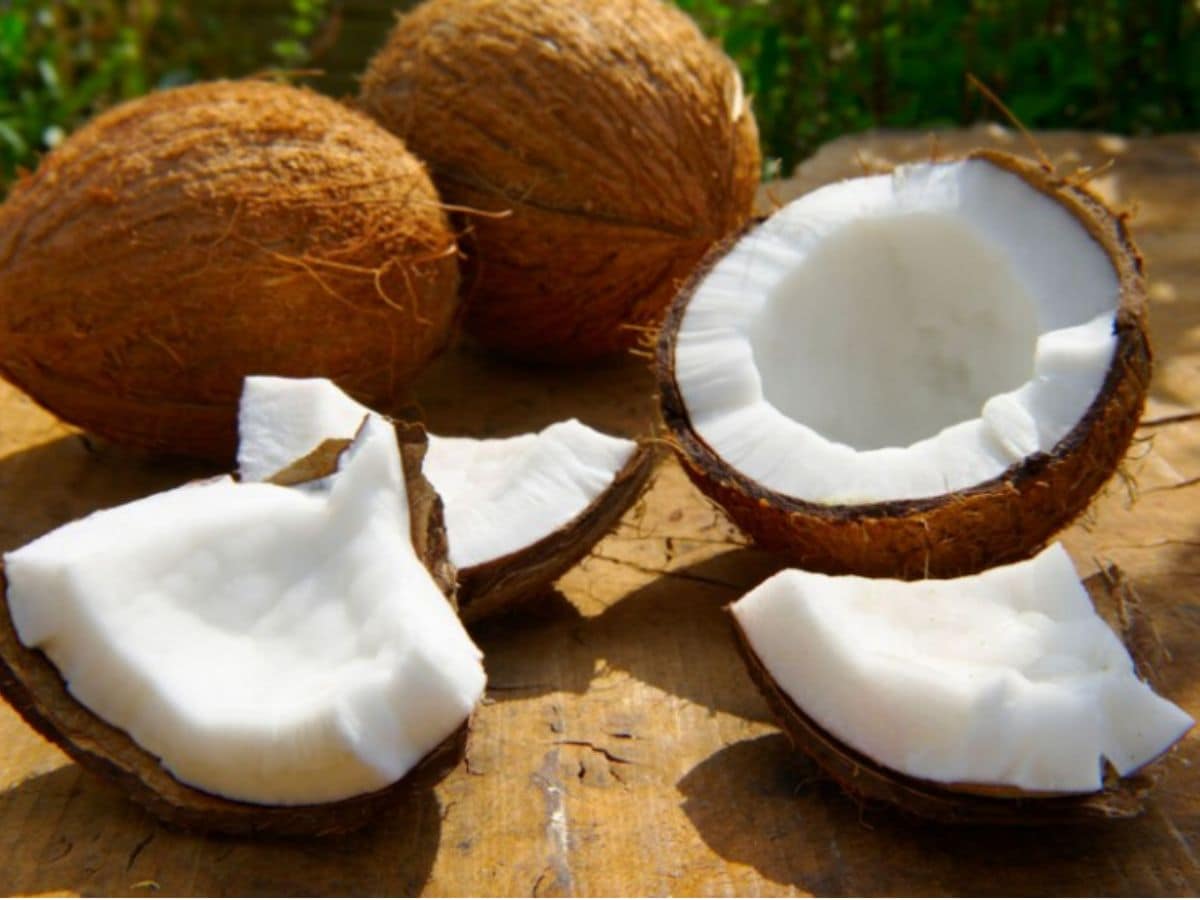
Fibre slows down digestion, which helps prevent sudden spikes in blood sugar levels after meals. Raw coconut also has a low glycaemic index, meaning it does not cause sharp increases in blood glucose. For this reason, doctors say diabetics do not need to eliminate coconut entirely from their diet.However, moderation is key. Coconut is high in calories and saturated fats, and excessive consumption may lead to weight gain or impact heart health. On the positive side, its fibre content helps keep the stomach full for longer, reducing unnecessary snacking, an advantage for people trying to manage weight and those with type 2 diabetes.Coconut also contains medium-chain fats, which are quickly converted into energy instead of being stored as body fat. Additionally, it provides essential minerals such as iron that support vital bodily functions.Health experts suggest that compared to sugary sweets and processed snacks, coconut can be a healthier alternative if consumed wisely. For people with diabetes, an intake of about 30–40 grams per day (roughly 2–3 tablespoons) is considered safe.It is best consumed along with vegetables, salads, or other low-glycaemic foods. Diabetics should avoid coconut-based sweets and desserts that contain added sugar. Those introducing coconut into their diet should monitor blood sugar levels to understand how their body responds.
Stay Ahead, Read Faster
Scan the QR code to download the News18 app and enjoy a seamless news experience anytime, anywhere.
In many Indian households, coconuts are an inseparable part of daily life, broken at temples before auspicious beginnings, added to curries, chutneys, sweets, or simply eaten raw. While some enjoy it fresh, others prefer it ground into chutney. But for people living with diabetes, coconut often comes with doubt and hesitation.