


Can’t Stop Snoozing Your Morning Alarms? Here’s Why It May Be Wrecking Your Routine


Snooze Doesn’t Complete Your Sleep
When you hit the snooze button, you usually sleep for only a few extra minutes. That’s not enough to complete a full sleep cycle, so your brain doesn’t get the deep, refreshing rest it needs.
It Can Increase Morning Grogginess
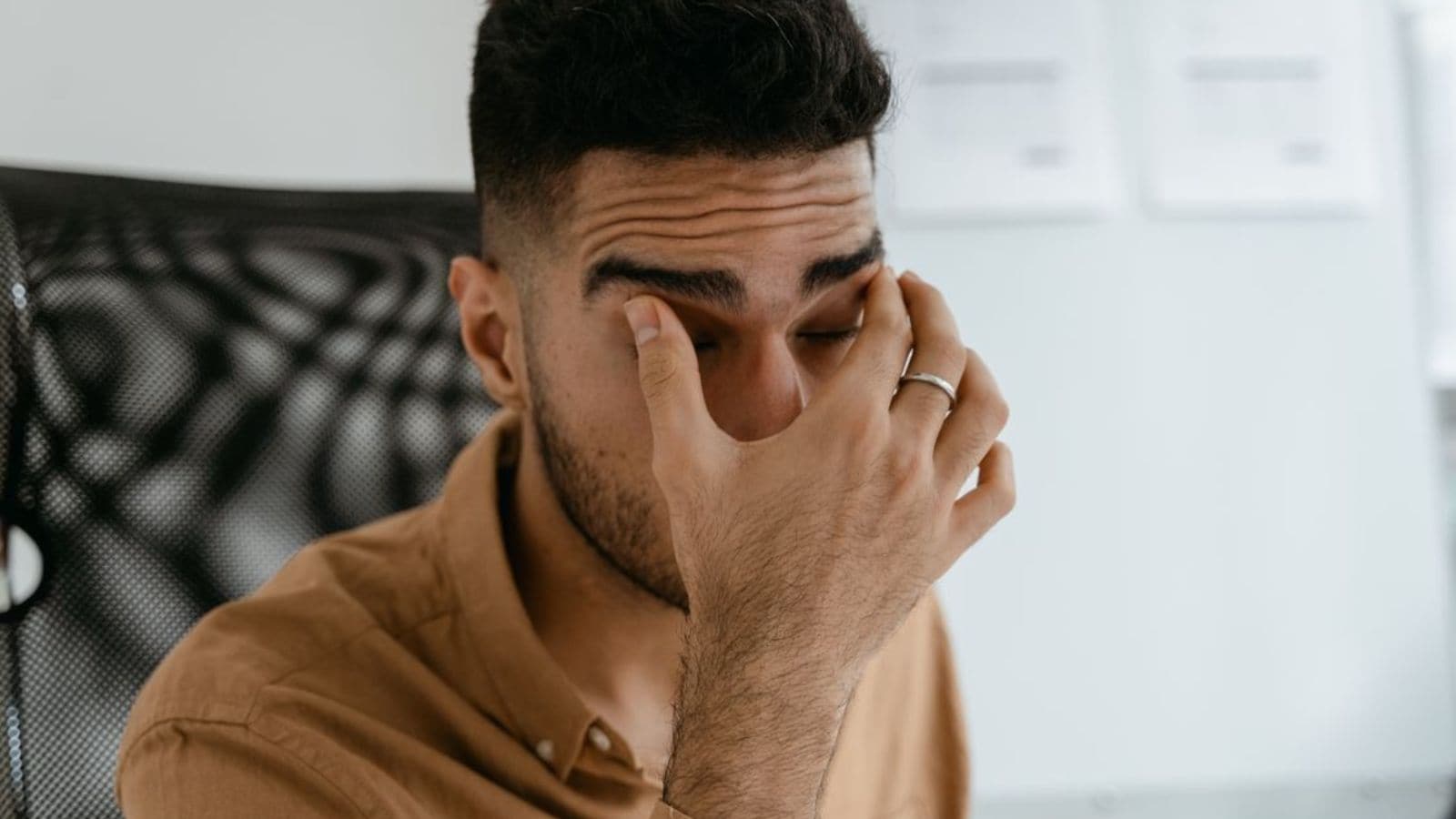
Snoozing may leave you feeling more tired rather than refreshed. Waking up repeatedly can prolong sleep inertia, a state of mental fog, slow thinking, and reduced alertness after waking.
Your Brain Gets Confused (Image: AI)
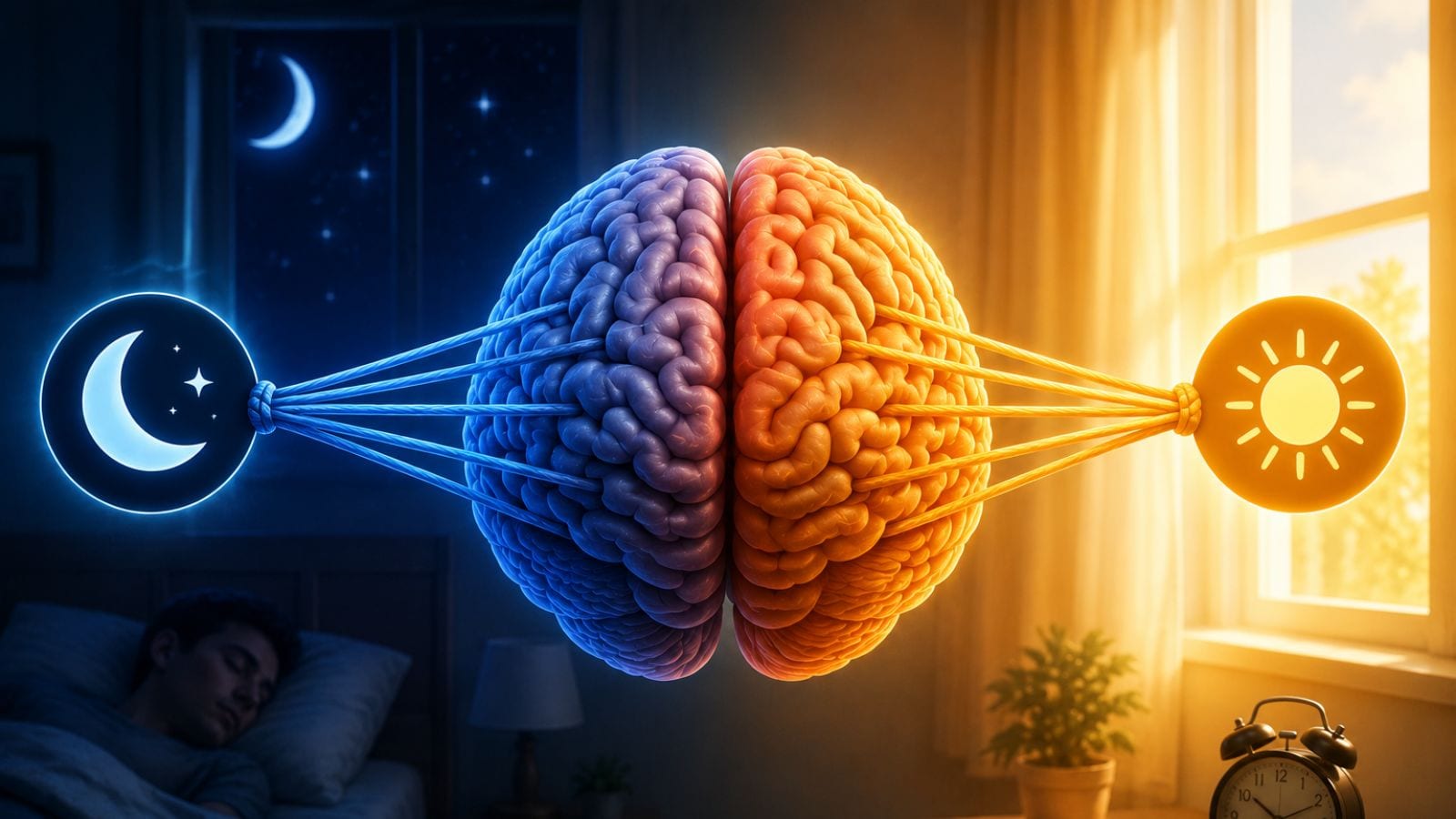
When your alarm rings, your body starts preparing to wake up. Hitting snooze tells your brain to sleep again, creating mixed signals that make waking up even harder.
Broken Sleep Is Less Refreshing
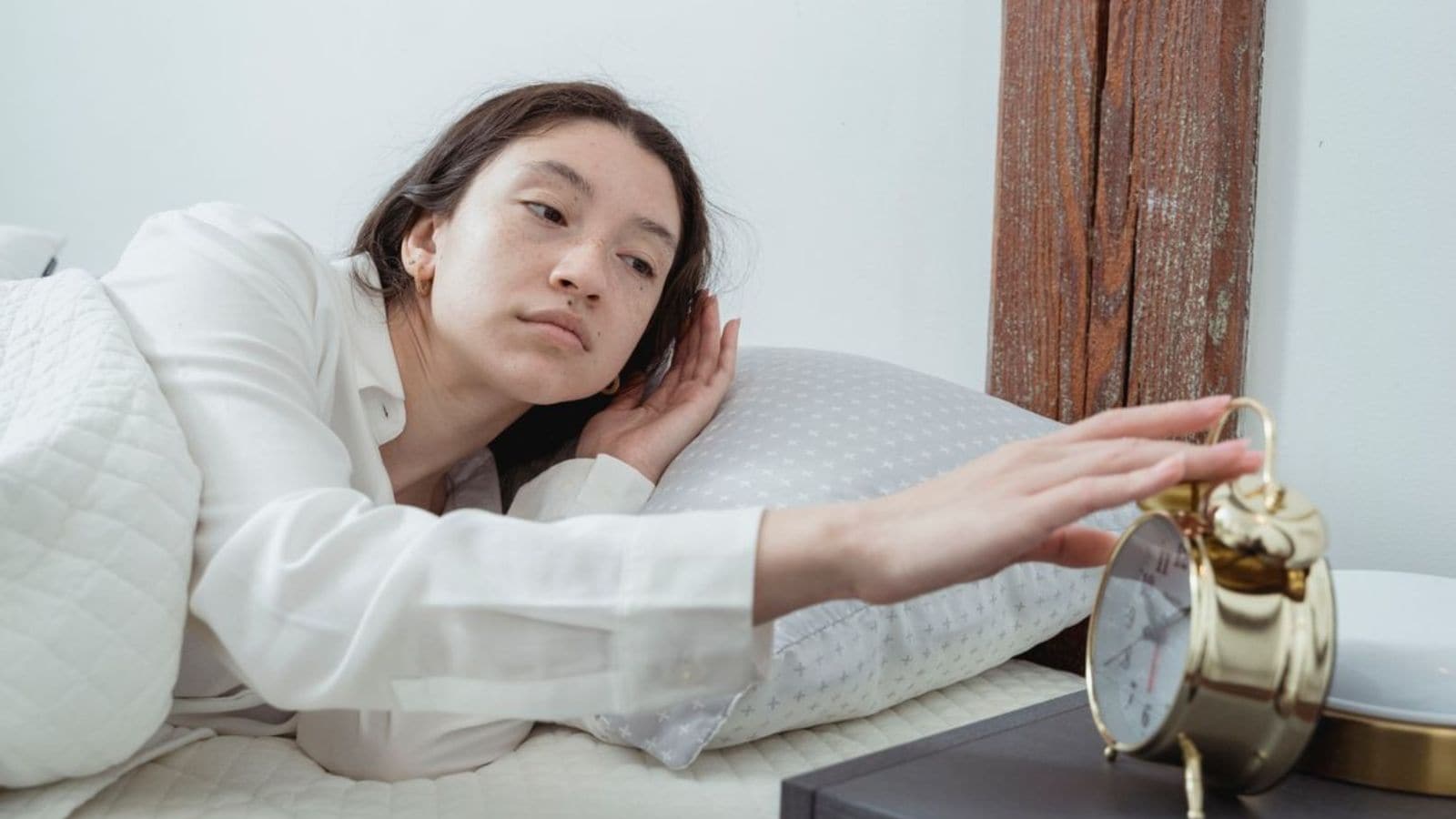
Even if snoozing gives you a few extra minutes of sleep, that sleep is often light and interrupted. It doesn’t provide the same benefits as one continuous, uninterrupted sleep.

It Can Affect Your Morning Performance
Making snoozing a daily habit can reduce concentration, slow reaction time, lower energy levels, and make it harder to stay focused during the first few hours of the day.
How to Wake Up Feeling Better
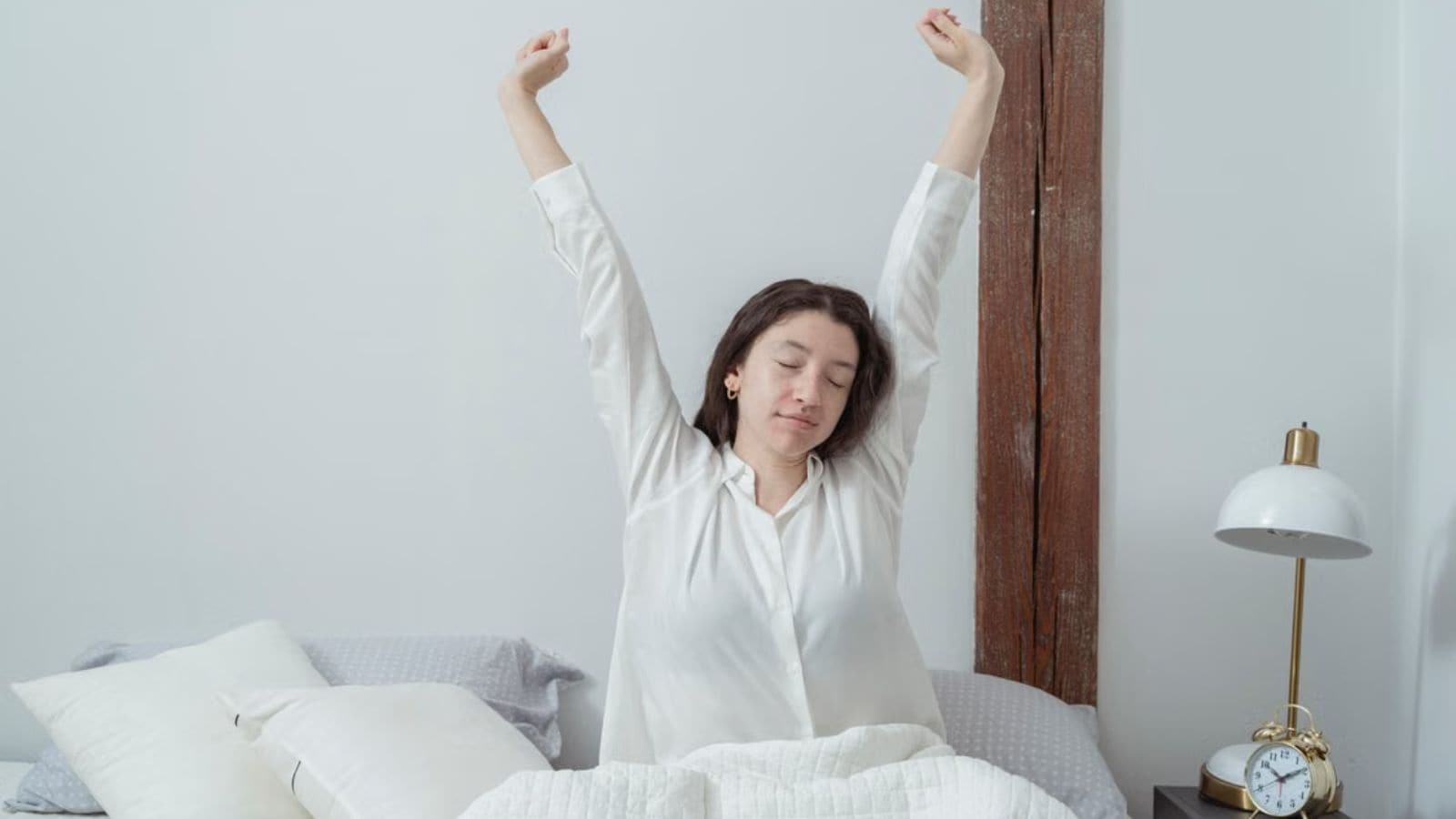
Try going to bed earlier, keep your alarm away from the bed, and wake up to the first alarm. A consistent sleep schedule helps you feel more refreshed and energised every morning.


