


Chaitra Navratri 2026: 7 Vegetables You Can Eat While Fasting


Potato: The ultimate fasting staple, potatoes are versatile and energy-dense. Rich in complex carbohydrates, they provide the stamina needed during long hours of prayer. Whether boiled, sauteed in ghee with cumin, or mashed, they remain the most popular base for Vrat-friendly meals.
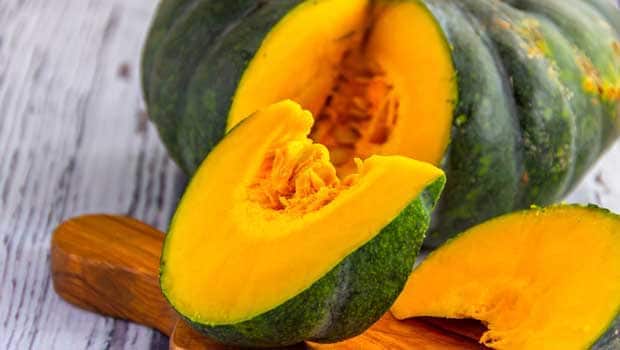
Pumpkin (Kaddu): Pumpkin is highly regarded in Sattvic diets for its natural sweetness and cooling properties. Packed with Vitamin A and antioxidants, it is easy to digest. Slow-cooked with green chilies and sendha namak, it offers a satisfying, nutritious balance to fried snacks.
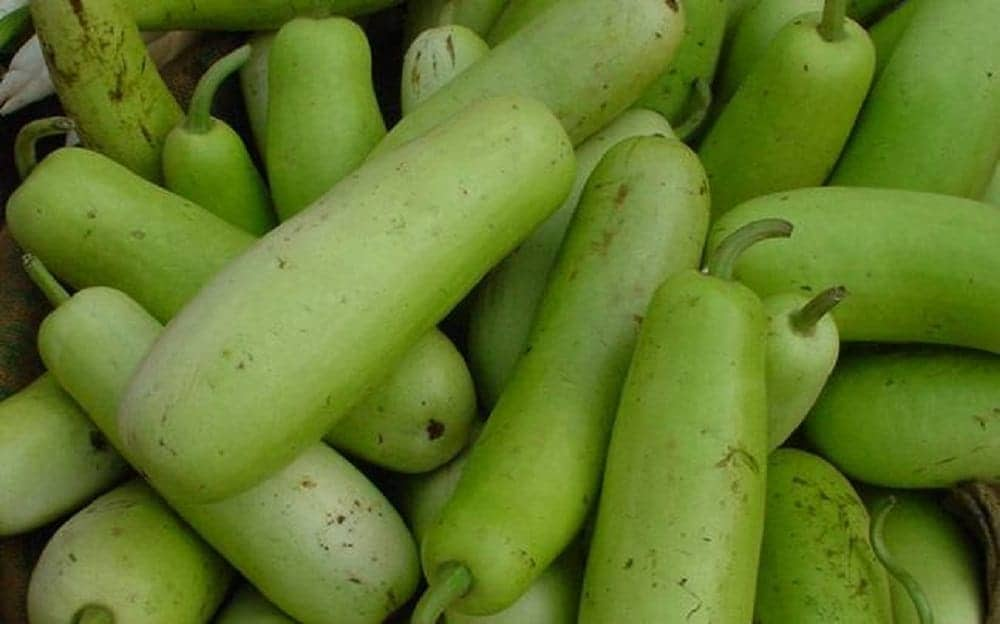
Bottle Gourd (Lauki): With its high water content, bottle gourd is perfect for staying hydrated during the spring heat of Chitra Navratri. This light vegetable promotes digestion and can be prepared as a savory curry or a sweet halwa using milk and nuts.
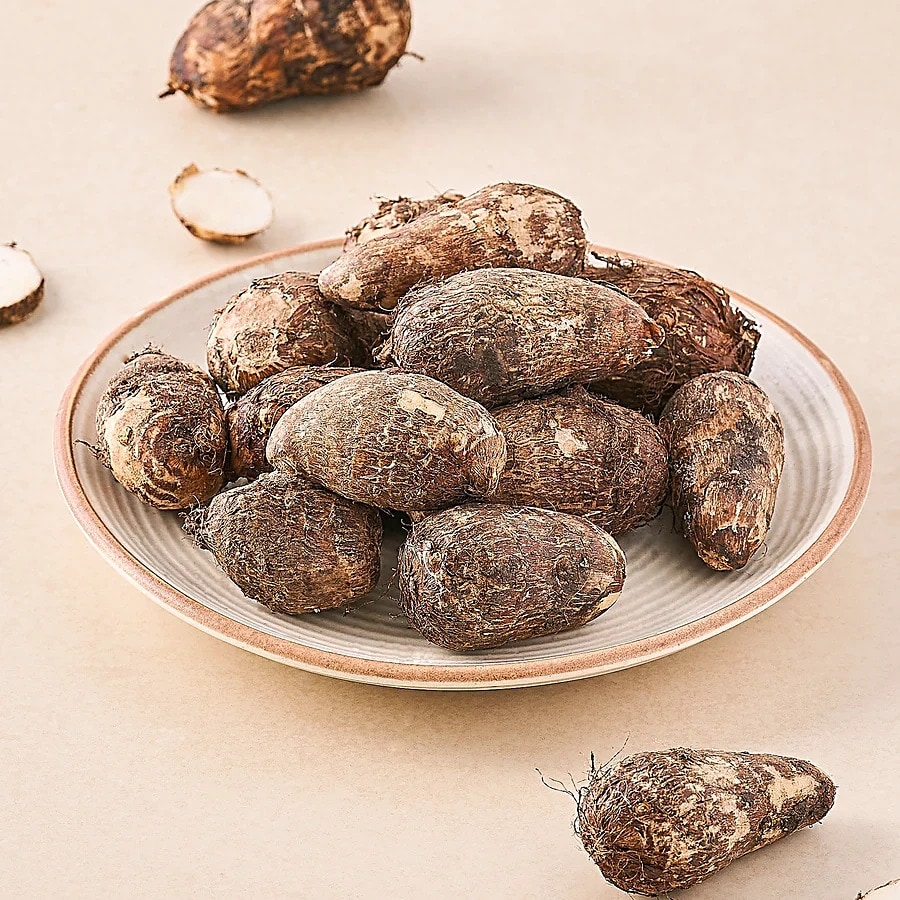
Colocasia (Arbi): Arbi is an excellent substitute for potatoes, offering a unique texture and plenty of dietary fiber. When thinly sliced and crisp-fried in peanut oil, it becomes a delicious snack. It provides sustained energy, helping practitioners feel full for longer periods.
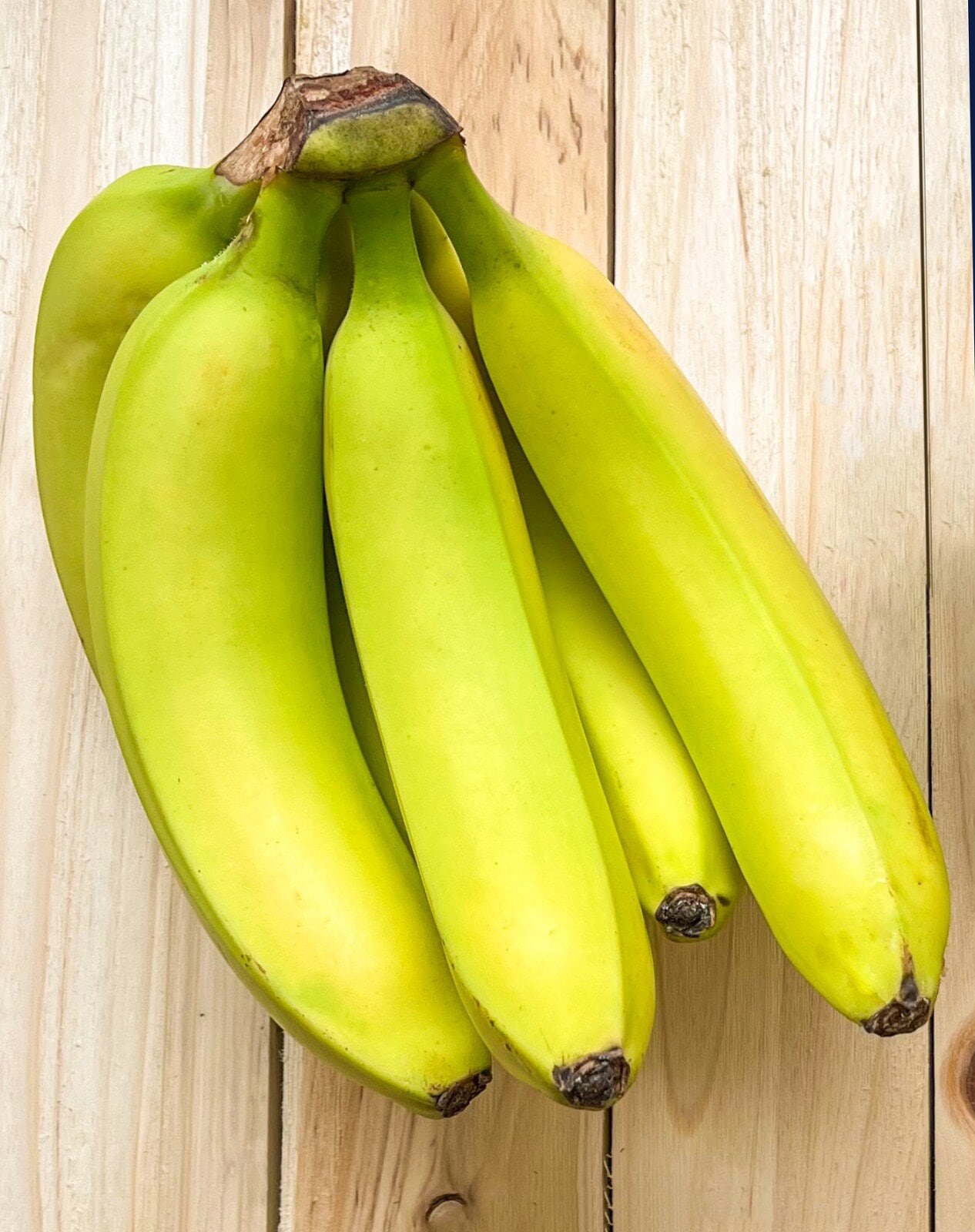
Raw Banana (Kacha Kela): Raw bananas are a powerhouse of resistant starch and potassium. Often used to make “tikkis” or flour for parathas, they are a fantastic grain-free alternative. Their firm texture makes them ideal for hearty curries that pair perfectly with rajgira rotis.
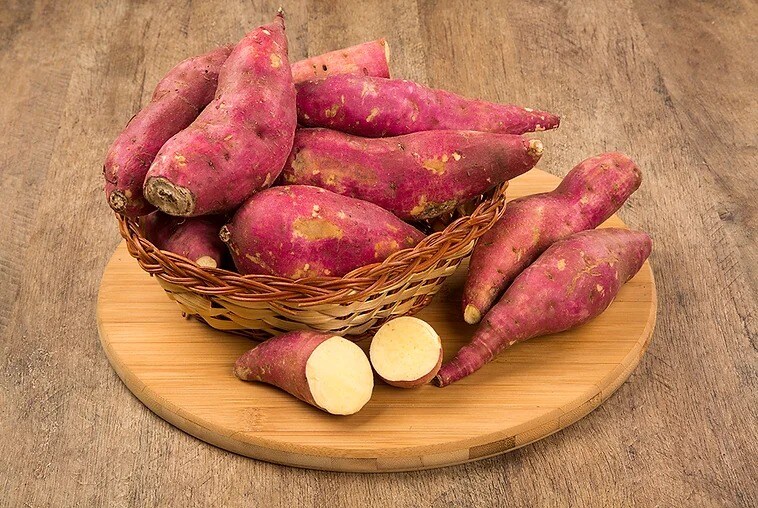
Sweet Potato (Shakarkand): Sweet potatoes are nutritionally superior, offering a boost of fiber and beta-carotene. They are often enjoyed roasted or boiled as a “chaat” with a squeeze of lemon. Their natural sugars provide a healthy, instant energy lift during the fast.
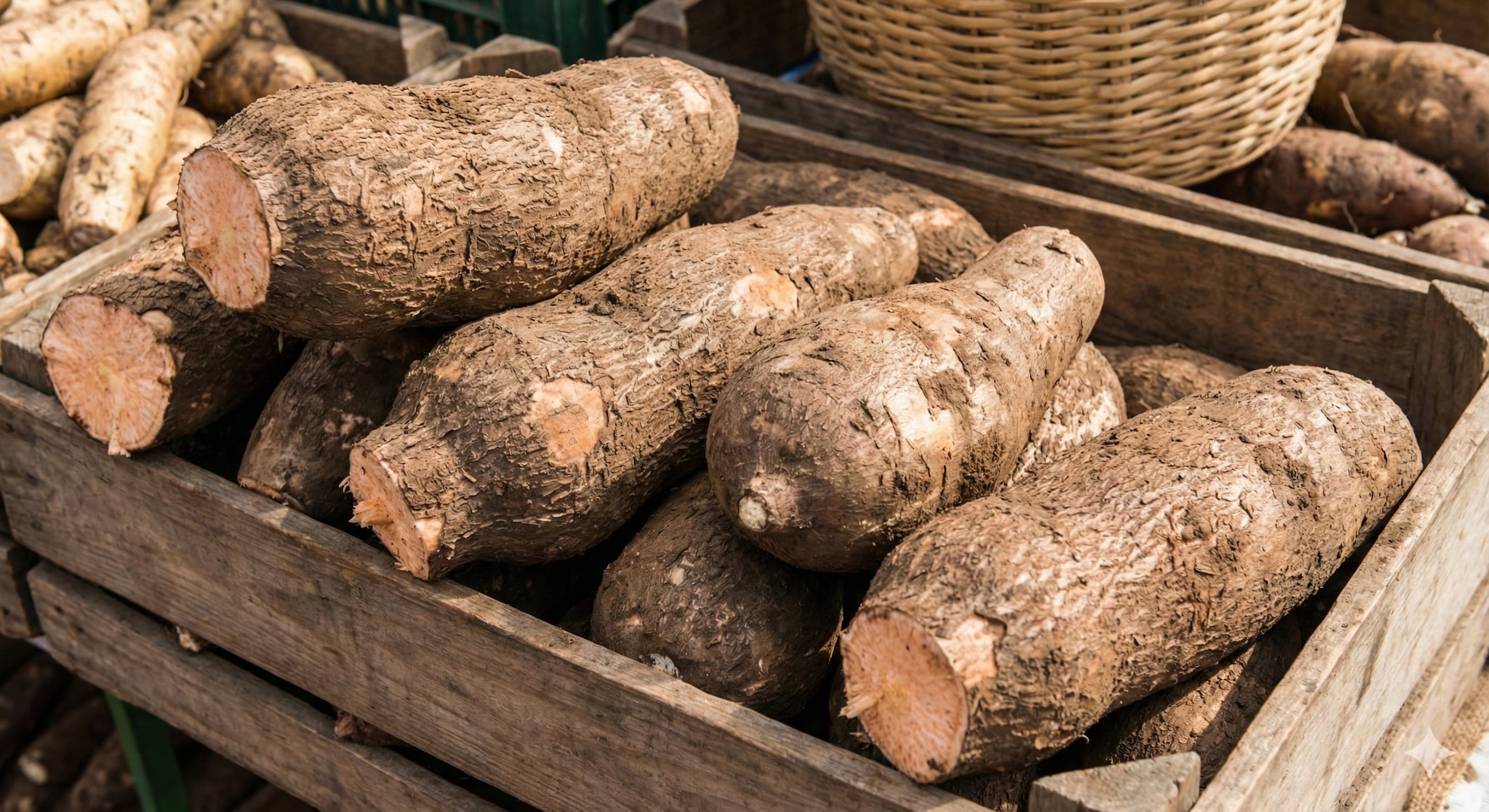
Yam (Jimikand): Yam is a traditional root vegetable favoured during Hindu fasts for its earthy flavor and density. It is typically stir-fried with cooling spices. Known for its ability to regulate blood sugar, it is a sturdy addition to a restrictive diet.


