


Does All Of India Observe The New Year On January 1? Explaining Differences in Traditional Celebrations


As the clock strikes midnight on December 31, the world prepares to welcome 2026 with utmost joy and thrill. Different countries welcome the New Year at different times due to time zones, sharing joy across the globe. (Photo: Pexels)

In India, the day is celebrated with parties, fireworks, and family gatherings. While we may all share in the excitement, do you know that the New Year is not observed on January 1 in all of India? Let’s find out what influences India’s traditional New Year. (Photo: Pexels)
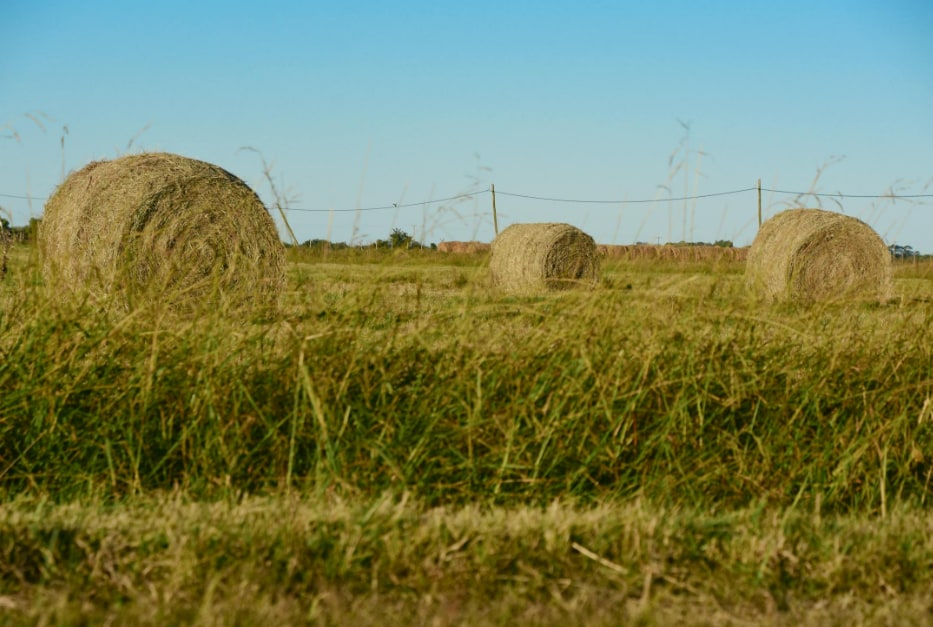
India’s traditional New Year’s follow lunar, solar, or lunisolar calendars connected to seasons, harvests, and religious cycles. (Photo: Pexels)
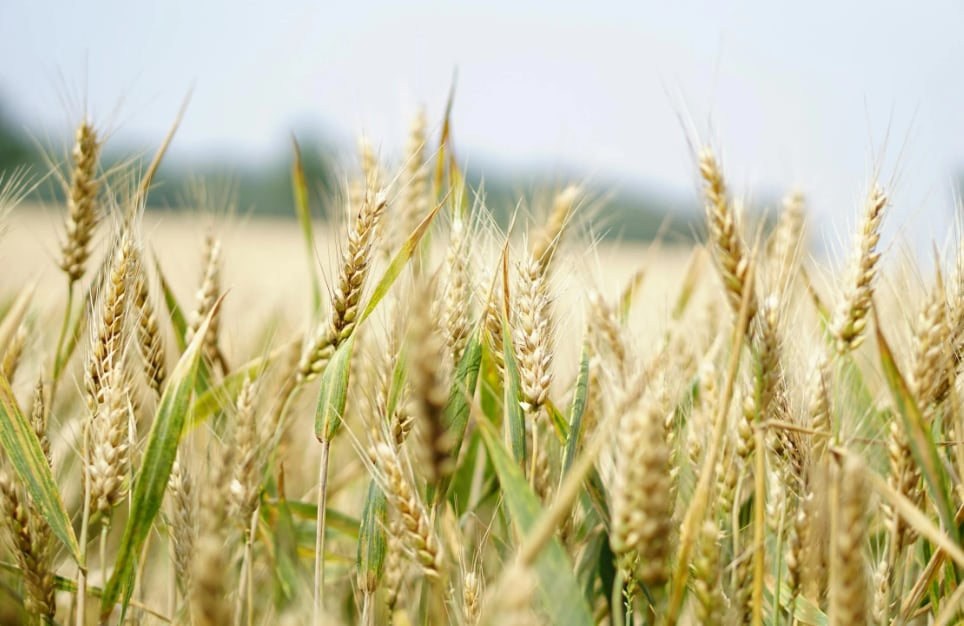
Some parts of the world, including Andhra Pradesh, Telangana, Karnataka, and Maharashtra, celebrate New Year in March–April, marking the start of a new harvest cycle. (Photo: Pexels)

Observed on April 14/15 in Tamil Nadu and Kerala, symbolizing prosperity, hope, and new beginnings. (Photo: Pexels)
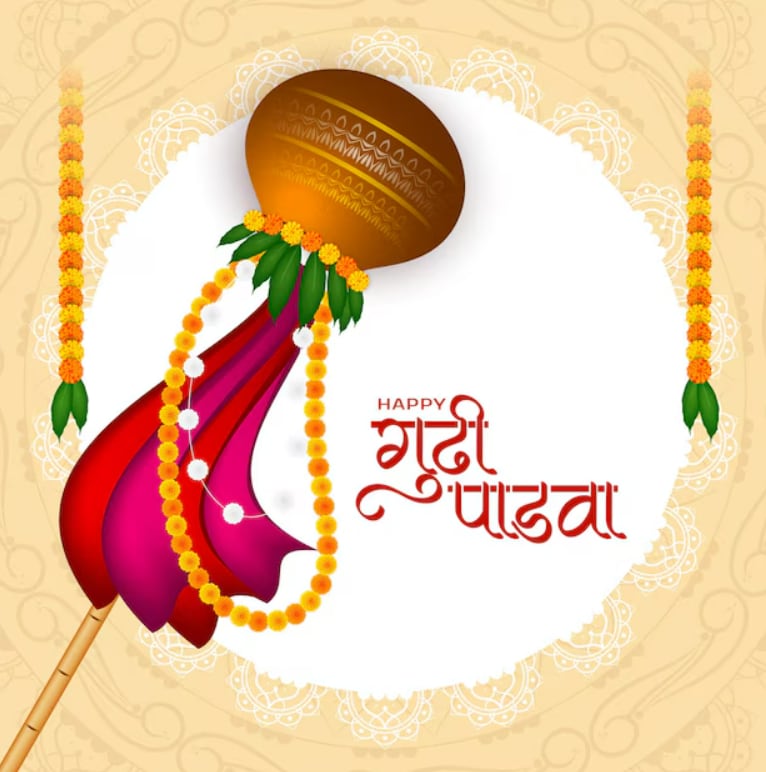
Andhra Pradesh, Telangana, Karnataka, and Maharashtra mark the New Year with Ugadi/Gudi Padwa. Celebrated in March or April, the featival is marked with neem-jaggery dishes and door decorations.
(Photo: Freepik)

Puthandu/Vishu, celebrated in Tamil Nadu and Kerala, includes kolams, ritual trays (kani in Kerala), and elaborate feasts. (Photo: Freepik)
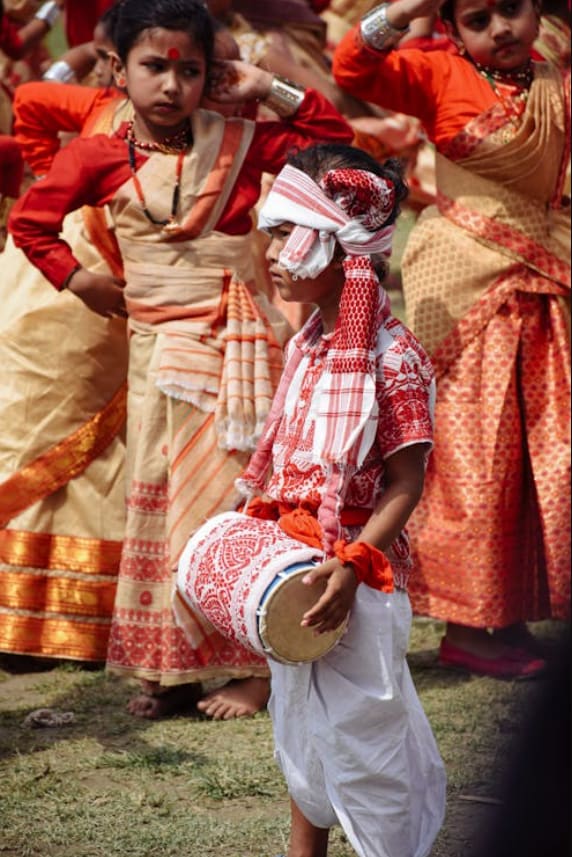
Assam and West Bengal’s Bohag Bihu and Poila Boishakh marks the New Yaer. The states celebrate the harvest festival with music, dance, and traditional sweets in April. Celebrated on April 13 or 14, Vaisakhi honors Sikh heritage and the wheat harvest with joy and devotion.
(Photo: Freepik)
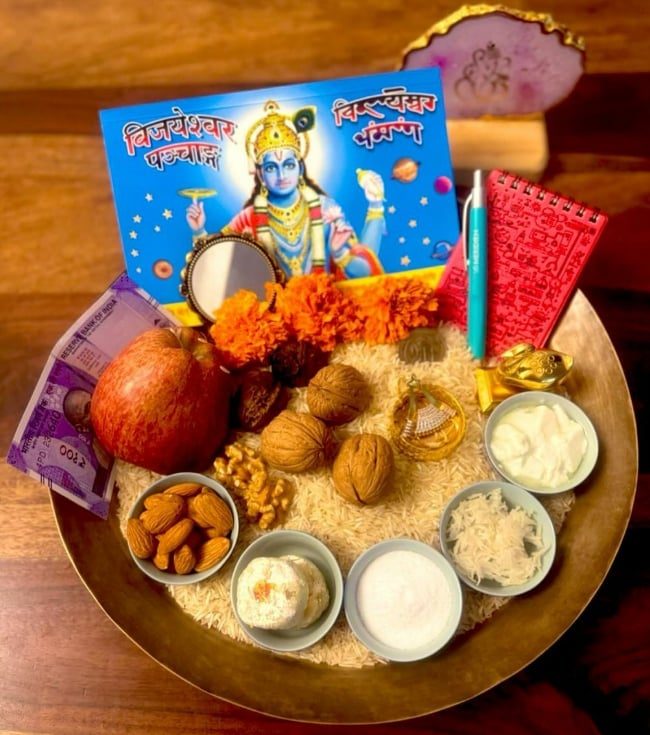
Other communities celebrate New Year through festivals like Navreh (Kashmir), Cheti Chand (Sindhis), and Nutan Varsh (Gujarat). (Photo: Instagram/@adityarajkaul)

While traditional New Year’s focus on prayers, rituals, fasting, rangoli, new clothes, and community feasts, the Gregorian New Year blends modern, global customs with Indian elements. (Photo: Freepik)


