


Exploring India’s Fermented Foods: From Idli Batter To Bamboo Shoot


Fermented foods have long been a cornerstone of Indian cuisine, much like kimchi in Korea. They are not only flavorful but also deeply tied to tradition, regional identity, and health benefits. From the dosa batter of South India to the bamboo shoot ferments of the Northeast, India’s diverse fermented foods showcase how culture and science blend on the plate. (Image: Pexels)
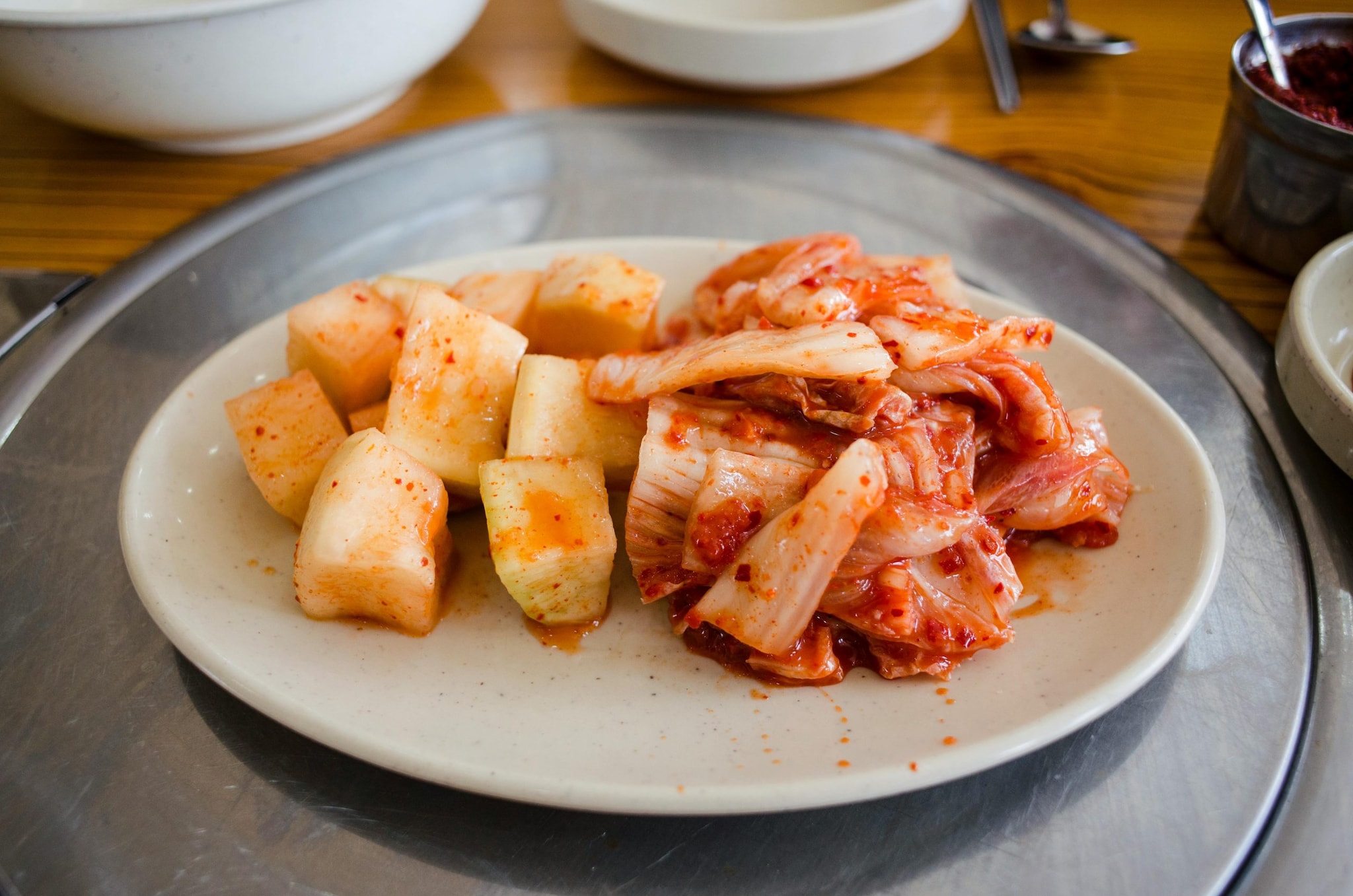
Fermentation in India is an age‑old practice, used both for preservation and for enhancing taste. The process relies on natural microorganisms such as bacteria and yeast to break down carbohydrates, producing acids and gases that enrich flavor and improve digestibility. This method has given rise to a wide variety of dishes across the country, each with its own cultural significance. (Image: Pexels)
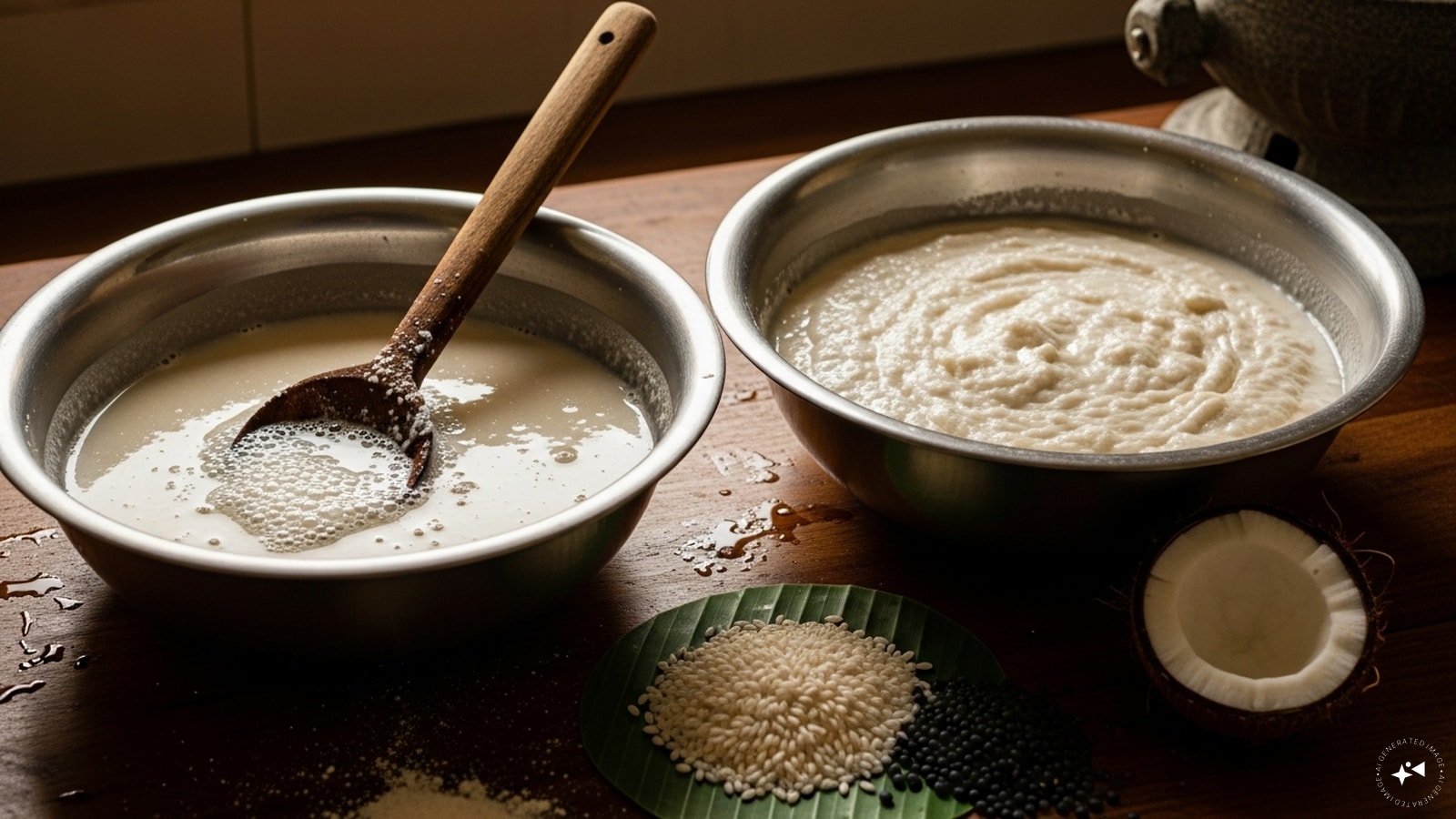
South India: Dosa and Idli Batter
One of the most widely consumed fermented foods in India is the dosa and idli batter, made from rice and urad dal. Left overnight to ferment, the batter develops a tangy flavor and fluffy texture. These breakfast staples are not only delicious but also rich in probiotics, aiding digestion and gut health. (Image: AI-generated)
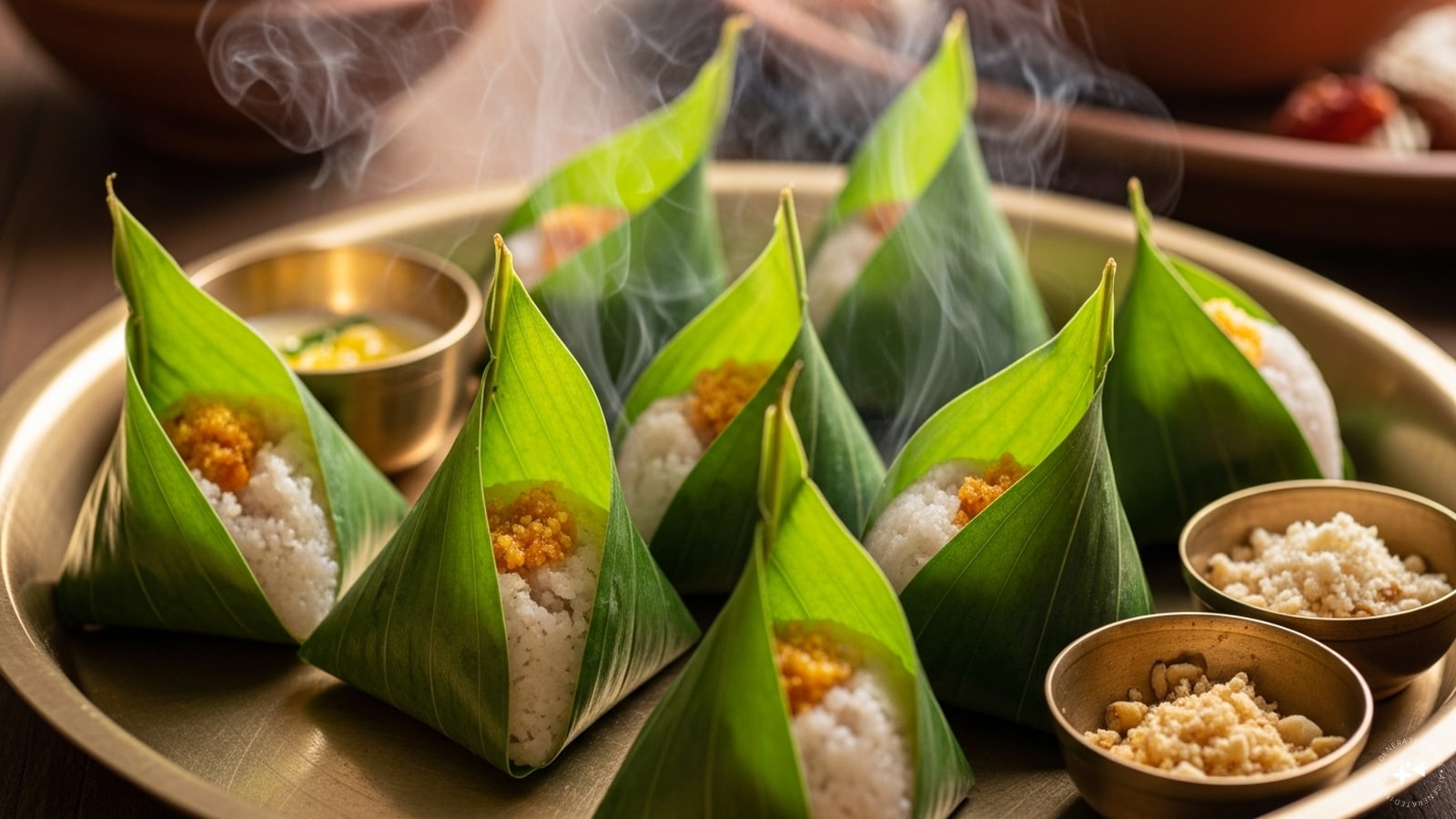
Eastern India: Enduri Pitha
In Odisha, Enduri Pitha is a traditional delicacy prepared during festivals. Rice and black gram batter is fermented and then steamed in turmeric leaves, giving the dish a unique aroma. It is a festive food that highlights how fermentation is woven into ritual and celebration. (Image: AI-generated)
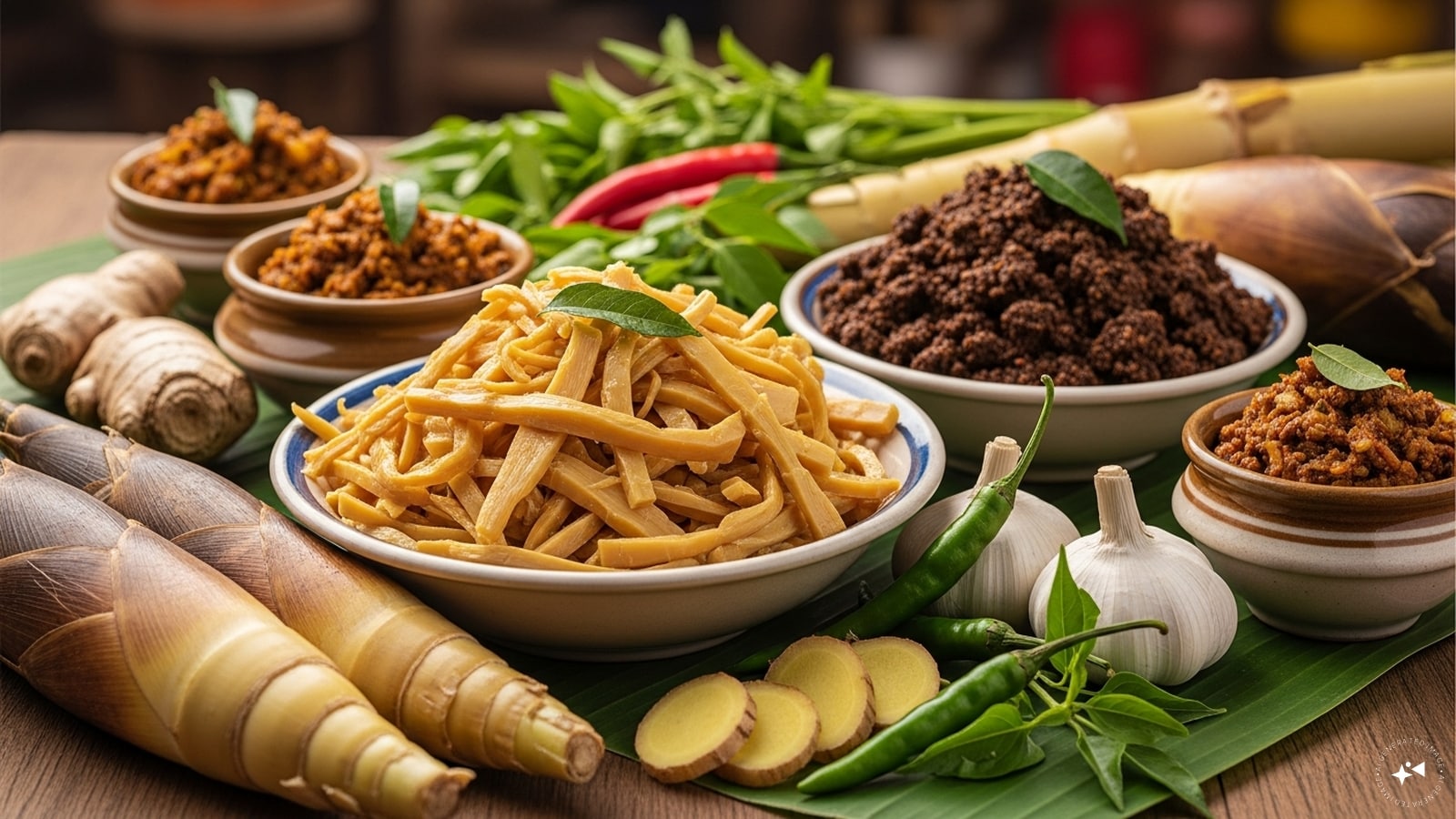
Northeast India: Khorisa and Axone
The Northeast is home to some of India’s most distinctive ferments. Khorisa, a fermented bamboo shoot from Assam, adds a sharp, tangy flavor to curries and pickles. Similarly, Axone (fermented soybean) from Nagaland is prized for its pungent aroma and is often compared to Japanese miso. These foods are central to local identity and are passed down through generations. (Image: AI-generated)
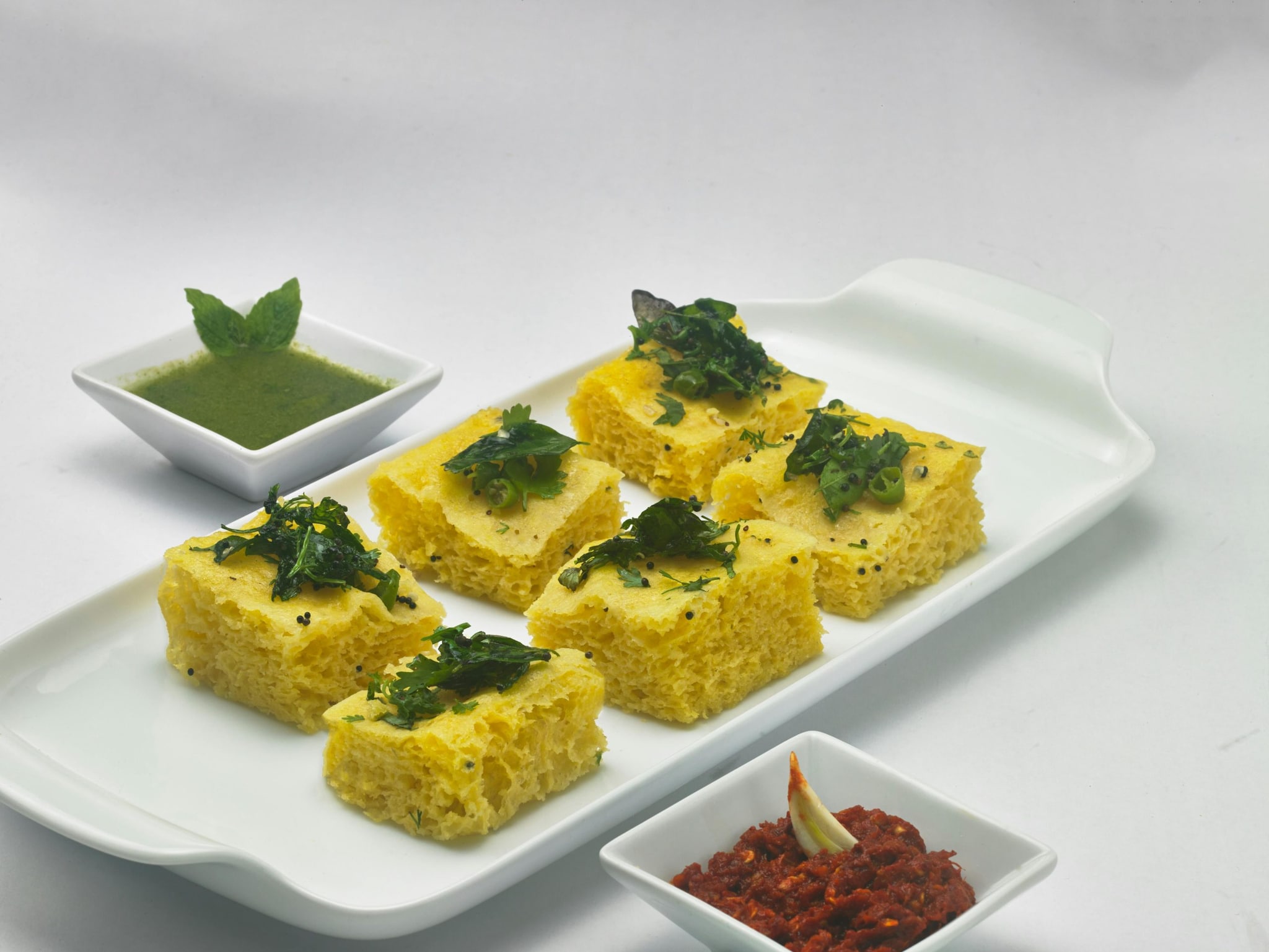
Western India: Dhokla
In Gujarat, dhokla is a beloved snack made from fermented chickpea flour or rice batter. Steamed to perfection, it is light, spongy, and tangy. The fermentation process not only enhances flavor but also makes the dish easier to digest, reflecting how Indian snacks often balance taste with health. (Image: Pexels)
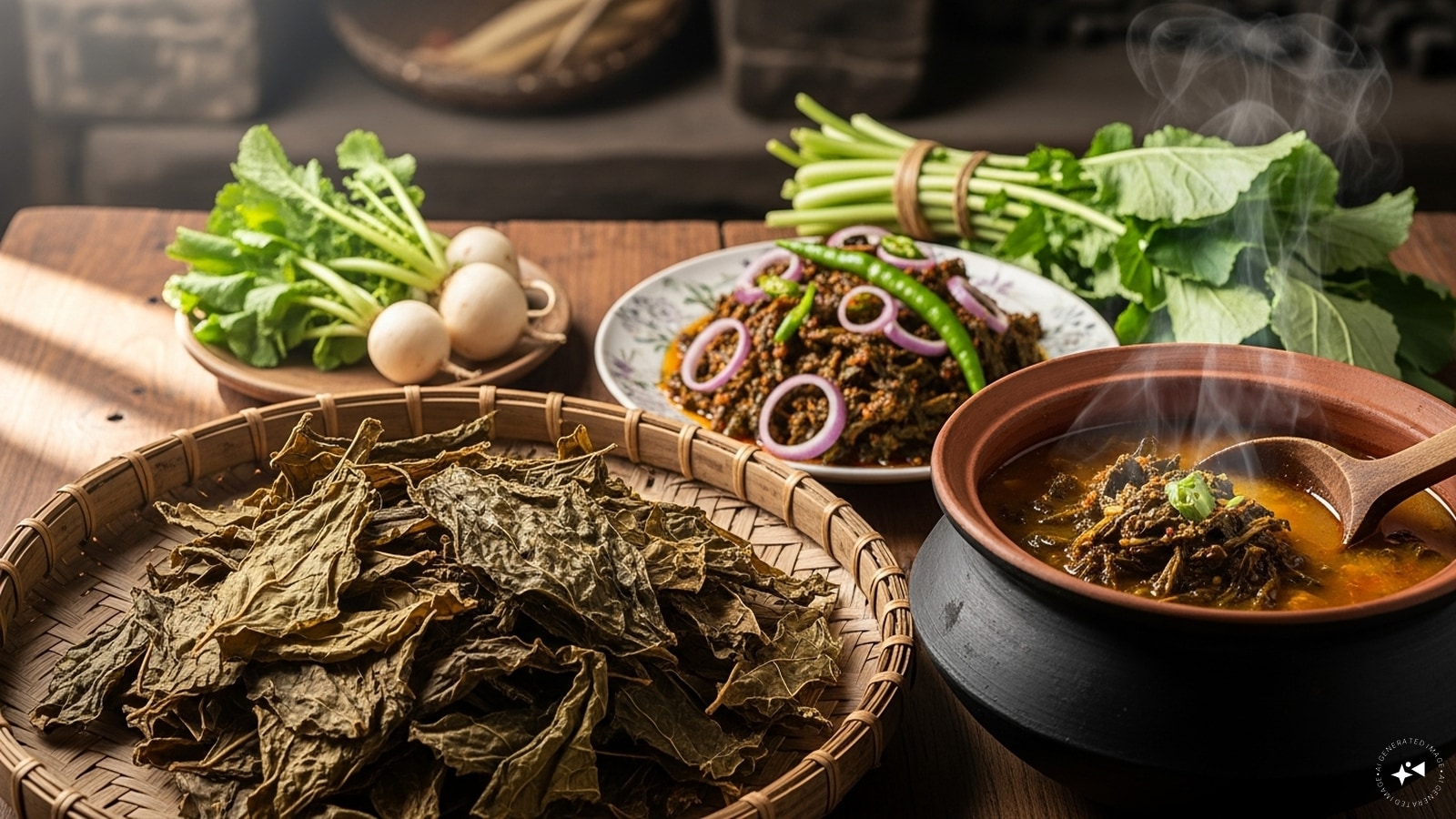
Himalayan Region: Gundruk
In Sikkim (and parts of Nepal), Gundruk is a staple. Made from fermented leafy greens such as mustard or radish leaves, it is dried and later cooked into soups and curries. Gundruk is rich in fiber and probiotics, offering both nutrition and a distinct earthy flavor. (Image: AI-generated)


