


From Bharta To Pulusu: Best Brinjal Recipes Across India


Brinjal, also known as eggplant or aubergine, is one of the most versatile vegetables in Indian kitchens. From smoky curries to crispy fritters, it adapts beautifully to spices and cooking styles across regions. Indian culinary traditions have transformed brinjal into a star ingredient, celebrated in both everyday meals and festive spreads. Here’s a journey through some of the most interesting ways to eat brinjal in India.
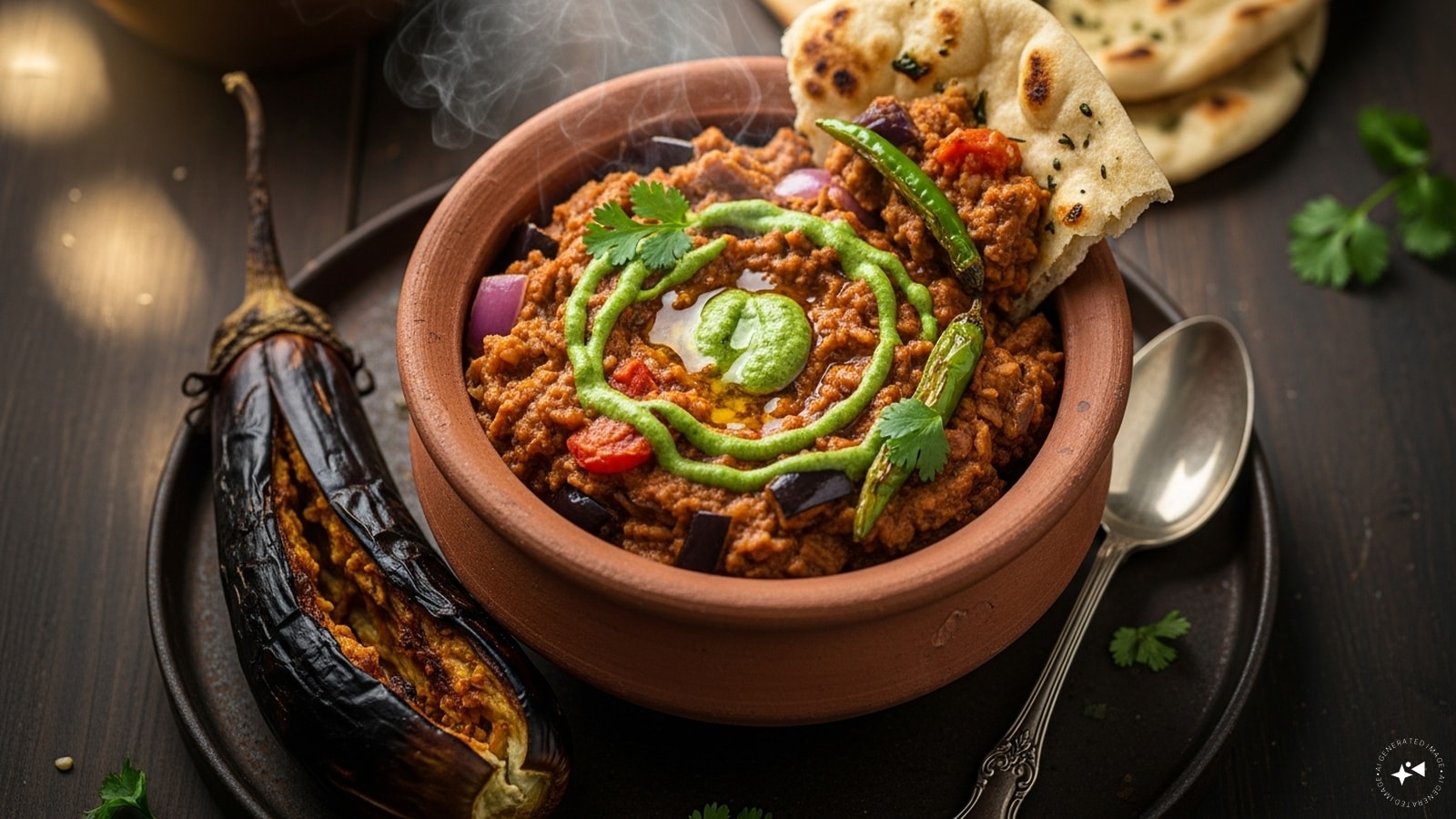
Baingan Bharta: Perhaps the most iconic brinjal dish, baingan bharta is a smoky, mashed curry beloved across the country. Large brinjals are roasted directly over an open flame until the skin chars and the flesh turns soft. The pulp is scooped out, mashed, and cooked with onions, tomatoes, green chilies, ginger, and a generous dose of mustard oil. The result is a rustic, smoky curry best enjoyed with hot rotis or parathas.
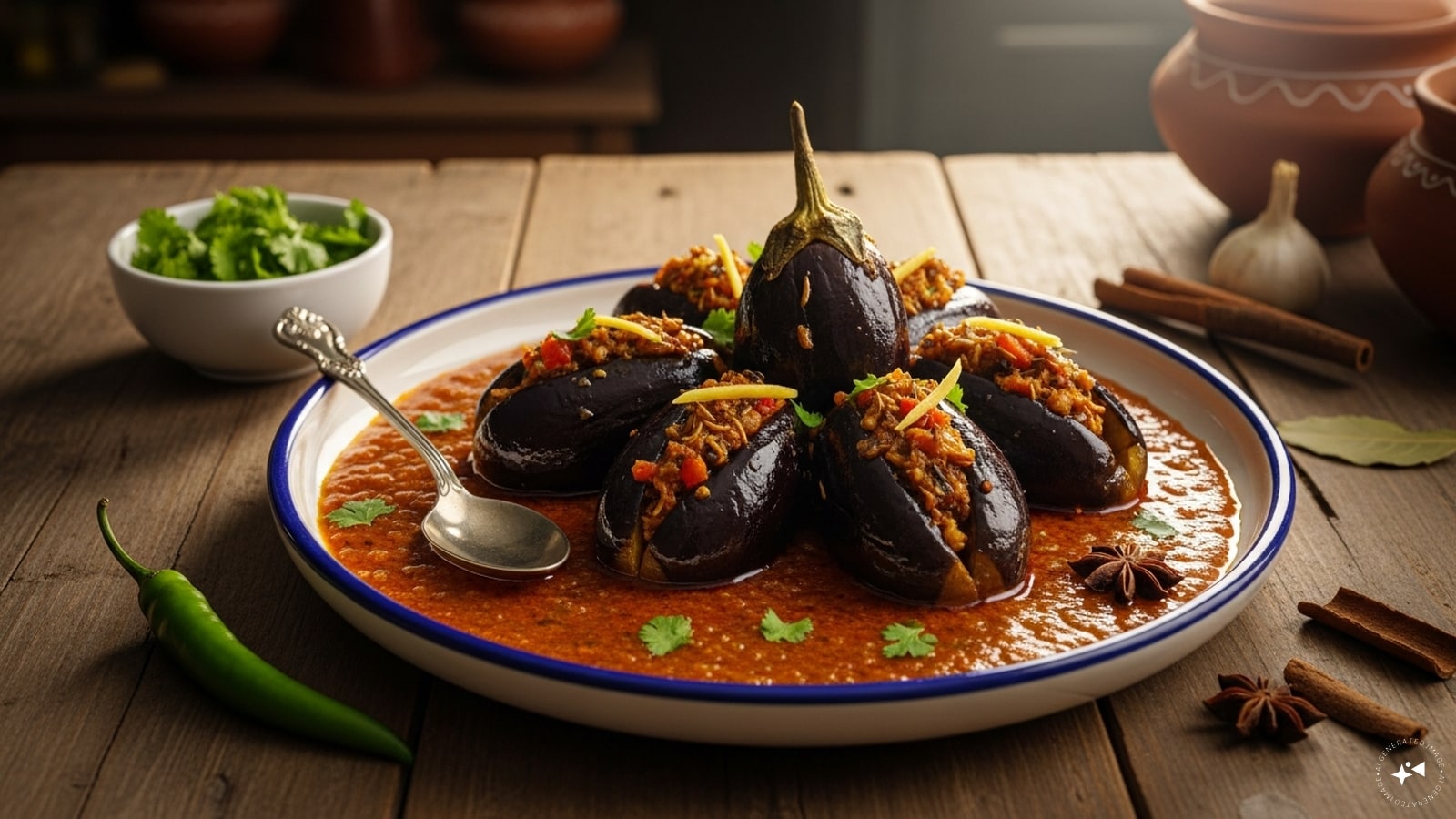
Bharwa Baingan: In many parts of India, small brinjals are slit and stuffed with spice mixes. In Maharashtra, the stuffing often includes ground peanuts, coconut, sesame seeds, and spices like coriander and cumin. In Uttar Pradesh, the filling leans toward garam masala and dry spices. The stuffed brinjals are then shallow‑fried or simmered in a tomato‑based gravy, creating a dish that bursts with flavor in every bite.
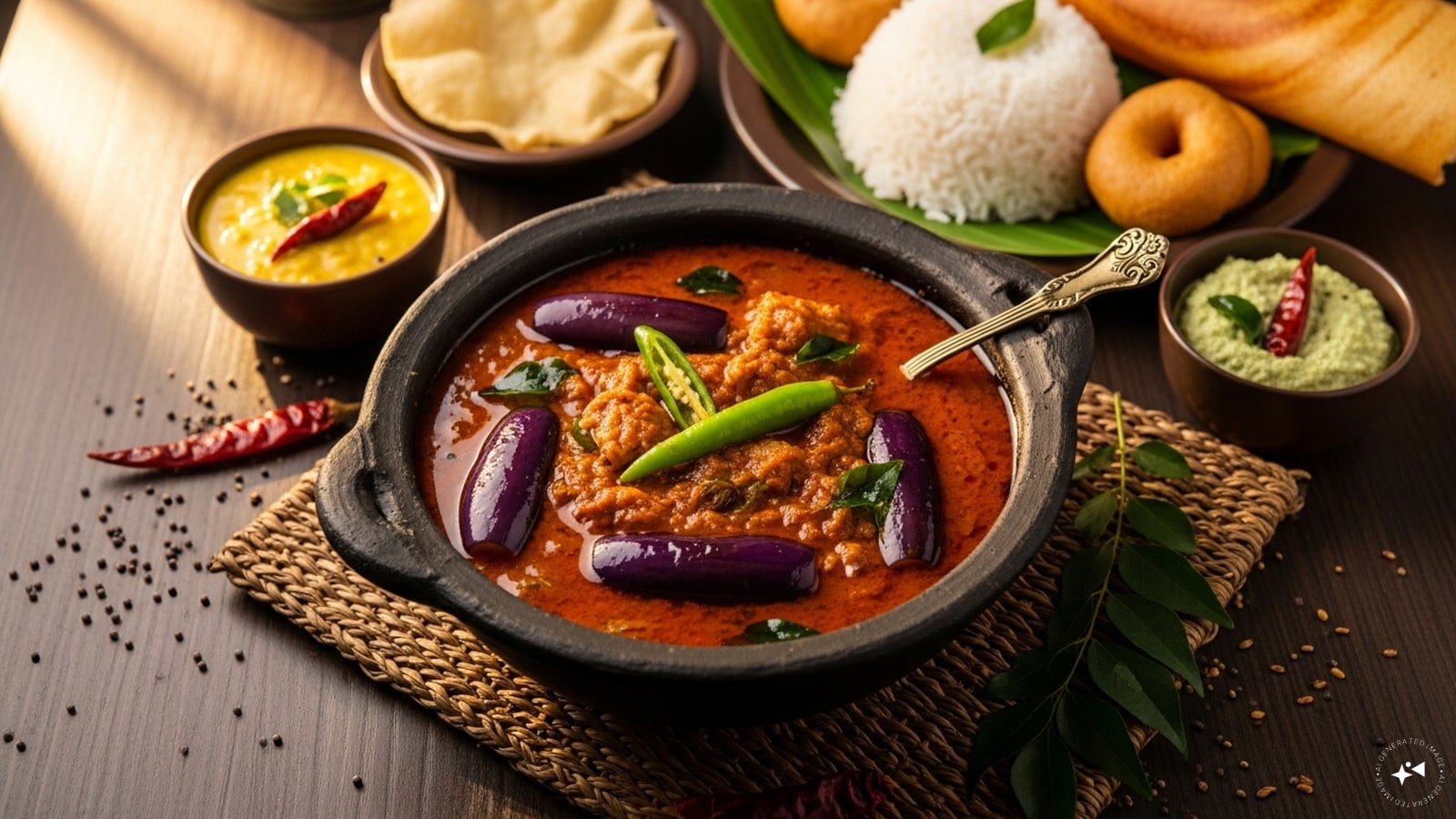
Vankaya Pulusu: This tangy brinjal stew is a staple in Andhra households. Small brinjals are cooked in tamarind juice with jaggery, mustard seeds, curry leaves, and red chili powder. The balance of sweet, sour, and spicy flavors makes it irresistible. Traditionally served with steamed rice, vankaya pulusu is comfort food at its finest.
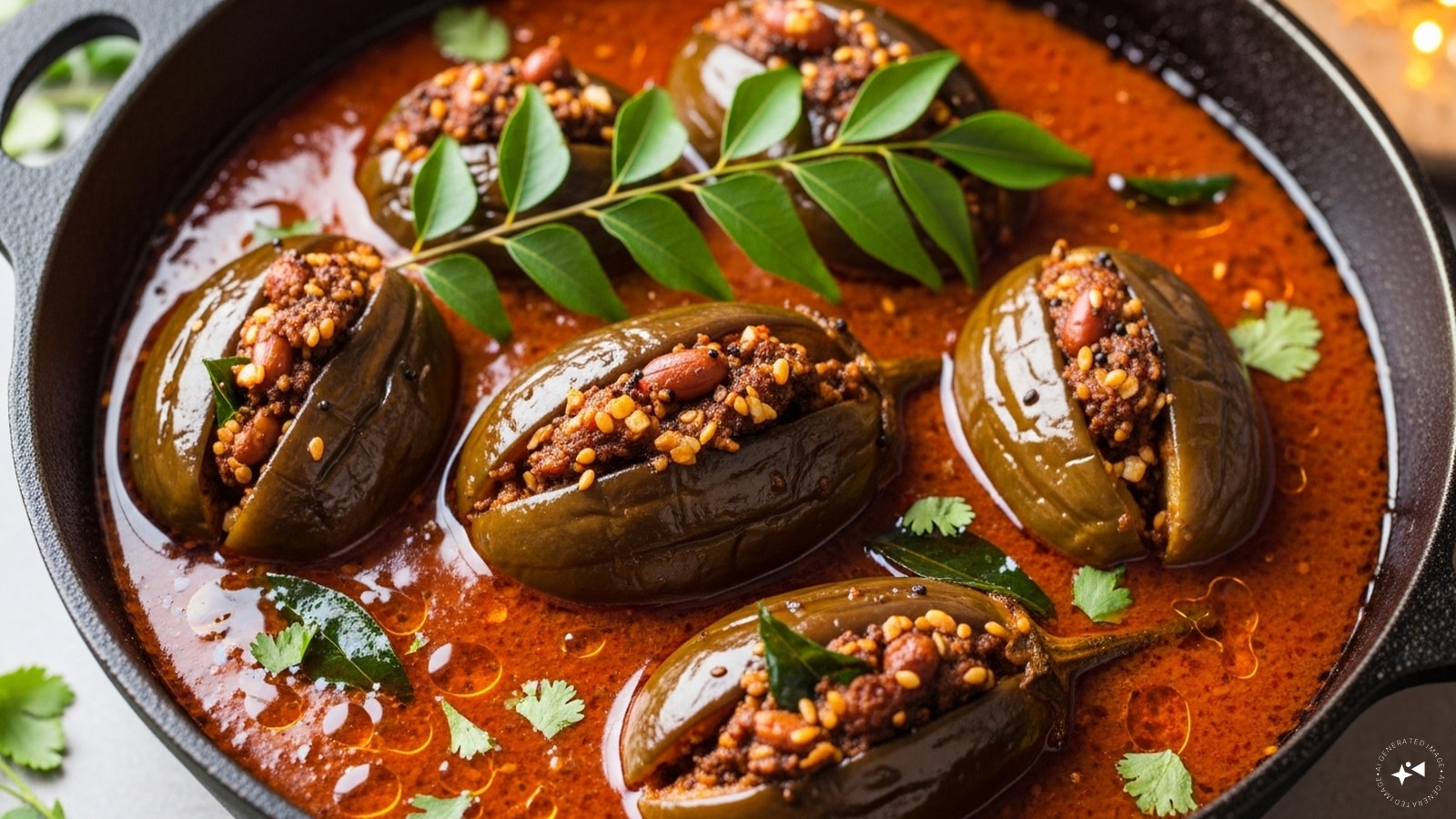
Ennegayi: In North Karnataka, brinjal is transformed into ennegayi, a stuffed delicacy. Baby brinjals are filled with a masala paste made from roasted peanuts, sesame seeds, coconut, and spices, then simmered in oil until tender. The dish pairs beautifully with jowar rotis, making it a rustic yet wholesome meal.
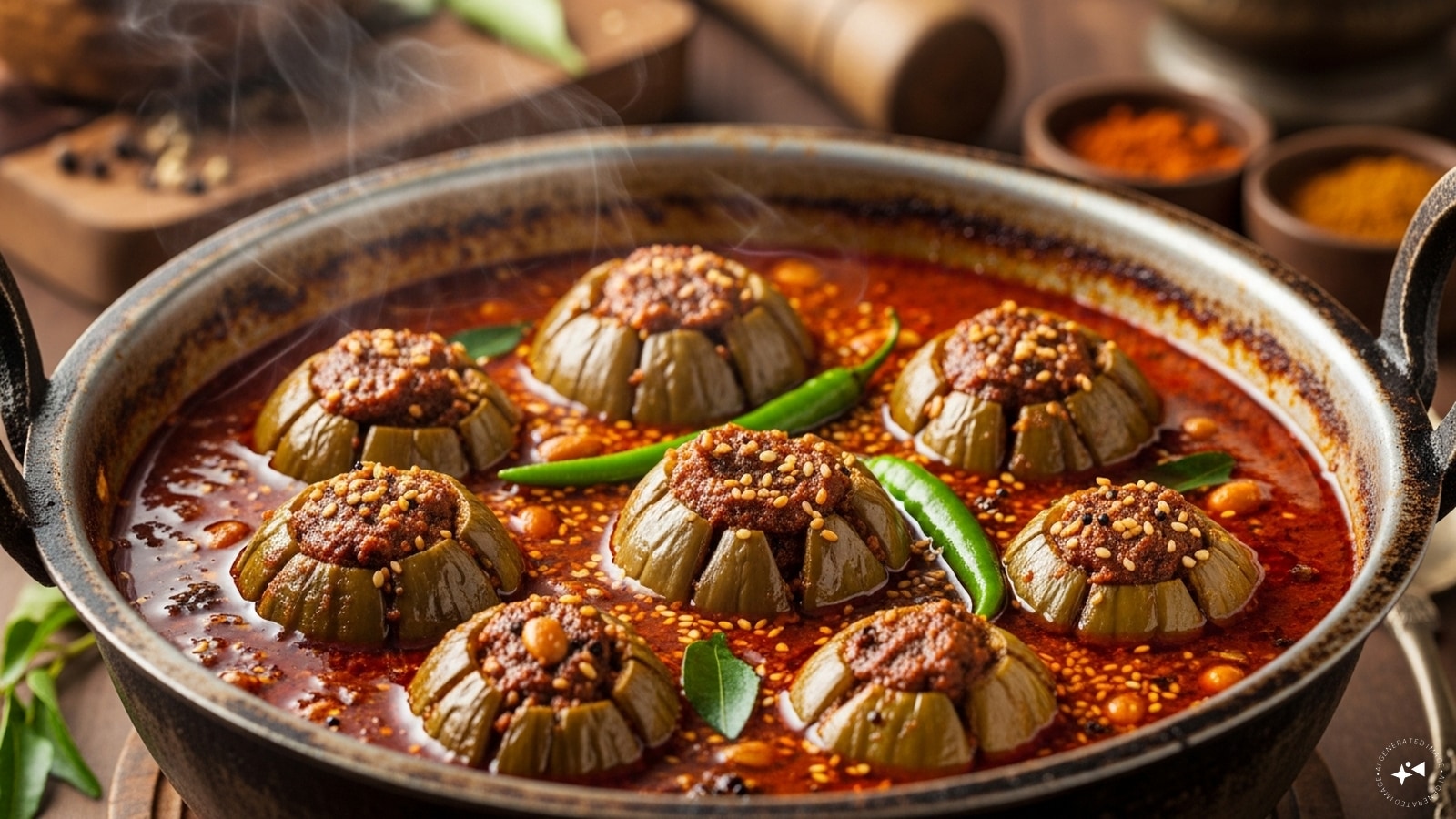
Gutti Vankaya Kura: This dish is similar to ennegayi but has its own regional twist. Brinjals are stuffed with a spicy masala of roasted chana dal, red chilies, and tamarind, then cooked slowly until the flavors seep into the flesh. Gutti vankaya kura is often served during festive occasions and is considered a delicacy in Telangana cuisine.
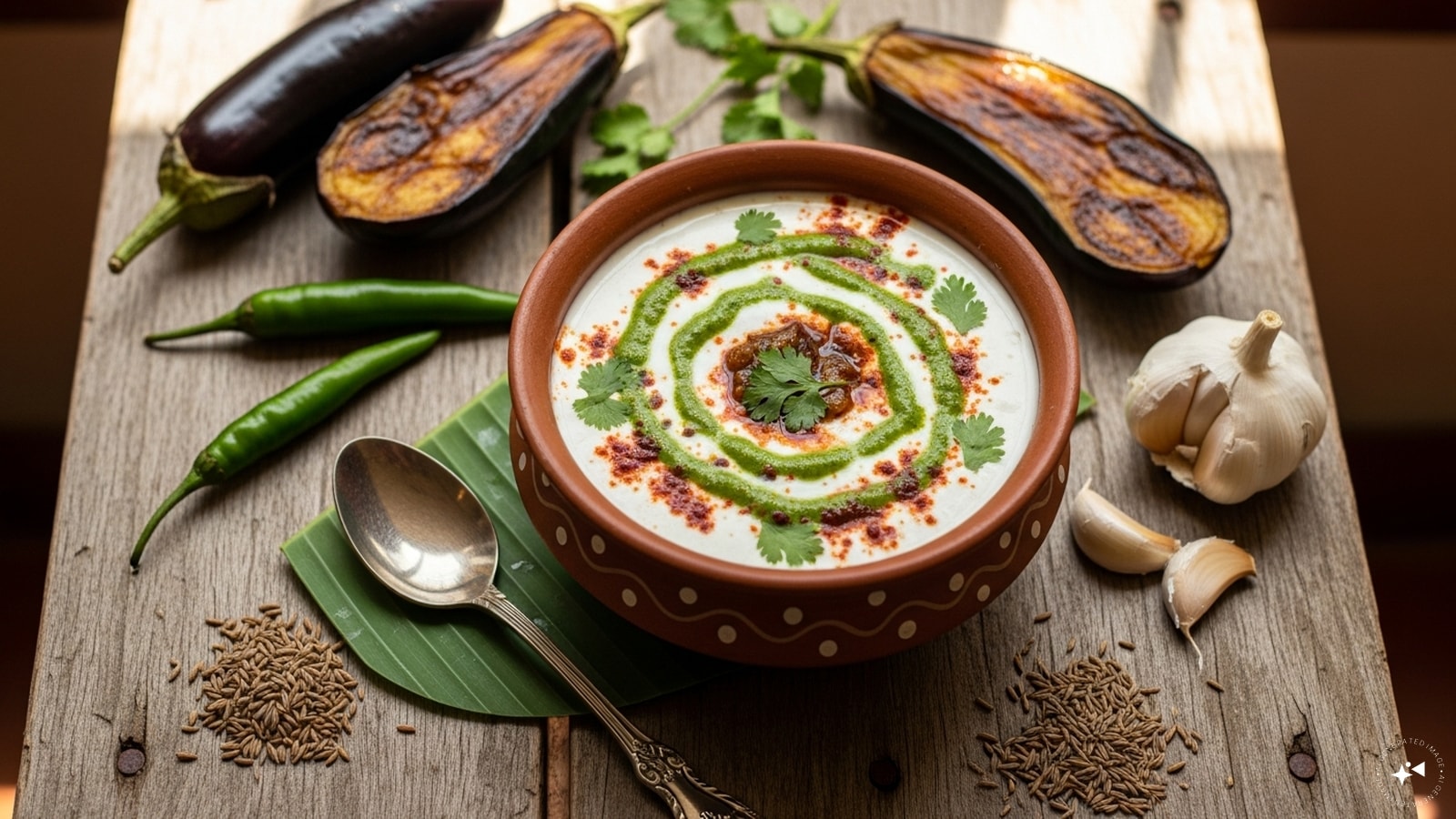
Baingan Ka Raita: A refreshing twist on brinjal, baingan ka raita involves roasting brinjal until soft, mashing it, and mixing it with yogurt, cumin powder, and green chilies. The coolness of yogurt balances the smoky brinjal, making it a perfect side dish for biryanis or spicy curries.
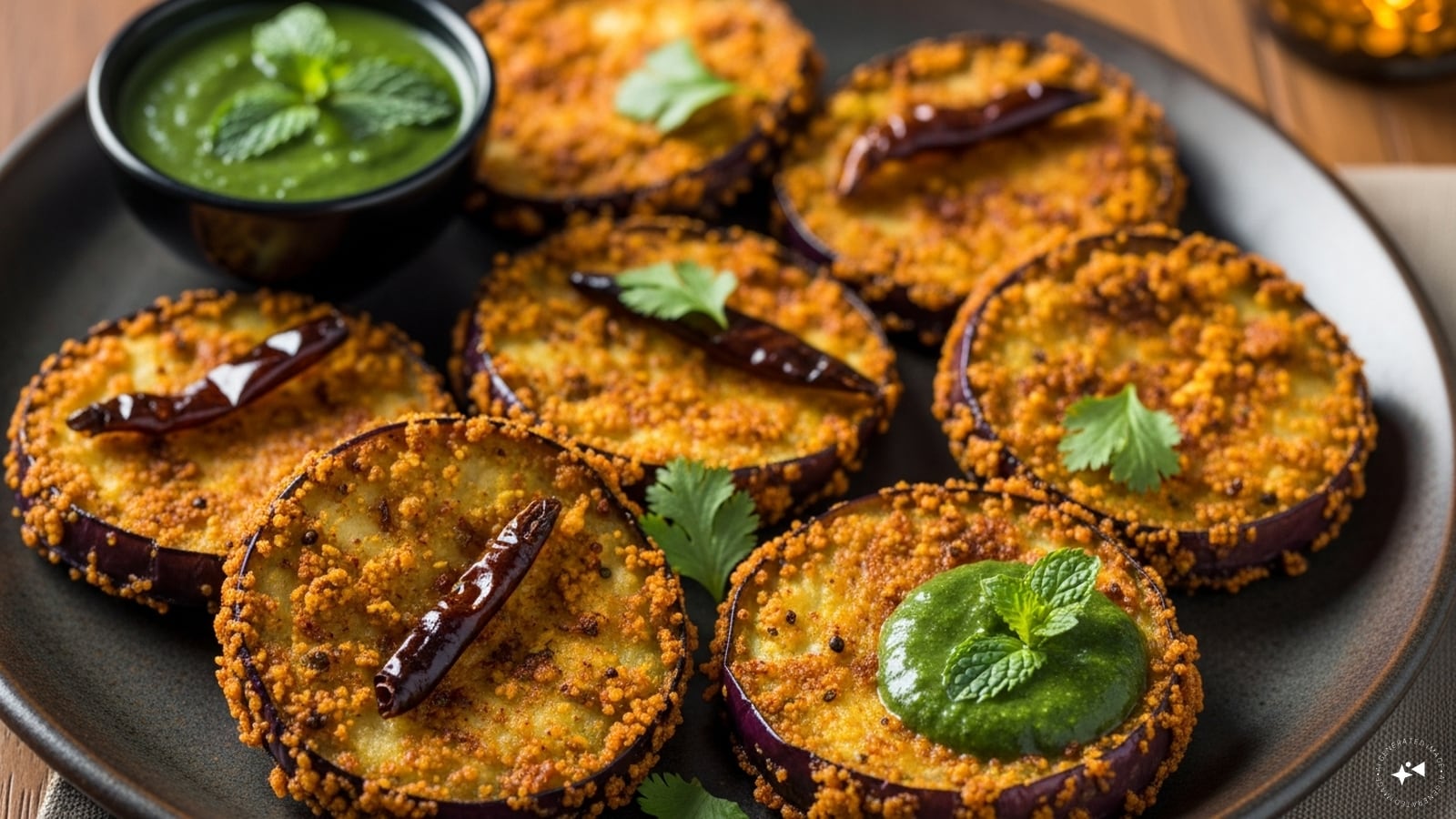
Brinjal Fry: In Kerala, brinjal slices are marinated with turmeric, chili powder, and salt, then shallow‑fried until crisp. Sometimes, they are dipped in rice flour batter for extra crunch. Served alongside rice and sambar, brinjal fry is a simple yet satisfying dish that highlights the vegetable’s texture.
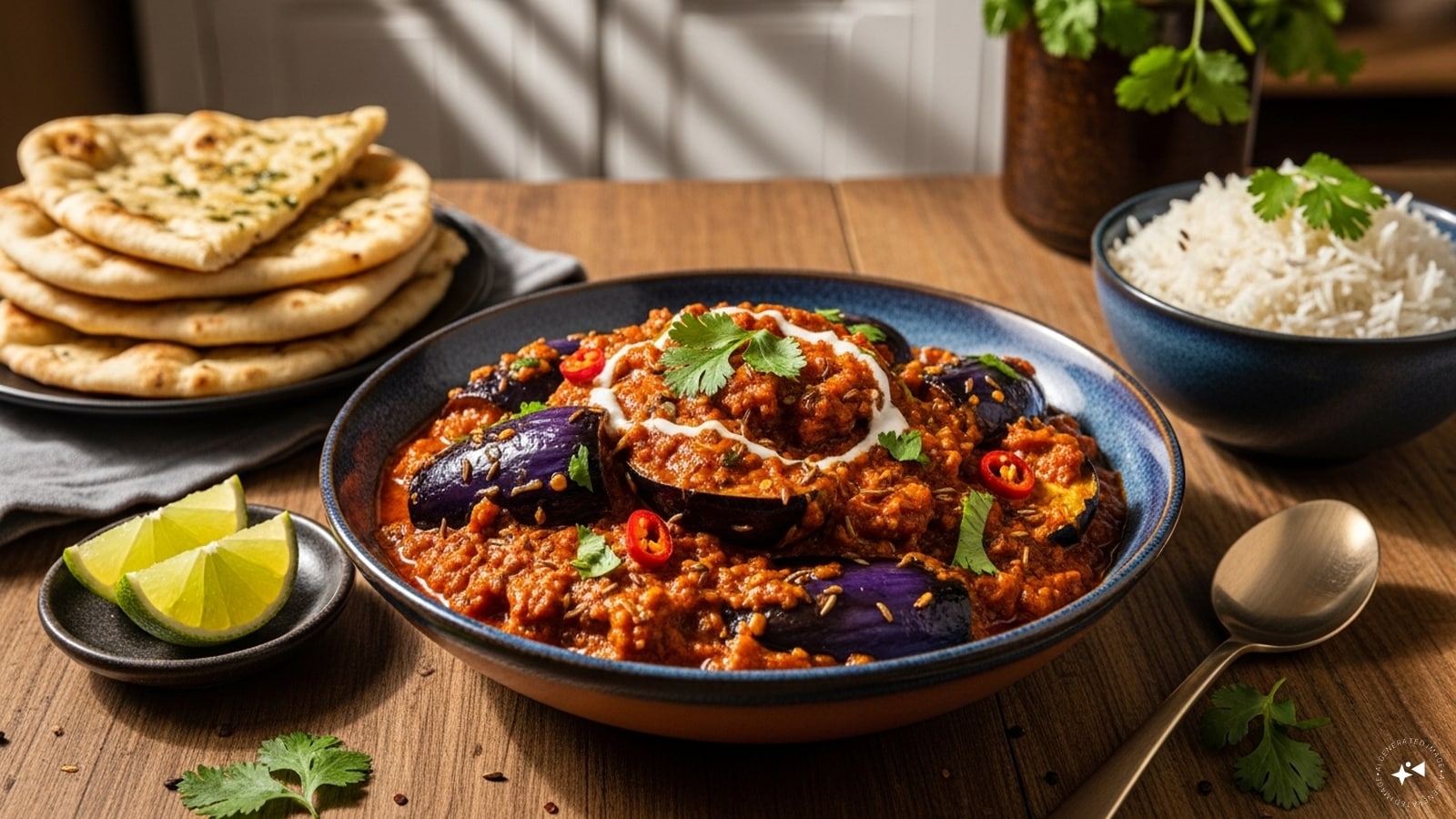
Baingan Masala: This curry features brinjal cooked in a rich onion‑tomato gravy with garam masala, coriander powder, and kasuri methi. It’s a versatile dish that can be paired with chapatis or rice. The brinjal absorbs the spices beautifully, making each bite flavorful and hearty.
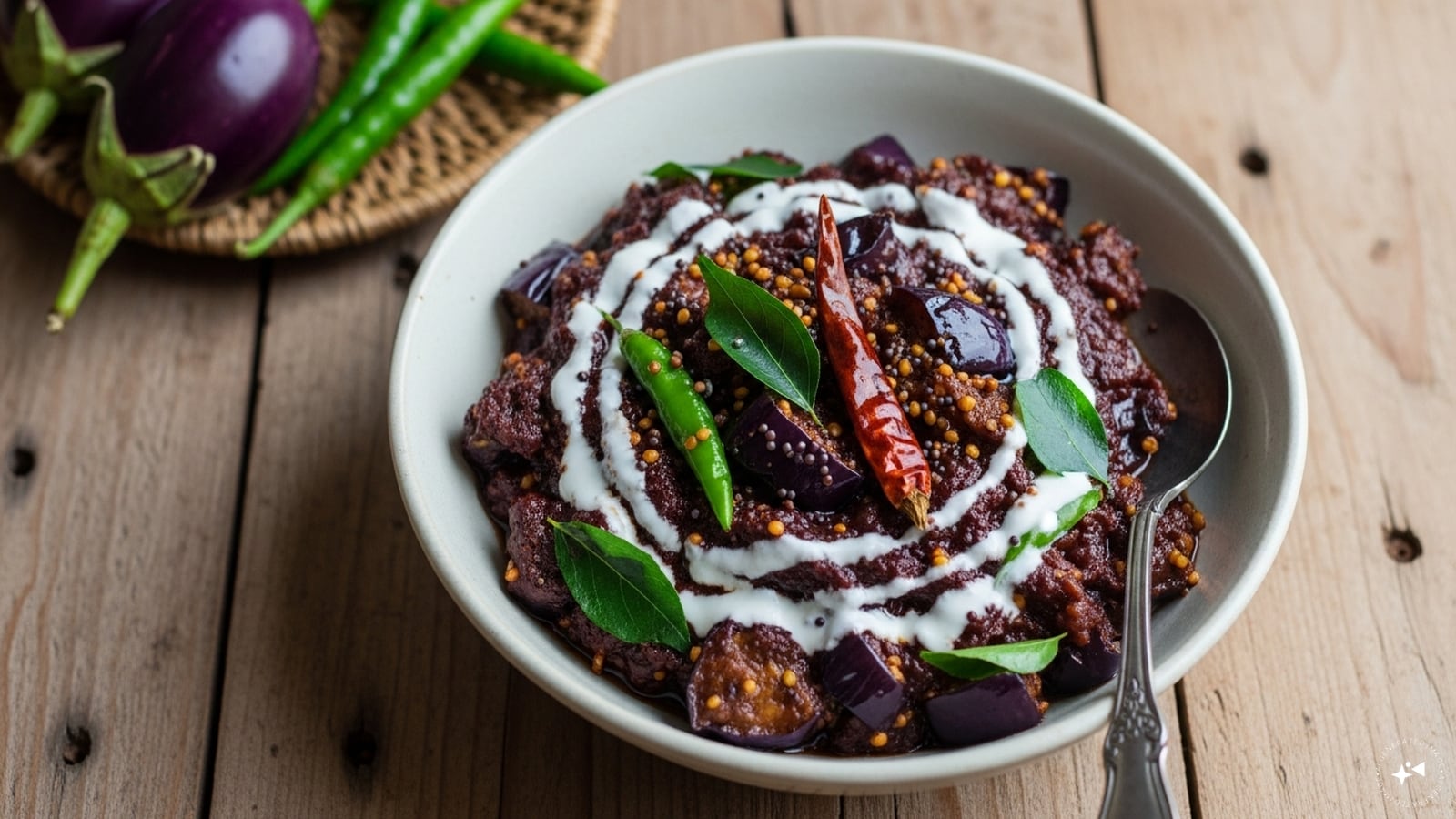
Brinjal Pachadi: A traditional Tamil dish, brinjal pachadi combines roasted brinjal with tamarind, jaggery, and ground spices. It has a sweet‑sour profile and is often served as part of festive meals. The dish showcases how brinjal can adapt to complex flavor combinations while retaining its distinct character.
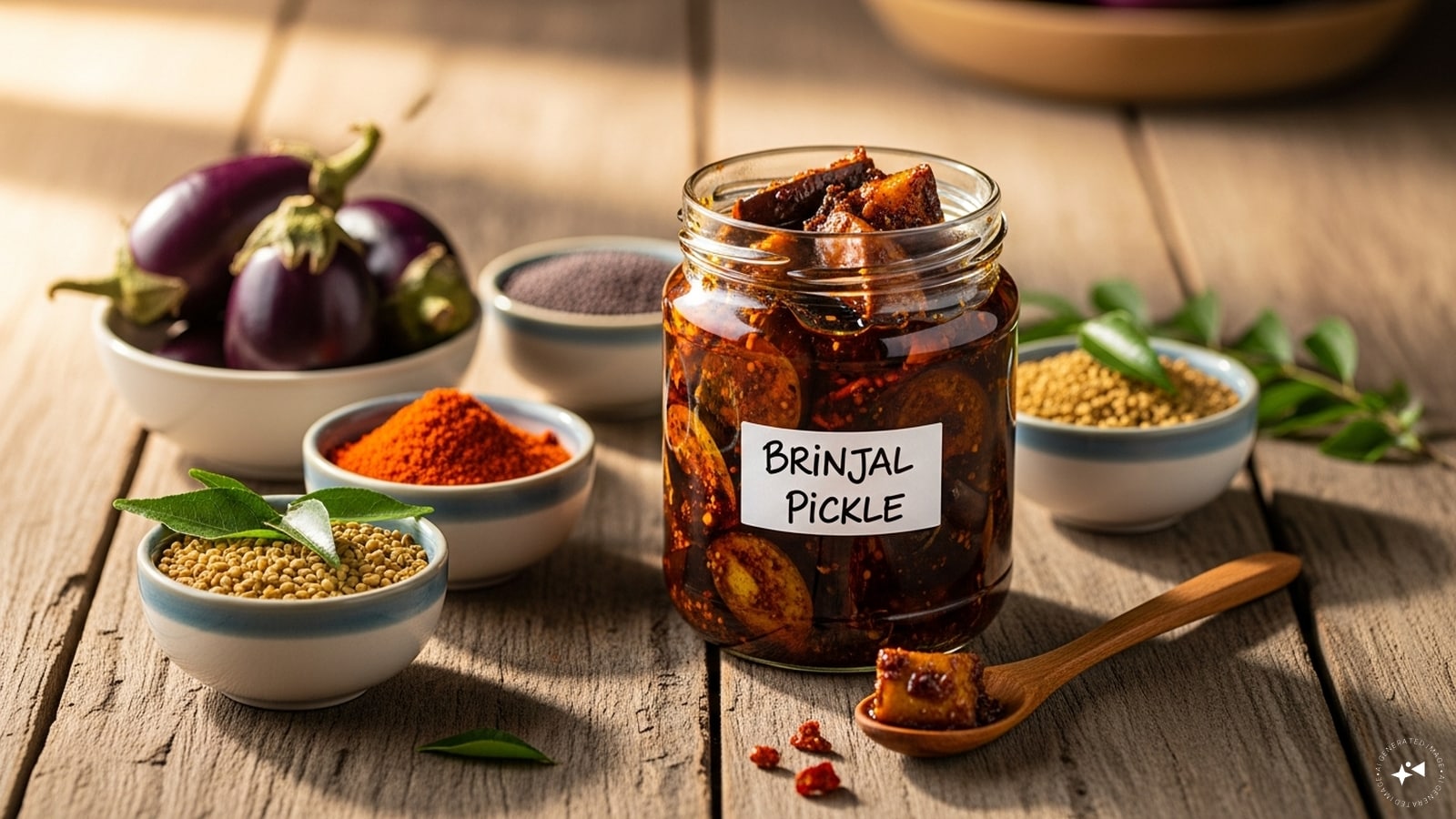
Brinjal Pickle: Brinjal also finds its way into pickles. In Andhra Pradesh, brinjal pieces are cooked with tamarind pulp, chili powder, mustard seeds, and sesame oil to create a fiery pickle. In Tamil Nadu, brinjal pickle often includes jaggery for a sweet‑spicy balance. These pickles are stored for weeks and enjoyed with rice or dosas.


