

.png?width=1200&height=800&crop=1200:800&w=425&resize=425,283&ssl=1 "‘An impossible situation’: Readers clash over King’s US state visit")


From Flaxseeds To Walnuts: The Best Omega‑3 Options For Vegetarians


Omega‑3 fatty acids are a group of polyunsaturated fats that play a crucial role in maintaining overall health. They are particularly important for cognitive function, cardiovascular health, eye health, and reducing inflammation in the body. While fish oil is the most commonly cited source, vegetarians and vegans can still obtain sufficient omega‑3s through plant‑based foods. Understanding these sources is vital, especially in India where vegetarian diets are widespread and where nutritional gaps can occur if not carefully planned. (Image: AI-Generated)
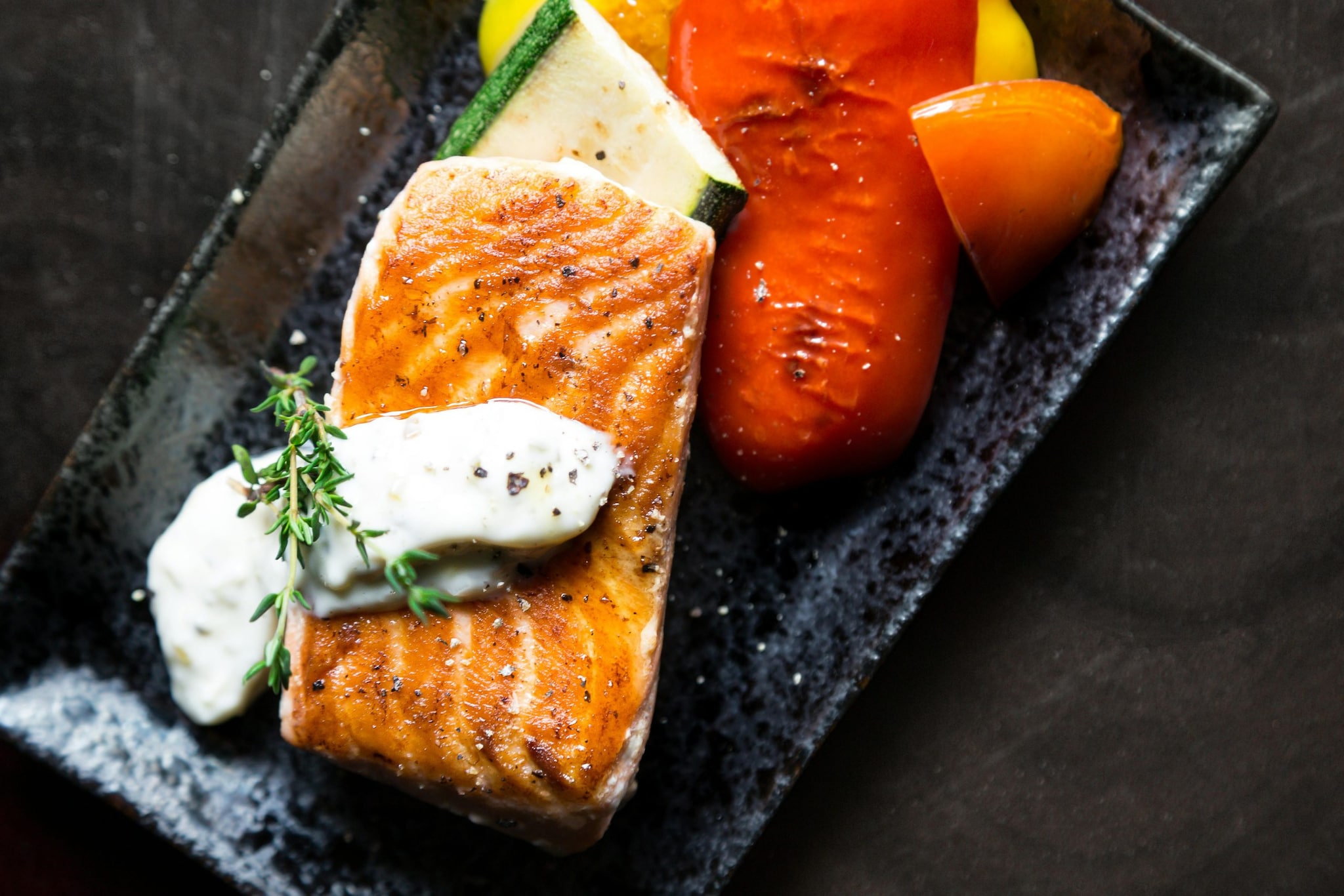
Omega‑3s are made up of three main types: ALA (alpha‑linolenic acid), EPA (eicosapentaenoic acid), and DHA (docosahexaenoic acid). ALA is found in plant foods, while EPA and DHA are more abundant in fish. The body can convert ALA into EPA and DHA, though the process is limited. This makes it important for vegetarians to consume adequate ALA‑rich foods regularly. Benefits include supporting brain development and memory, reducing risk of heart disease by lowering triglycerides and blood pressure, helping manage inflammation and joint health, and promoting eye health and reducing risk of age‑related macular degeneration. Here are some common sources of omega-3 suitable for vegetarians. (Image: Pexels)

Flaxseeds and Flaxseed Oil: Flaxseeds are one of the richest plant sources of ALA. Ground flaxseeds can be added to smoothies, oatmeal, or chapati dough, while flaxseed oil can be used in salad dressings. (Image: Pexels)
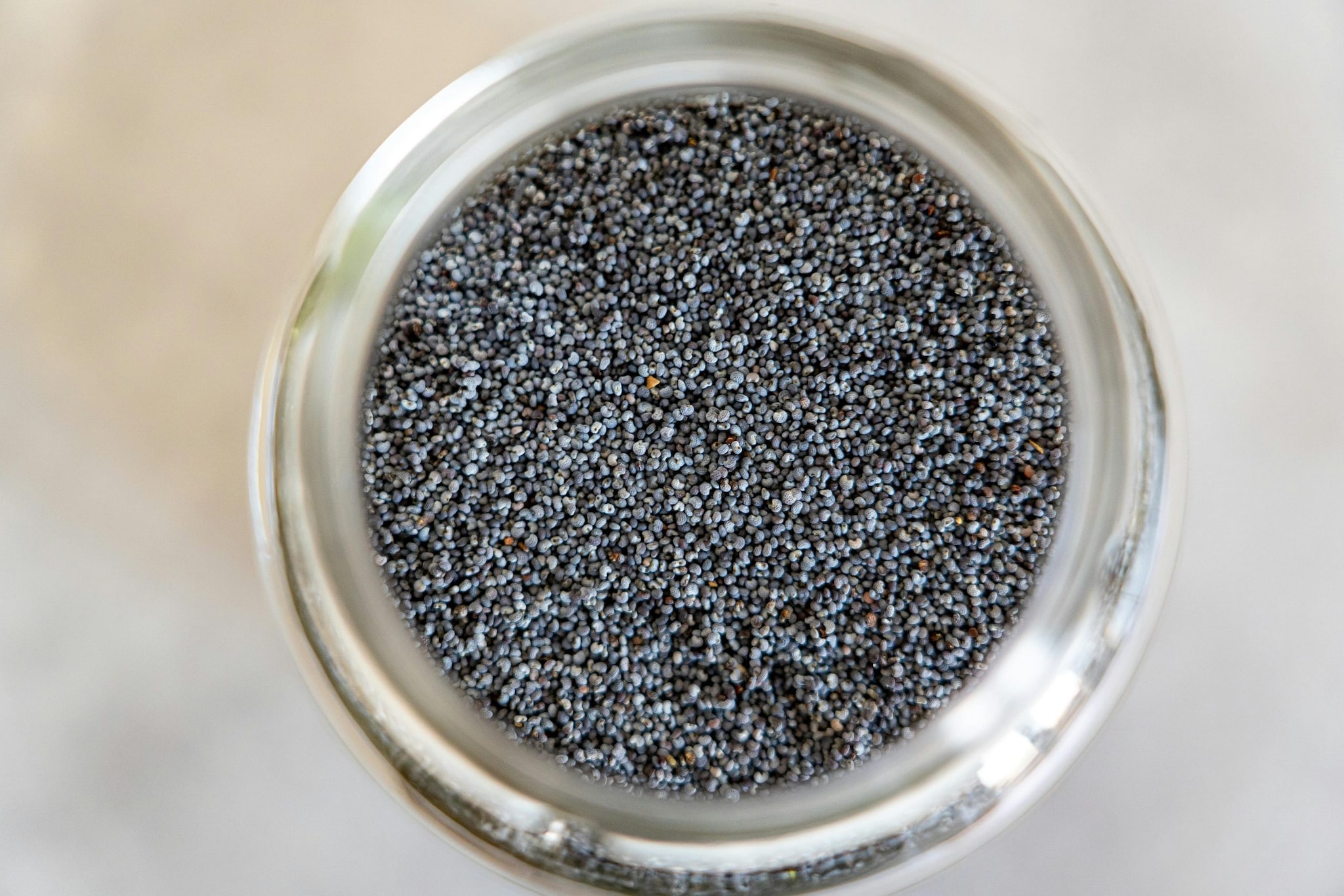
Chia Seeds: Tiny but powerful, chia seeds are packed with omega‑3s, fiber, and protein. They can be soaked in water or milk to make chia pudding, sprinkled on salads, or blended into drinks. (Image: Pexels)

Walnuts: Walnuts are a convenient snack that provide a good dose of ALA. Regular consumption supports brain health and adds healthy fats to the diet. (Image: Pexels)

Mustard Seeds and Mustard Oil: Commonly used in Indian cooking, mustard seeds and mustard oil are excellent vegetarian sources of omega‑3s. They are especially beneficial in traditional diets where fish is absent. (Image: AI-Generated)

Soybeans, Tofu, and Edamame: Soy products are versatile and rich in omega‑3s. Tofu can be used in curries, stir‑fries, or grilled dishes, while edamame makes a nutritious snack. (Image: Pexels)

Spinach and Leafy Greens: Dark leafy greens like spinach contain modest amounts of omega‑3s along with iron and antioxidants. Including them regularly enhances overall nutrient intake. (Image: Pexels)
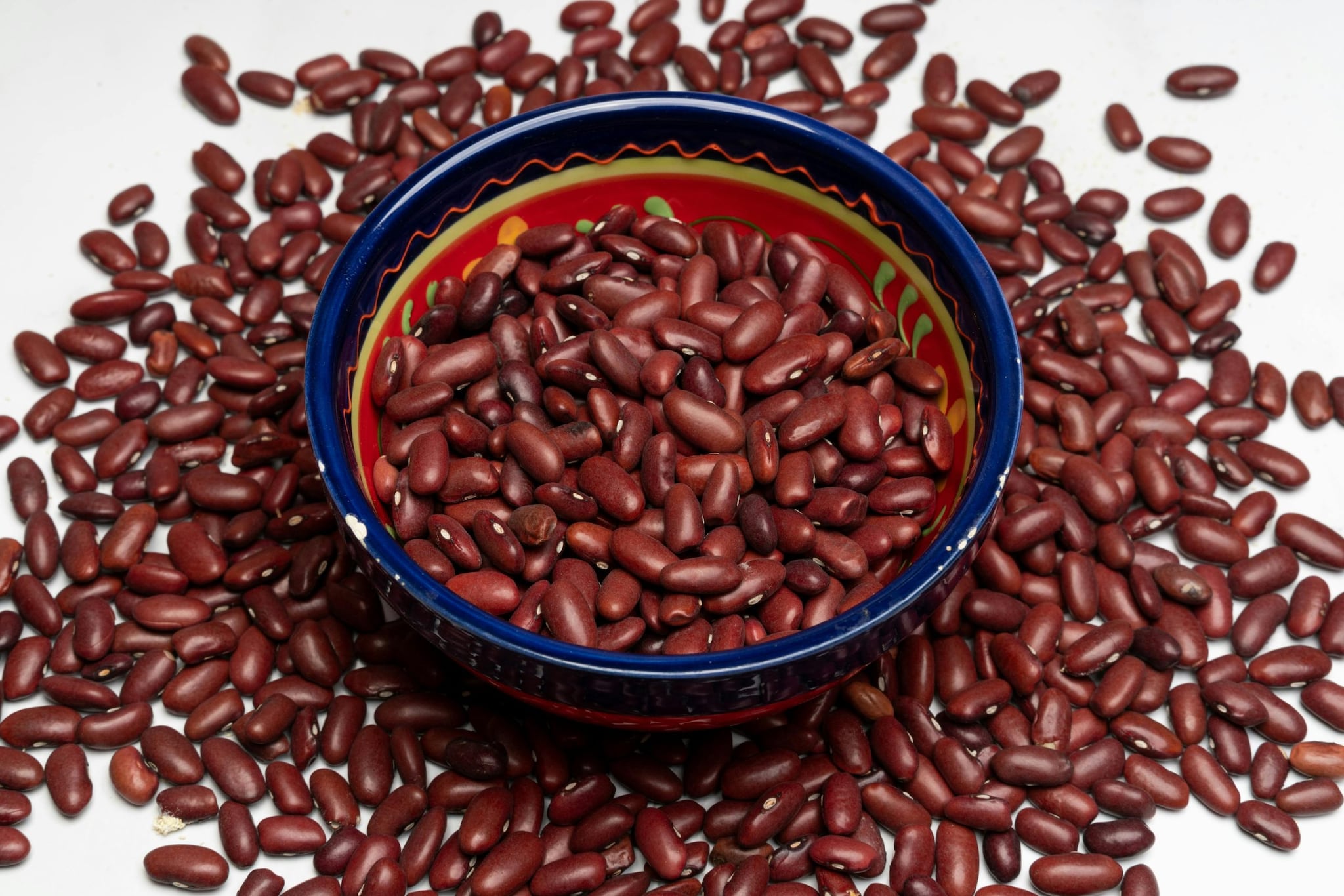
Kidney Beans and Other Legumes: Beans and pulses provide protein and fiber along with small amounts of omega‑3s. Combined with other sources, they contribute to a balanced vegetarian diet. (Image: Pexels)


