


GK: Do You Know Dehradun’s Surprising Mahabharata Connection?


With the newly-inaugurated Delhi-Dehradun Expressway expected to cut travel time between the two cities significantly, making the trip in around 2.5 hours, Dehradun is now even more accessible for weekend travellers and tourists. But beyond its pleasant weather, cafés, and scenic hills, the Uttarakhand capital also carries a fascinating connection to the Mahabharata, one that many visitors may not know about.
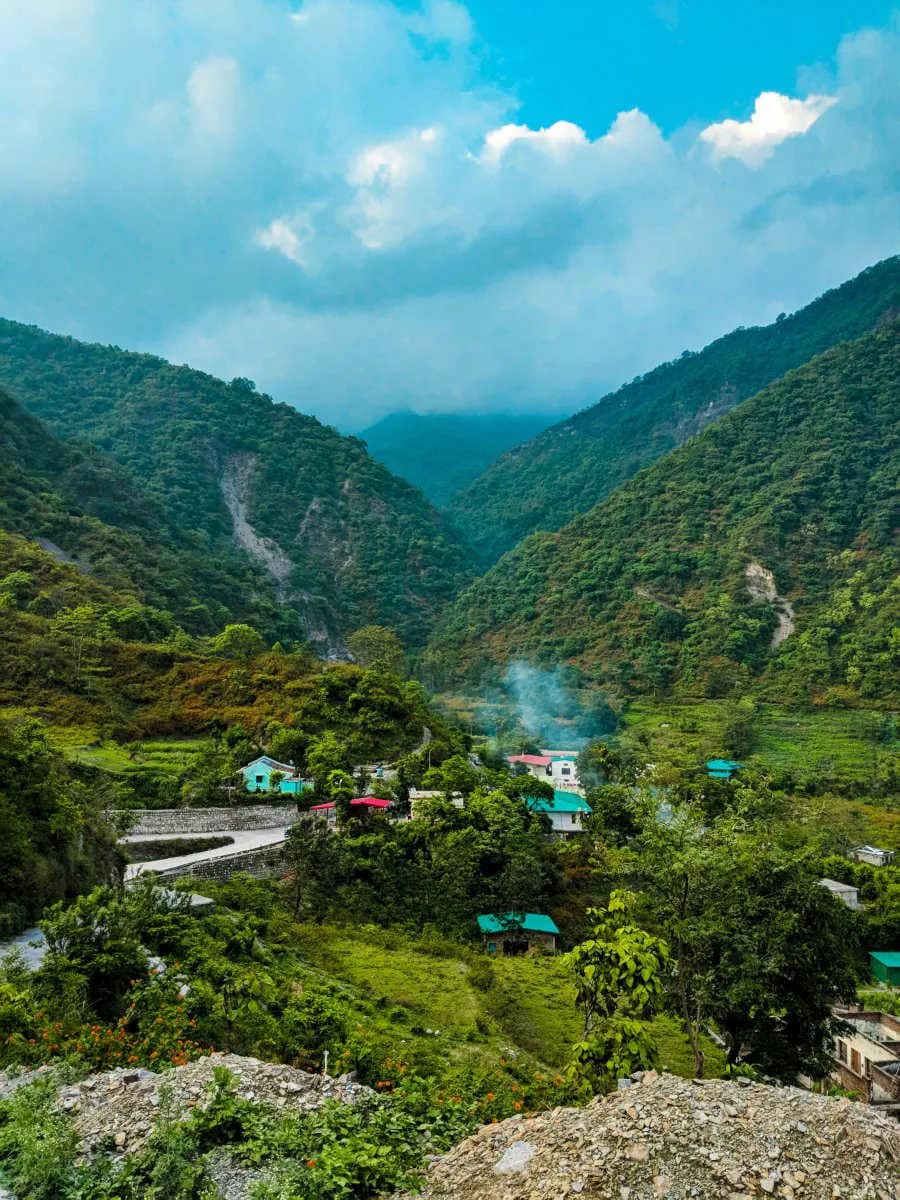
Often referred to as Dronanagari, or the City of Drona, Dehradun’s ties to the ancient epic make it a destination of both natural beauty and spiritual intrigue. Here’s why the city’s mythological past gives travellers yet another reason to visit.
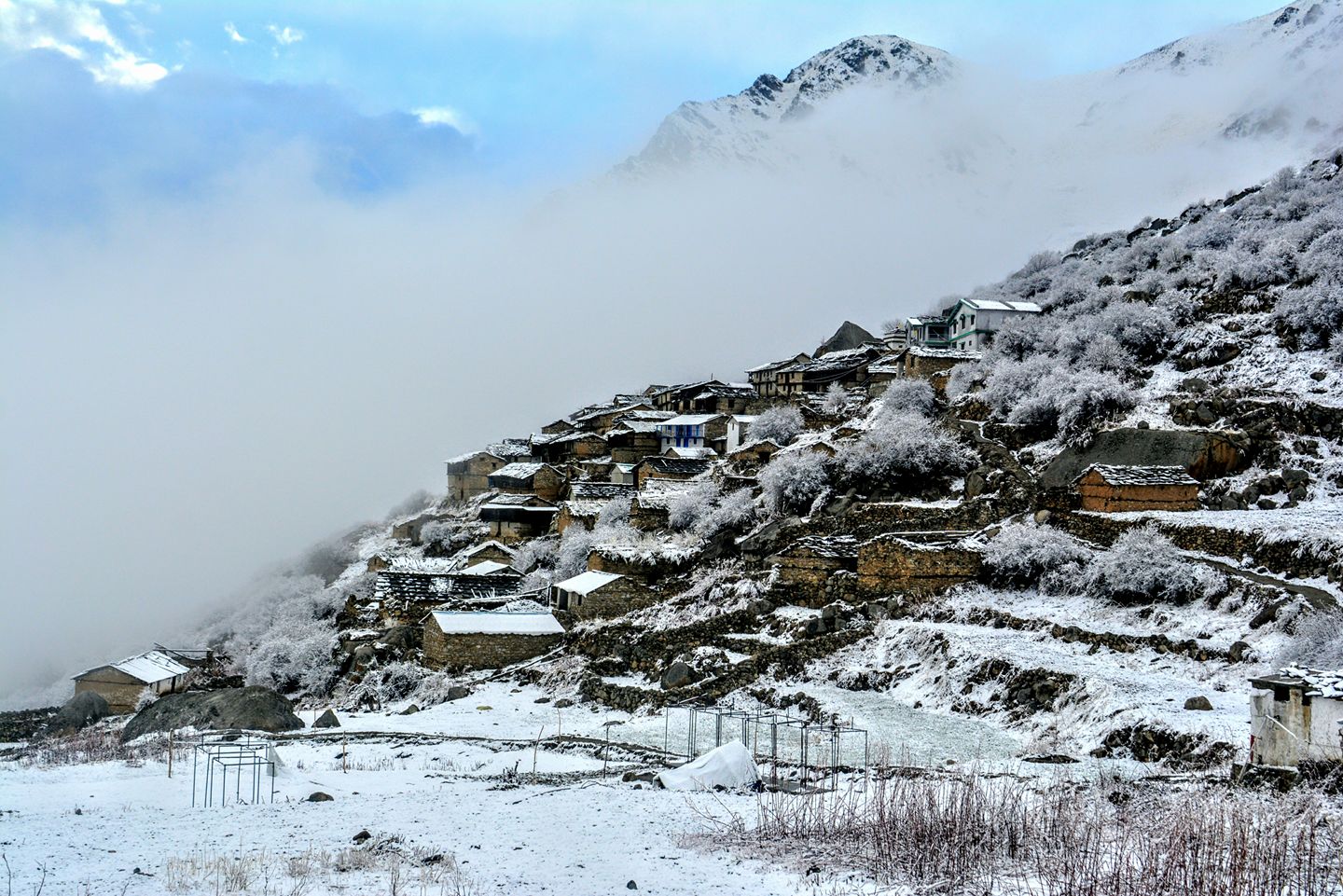
According to local lore and Hindu mythology, Dehradun is believed to have been the residence of Guru Dronacharya, the revered teacher of the Kauravas and Pandavas in the Mahabharata. Historical and mythological references link the region to Drona’s ashram, earning the city the nickname “Dronanagari.” For devotees and mythology enthusiasts, walking through Dehradun can feel like stepping into a place tied to one of India’s greatest epics.
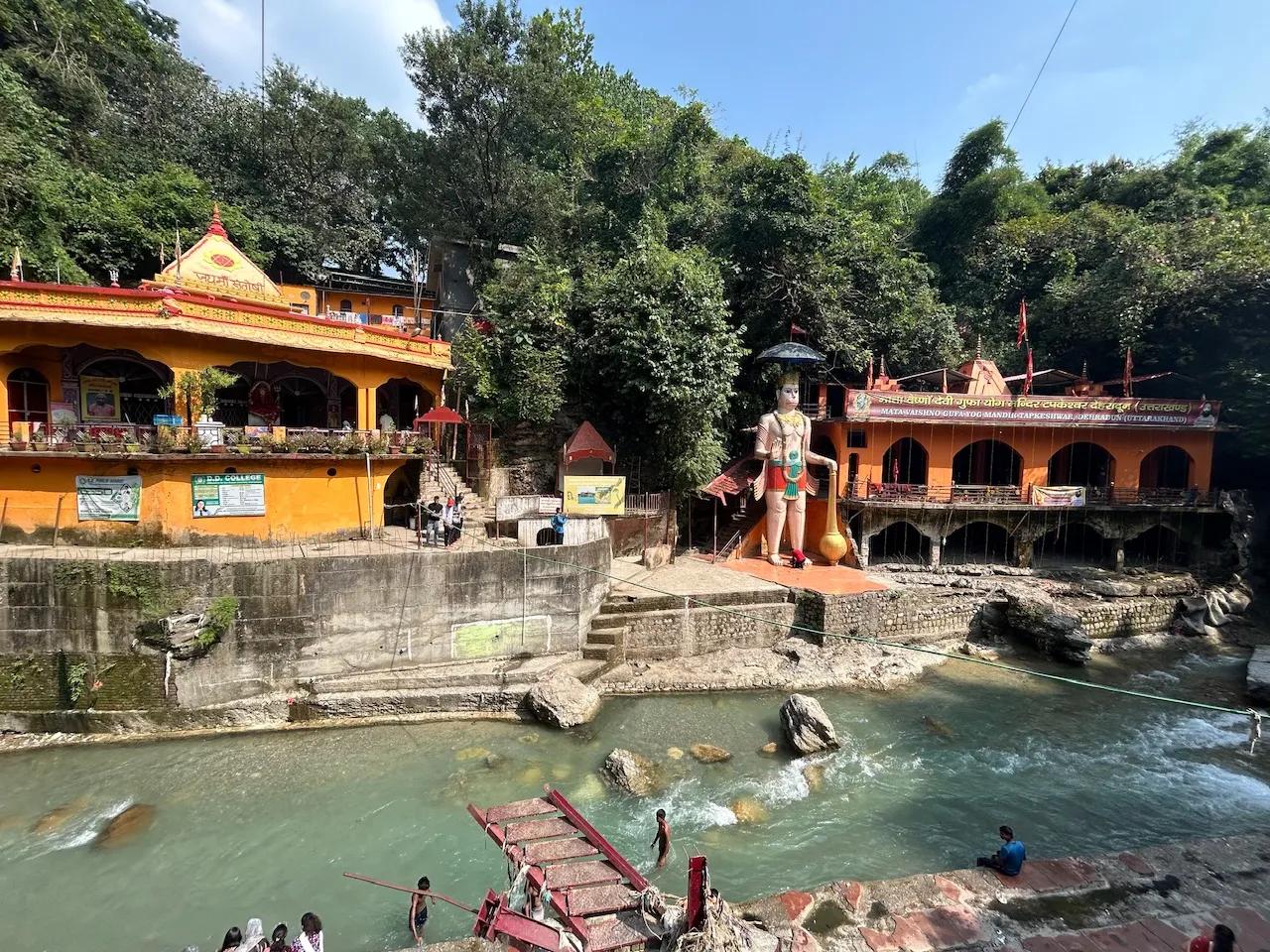
One of Dehradun’s most famous temples, Tapkeshwar Temple, is deeply tied to this Mahabharata connection. The cave temple is believed to have once served as Dronacharya’s residence and meditation site, with the cave itself often referred to as Drona Cave. The temple’s natural cave setting and dripping water over the Shivling add to its mystical atmosphere, making it one of the city’s most unique spiritual attractions.
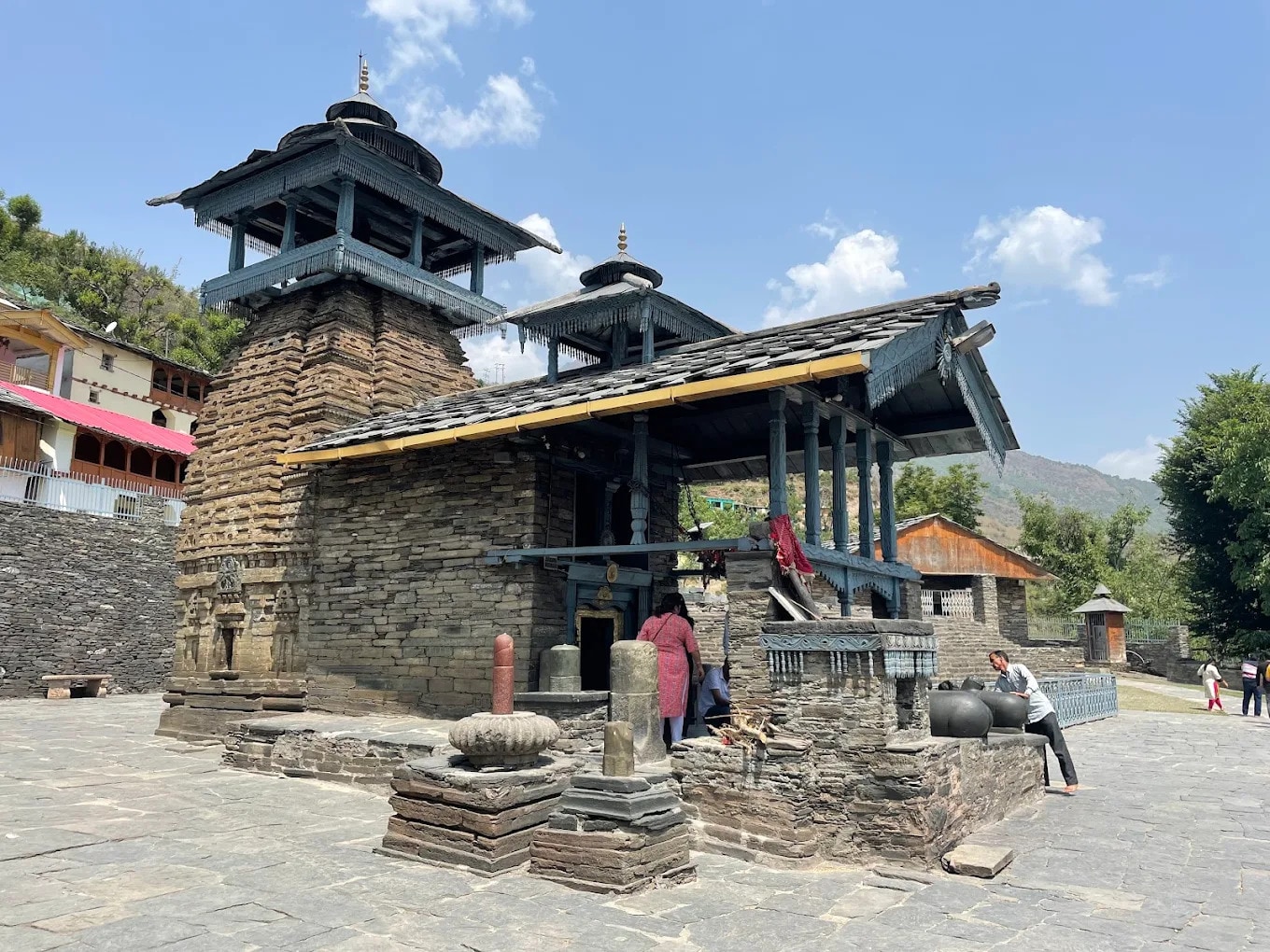
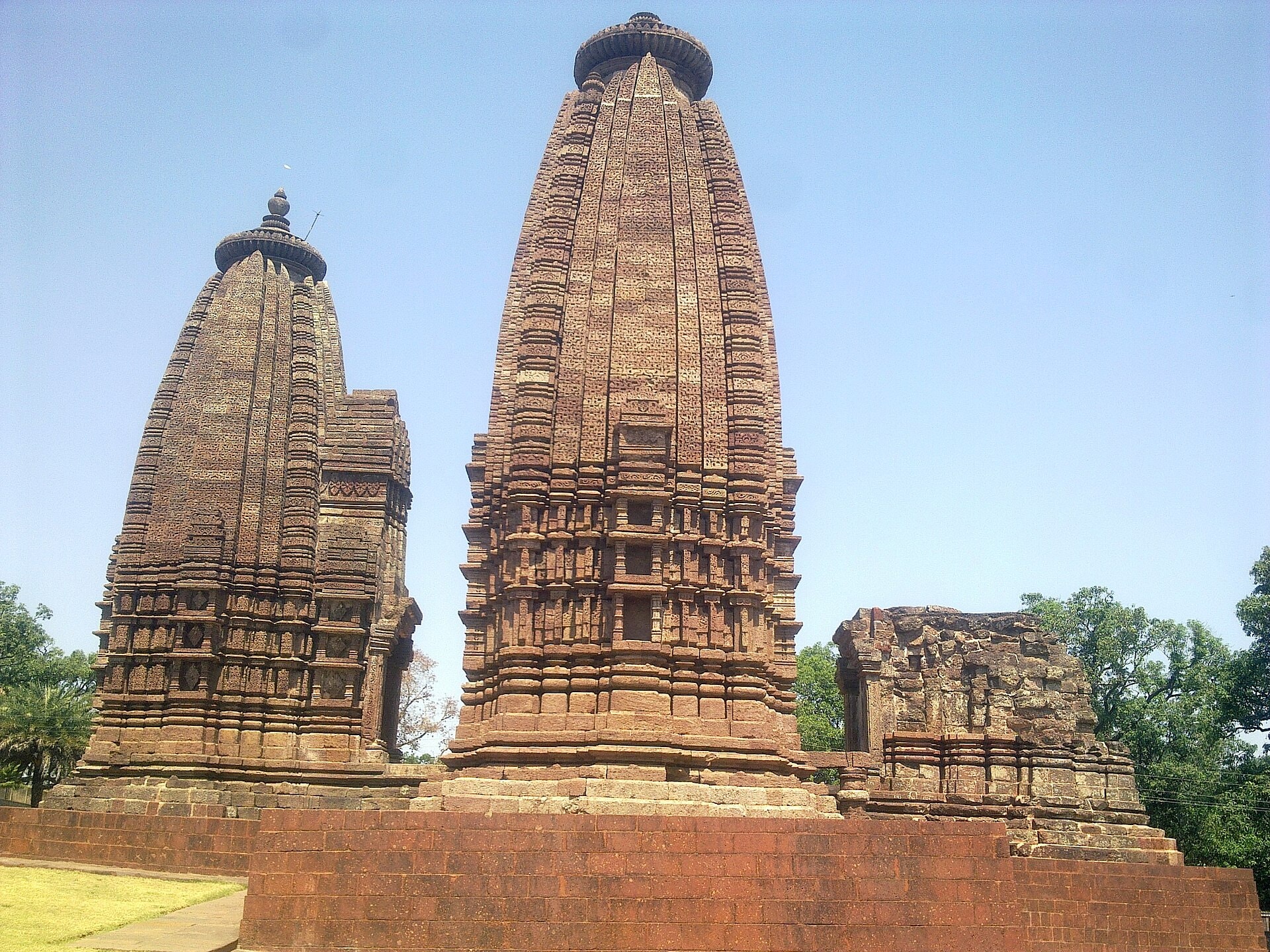
Located a few hours from Dehradun, Lakhamandal is believed to be the site of the infamous Lakshagriha, or House of Lac, from the Mahabharata. According to legend, this was where the Kauravas plotted to burn the Pandavas alive by trapping them in a palace made of highly flammable lac. The Pandavas are said to have escaped through a secret tunnel, and the site remains one of the most intriguing Mahabharata-linked locations in Uttarakhand. Today, Lakhamandal is home to ancient temple ruins and archaeological remains that draw pilgrims and history buffs alike.
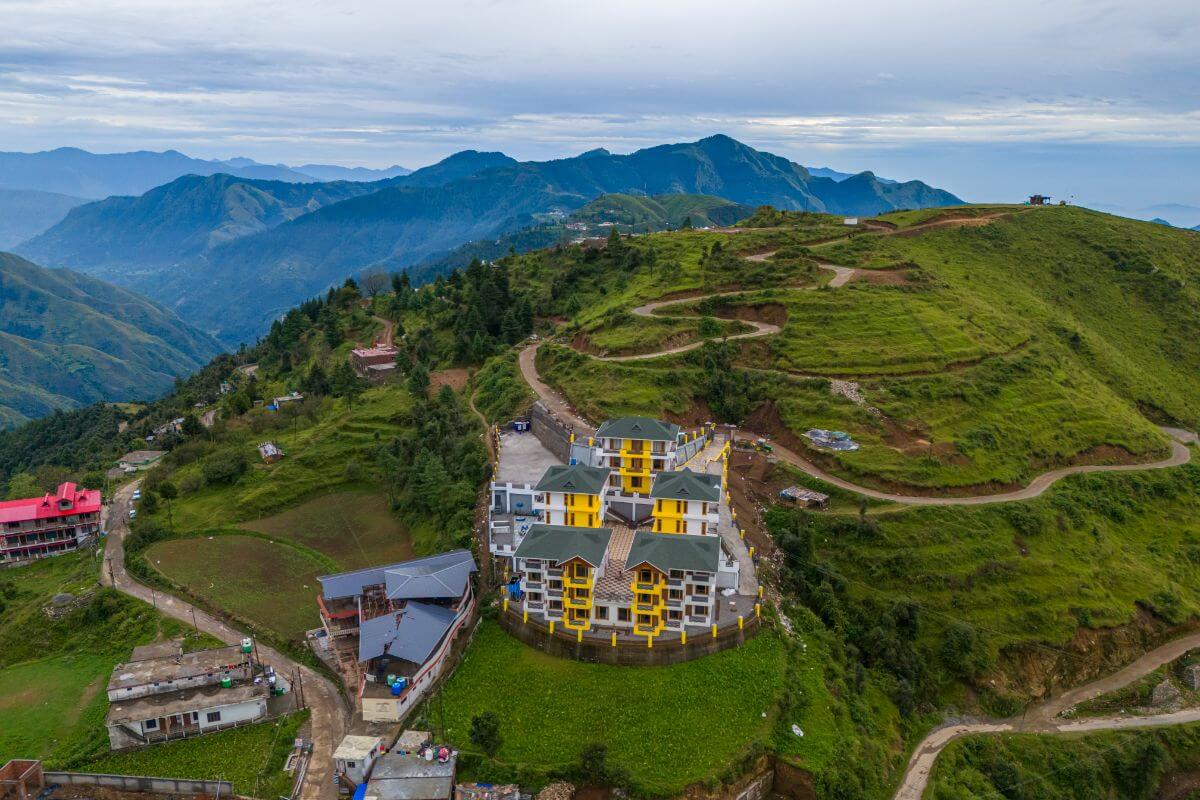
The scenic Chakrata region in Dehradun district is believed to be part of the route the Pandavas took during their Mahaprasthan, or final journey toward heaven after the Kurukshetra war. According to mythology, the Pandavas renounced their kingdom and embarked on a final pilgrimage through the Himalayas, and several areas in Uttarakhand are associated with this sacred path. For many travellers, this adds a spiritual significance to the region’s already breathtaking natural beauty.
Near Chakrata lies Netwar, a lesser-known but spiritually significant destination that houses a temple dedicated to Karna, the tragic warrior of the Mahabharata and the eldest brother of the Pandavas. Karna remains one of the epic’s most beloved and complex characters, and temples dedicated to him are relatively rare in India. This makes the Netwar Karna Temple an especially unique stop for devotees and mythology enthusiasts exploring the region.


