


GK: Which Country Is Called Land Of Morning Calm?


South Korea is home to one of the world’s most poetic nicknames. Historically known as Chosun, the Korean peninsula translates to the “Land of Morning Calm,” evoking the serene stillness that blankets the country at dawn—mist drifting over green mountains, temple bells ringing across forested valleys, and the world feeling unusually quiet. Remarkably, that sense of calm has endured through centuries of invasion, division, and transformation. (Image: Freepik)
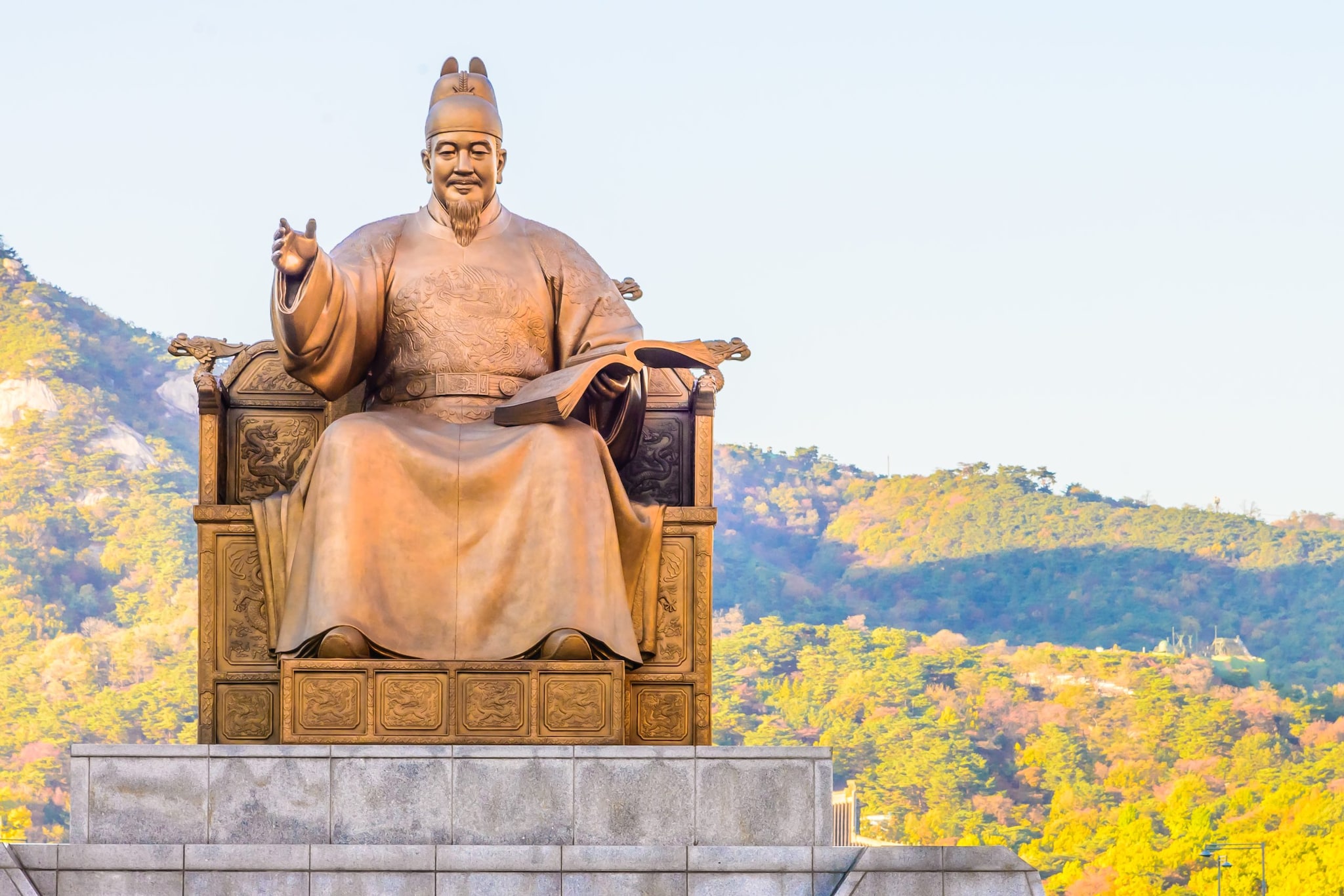
The name Chosun (also spelt Joseon) was the title of the Korean dynasty that ruled from 1392 to 1897, and the phrase itself captures something very real about the landscape. (Image: Freepik)
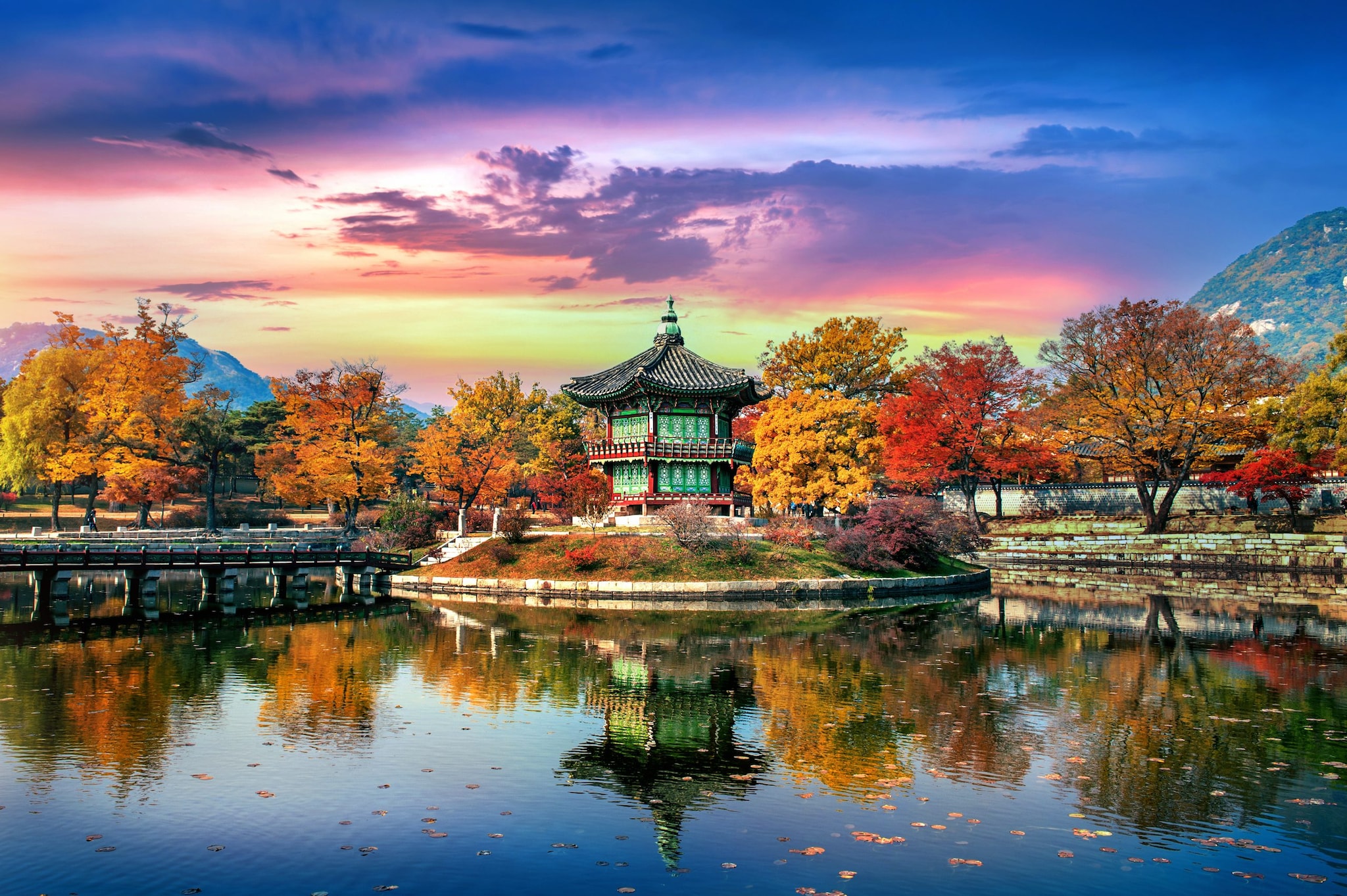
South Korea’s countryside is especially mesmerizing in the early morning. Rolling green hills stretch endlessly, Buddhist monasteries nestle quietly in mountain valleys, rivers shimmer in the first light, and cherry blossoms drift across temple courtyards in spring. The contrast with the country’s fast-paced cities is striking. Seoul pulses with energy—glass towers, K-pop billboards, and bustling underground malls dominate the scene. Yet just an hour outside the city, a different South Korea emerges: unhurried, soulful, and profoundly calm. Both sides of the country are equally captivating. (Image: Freepik)
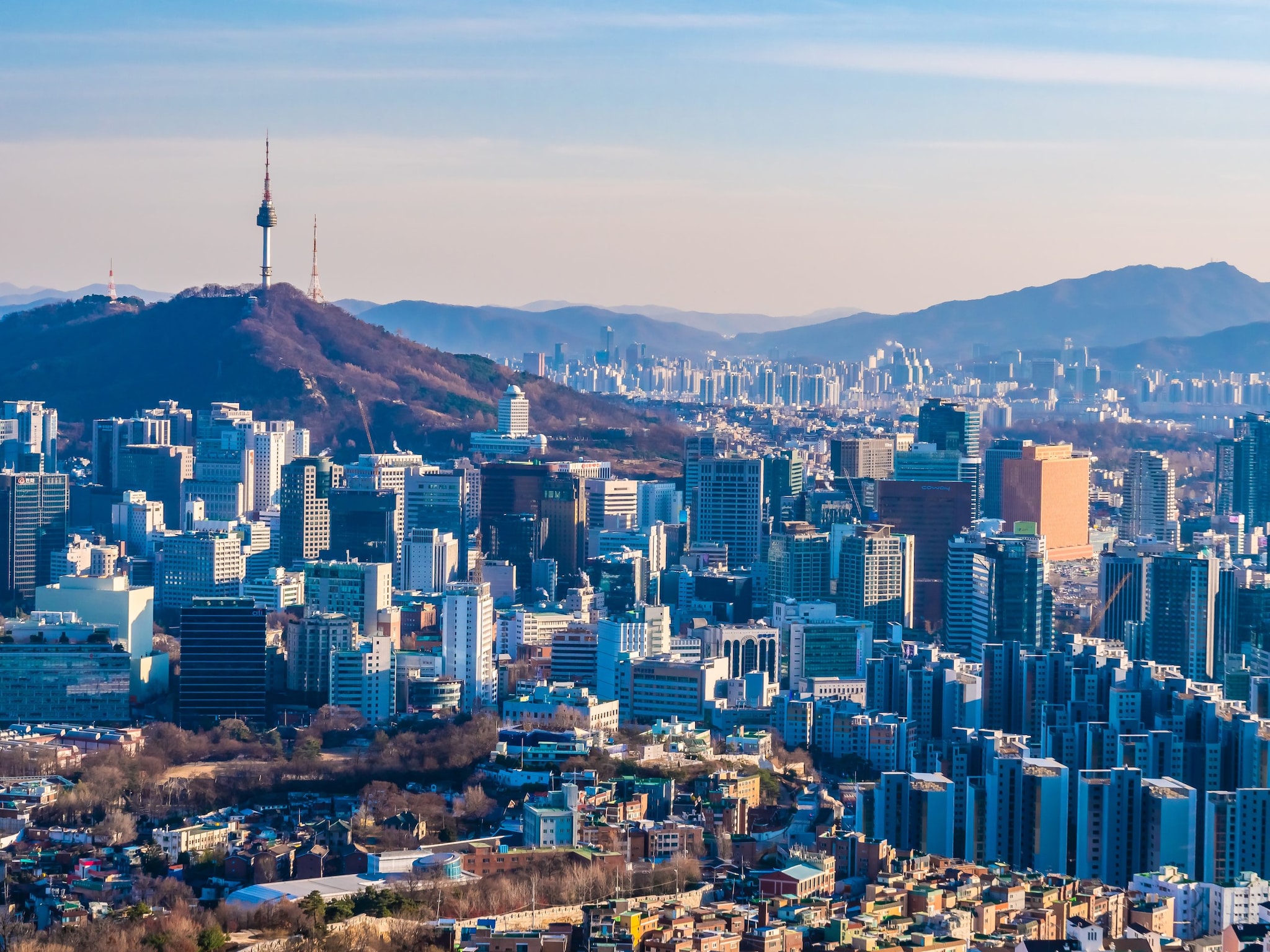
A Look At the cities in South Korea! (Image: Freepik)
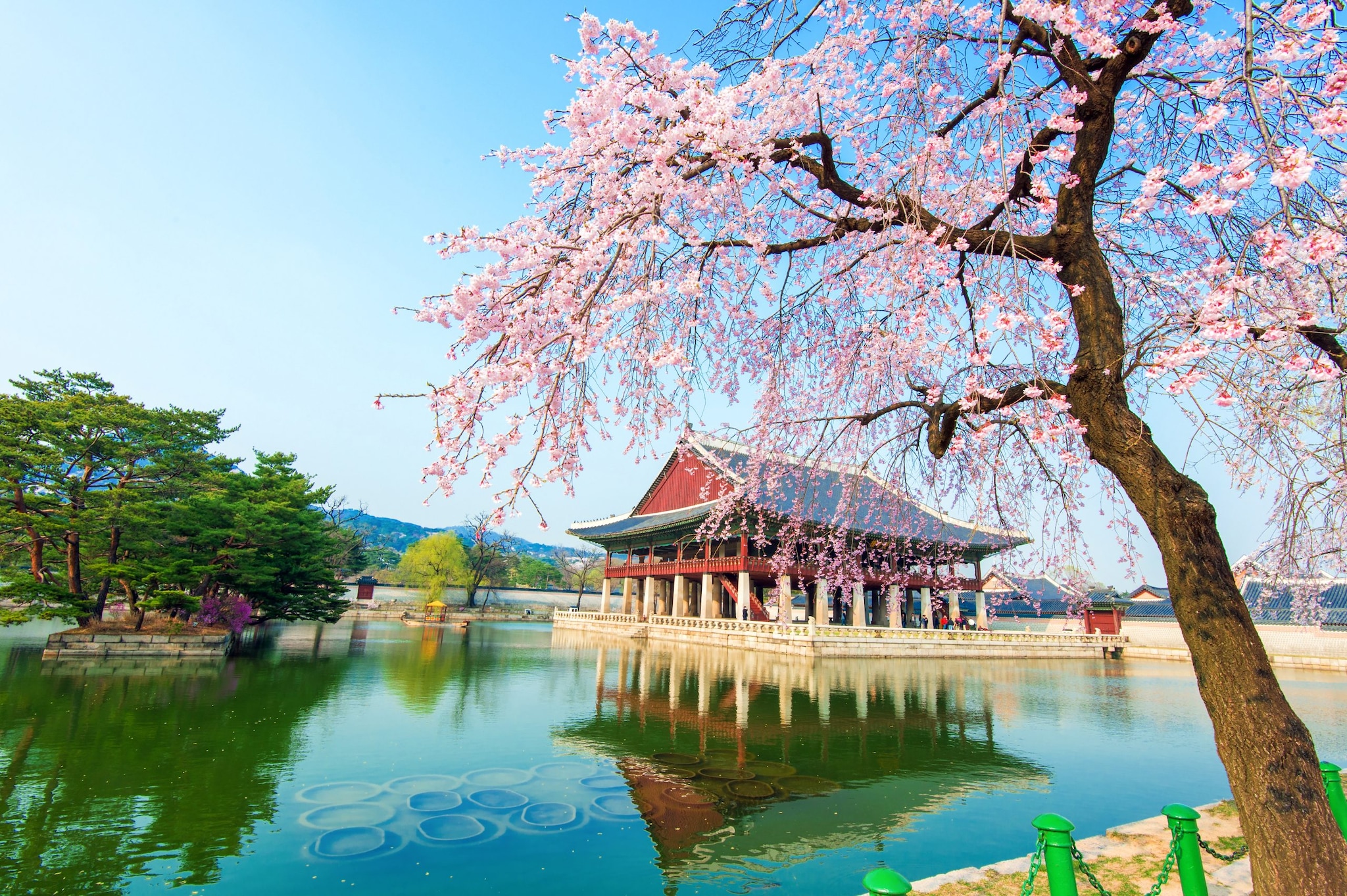
Seoul: The city never truly sleeps. Ancient palaces sit nestled among gleaming glass skyscrapers, street food alleys buzz well past 2 a.m., and world-class museums and galleries await around nearly every corner. At the heart of it all stands Gyeongbokgung Palace, built in 1395 and the grandest of the Joseon-era royal palaces, framed by the snow-capped peaks of Bukhansan. Its daily changing of the guard ceremony is one of Asia’s most captivating urban rituals. (Image: Freepik)
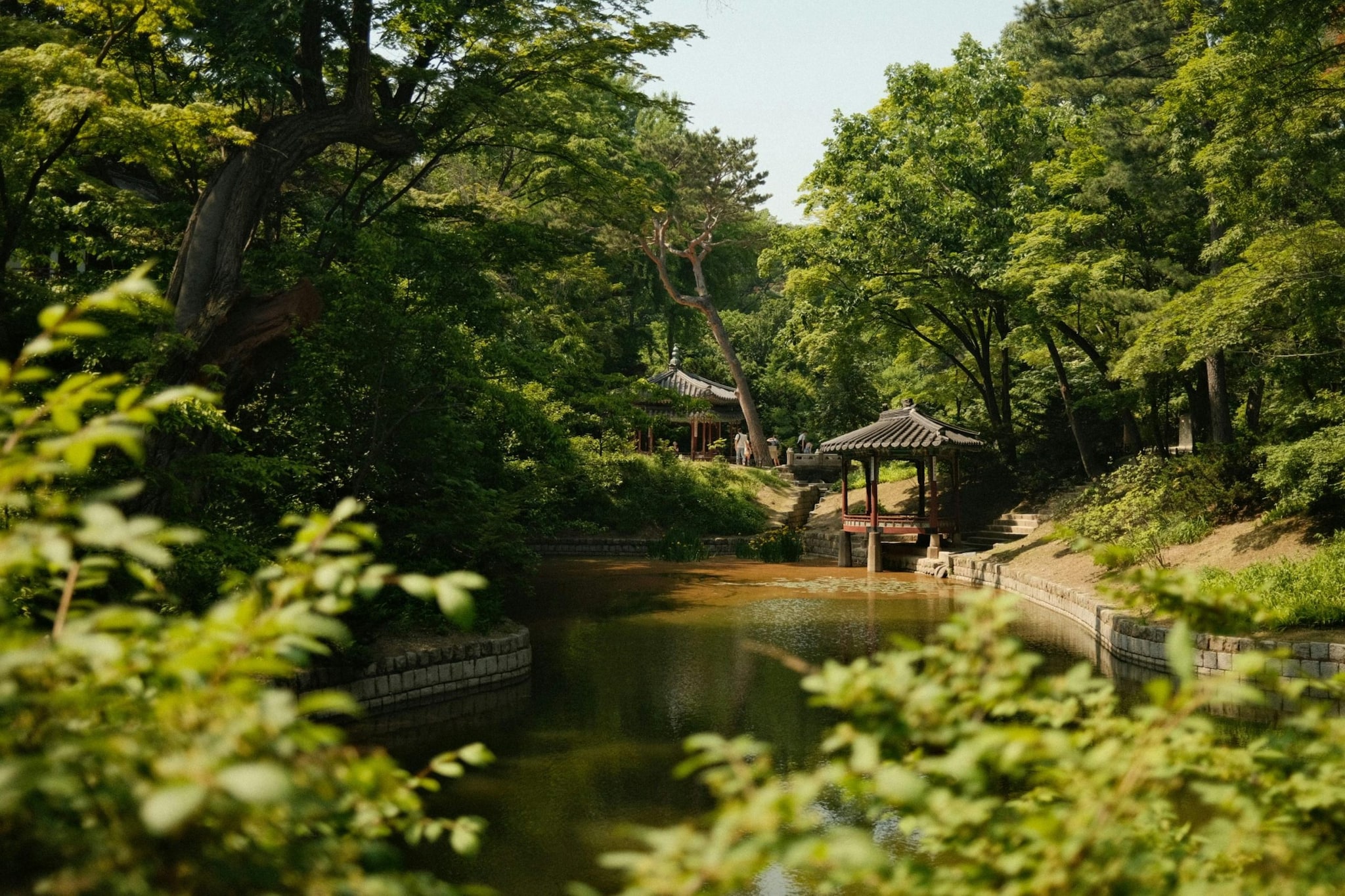
Nearby, Changdeokgung Palace—a UNESCO World Heritage Site—houses the Secret Garden, a tranquil forest of pavilions and lotus ponds that feels worlds apart from the bustling city beyond its walls. (Image: Pexels)
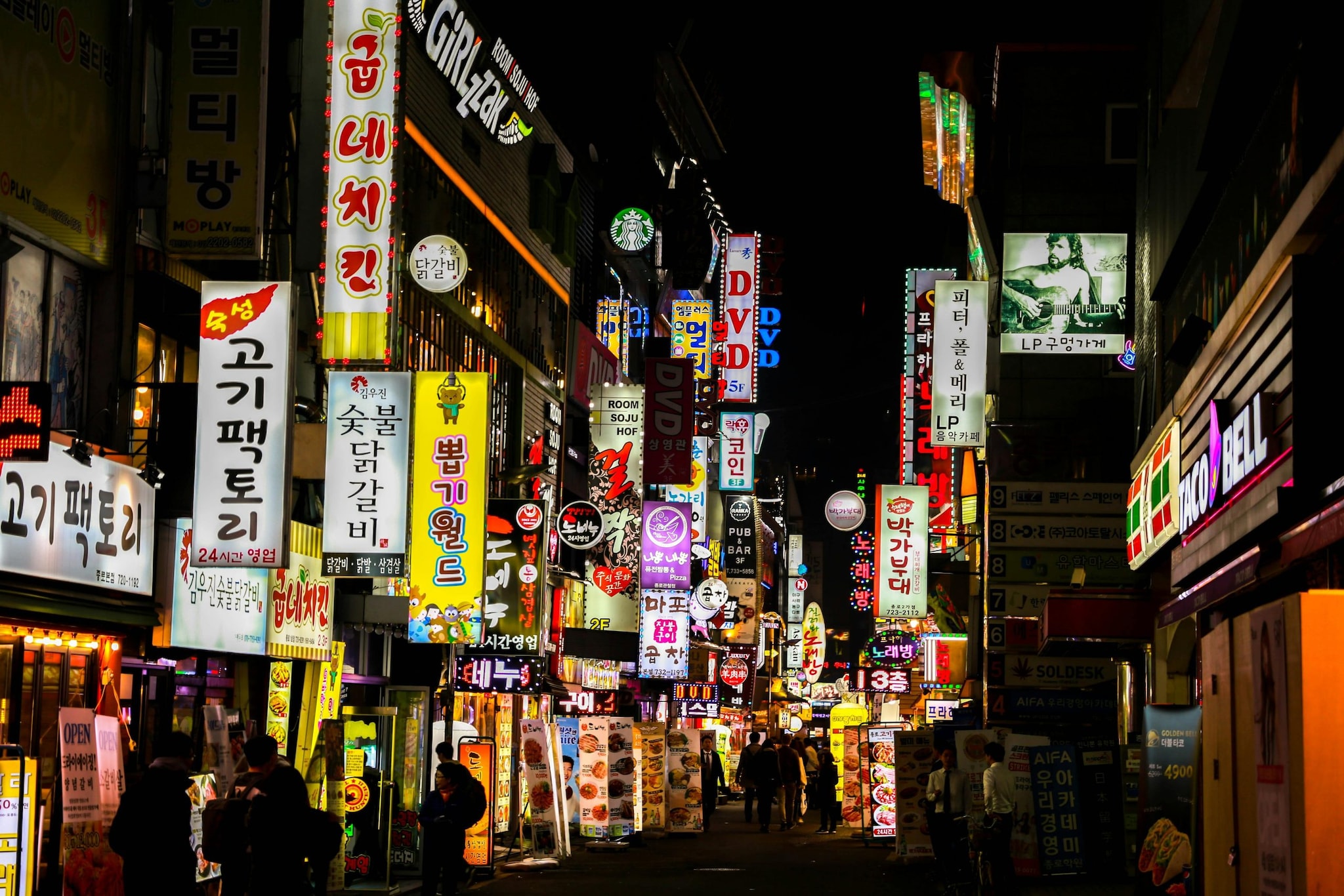
For a taste of Seoul’s cultural heartbeat at a leisurely pace, head to the neighbourhood of Insadong. Its winding streets are lined with traditional tea houses, art galleries, pottery shops, and cozy restaurants serving classic Korean dishes. The area opens early and is best explored on a quiet morning. On the other end of the spectrum, neighbourhoods like Hongdae and Itaewon showcase some of Asia’s liveliest nightlife and dining scenes, with Korean-inspired eateries offering flavours from around the world—including a surprisingly strong Indian food scene. (Image: Pexels)
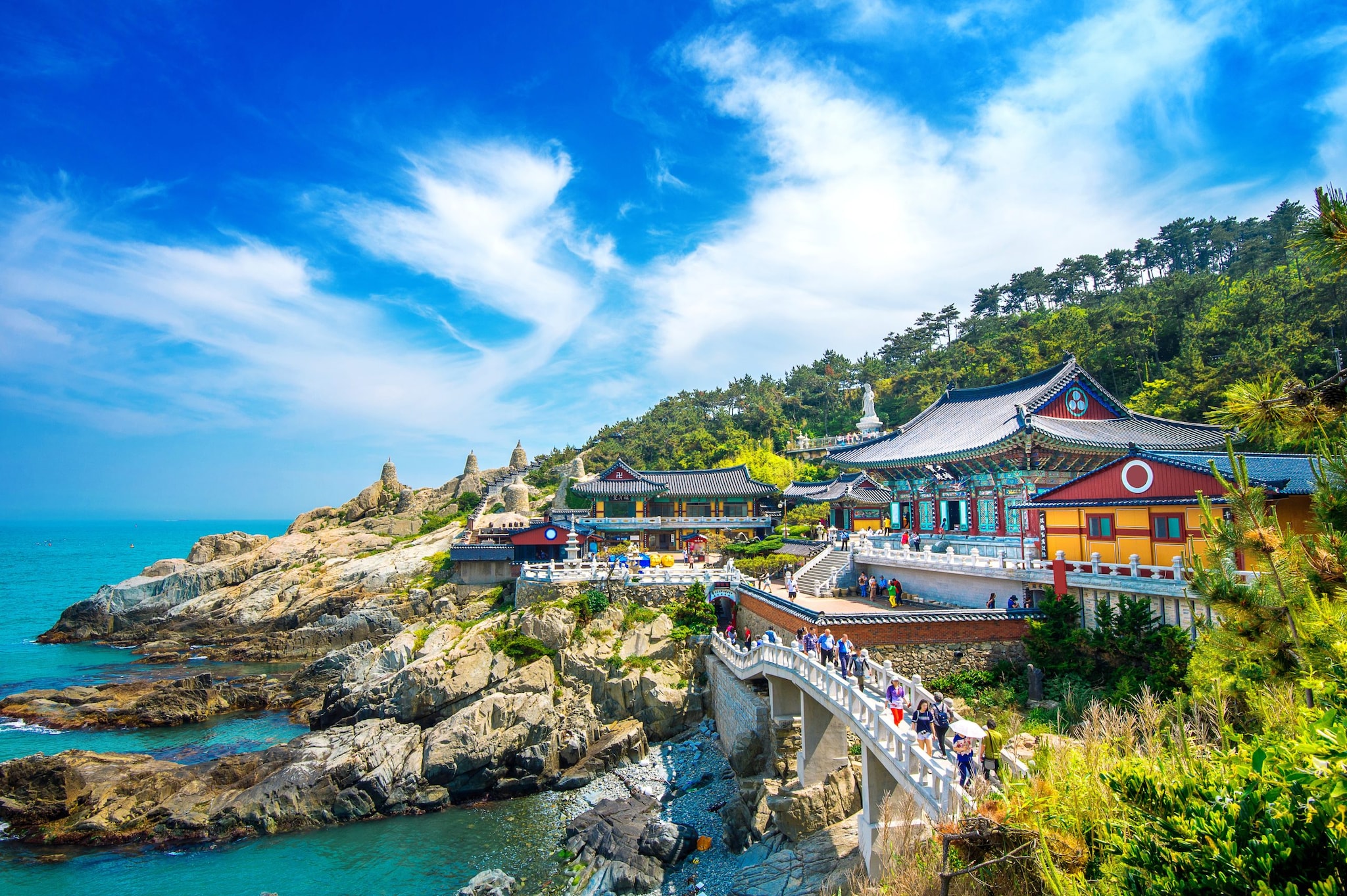
Busan: South Korea’s second-largest city, offers a striking contrast to Seoul. This bustling port city exudes a rougher, coastal energy while boasting dramatic natural beauty. Haeundae Beach, one of Korea’s most famous stretches of sand, curves gently along the shore, backed by a skyline of high-rise hotels. (Image: Freepik)
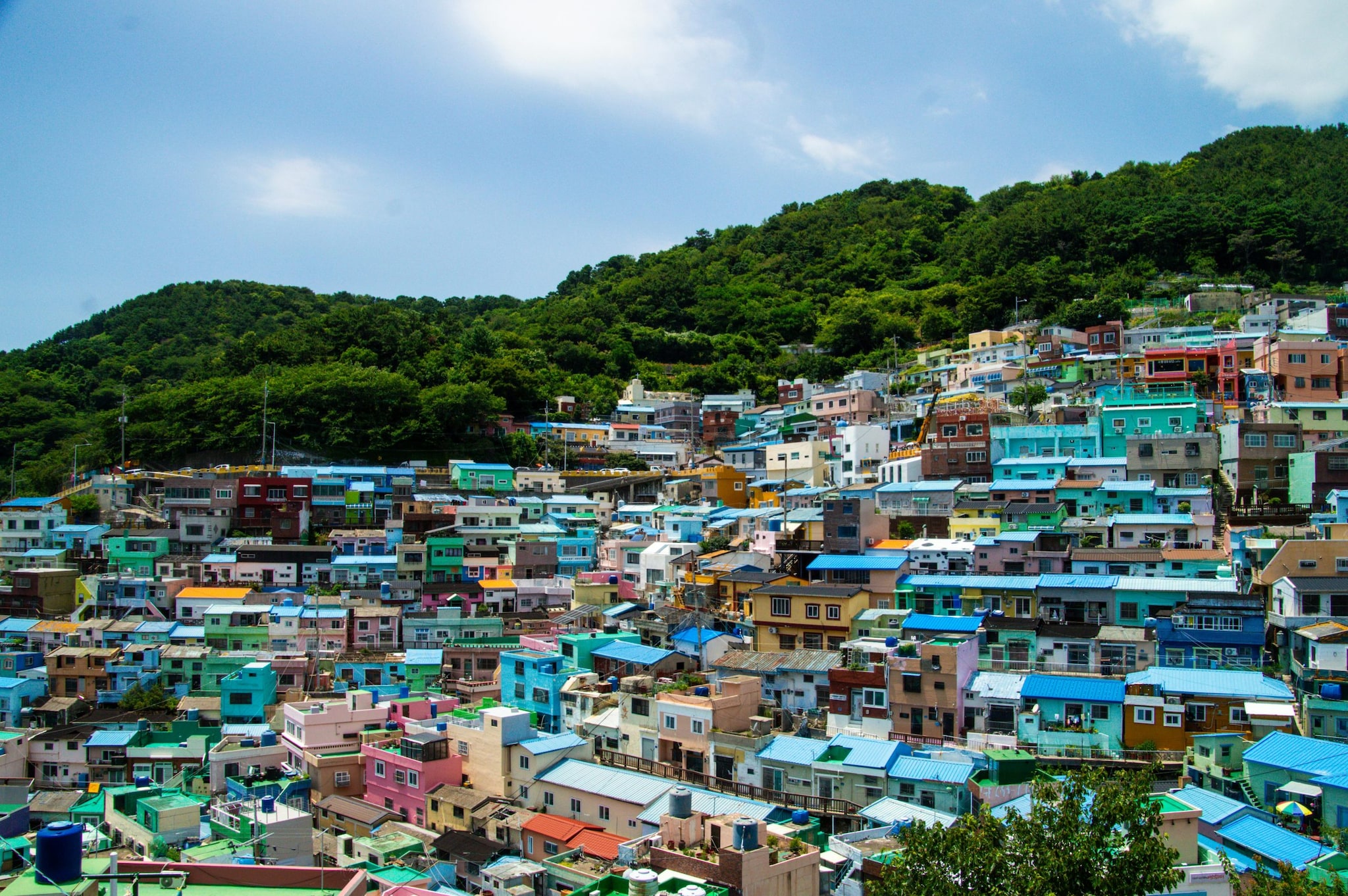
The Gamcheon Culture Village, a hillside neighbourhood of brightly painted houses and winding staircases, was originally built in the 1920s and 1930s to house the poor and was transformed in 2009 into a vibrant arts district. (Image: Pexels)
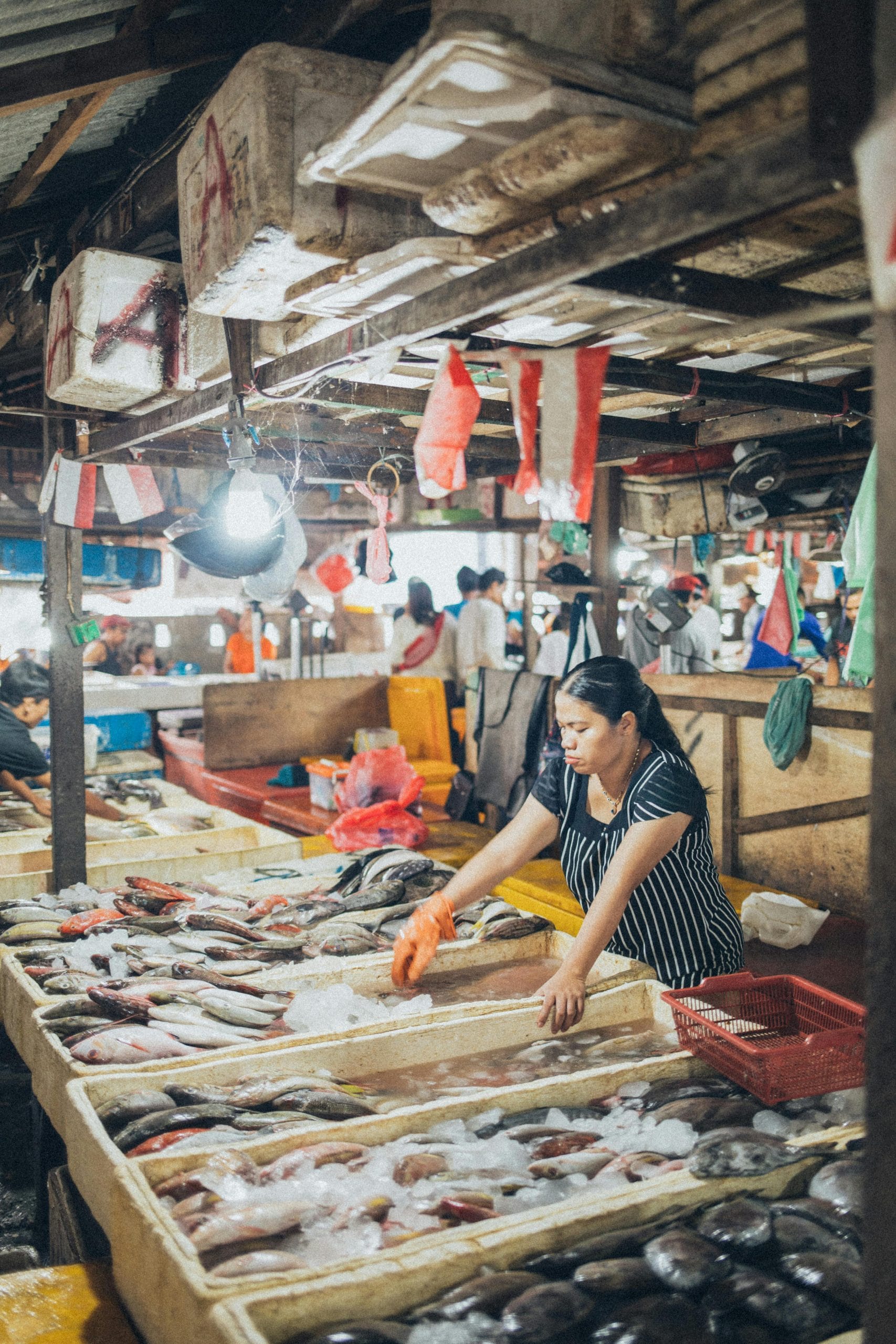
Meanwhile, the Jagalchi Fish Market—the country’s largest seafood market—is a feast for the senses, with vast halls brimming with live fish, octopus, and shellfish, alongside dozens of on-site restaurants where you can savour the catch you just picked. (Image: Pexels)
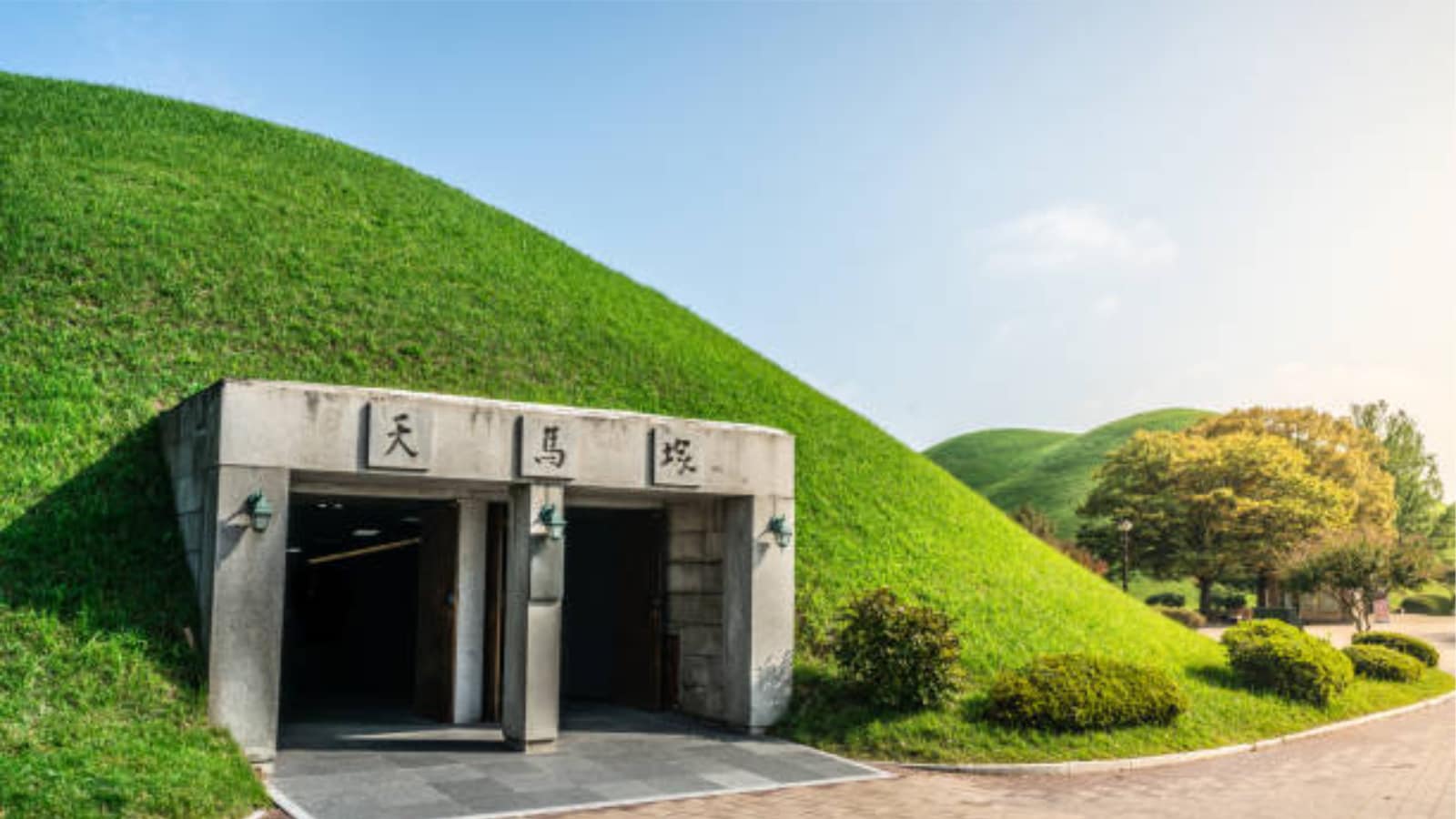
Gyeongju: This place offers a window into Korea before modernity took hold. Once the ancient capital of the Silla kingdom, which ruled for nearly a millennium, the city feels like an open-air museum. The Daereungwon Tomb Complex features vast green fields dotted with enormous royal burial mounds, creating a quietly surreal landscape unlike anywhere else in the country. (Image: Pexels)
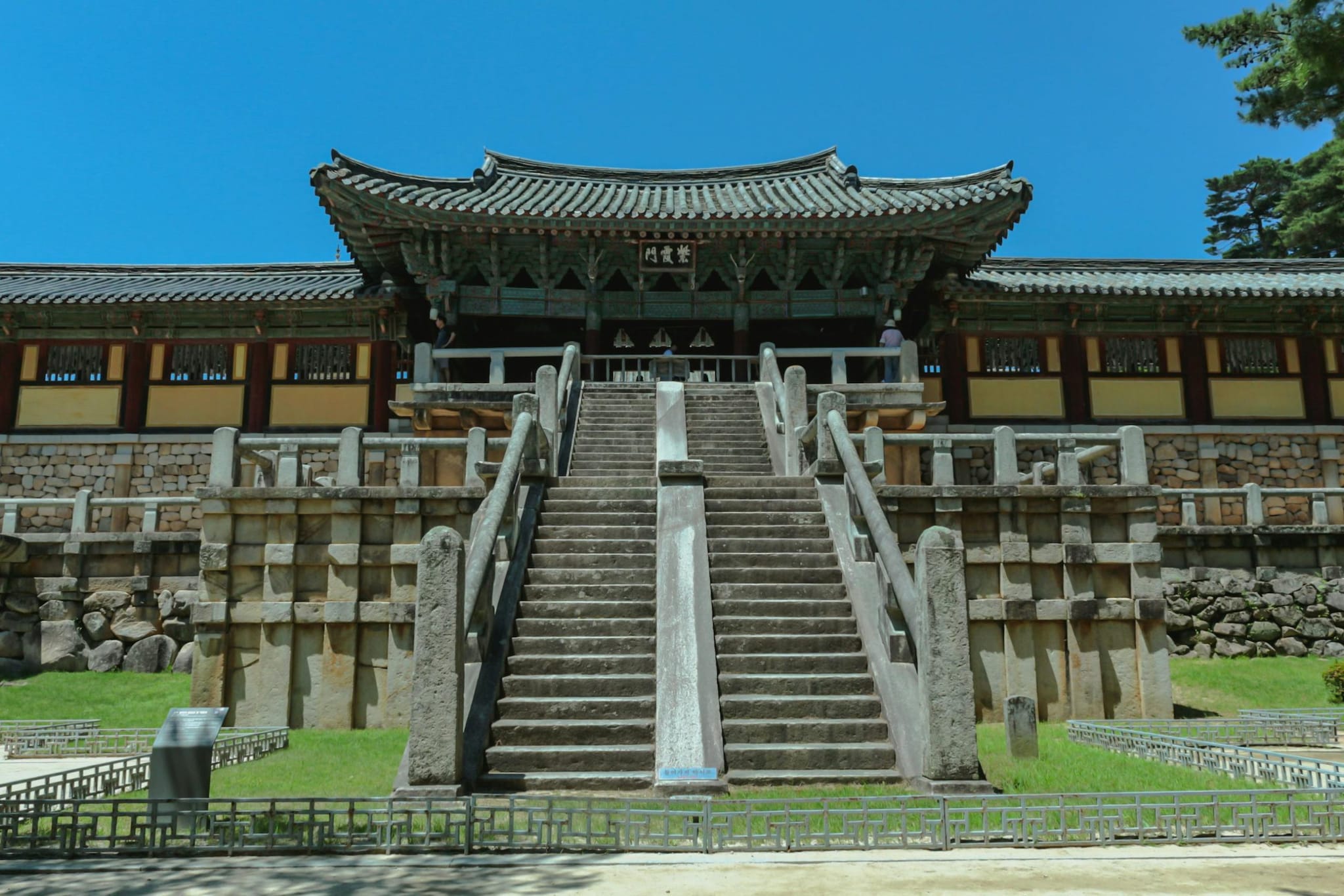
Bulguksa Temple, a UNESCO World Heritage Site still active with Buddhist monks, stands as one of Asia’s finest examples of Buddhist architecture. Visiting in spring, when the surrounding hills burst into bloom, creates a breathtaking contrast of vibrant colour against ancient stone. (Image: Pexels)


