


GK: Which Country Is Called The Gift Of Nile?


Egypt is known as the “Gift of the Nile” because the river is the source of life for the country. Flowing through vast deserts, the Nile transforms dry land into fertile fields, providing water, food, and rich soil that sustain farming and human settlement. (Image: Pexels)
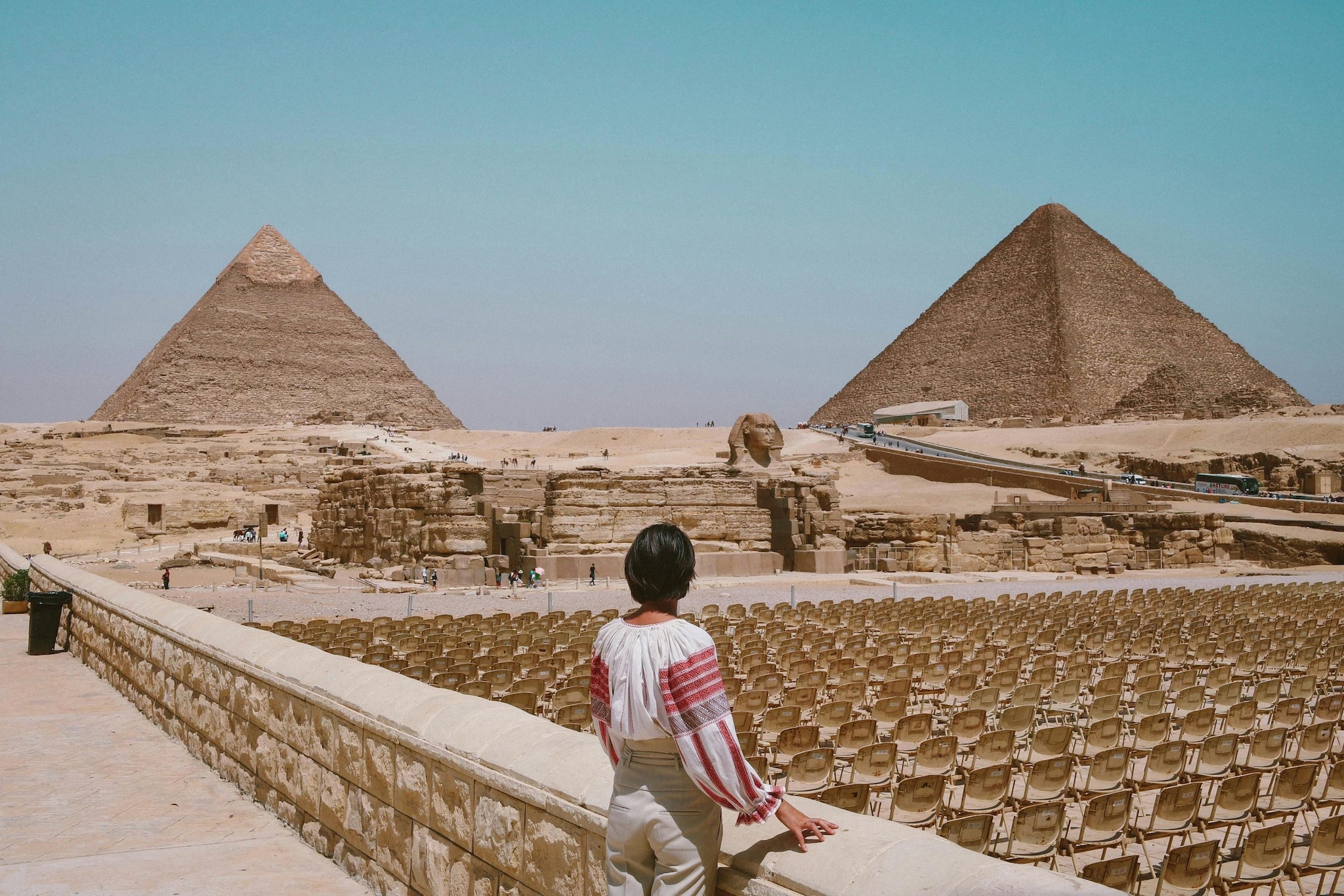
Most of Egypt is covered by desert and receives very little rainfall. The Nile River is the main source of water for people, animals, and plants. It enriches the soil, making it ideal for crops like wheat, rice, and cotton. Each year, the Nile’s gentle floods deposit fertile silt, helping farmers grow food. Without the Nile, Egypt would have no agriculture, cities, or widespread human settlement. (Image: Pexels)
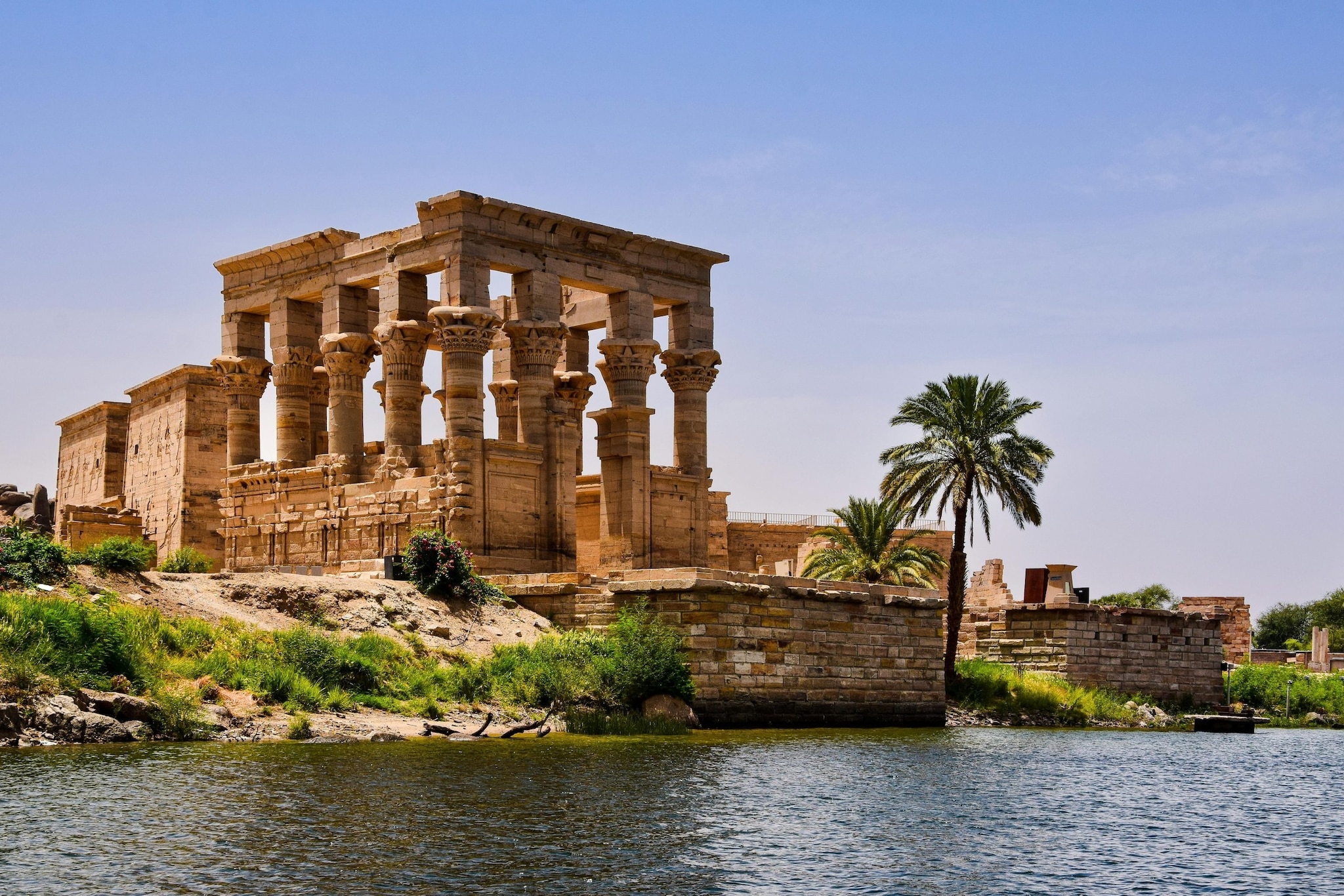
The river played an important role in creating ancient Egyptian civilisation. People built their homes, temples, and farms along the river because it supplied all their essential needs. (Image: Pexels)
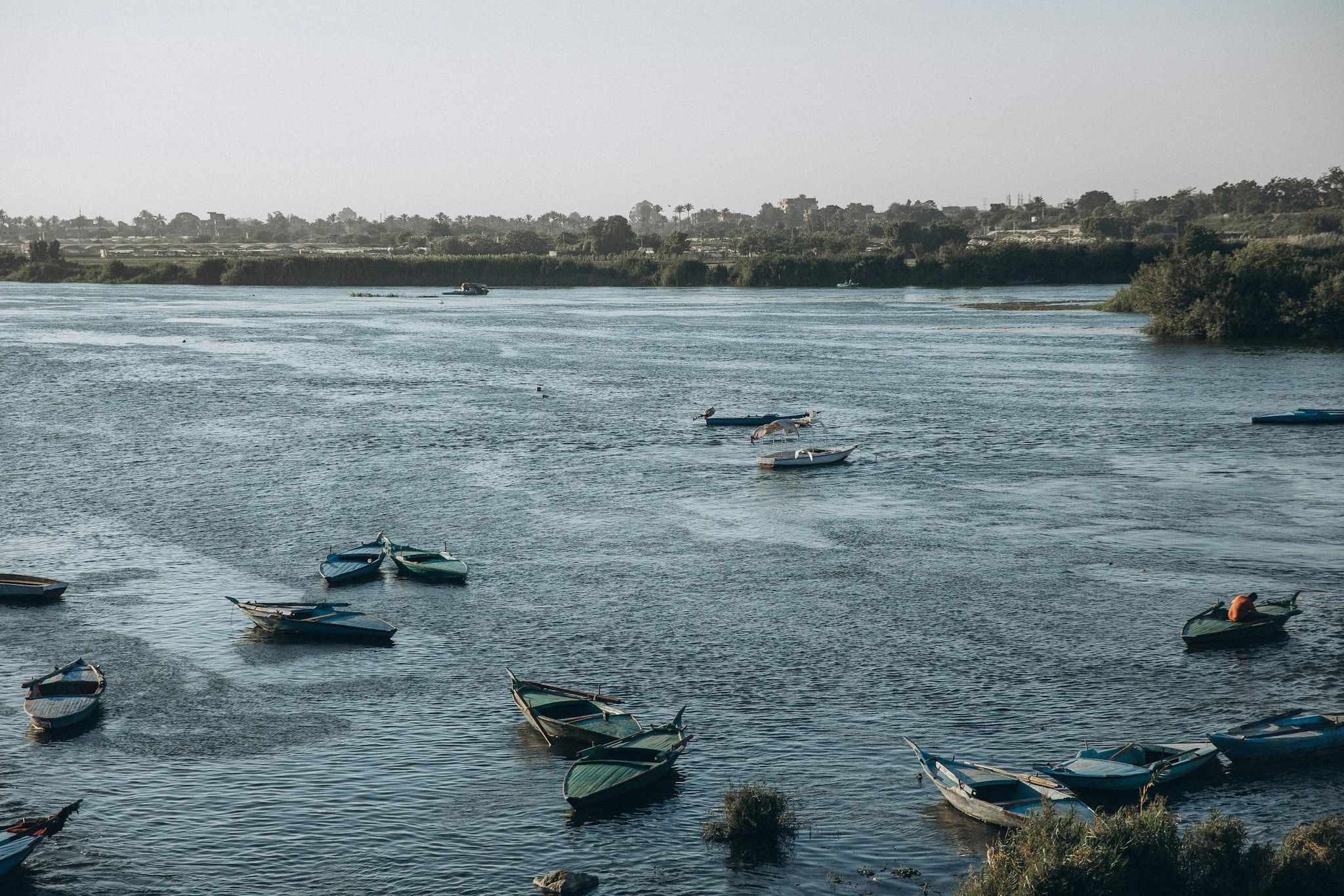
The Nile made travel easy through boat transport and helped Egyptians trade with nearby regions. It also influenced the development of writing, farming methods, and calendars. Its steady flow brought stability and predictability, allowing Egypt to flourish as one of the world’s earliest and most successful civilizations. (Image: Pexels)
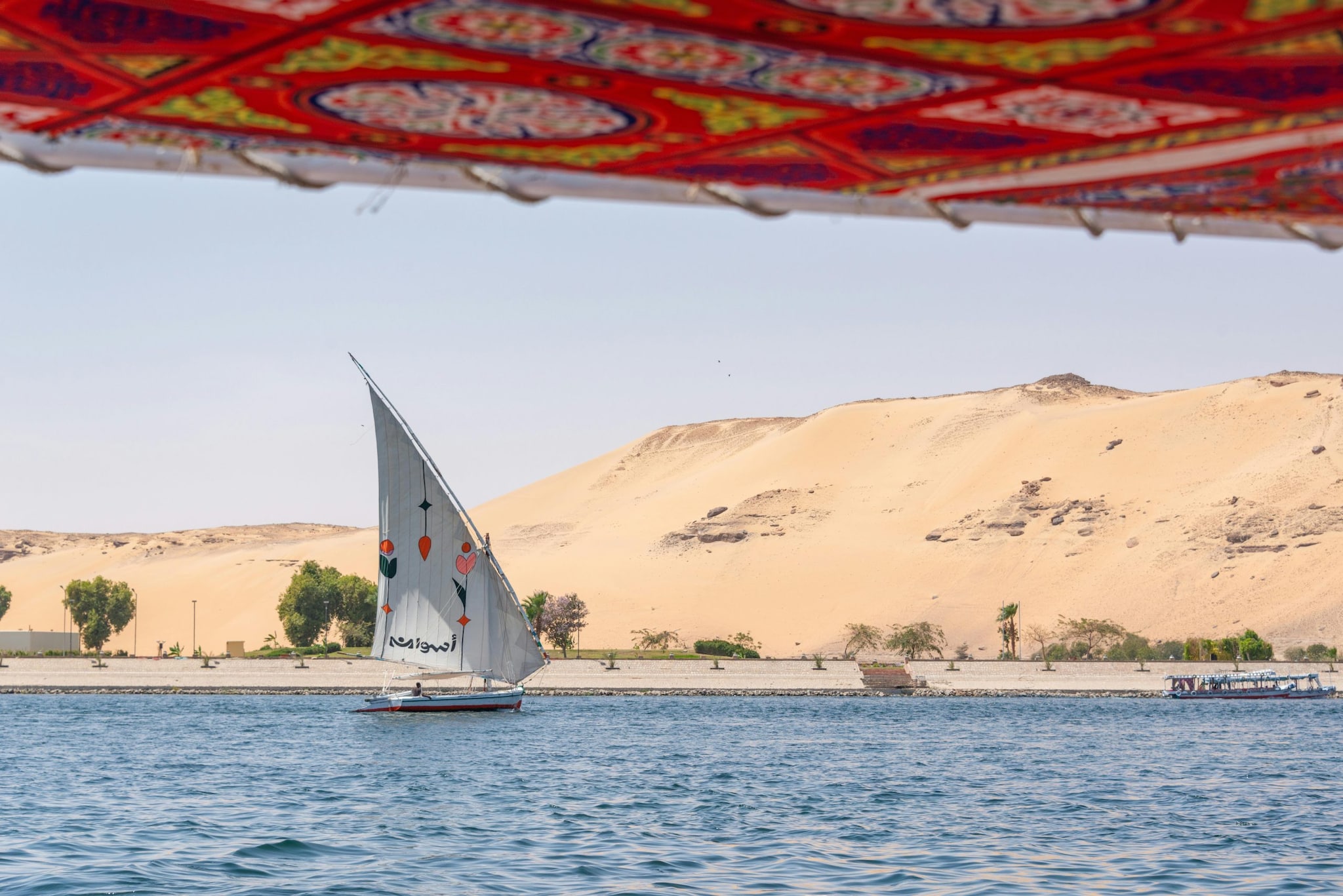
Even today, the Nile is Egypt’s lifeline. It supplies drinking water to millions, supports modern agriculture through irrigation, and, with the Aswan High Dam, helps control floods, store water, and generate electricity. (Image: Pexels)
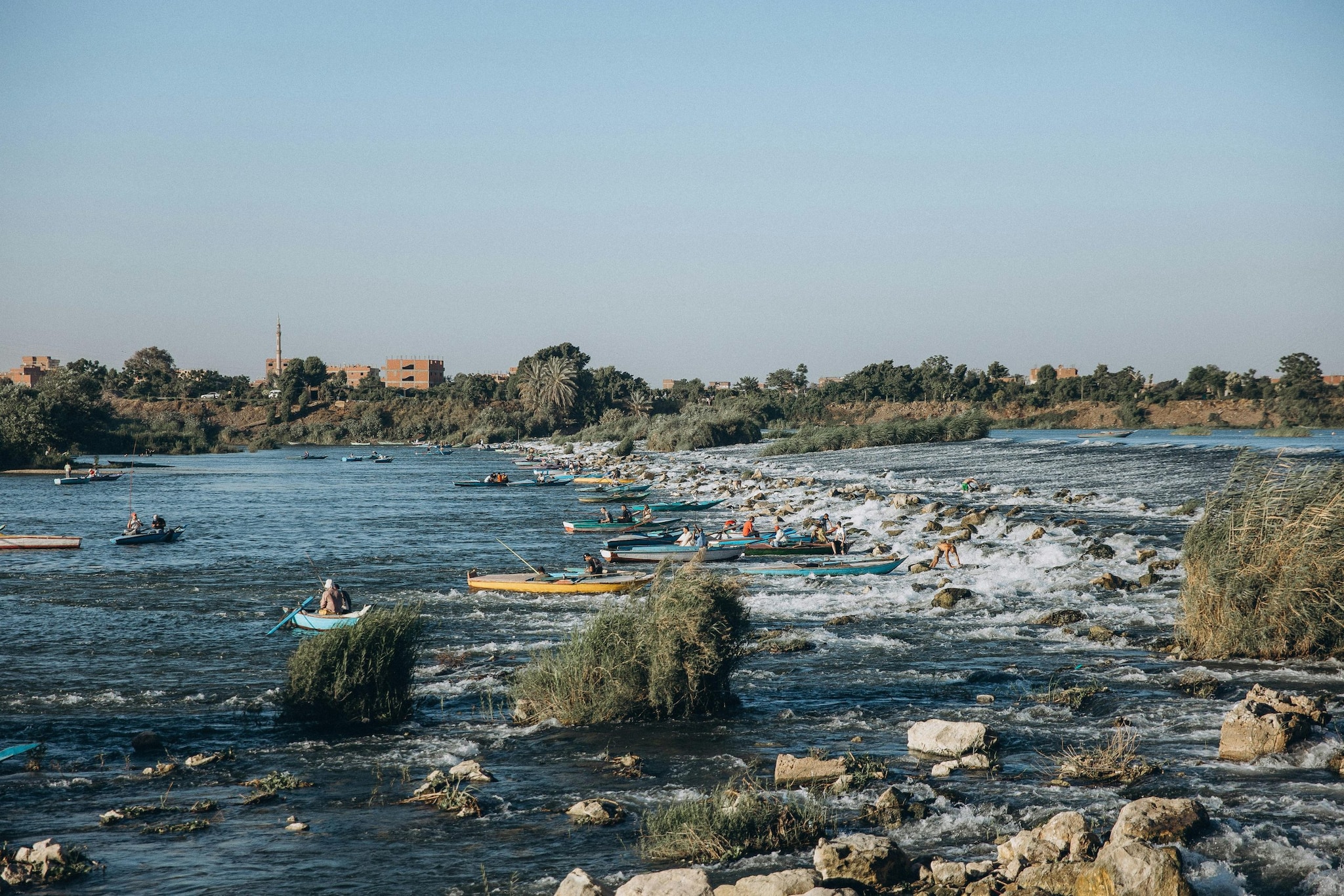
The river also supports fishing and tourism, key contributors to Egypt’s economy. Most major cities, including Cairo and Luxor, are located along the Nile, as it continues to sustain life and livelihoods in every possible way. (Image: Pexels)
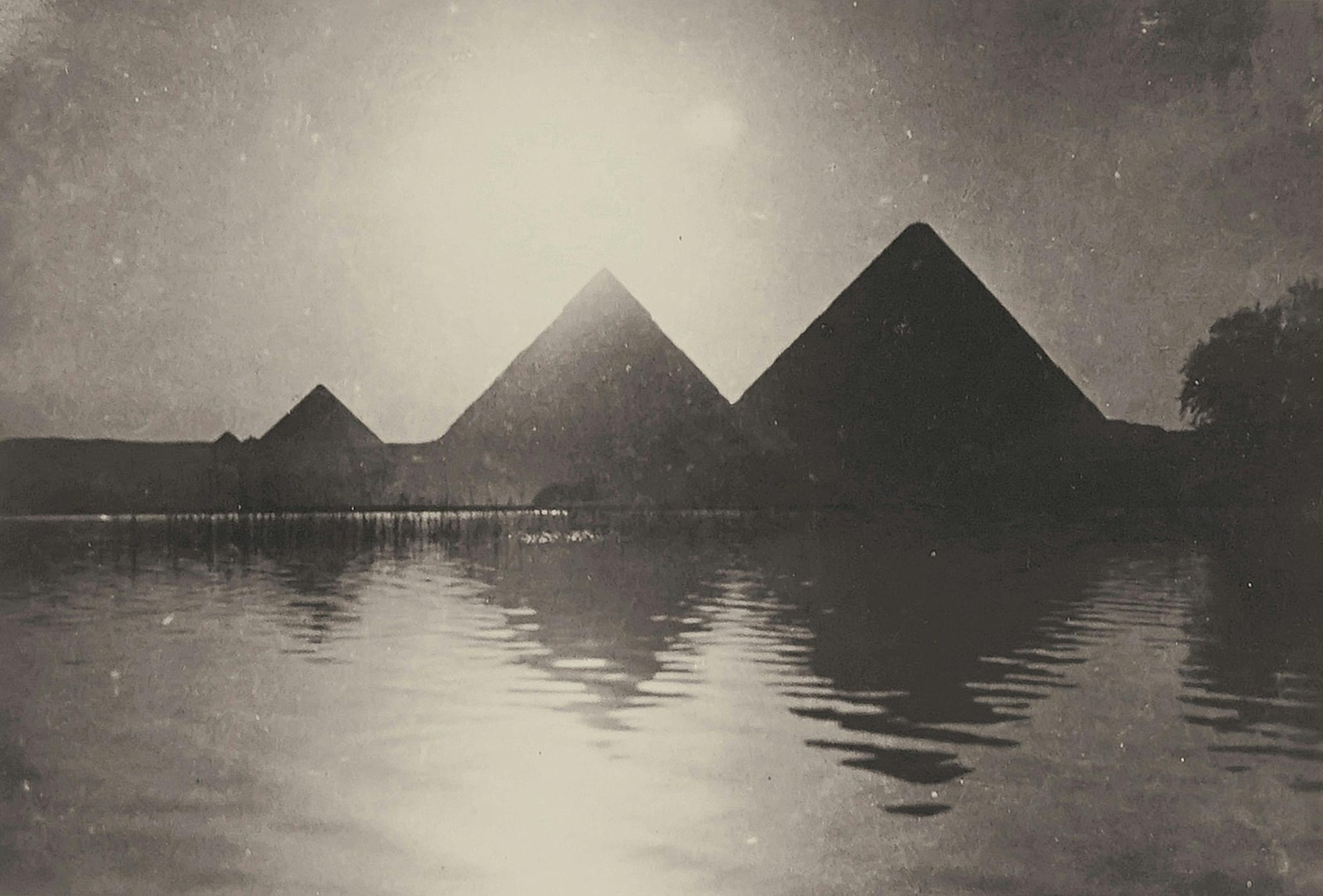
Nearly 95 percent of Egypt’s population lives near the Nile. The fertile green belt along the river is the only area suitable for farming. Each year, the Nile’s waters spread over dry land, depositing rich soil that has transformed desert regions into productive farmland. (Image: Pexels)


