


Have you ever wondered why some people seem to age like fine wine, staying sharp and healthy well into their 90s or even 100? – The Times of India


Meng Wang got hooked on aging research during her postdoc days at Harvard and Mass General. Like many of us, she noticed how some folks just keep going strong while others fade earlier. Drawing from her family story, she turned to a simple creature: Caenorhabditis elegans worms. These little guys are aging research favorites because their bodies work a lot like ours at the cellular level. Their short lives—about three weeks—let scientists test ideas fast. Wang zeroed in on lipolysis, the everyday process where cells break down stored fats for energy. But she suspected it was more than fuel; maybe those fats send signals that keep the whole body running smoothly.
Fats as body messengers
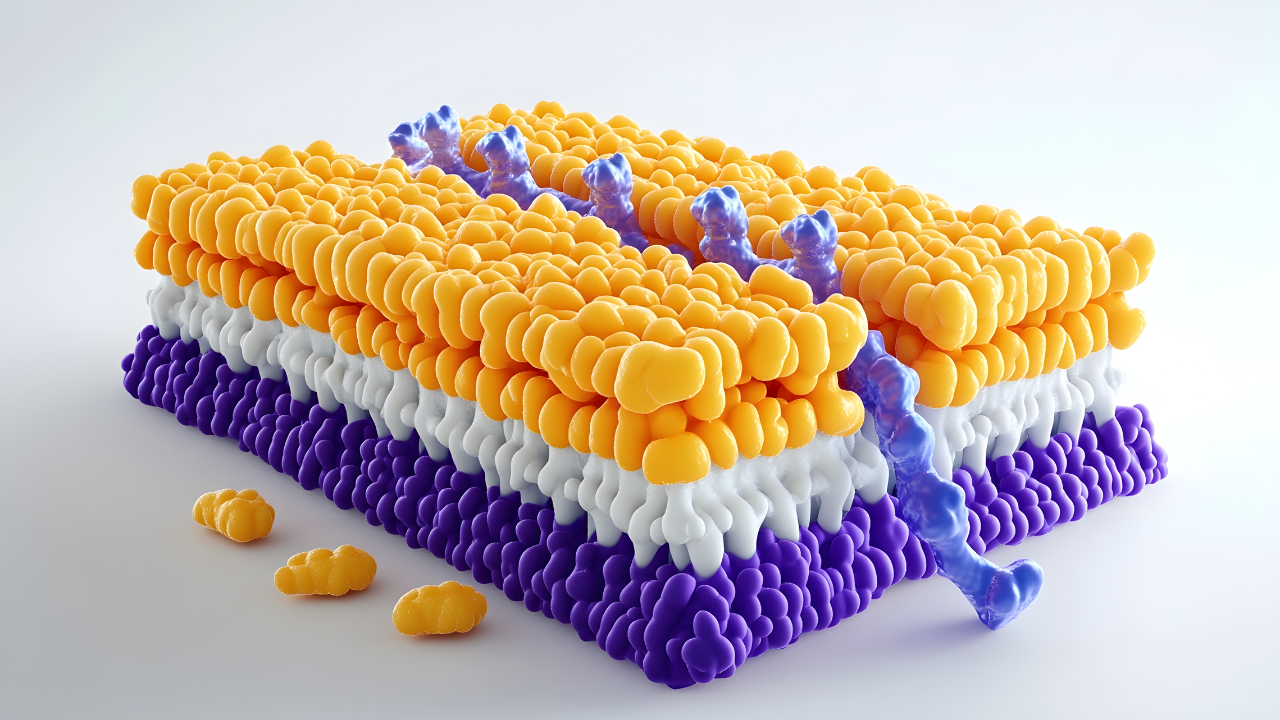
At Baylor College of Medicine, Wang’s team struck gold with an enzyme called LIPL-4, tucked inside lysosomes—the cell’s recycling centers—in the gut’s fat-storing cells. Think of lysosomes as tiny cleanup crews that chew up old fats, turning them into polyunsaturated fatty acids, or PUFAs. These are the good fats we hear about in fish oil and walnuts, linked to heart health and brain function. In worms, LIPL-4 ramps up PUFA production, and those fats don’t just sit there. They hitch a ride on a carrier protein called LBP-3 and head straight to neurons, the worm’s version of brain cells. There, they flick on a receptor called NHR-49, which wakes up the nlp-11 gene. The result? Better metabolism, less inflammation, and worms living 50-60% longer—staying nimble and clear-headed without starving them or making them exercise.
Key discoveries
To map this out, the team ran clever screens using RNA interference, a tool that silences specific genes one by one. They found nlp-11 in neurons was crucial: dial it down, and the longevity boost from LIPL-4 vanishes. Turn it up just in neurons, and worms still get the full benefit. Blocking PUFAs altogether? No extra years. This nailed down a clear fat-to-neuron pathway, showing how gut cells can boss the nervous system around for the good of the whole body. In plain terms, it’s like your belly fats whispering to your brain, “Hey, keep things balanced so we all thrive.” These findings echo human health tips: diets rich in PUFAs, like omega-3s from fatty fish or flaxseeds, support heart health, steady blood sugar, and sharper thinking as we age.
Results that matter
The outcomes are striking. Works with extra LIPL-4 did not just live longer, they even moved faster better, dodged any stress or age-related decline. Controls withered faster, while treated ones kept hustling. This mimics calorie restriction—one of the few proven longevity tricks—without the hunger. For us humans, it points to why balanced fats matter. Low PUFA levels were linked to faster aging, heart issues and diabetes. Wang’s work suggests tweaking this pathway could fight multiple ills at once: better fat breakdown might clear junk from cells, easing fatty liver, protecting arteries, and shielding nerves from decline. Imagine drugs or foods that nudge LIPL-4-like activity, helping Indians and others manage urban stresses like pollution and desk jobs that mess with metabolism.
Wang’s ongoing quest

Today, leading her lab at Howard Hughes Medical Institute’s Janelia Research Campus, Wang digs into how these fat signals travel between organs and even chat with gut bacteria—our microbiome, which influences everything from mood to immunity. Her newest papers explore how lysosomes tweak genes across generations, passing health perks to offspring worms. She’s sharing this at the ASBMB 2026 meeting, urging simple metabolic shifts: more PUFA-rich foods, perhaps, to stretch our healthy years. For everyday people, it’s hopeful. That family reunion where grandma outdances the kids? Science like Wang’s turns “lucky genes” into actionable steps—eat smart, move a bit, and let your cells signal for longevity.


