


I hired a nutritionist to help me prep for the London Marathon. This is what I found


For most of my life, running and nutrition were never things I took seriously. I grew up overweight, and food was something I turned to for comfort. It was less about fuelling my body and more about trying to feel better in the moment which is something that often left me feeling worse. I found myself stuck in cycles of bingeing, eating foods that lacked nutritional value and avoiding exercise altogether.
When I first moved to London, things didn’t change overnight. For two years, I was on and off in the gym, struggling with consistency – and more importantly, lacking a sense of community. It wasn’t until I decided to start a run club that something shifted. Being surrounded by people who were motivated, disciplined and achieving incredible things pushed me out of my comfort zone.
That environment led me to sign up for my first 10K race in November 2024, and from there, I went on to complete two half marathons in 2025. At the time, it looked like a lot of growth and progress – but behind the scenes I was winging it. I always got through the races but I was constantly dealing with injuries, pain in my legs and ankles, and fatigue for days after the race. I wasn’t training smart and I definitely wasn’t fuelling my body properly.
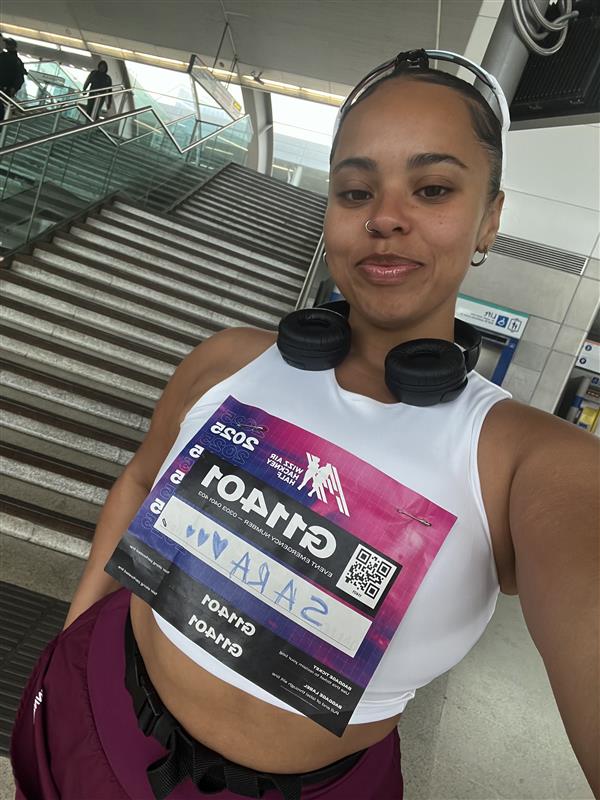
When I got offered a spot for the London Marathon, I knew this was going to be something I couldn’t wing. If I wanted to make it to the start line and actually enjoy the experience, I had to go back to the basics. That meant taking my training, recovery, habits and lifestyle seriously, but most importantly, it meant finally understanding nutrition and how it could optimise my training.
I worked with Pamela Nisevich Bede, global nutritionist at Lingo, who explained that nutrition is the one variable we can control when it comes to running – so that’s what I did.
When working with Nisevich Bede, I came to understand something I had never paid attention to before in my diet: glucose.
“Glucose is one of the body’s primary energy sources,” she explained. “It’s a simple sugar that powers the brain and muscles. During exercise, having enough glucose signals adequate energy in the tank with the goal being that glucose to remain steady or increasing, signalling that the muscles have enough energy to use across the miles.”
Before this, I had never thought about food in terms of energy. I thought about calories, cravings or convenience, but not fuel.
What I learned quickly was that glucose isn’t just about what you eat, but how your body responds to it. “It’s very dynamic,” Nisevich Bede said. “Glucose rises and falls in response to food, training, stress and countless other factors.”
She explained that when glucose is stable, you feel energised, focused, and strong. When it’s not, that’s when you can experience crashes, fatigue and poor recovery.
That explained a lot as during my previous races, I had often hit a wall, not because I wasn’t fit enough but because I wasn’t fuelled properly. During one half marathon, I didn’t take any gels or even water, and I hated every minute of it. My body simply ran out of accessible energy.
This time, everything became more intentional.
My training week was structured: easy runs at the start of the week, speed sessions on Thursdays, long runs on Sundays and strength training in between. But the real change was how I supported that training with nutrition.
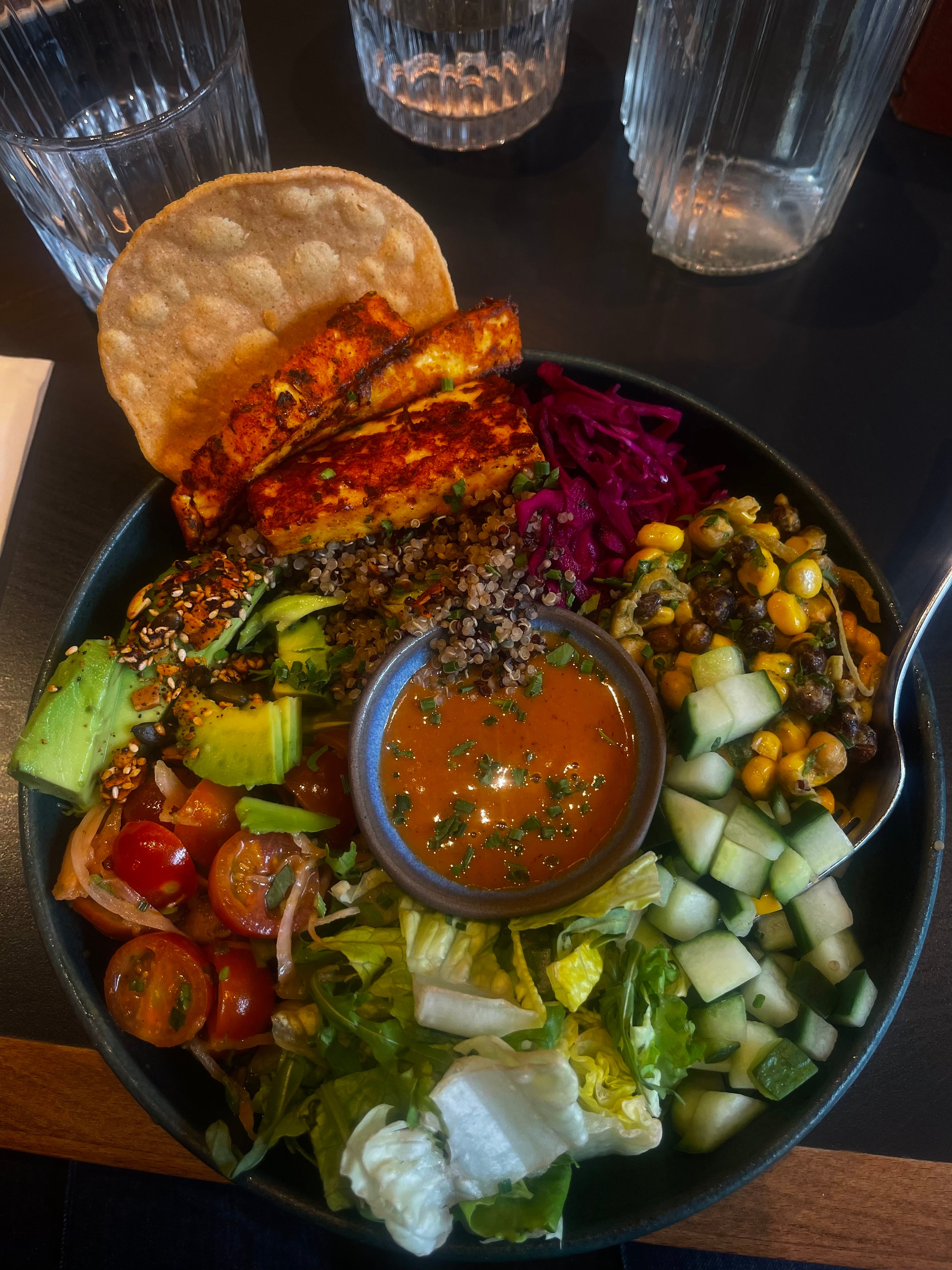
Instead of eating randomly, I followed a clear, structured plan that removed decision fatigue. I focused on building meals that combined carbohydrates for energy, protein for recovery and healthy fats for satiety.
“During running, muscles rely heavily on glucose as a rapid and efficient fuel source,” Nisevich Bede explained. “As glucose availability declines, performance is compromised, fatigue increases and the risk of an energy crash rises. She adds that the goal is to stay ahead of that depletion.
That meant fuelling before, during and after every key session.
The night before long runs, I prioritised carbohydrate-rich meals like spaghetti bolognese with garlic bread, something I once would have avoided but now understood as essential. Then on the morning of a run, I kept things simple: electrolytes, a bagel and a banana.
During runs, I aimed for around 60 grams of carbohydrates per hour, using chews instead of gels. It took time to get used to eating more, especially while running, but it made a huge difference in how I felt.
“Think of it like topping up a fuel tank,” Nisevich Bede told me. “If you wait until you’re empty, it’s too late. Consistent intake helps keep glucose levels stable and energy steady.” One of the most eye-opening parts of the process was tracking my glucose in real time.
Using a continuous glucose monitor from Lingo, I could actually see how my body responded to different foods and sessions. “It allows you to connect the dots,” she explained. “You can fine-tune choices, understand which meals keep glucose stable and personalise fuelling strategies.”
At first, I noticed spikes and dips that mirrored exactly how I felt – sudden energy highs followed by fatigue. Over time, with better food choices and timing, those patterns became more stable.
And that stability translated directly into my running.
Recovery also became non-negotiable. I prioritised protein within 30 minutes after long or hard runs and I also focused on hydration to make sure I was drinking enough water and, when needed, adding electrolytes.
Nisevich Bede explained the importance of food and recovery. “Protein supports muscle repair, while stable glucose helps restore energy stores and reduce overall stress on the body,” she said.
For the first time while in a training block, I wasn’t dealing with injuries or constantly exhausted and my body felt supported. By the time I reached my longest run of 31 kilometres, I noticed something I had never experienced before: finishing the run feeling strong. I didn’t just feel relieved, but capable of continuing on if I had to. This was the goal Nisevich Bede told me early on in my training.
Looking back, the biggest shift wasn’t just physical but a complete change in mindset when it comes to fuelling and food. I stopped seeing it as something to control or restrict and started seeing it as a tool for performance.


