


India’s silent crisis: NFHS-5 data shows 52.2% of pregnant women are anaemic, here’s what it means – The Times of India


Imagine being an expecting mother in an Indian village, whose life is filled with anticipation yet laced with the reality of “being tired” that nothing seems to relieve. Anaemia is a fact that 52.2 percent of the pregnant woman’s life in India faces, as indicated by PTI graphics based on NFHS-5 data: the National Family-and Health Survey. Anaemia not only causes tiredness but also increases the chances of life-threatening situations like “severe bleeding during childbirth, preterm delivery—and ‘tiny’ babies that trigger an entire life-span of health issues.
Comprehending the entire crisis: The differing reality
The statistics tell a grim story. The data in India’s National Family Health Survey 5 (NHFS 5, 2019-2021) sits at 52.2 percent for pregnant women being anemic; while a small step up from earlier surveys, it still represents one of the highest proportions in the world. For regions like Bihar, Uttar Pradesh, and Madhya Pradesh, rates exceed 60 percent, impacting the marginalized communities, as described in a PLOS One study that examined rates per social strata trends, according to a report published in PTI: “the silent emergency” that underlies 20-30 percent of maternal mortality and illness due to hemorrhage. The babies suffer 25 percent and preterm delivery odds doubled, with iron scarcity crossing the placenta to stunt early growth and immunity. Recent Lancet commentary on India’s REVAMP trial underscores how untreated anaemia perpetuates cycles of poverty-and poor health in families.
Exploring root causes
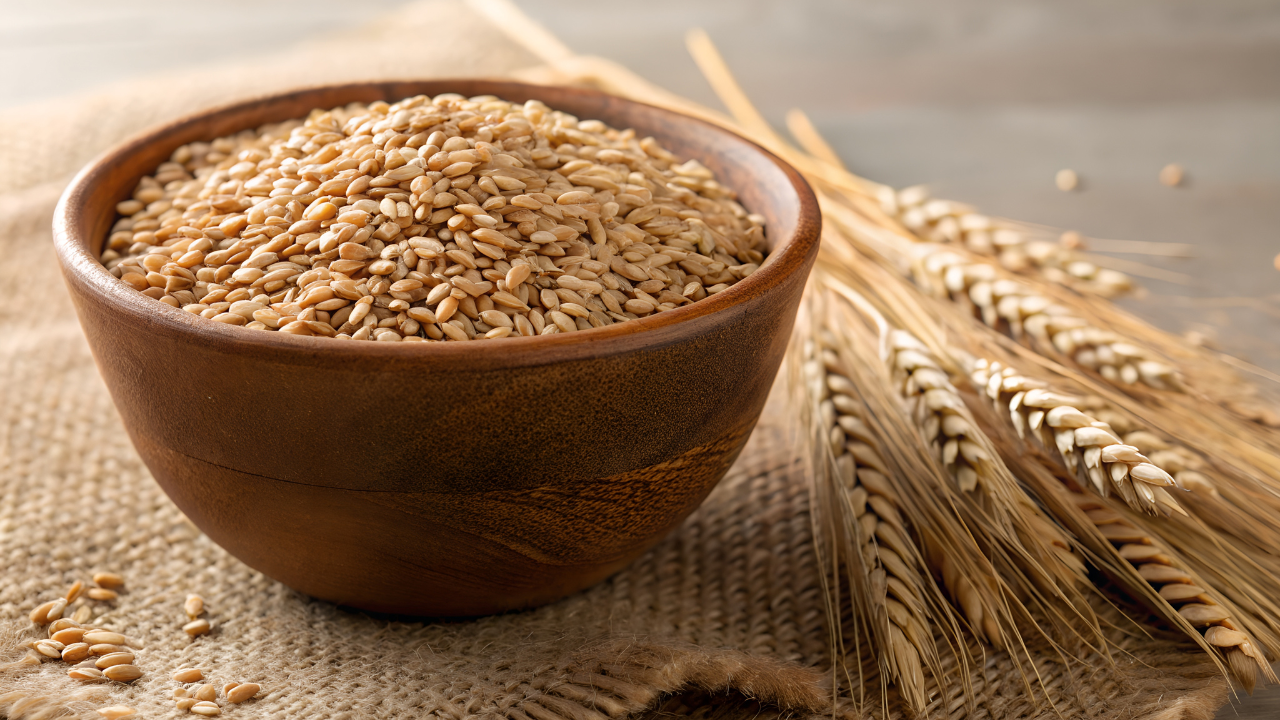
The Indian typical diet adds to this history. In their diet, they consume lots of rice, wheat, and millet, which all release phytates in the digestion process. These are natural substances in food that limit iron absorption in the body. The addition of tea and coffee, especially enjoyed after meals, further hinders the absorption process. Many women already have lower iron reserves due to their adolescent stage, which calls for high iron during peak growth phases. Additionally, they lose plenty due to excessive menses associated with diseases such as von Willebrand disease. In regions with high rates of malaria, parasites further boost iron deficiencies in the body. Pregnancy, on the other hand, causes inflammation in the body, further producing high hepcidin in the body. This substance shuts off iron absorption receptors, making iron supplements less effective by up to 70 percent, as shown in clinical reviews.
Pitfalls of traditional pills
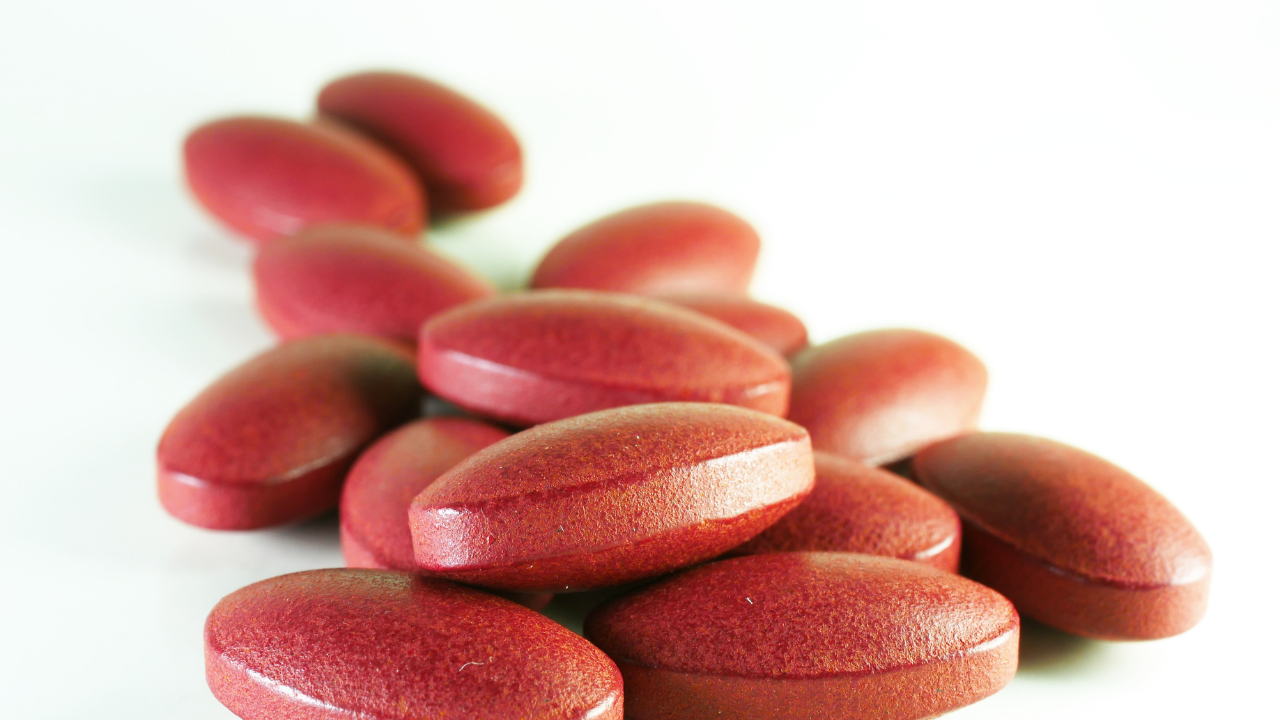
Iron tablets are effective for mild cases and contain 100-200 mg of elemental iron with a supplement of folate. However, several hassles are involved. Vomiting, abdominal pain, and constipation are commonly experienced by 30-40 percent of patients and contribute to a substantial rate of treatment. Replenishing stores takes 2-3 months of consistent use, often too slow for third-trimester diagnoses when fetal demands peak. Inflammation from pregnancy further hampers gut uptake, leaving haemoglobin stubbornly low. Compliance dips below 50 percent in community settings, per Anemia Mukt Bharat program evaluations.How to know how much is needed: intravenous iron infusions offer a game-changer for moderate to severe anaemia. A 2025 meta-analysis in BMC Pregnancy–and Childbirth reviewed 15 randomized trials with over 4,200 women, finding IV iron raised haemoglobin 6-13 g/L faster than orals, with fewer gastrointestinal side effects-odds ratio 0.38. The RAPIDIRON trial currently continues in India and tests early second-trimester IV dosing to achieve the target of 11 g/dL, thus promising safer deliveries. Dosing is according to the formula of Ganzoni: Total Iron Dose (mg) = 2.4 × Weight (kg) × (Target Hb – Actual Hb) + depot iron needs, which ensures that replenishment is tailored and does not lead to overload. Government protocols reserve it for primary health centers and above, administered solely by medical officers with mandatory 30-60 minute post-infusion observation to catch rare allergic reactions. Formulations like ferric carboxymaltose allow higher single doses up to 1,500 mg, slashing visit numbers.
Steps to empower pregnant women:

Empower women early-Load plates with spinach, lentils, chickpeas, jaggery, and occasional meat or fish; pair with citrus for 2-3 times better absorption. Routine prenatal checks from week 12 catch dips via simple haemoglobin tests. Community efforts under Anemia Mukt Bharat have expanded IV access to 1.5 lakh facilities nationwide. Schools and workplaces can fortify staples like rice with iron–as has been done with great success on a pilot scale in India. This is not to alarm anybody, but to show how prevention in reality, works better than any cure.


