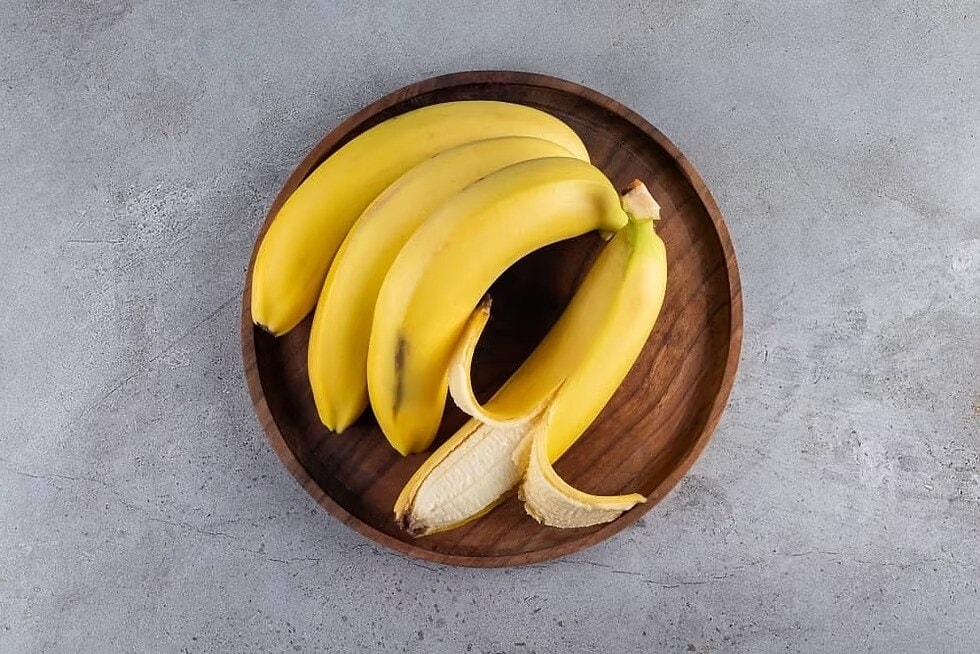
Eating chemically ripened bananas can cause acidity, throat irritation, stomach discomfort, and digestive problems, especially on an empty stomach.
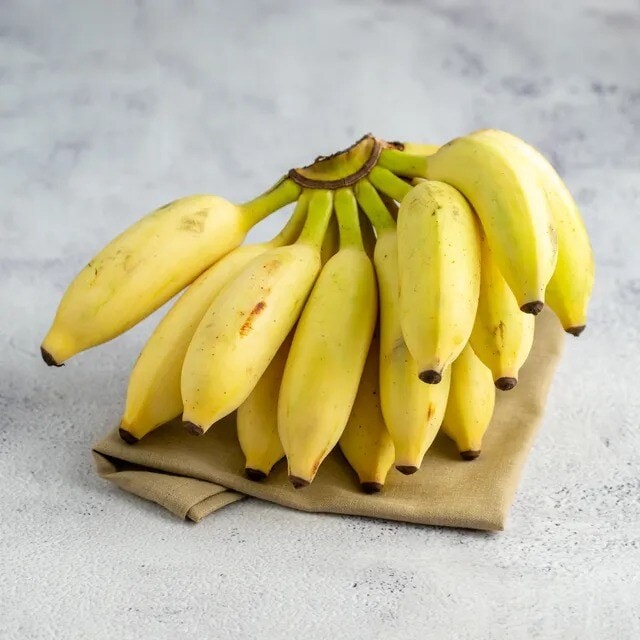
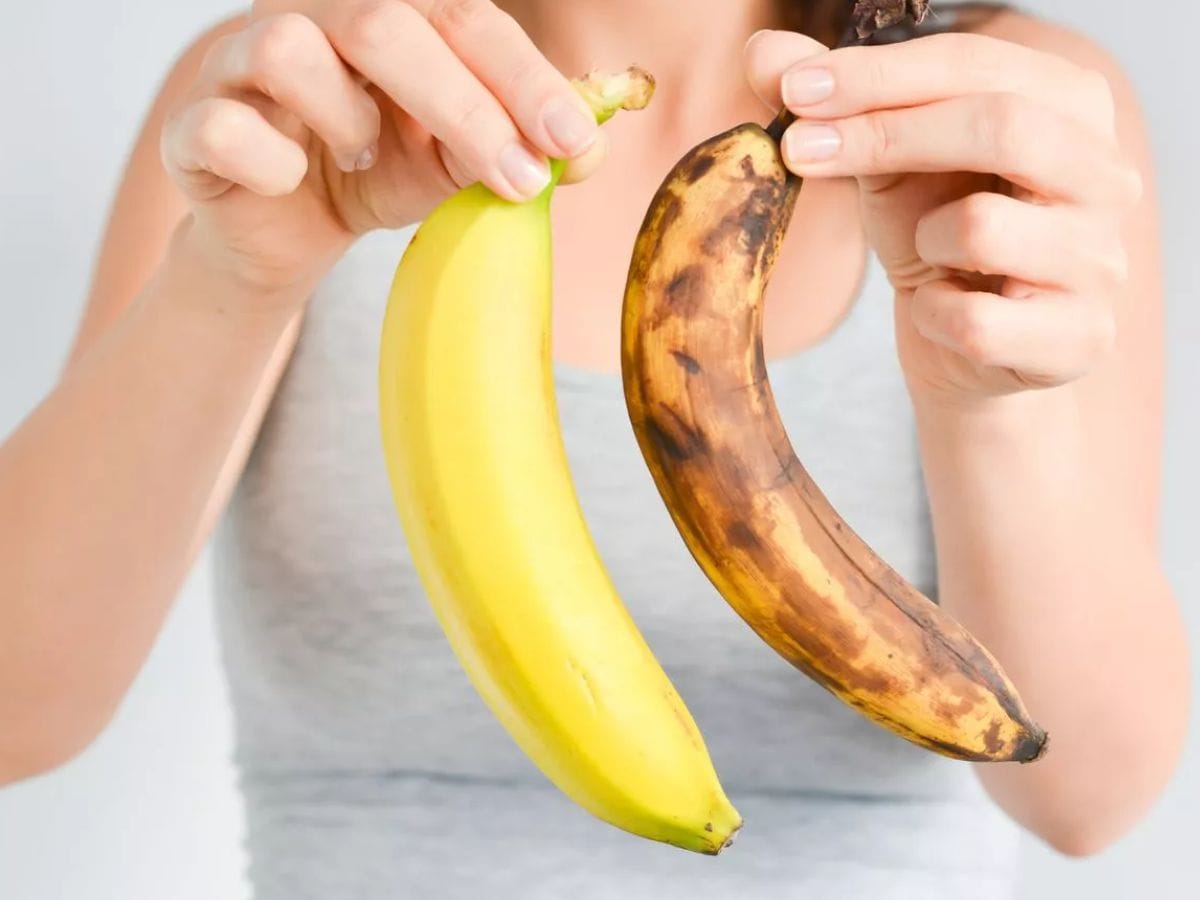
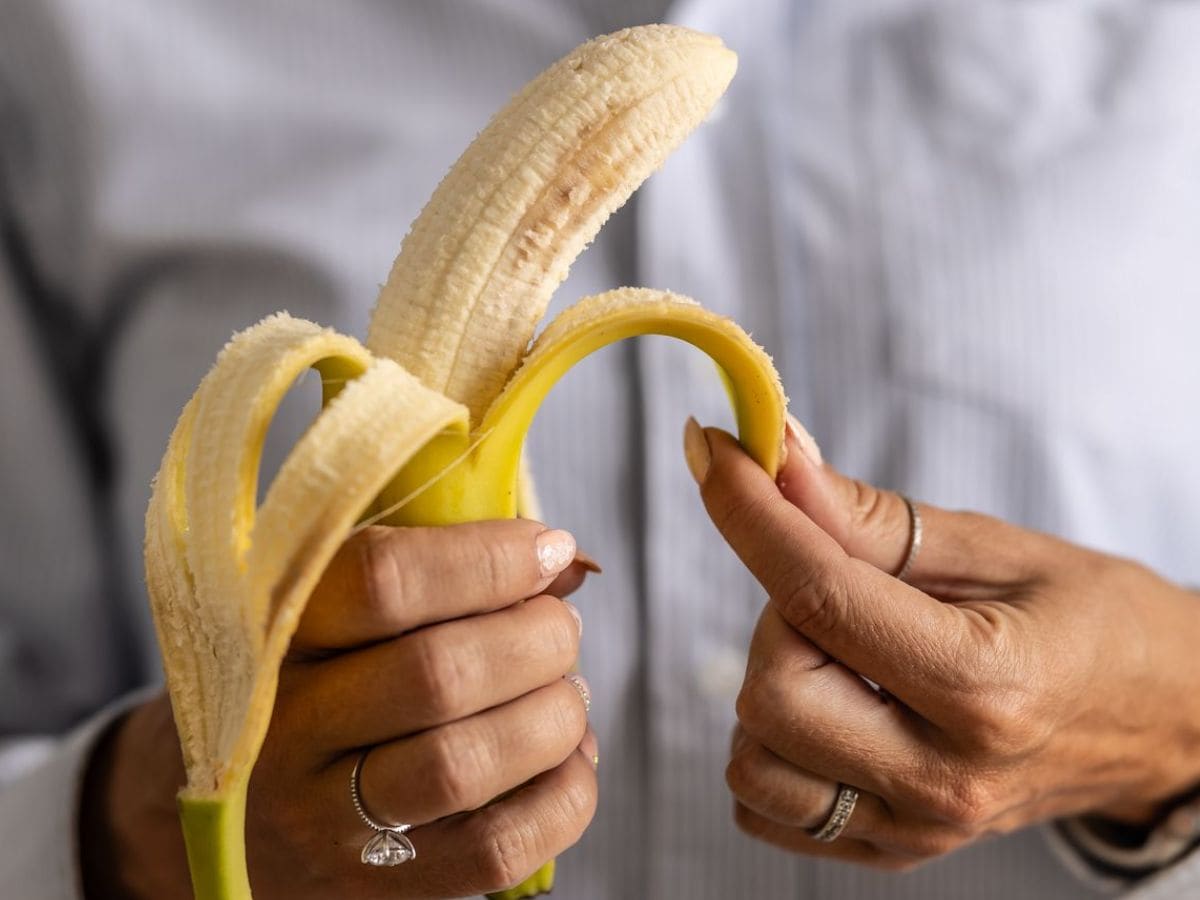
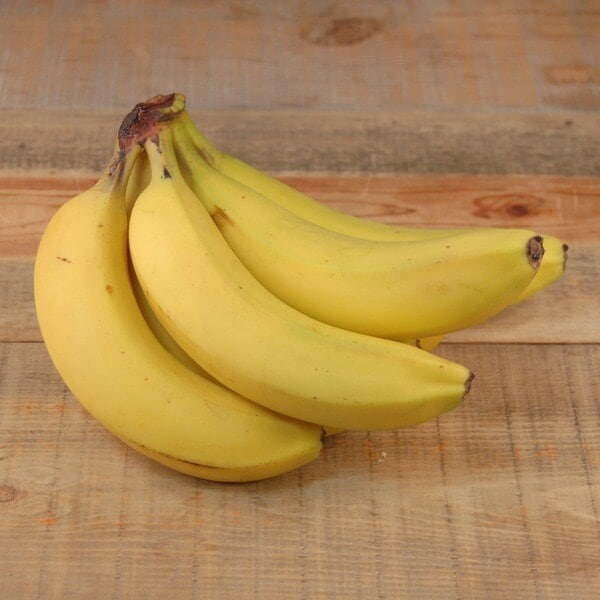
Naturally grown bananas stay green on trees and ripen slowly over time. They release ethylene gas naturally, which converts starch into sugar. This process takes patience—something markets often don’t have.To speed things up, traders often use calcium carbide, a dangerous chemical. When it comes in contact with moisture, it releases acetylene gas, forcing bananas to turn yellow in just 1–2 days.Chemically ripened bananas may look bright and appealing on the outside, but inside they are often bland, hard, or dry—nothing like naturally ripened fruit.Naturally ripened bananas have a sweet, fruity aroma. Chemically ripened ones usually lack fragrance or carry a faint chemical smell.Natural bananas are not evenly yellow—they may have small brown spots. Chemically ripened bananas look uniformly bright or neon yellow, sometimes with green tips. If it looks plastic-like or unnaturally shiny, don’t buy it.Natural banana peels are slightly dry and dull. Chemical ones feel fresh, waxy, or sticky Inside, natural bananas are soft and evenly ripe, while chemical ones may be hard, pale, or powdery. They may also tear awkwardly while peeling.Smart tip: Buy slightly green bananas and ripen them at home. Avoid overly shiny fruits and try purchasing from local farmers or small vendors whenever possible.
Stay Ahead, Read Faster
Scan the QR code to download the News18 app and enjoy a seamless news experience anytime, anywhere.
Bananas were once considered one of the safest, chemical-free fruits. But that belief no longer holds. Today, many bananas are artificially ripened using harmful chemicals, raising serious health concerns.