


Kitkat To Coco Cola: Here’s How The Packaging And Ingredients Changed Of 7 Nostalgic Foods


Iconic Indian food brands have undergone significant transformations, moving from simple childhood staples to sophisticated, health-conscious global products. While the core flavours often remain, their ‘DNA’ ingredients, portion sizes, and packaging has adapted to modern lifestyles and regulatory standards.
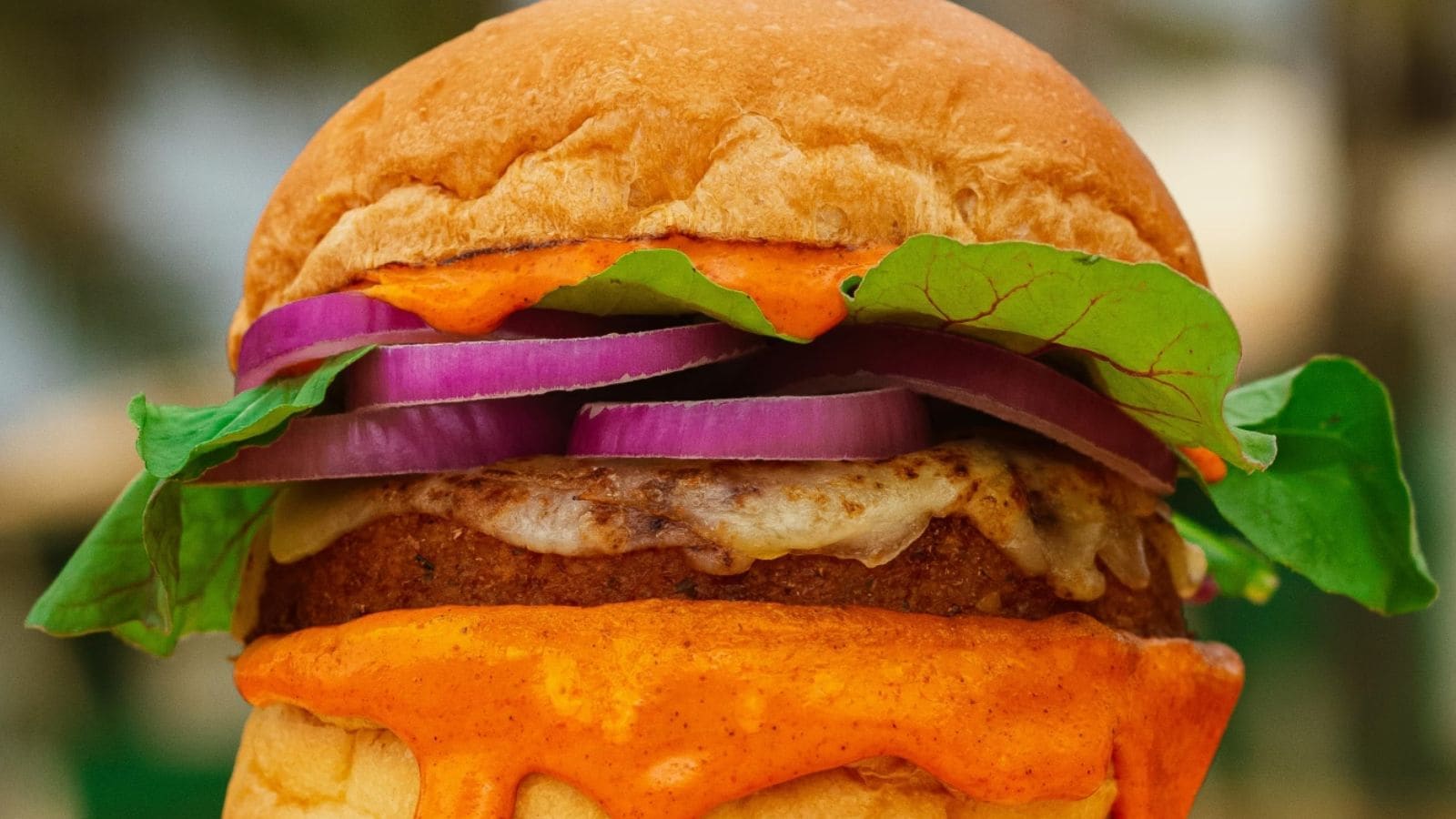
Across India and beyond, the recipes of nostalgic brands have been reformulated, portion sizes trimmed, sugar recalibrated, and packaging redesigned for a faster, more health-conscious world. Here’s how some of the country’s most iconic foods have evolved over the decades.
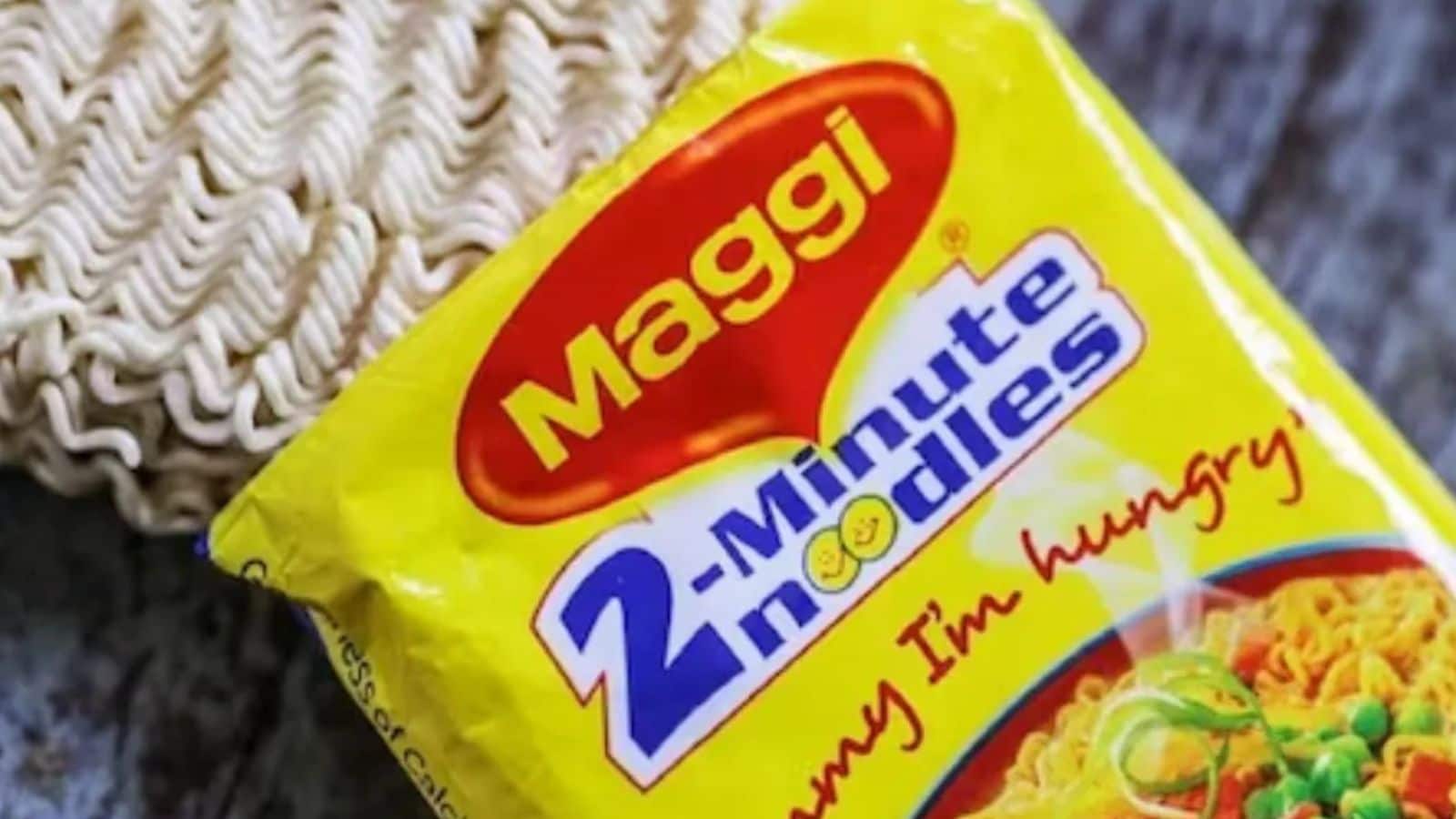
Maggi Noodles: Launched in India in the 1980s by Nestlé, Maggi became the ultimate “2-minute hunger solution.” The company earlier launched bright yellow pack, bold red logo, and unmistakable masala aroma defined quick comfort food. Many recall a stronger spice blend, saltier flavour, and slightly thinner noodles that softened quickly.
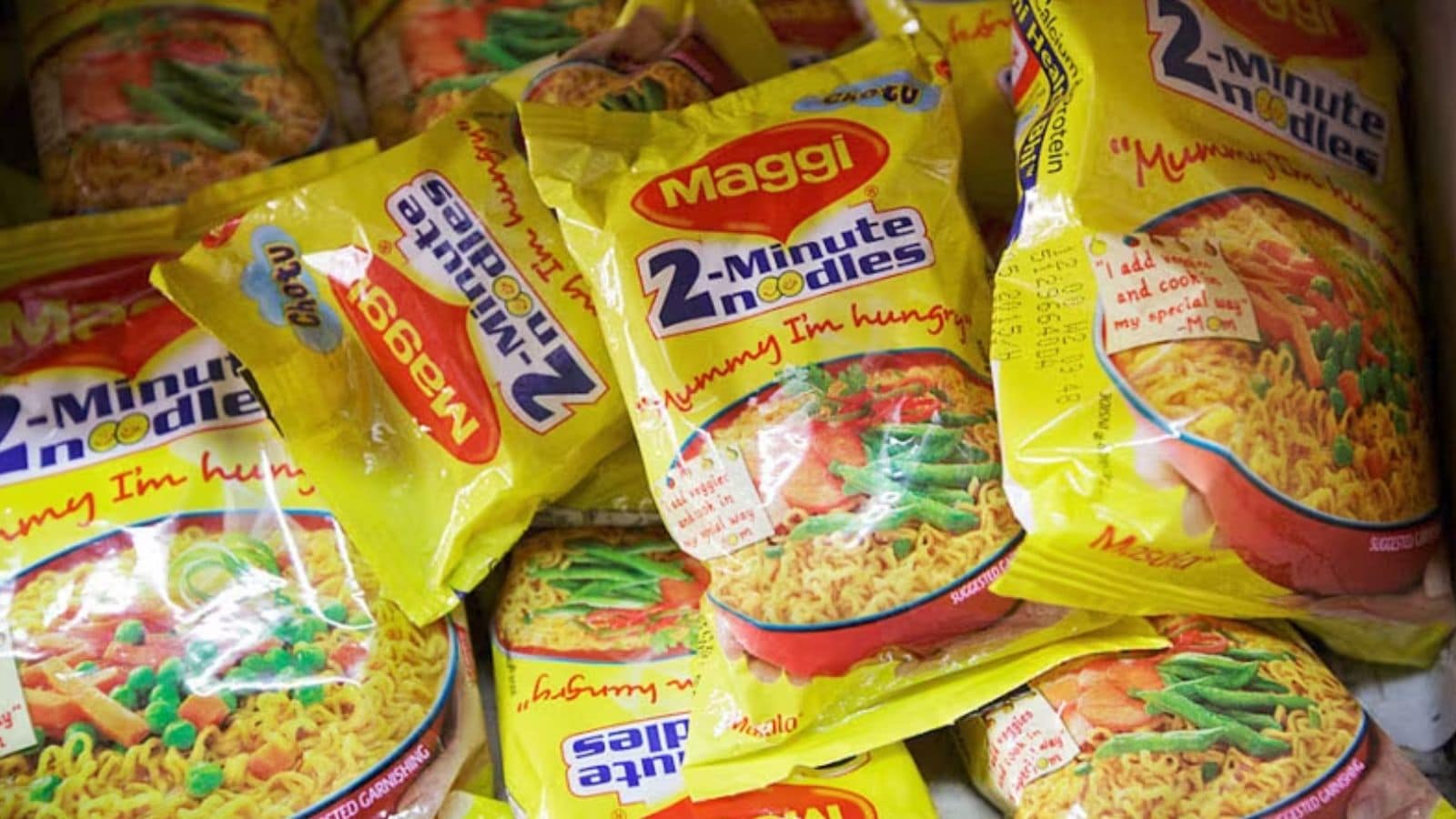
After the 2015 nationwide ban and reformulation, the recipe was tweaked. Sodium levels were adjusted and quality checks tightened. Today, variants range from atta and oats to peri-peri and regional masalas. The noodles feel firmer, and branding has matured from “kids’ snack” to all-age comfort food.
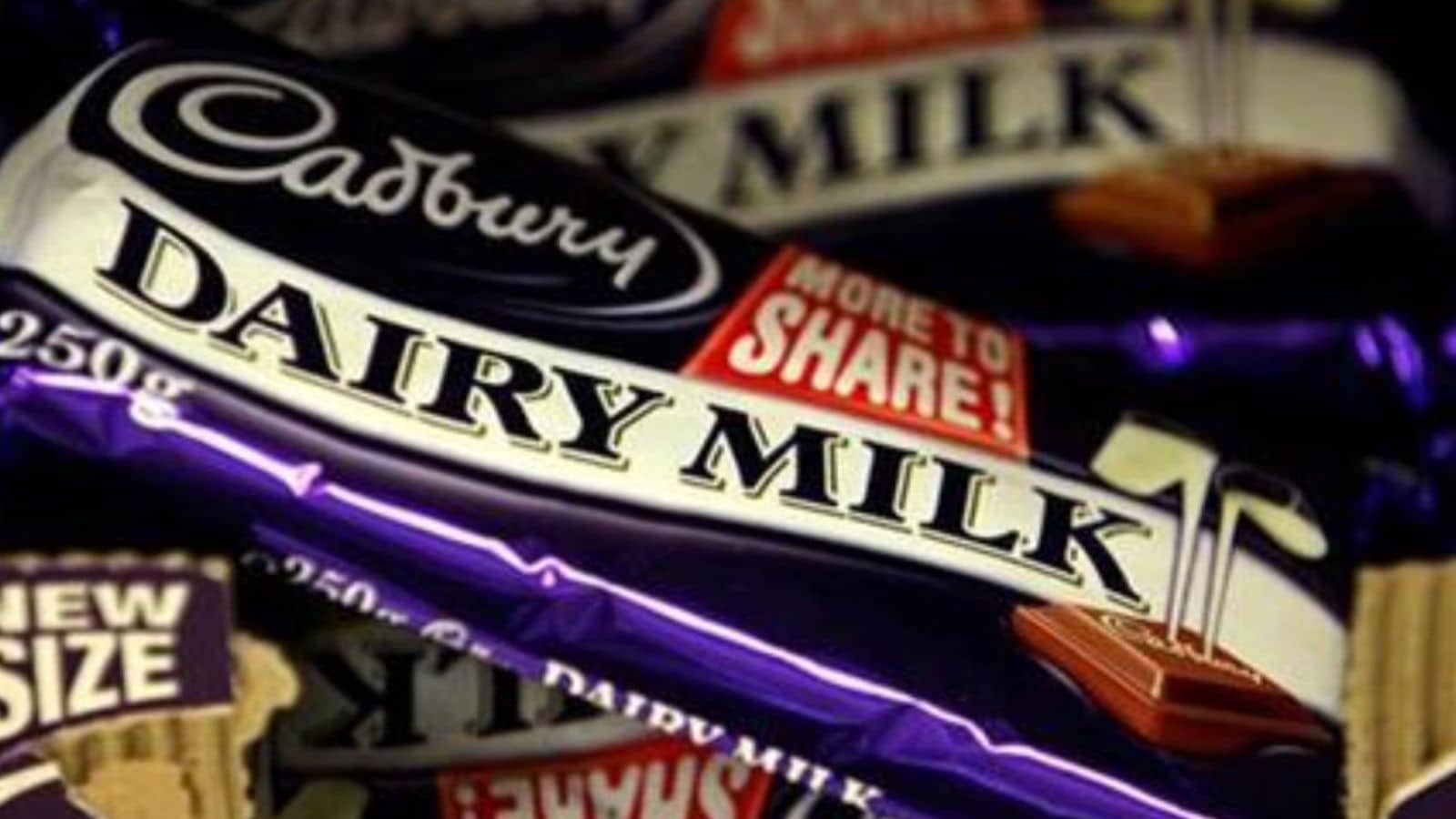
Cadbury Dairy Milk: Owned today by Cadbury (now under Mondelez), Dairy Milk has been a child’s treat to a daily indulgence and gifting staple. In the 1990s, the sweet had a thicker bite and slightly less sweetness. The purple wrapper was simpler, iconic, and less glossy. Advertising focused on carefree joy, most memorably the cricket-field dance commercial that made chocolate feel rebellious and fun. Now, the chocolate feels smoother and sweeter to many consumers. Portion sizes have slimmed, and premium extensions like Silk and Dark dominate shelves. The packaging is glossier, more gift-ready.
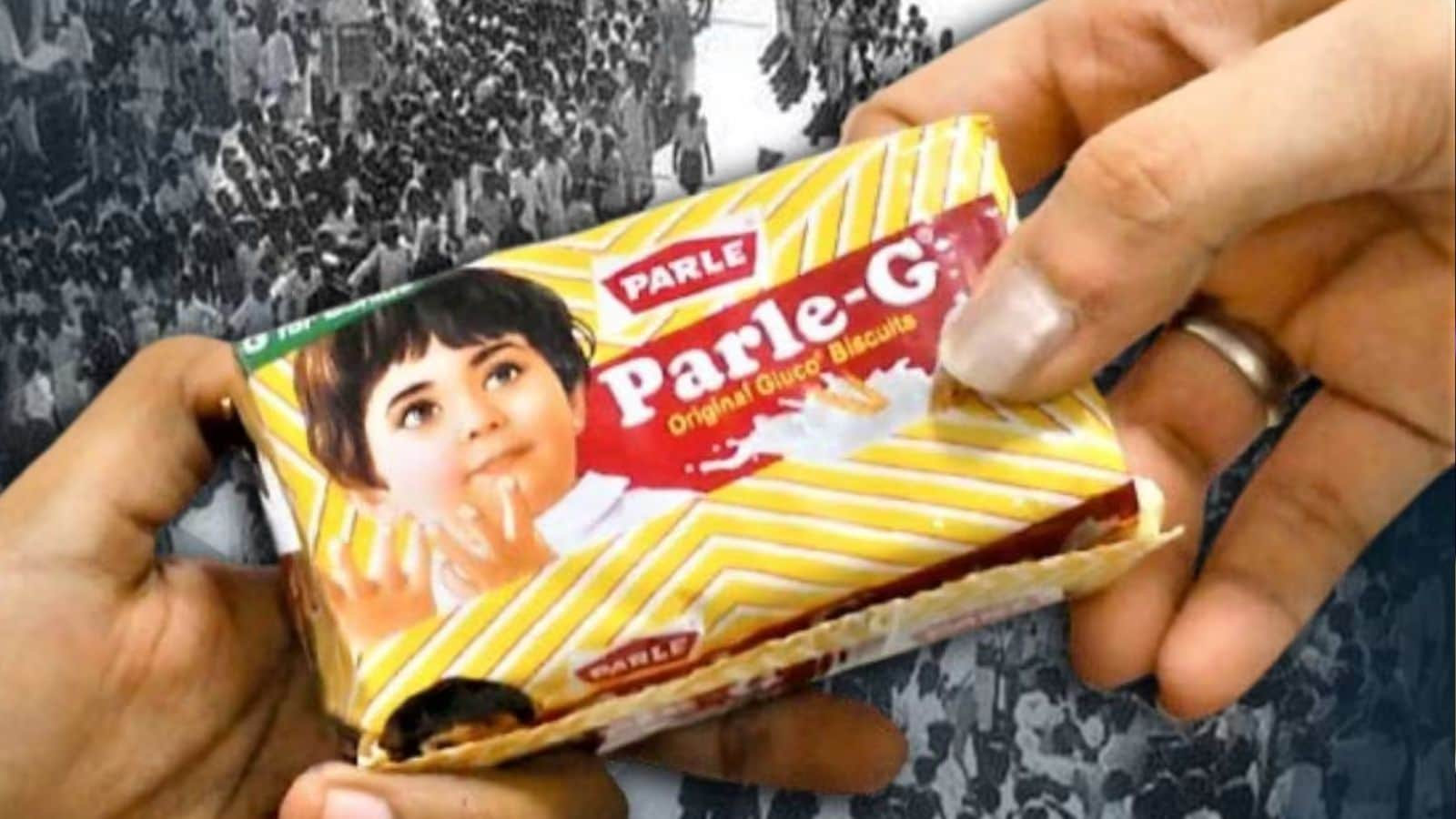
Parle-G biscuits: From train journeys to chai breaks, Parle-G remains quietly timeless. The biscuits, founded in 1939 by Parle Products, were slightly thicker and less sweet. The yellow wrapper and Parle girl barely changed for decades. It was affordable, reliable, and omnipresent. But the portion sizes have subtly reduced over time (shrinkflation). Sweetness feels more pronounced to some. Premium variants exist, yet the core design remains comfortingly intact.
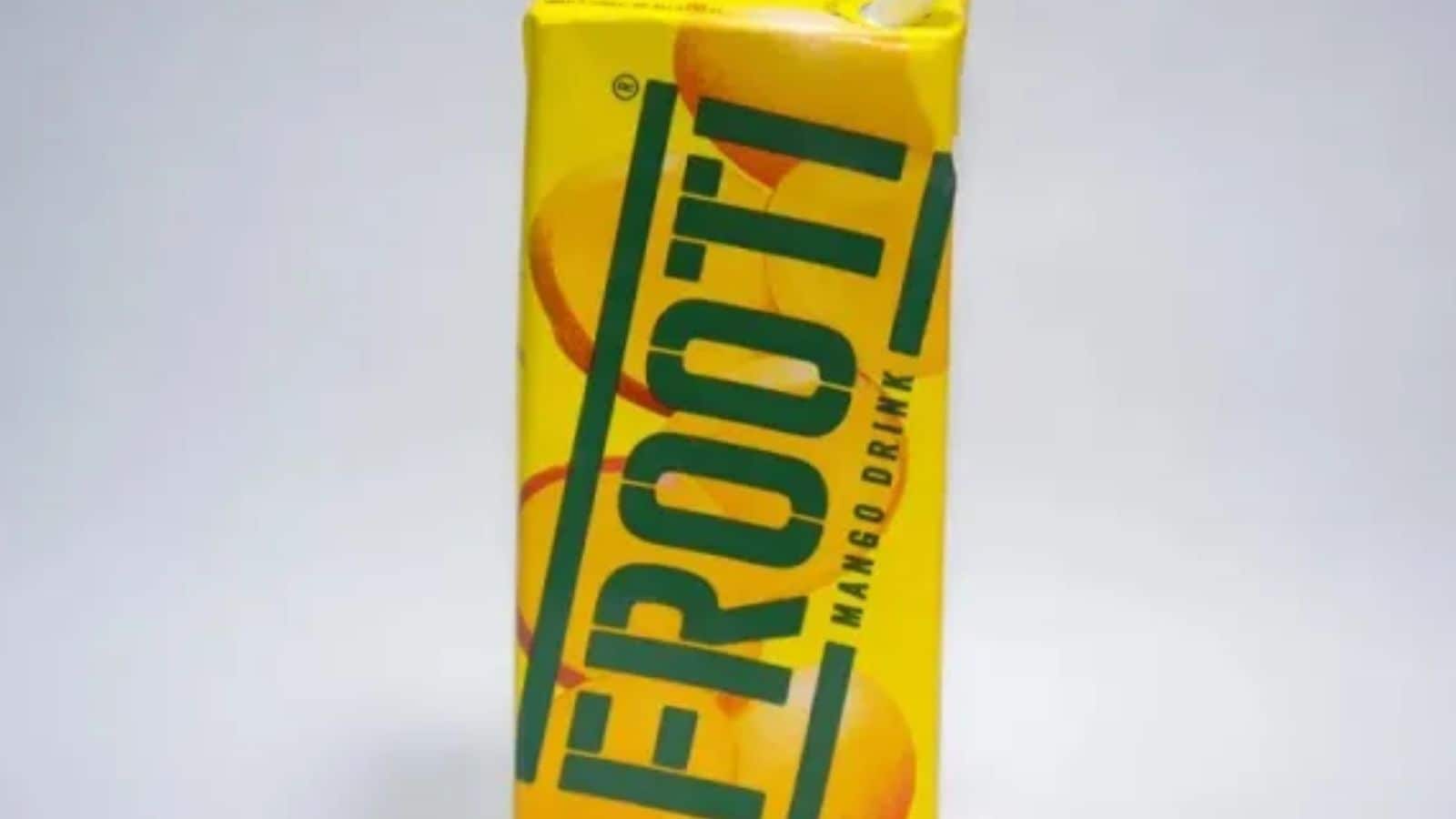
Frooti: Small rectangular tetra packs with straw holes was busy, bright, and unmistakably 90s. The mango drink tasted thicker and sweeter, instantly recognisable in school lunchboxes, train journeys and summer holidays. Around 2015, Parle Agro radically redesigned Frooti into sleek yellow-green bottles with minimalist typography. The drink feels lighter and less syrupy. Marketing leans into pop culture, music and digital platforms, helping reposition the beverage as trendy rather than purely nostalgic.
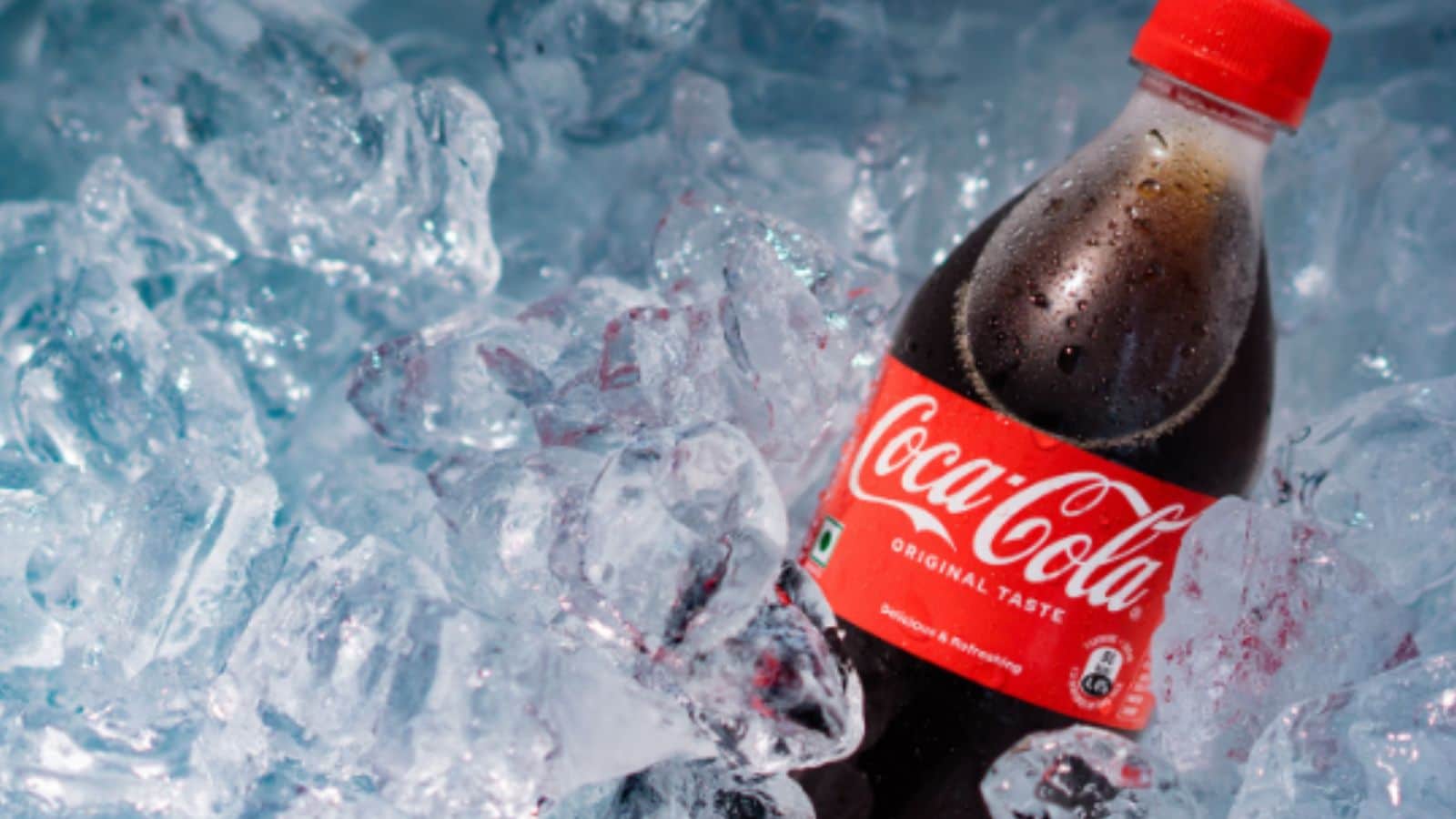
Coca-Cola: Glass bottles ruled the markets. The carbonation felt sharper, sugar levels were higher, and calorie labels weren’t scrutinised. Sharing chilled bottles at small shops or family gatherings added to the experience, making the drink feel special rather than routine. But there are plastic bottles, cans, and mini-serve packs available in the market. Zero Sugar variants respond to health trends. Recipes vary globally based on regulation and sourcing.
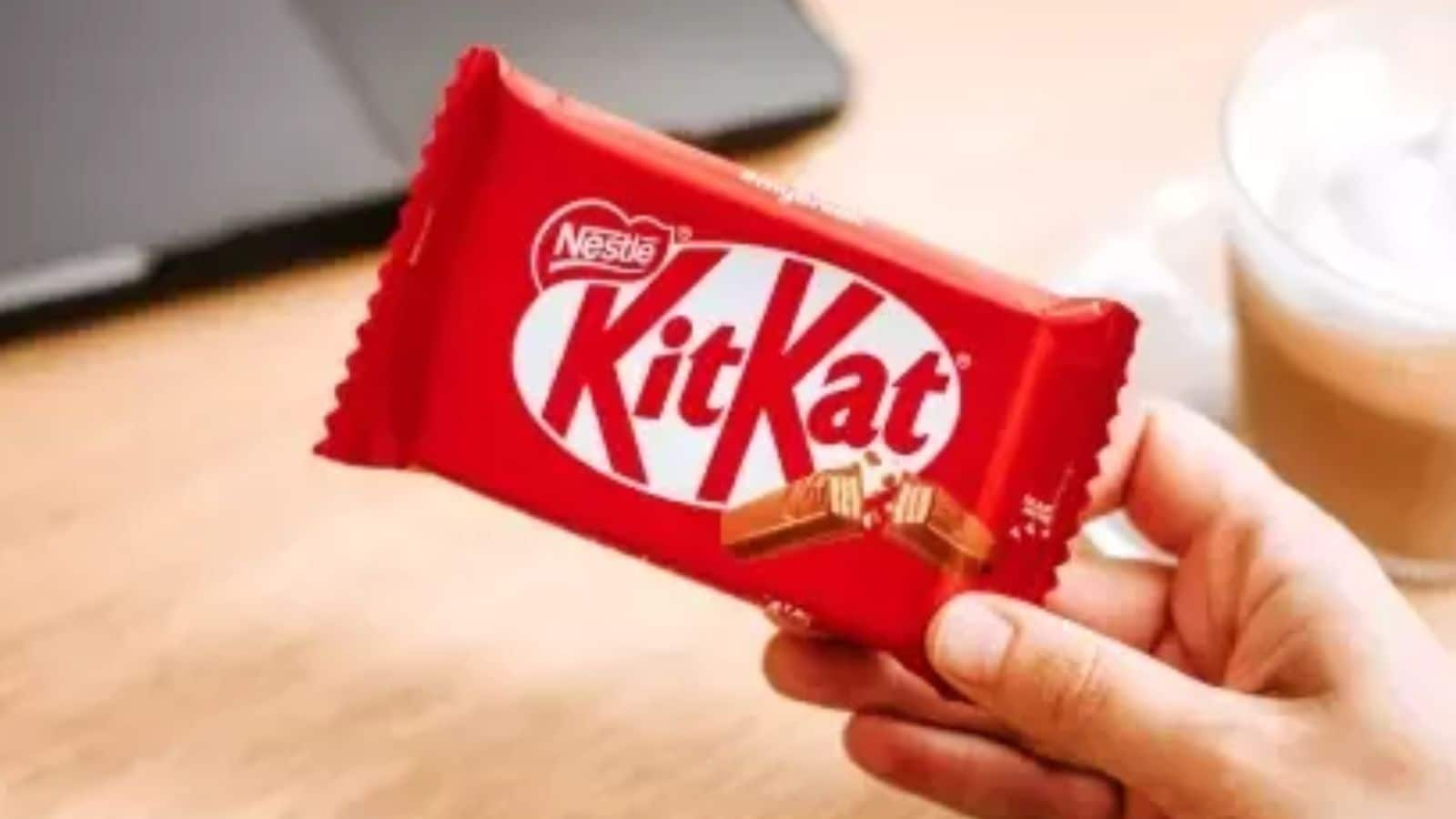
KitKat: Produced in India by Nestlé, the KitKat bars were earlier wrapped in foil and paper. The chocolate coating felt thicker, and the wafer layers were more defined. But now, tighter plastic flow-wrap packaging replaced foil. Bars feel slimmer; coating slightly thinner. Production is more globalised and standardised across markets. Dessert-inspired versions, chunky editions, and limited flavours expand the range.
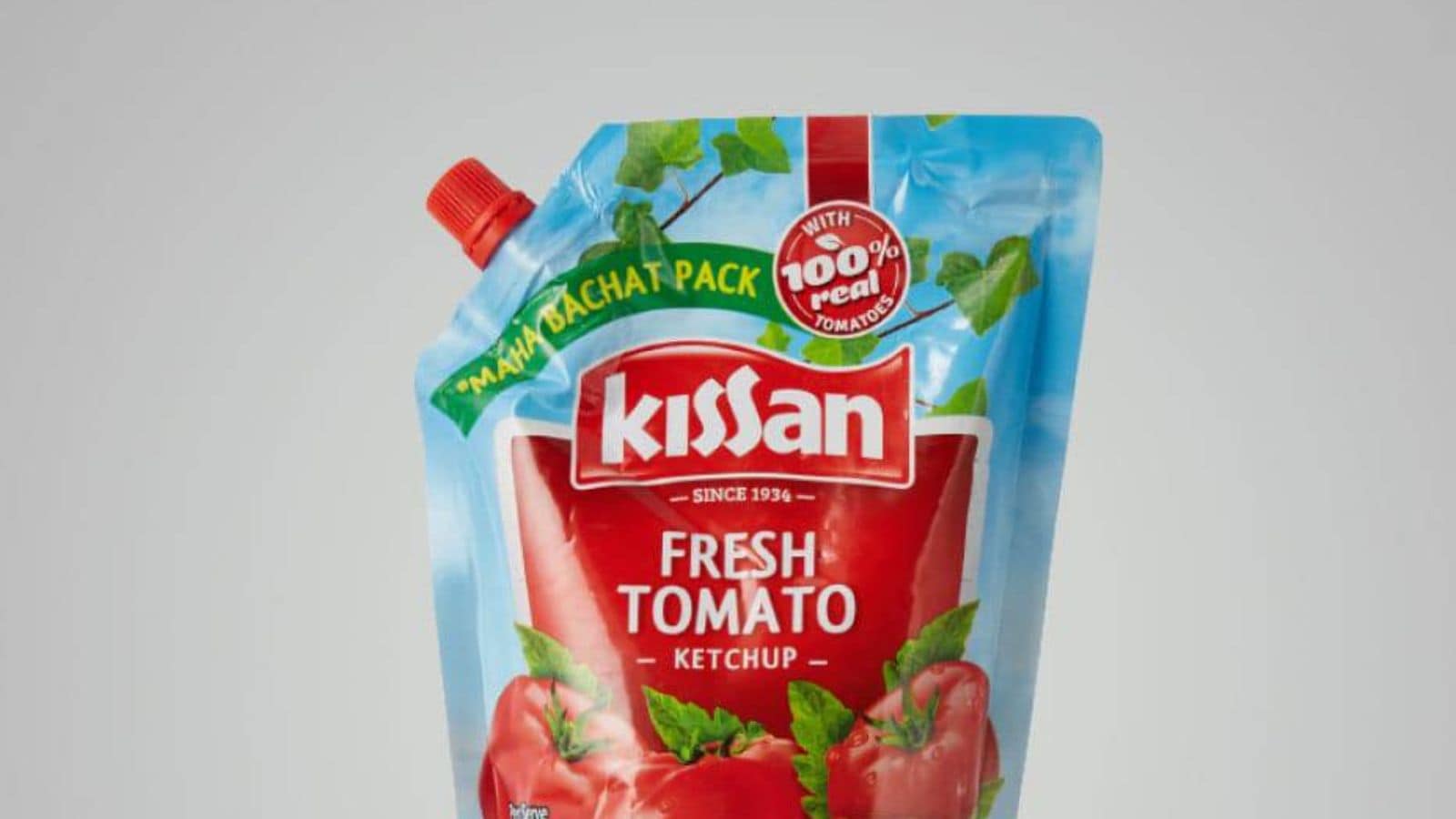
Kissan Tomato Ketchup: Sold in glass bottles requiring enthusiastic shaking, the ketchup was earlier sweeter and thicker. It was closely associated with samosas and school snacks. Now, squeeze bottles dominate the market. Sugar levels and tomato content adjusted over time. Branding focuses on “real tomatoes” and family appeal.


