


Met Gala 2026: co-chaired by Beyonce, Nicole Kidman and Venus Williams


The Metropolitan Museum of Art is gearing up for its annual Met Gala, an event synonymous with extravagant fashion and celebrity spectacle.
This year’s dress code, “Fashion is Art,” promises to inspire some of the most flamboyant attire yet as guests ascend the iconic carpeted steps on May 4.
The theme draws directly from the Costume Institute’s spring exhibit, “Costume Art,” which will showcase approximately 200 art objects alongside 200 garments, illustrating the enduring connection between fashion and art across centuries.
More than just a red-carpet event, the Met Gala serves as a crucial fundraiser for the Costume Institute, the only self-funding department within the Met. Last year, the evening raised a record-breaking $31 million.
This year’s star-studded affair will be co-chaired by Beyoncé, Nicole Kidman, tennis champion Venus Williams, and Vogue‘s Anna Wintour.
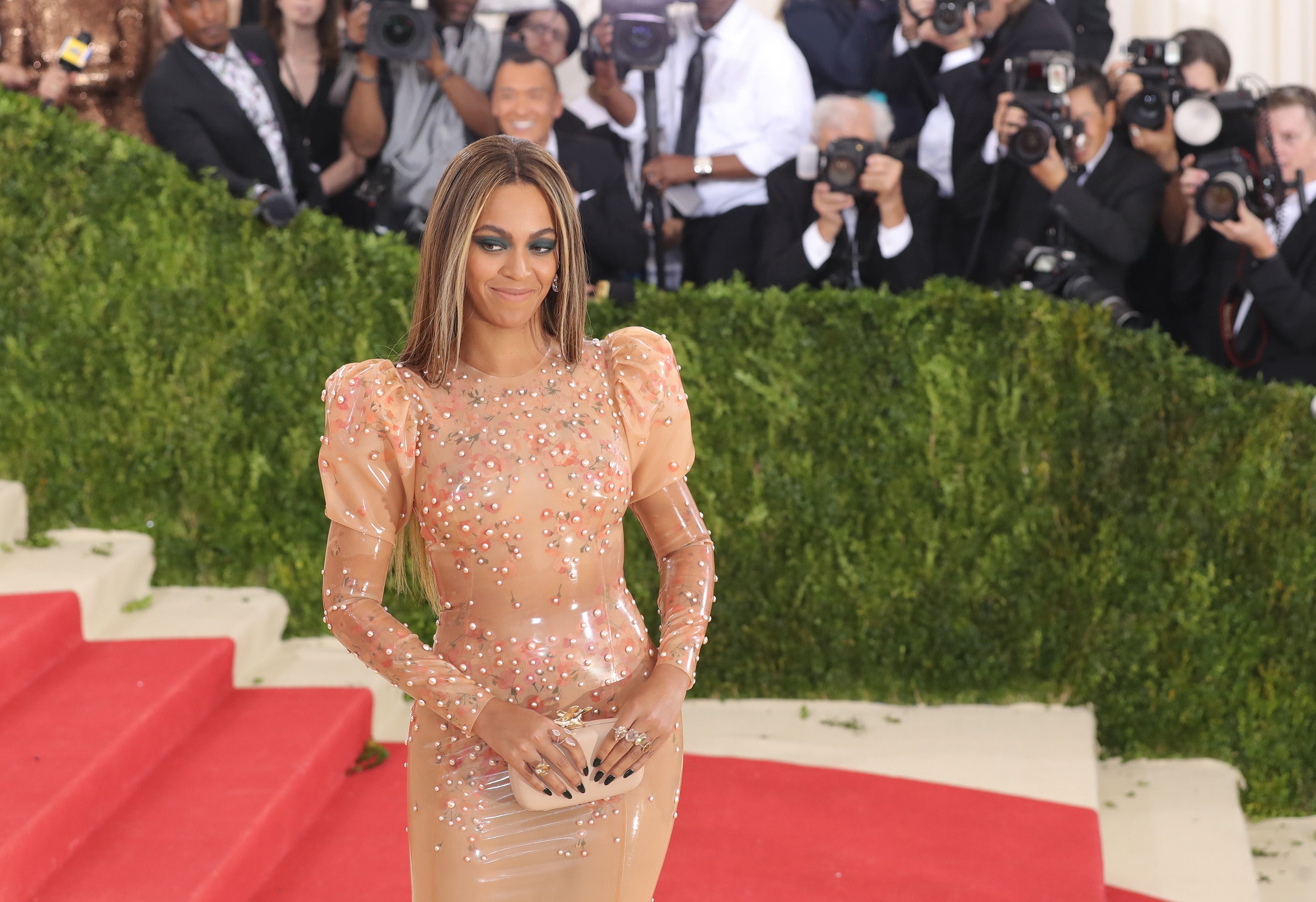
A broader “host committee” includes designer Anthony Vaccarello and filmmaker Zoë Kravitz, alongside names like Sabrina Carpenter, Teyana Taylor, Lena Dunham, and Misty Copeland.
However, the most talked-about names associated with the event are lead sponsors Jeff Bezos and Lauren Sánchez Bezos.
A Met press release in February stated, “The exhibition and benefit are made possible by Jeff Bezos and Lauren Sánchez Bezos.”
While the museum has not disclosed the exact contribution from the Amazon founder and his wife, their involvement has sparked protests.
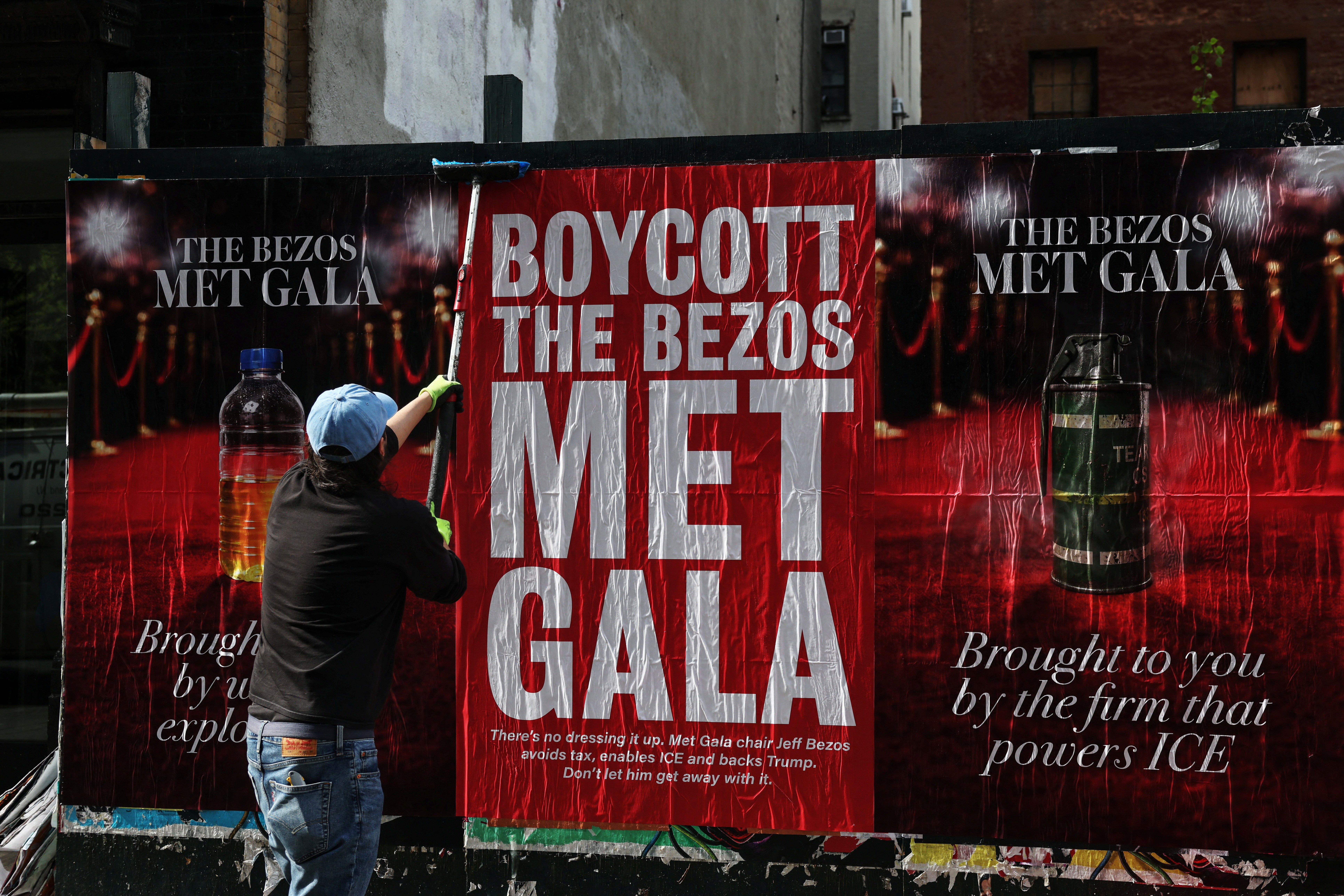
An activist group, Everyone Hates Elon, posted an Instagram video showing members hacking subway display cases to display anti-billionaire messages in opposition to their participation.
Not everyone is embracing the gala’s allure. New York Mayor Zohran Mamdani, who campaigned on an affordability platform, informed local news outlet Hell Gate that he would not be attending.
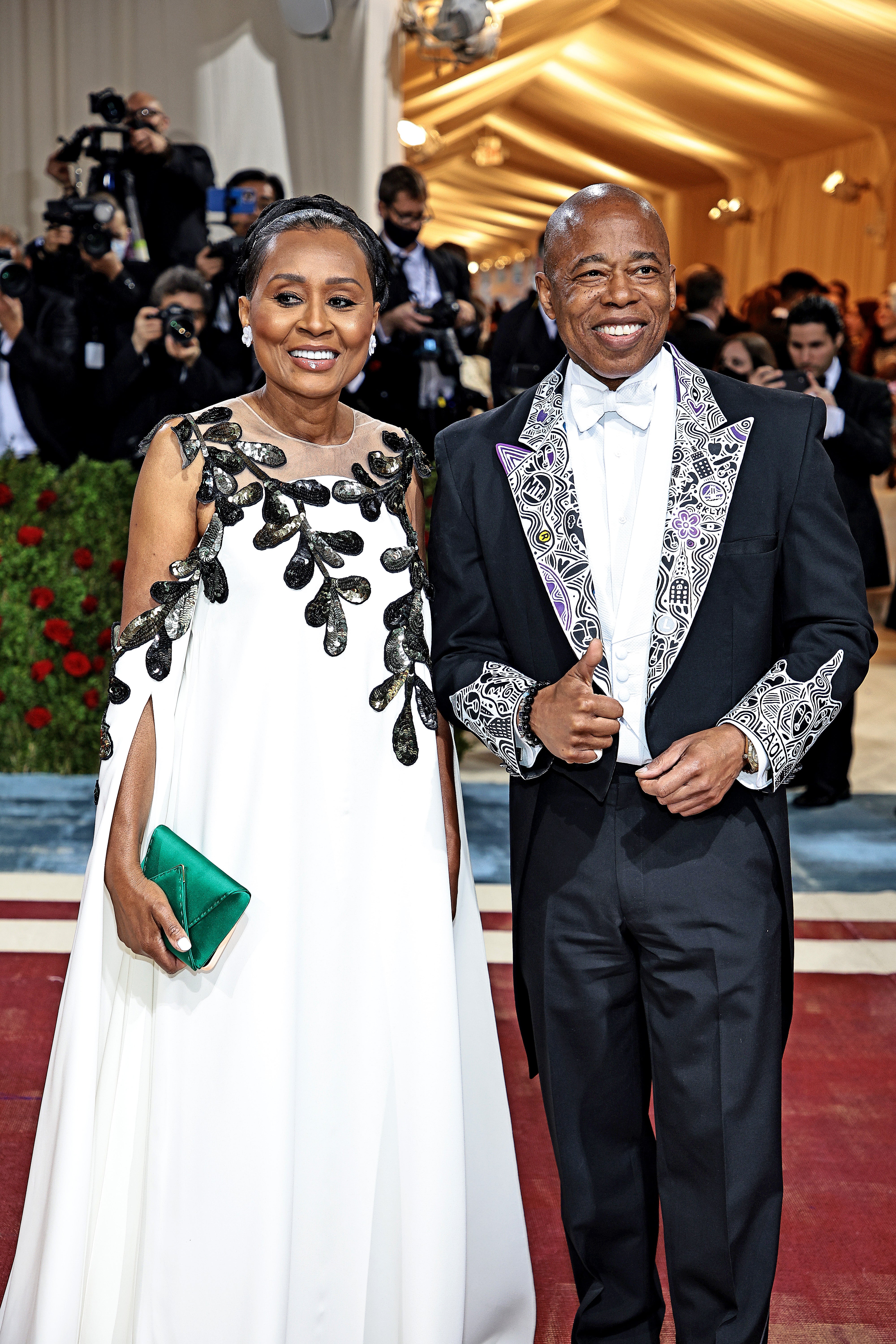
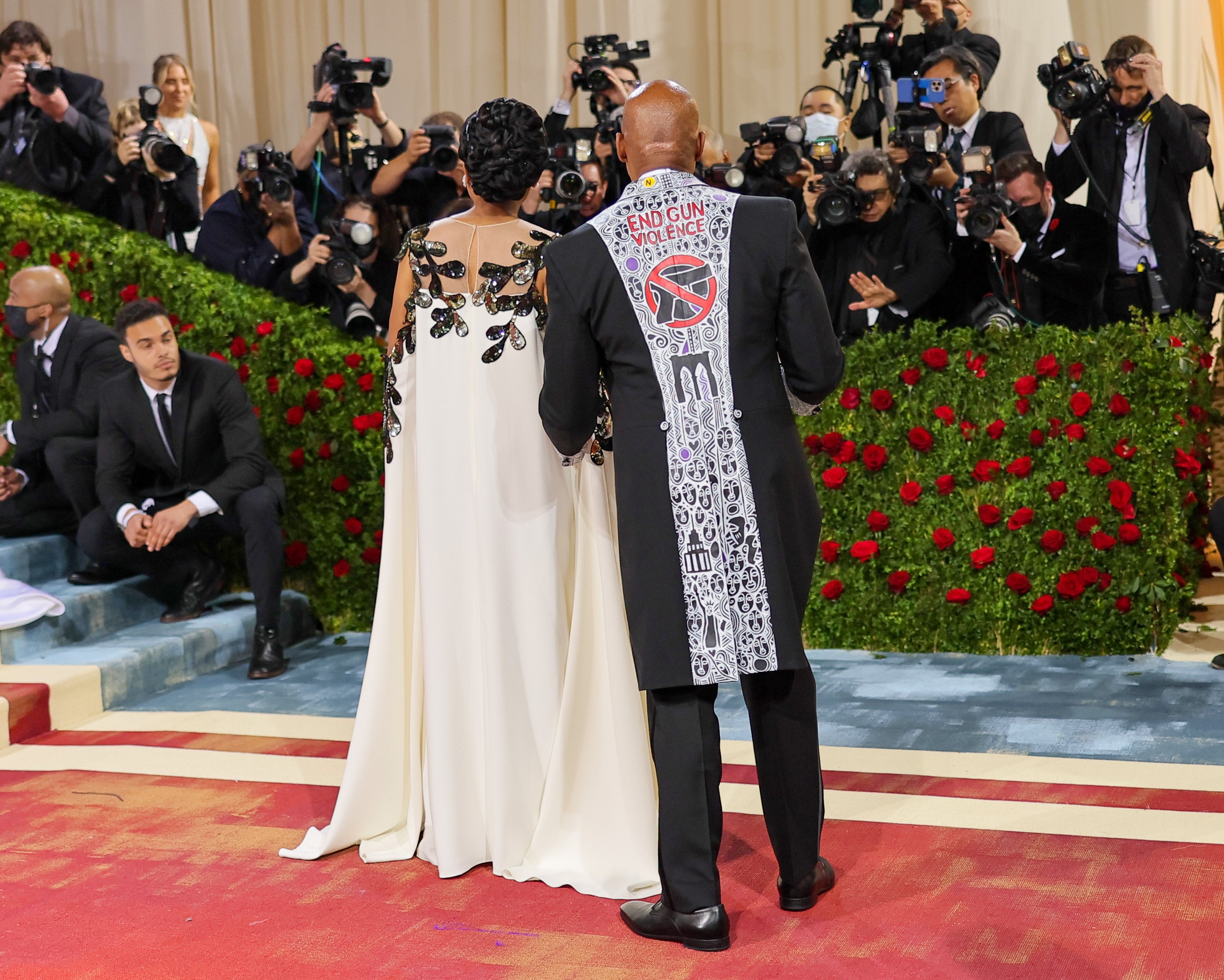
This contrasts with past mayors, such as Eric Adams, who famously wore a tuxedo emblazoned with “End Gun Violence” in 2022.
This year’s exhibit will debut in the new Condé Nast Galleries, a nearly 12,000-square-foot space created from the museum’s former retail store, located off the Great Hall.
This expansion not only provides a grander display for fashion but also allows gala guests to easily transition between the exhibition and dinner at the Temple of Dendur. For the public, who can visit the exhibit starting May 10, it promises to alleviate long queues elsewhere in the museum.
Curator Andrew Bolton has also introduced a significant element of body positivity to the exhibit. Despite art history’s focus on classic body shapes, “Costume Art” will feature sections dedicated to body types often overlooked, such as the corpulent and disabled body.
Twenty-five new mannequins have been created to reflect these diverse forms, with nine real-life individuals, including disability activist Sinéad Burke and musician Yseult, having their bodies digitally scanned for their creation. These mannequins will also feature mirror-like polished steel surfaces, allowing viewers to see themselves reflected.
The Met Gala’s origins trace back to 1948 as a Manhattan society midnight supper held at various venues like the Waldorf Astoria. It took many years for it to evolve into the global, star-studded event it is today.
Attendance remains highly exclusive; only the rich, famous, or powerful receive an invitation. Individual tickets are priced at $100,000, and a table of 10 starts at $350,000 with approximately 400 guests expected.
After navigating the red carpet, guests enter the museum, where their phone cameras are covered with stickers.
They are greeted by an elaborate floral arrangement and often an orchestra. Following a receiving line, attendees proceed to cocktails or the exhibit before dinner. While most guests arrive by the main course, some are known to appear only for dessert, and occasionally, a few depart before dinner even begins, presumably for an even more exclusive after-party.


