


Netaji Subhas Chandra Bose Jayanti 2026: Life, Legacy & Quotes


Last Updated:
Subhas Chandra Bose Jayanti marks the birth anniversary of the freedom fighter remembered for his leadership of the INA, revolutionary ideas and iconic calls for India’s freedom.



Netaji Subhas Chandra Bose reportedly died in a 1945 plane crash, though debates persist. (Image: Shutterstock)
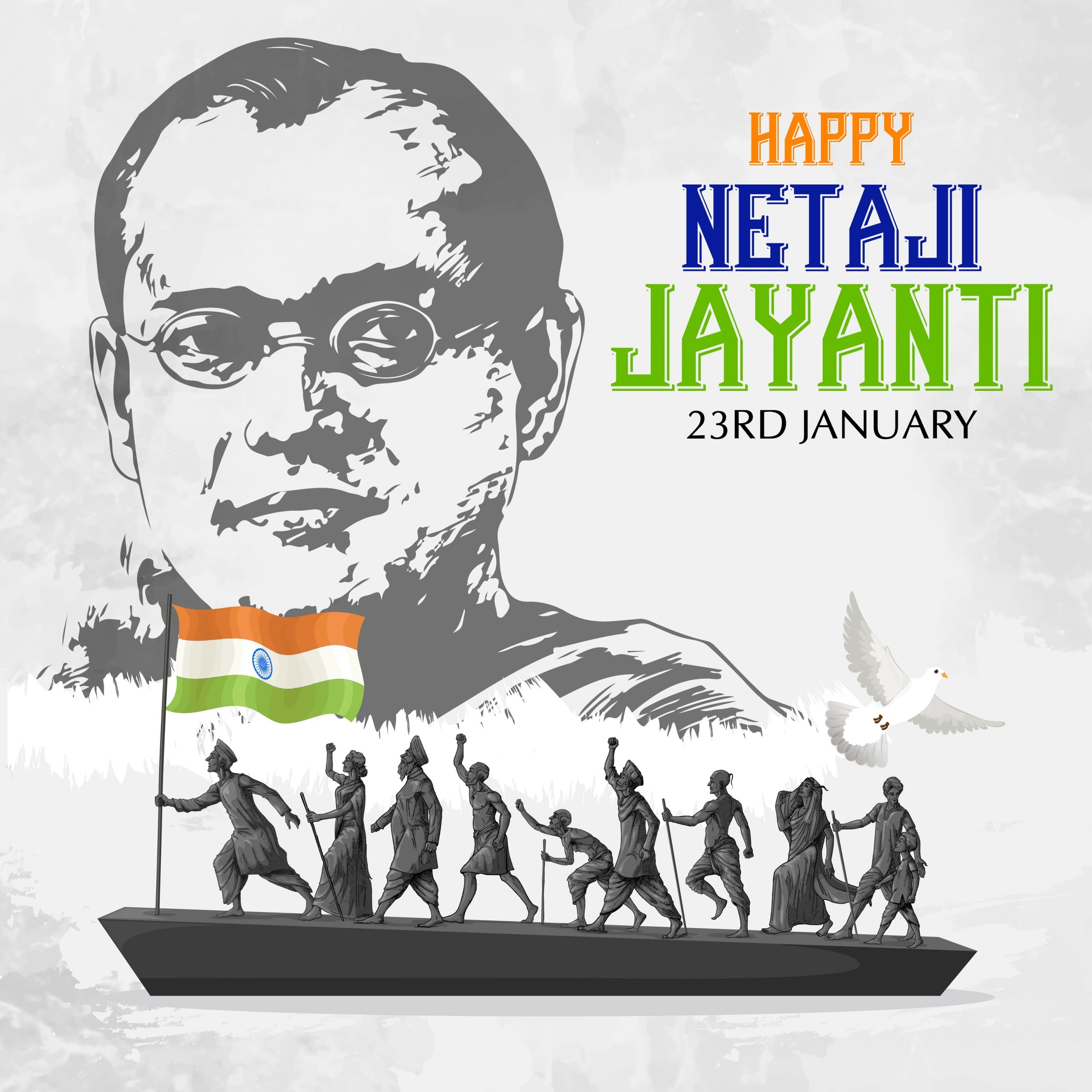
Netaji Subhas Chandra Bose Jayanti is observed every year on January 23 to commemorate the birth anniversary of one of India’s most influential freedom fighters. In 2026, the day once again honours Bose’s fearless leadership, revolutionary ideology and enduring impact on India’s struggle for independence.
Born on January 23, 1897, in Cuttack, Odisha, Subhas Chandra Bose was the ninth child of Janakinath Bose and Prabhavati Devi. Known for his academic brilliance, he studied philosophy at Presidency College in Calcutta and later appeared for the Indian Civil Services (ICS) examination in England, securing a high rank.
Despite this achievement, Bose resigned from the service, choosing the uncertain path of the freedom movement over a privileged career under British rule.
Political Journey and Differences with the Congress
Bose began his political career with the Indian National Congress and rose quickly through its ranks. He was elected Congress president in 1938 (Haripura) and 1939 (Tripuri). However, ideological differences emerged between Bose and senior Congress leaders, particularly over the use of mass struggle and armed resistance against British rule.
While Mahatma Gandhi and others emphasised non-violence, Bose believed that independence required immediate and decisive action. These differences led to his resignation from the Congress presidency and the formation of the All India Forward Bloc.
INA, Azad Hind Government and the Freedom Struggle
During the Second World War, Bose escaped British surveillance in 1941 and sought international support to challenge colonial rule. After working in Germany, he moved to Southeast Asia, where he assumed leadership of the Indian National Army (INA) with Japanese backing.
In 1943, Bose announced the formation of the Provisional Government of Azad Hind, asserting India’s claim to sovereignty. Though the INA’s military campaign did not achieve its final objective, it had a profound psychological and political impact, strengthening nationalist sentiment across the country.
His stirring slogan, “Give me blood, and I will give you freedom,” remains one of the most powerful calls in India’s freedom movement.
Disappearance and Enduring Legacy
Netaji Subhas Chandra Bose reportedly died in a plane crash in 1945, though the circumstances surrounding his disappearance remain a subject of debate. Regardless of these unresolved questions, Bose’s legacy as a fearless nationalist and strategic thinker endures.
On Netaji Subhas Chandra Bose Jayanti 2026, India remembers his belief that freedom demanded courage, sacrifice and action, even if it meant taking unconventional paths.
Inspirational Quotes By Subhas Chandra Bose
- “Give me blood, and I shall give you freedom!”
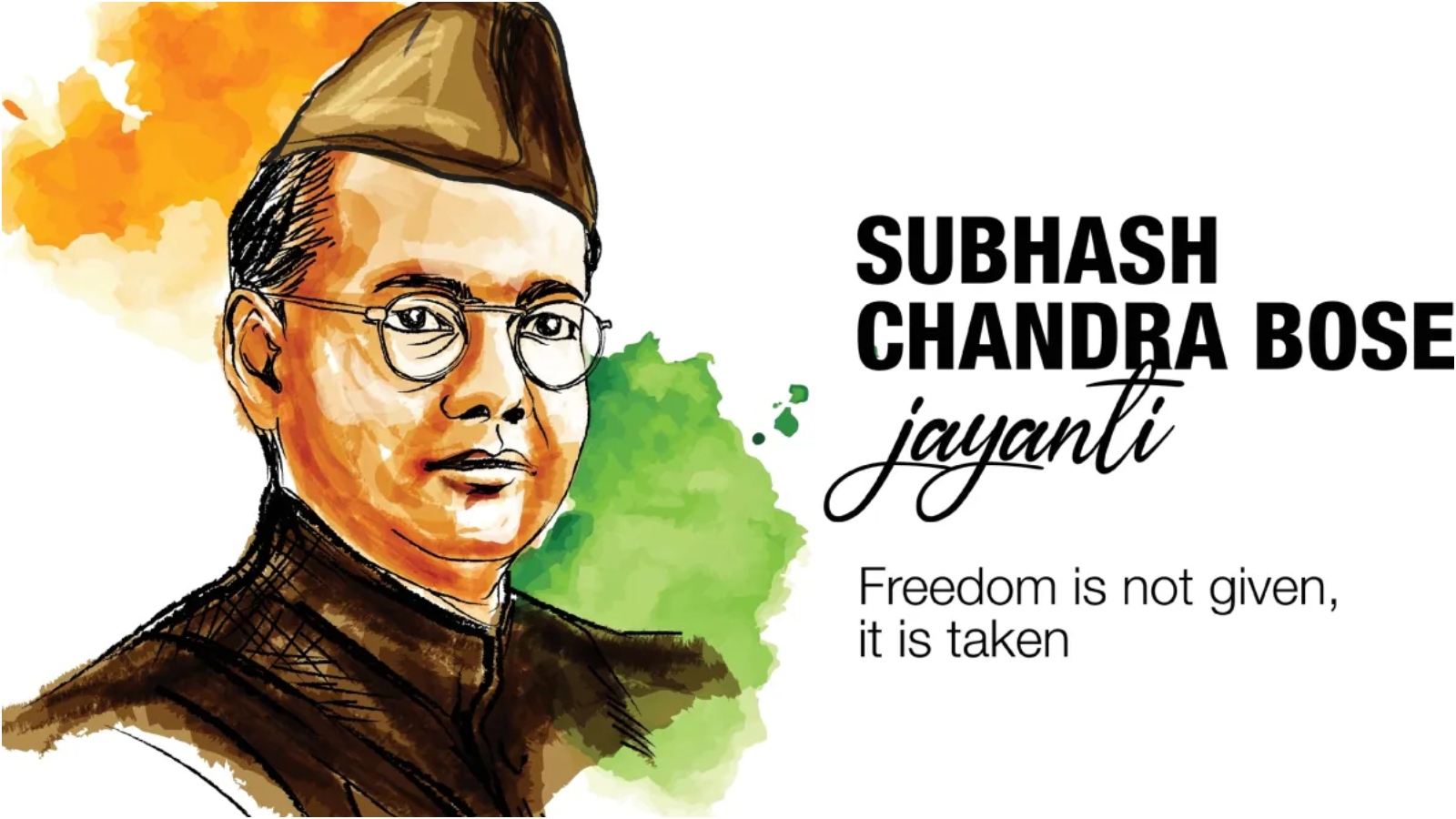
- “Freedom is not given, it is taken.”
- “No real change in history has ever been achieved by discussions.”
- “One individual may die for an idea, but that idea will, after his death, incarnate itself in a thousand lives.”
- “We should have but one desire today – the desire to die so that India may live.”
January 23, 2026, 07:05 IST


