


One Epic, Countless Interpretations: A Deep Dive Into The Many Versions Of The Ramayana


For many of us, the Ramayana feels like a single, definitive story, one that we grew up hearing through grandparents, school lessons, or iconic TV adaptations. But here’s something fascinating: scholars believe there are over 300 different versions of this epic, spread across countries, languages, and centuries. From deeply spiritual retellings to dramatic reinterpretations, the story of Rama, Sita, and Ravana has evolved with every culture that embraced it. Each version reflects local traditions, beliefs, and storytelling styles, making the Ramayana less of a fixed text and more of a living, breathing narrative. Here are some of the most intriguing versions that prove just how diverse this epic truly is.
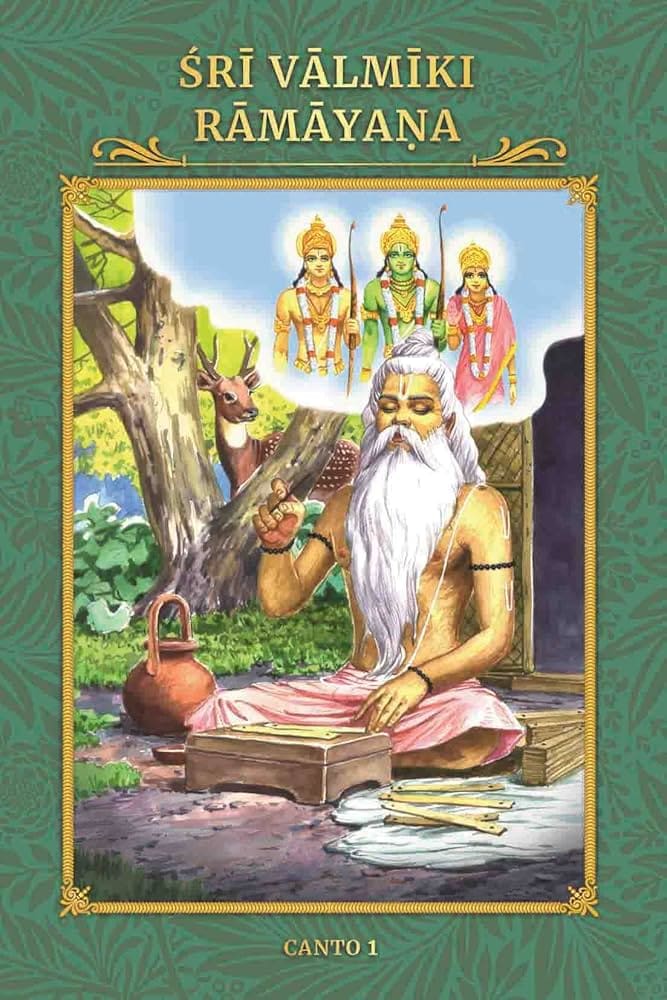
The Original Sanskrit Epic By Valmiki: Often considered the earliest version, the Valmiki Ramayana lays the foundation of the story as we know it. It presents Rama as a noble prince and an ideal human, focusing on dharma, duty, and righteousness.
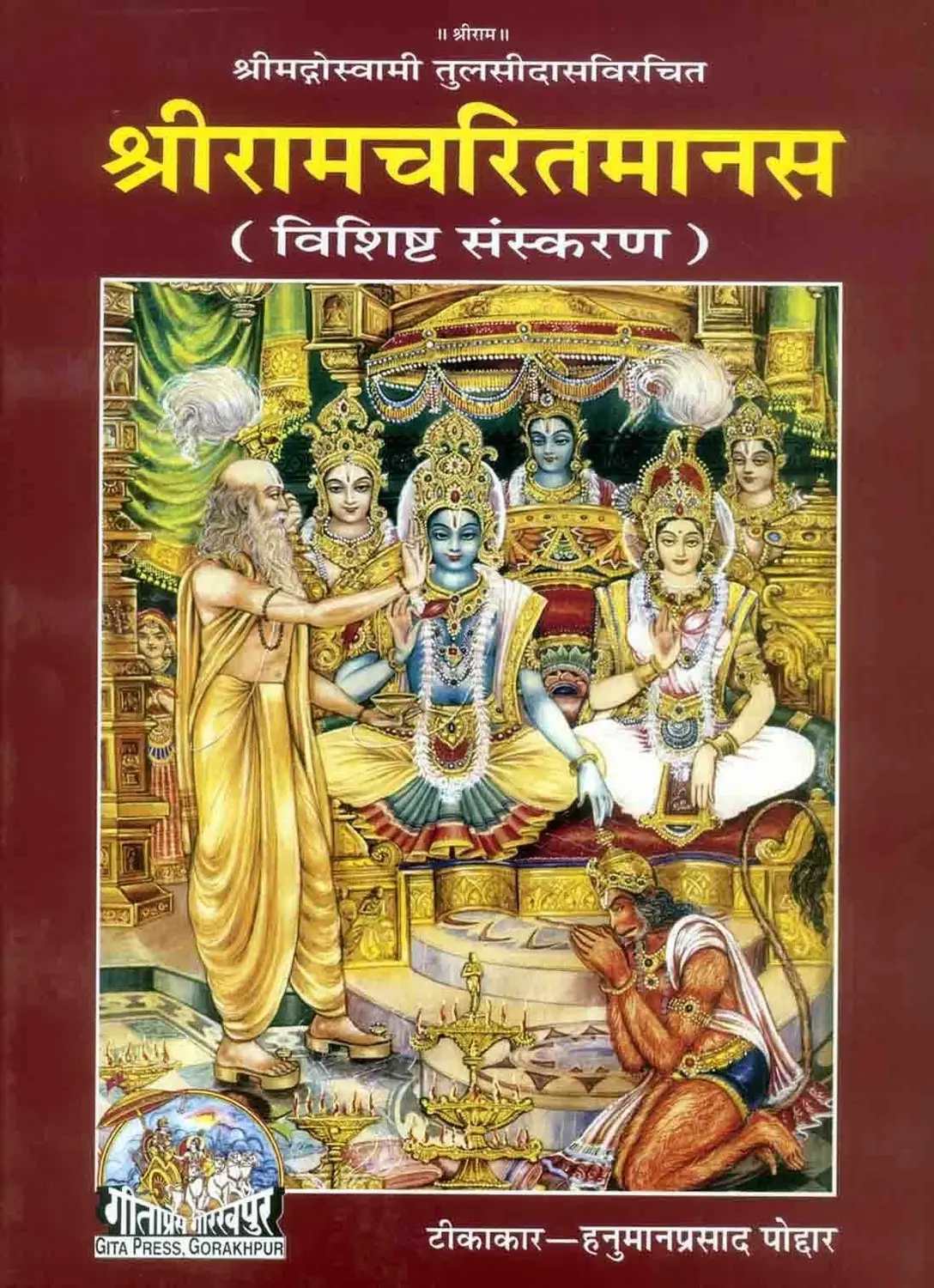
Ramcharitmanas By Tulsidas: Written in Awadhi, this version transformed the epic into a devotional text. Here, Rama is seen as a divine figure, and the narrative is infused with bhakti (devotion), making it immensely popular in North India.
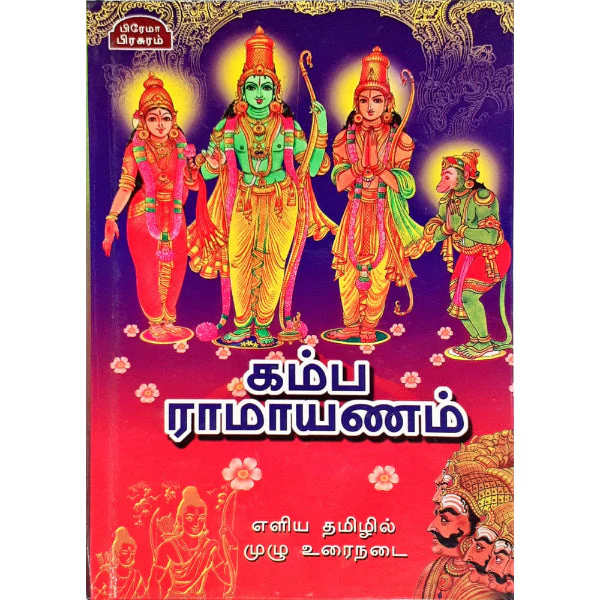
The Tamil Classic: Kamba Ramayanam: Penned by Kamban, this version adds poetic richness and dramatic flair. It often emphasizes emotions and heroism, with elaborate descriptions that differ from the Sanskrit original.
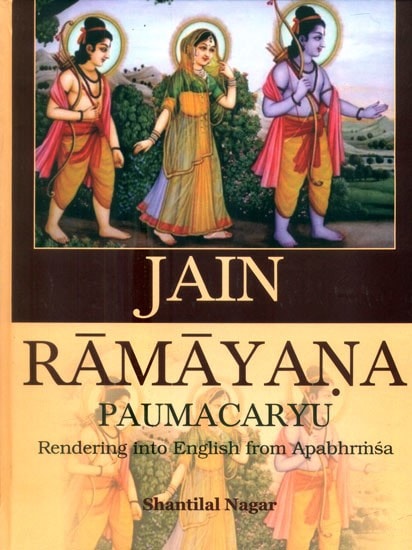
The Jain Ramayana: In Jain retellings, the story takes a surprising turn. Rama is portrayed as a non-violent hero, and it is Lakshmana who ultimately kills Ravana. These versions reflect Jain values of non-violence and restraint.
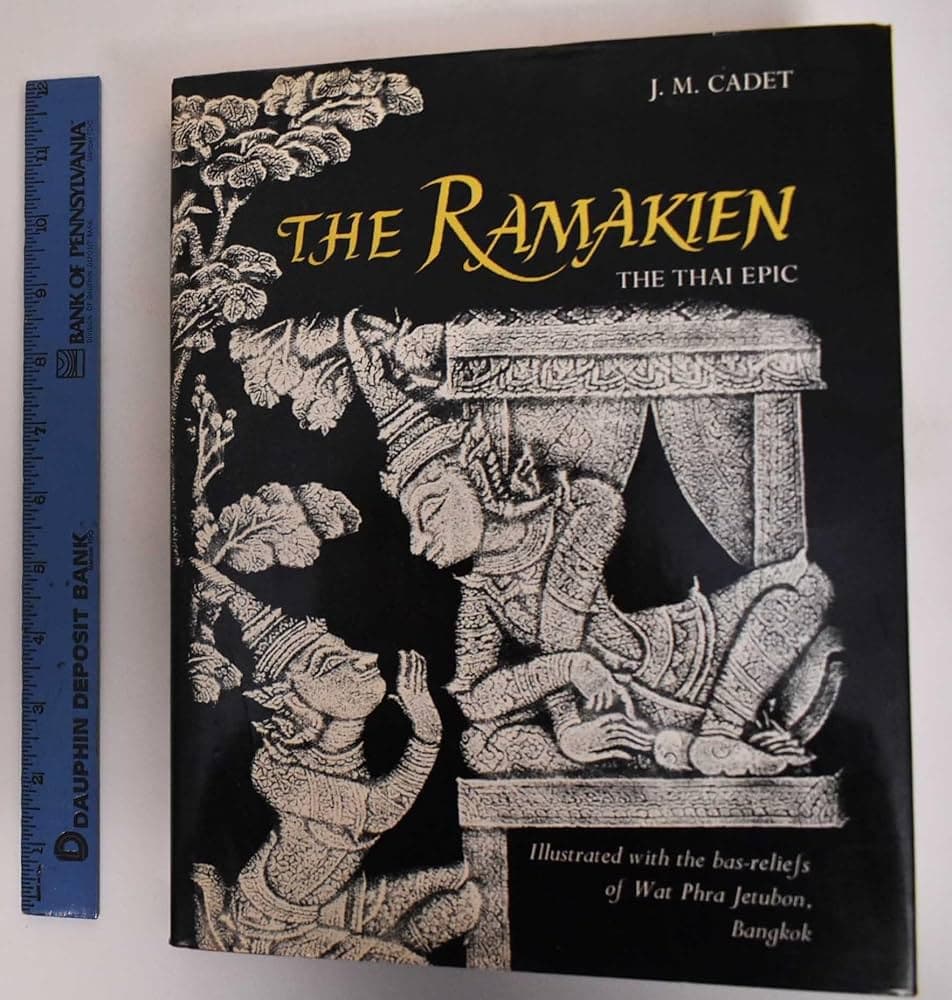
Southeast Asia’s Adaptations: The epic travelled far beyond India, inspiring local versions like Thailand’s Ramakien and Cambodia’s Reamker. These adaptations incorporate regional aesthetics, costumes, and even altered storylines, often showcased through dance and theatre.
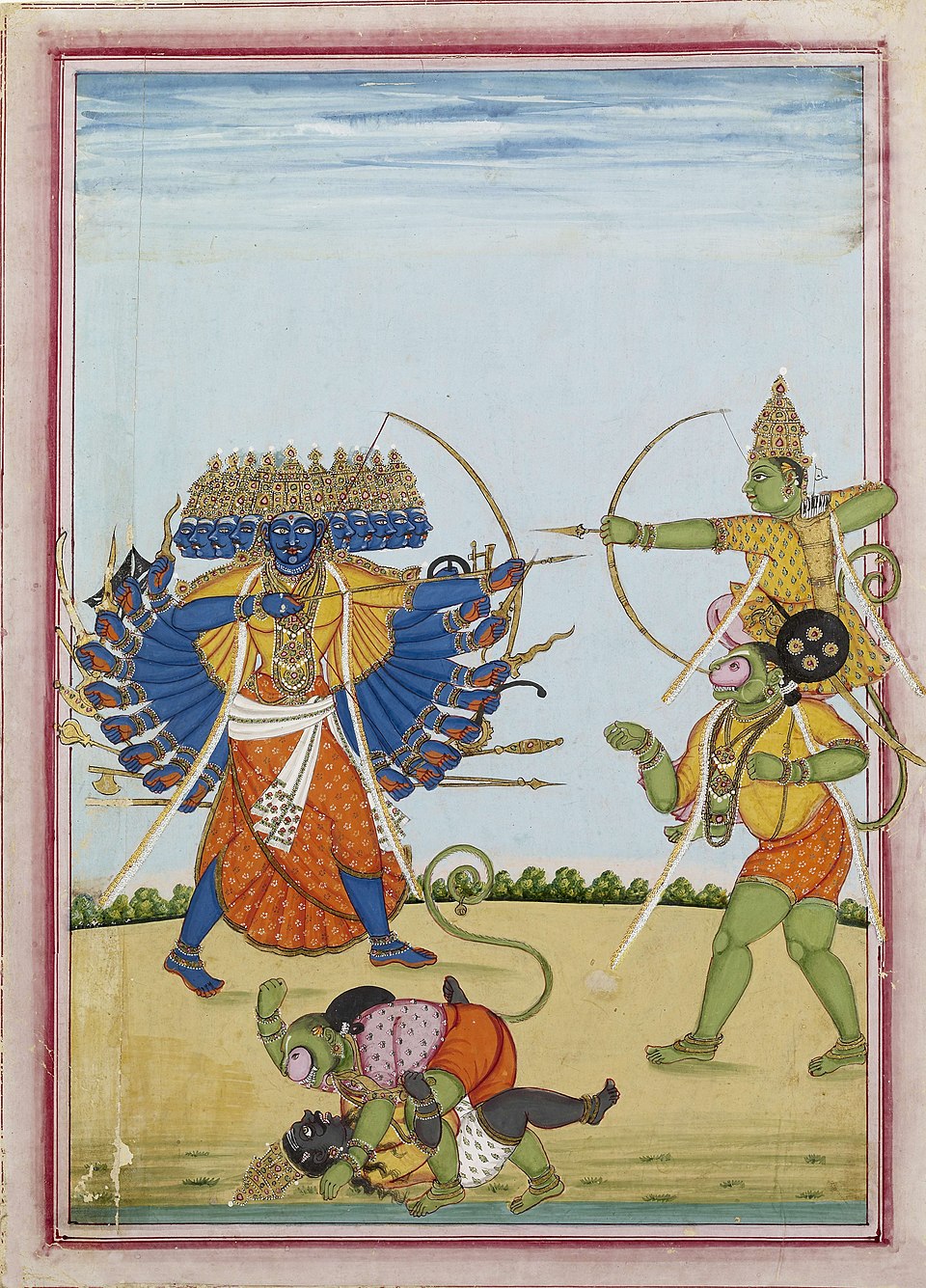
Folk And Tribal Ramayanas: Across India, countless oral and folk versions exist, passed down through generations. In some, Sita is Ravana’s daughter; in others, the story focuses more on local heroes or lesser-known characters. These versions highlight how communities adapt the epic to their own cultural context.
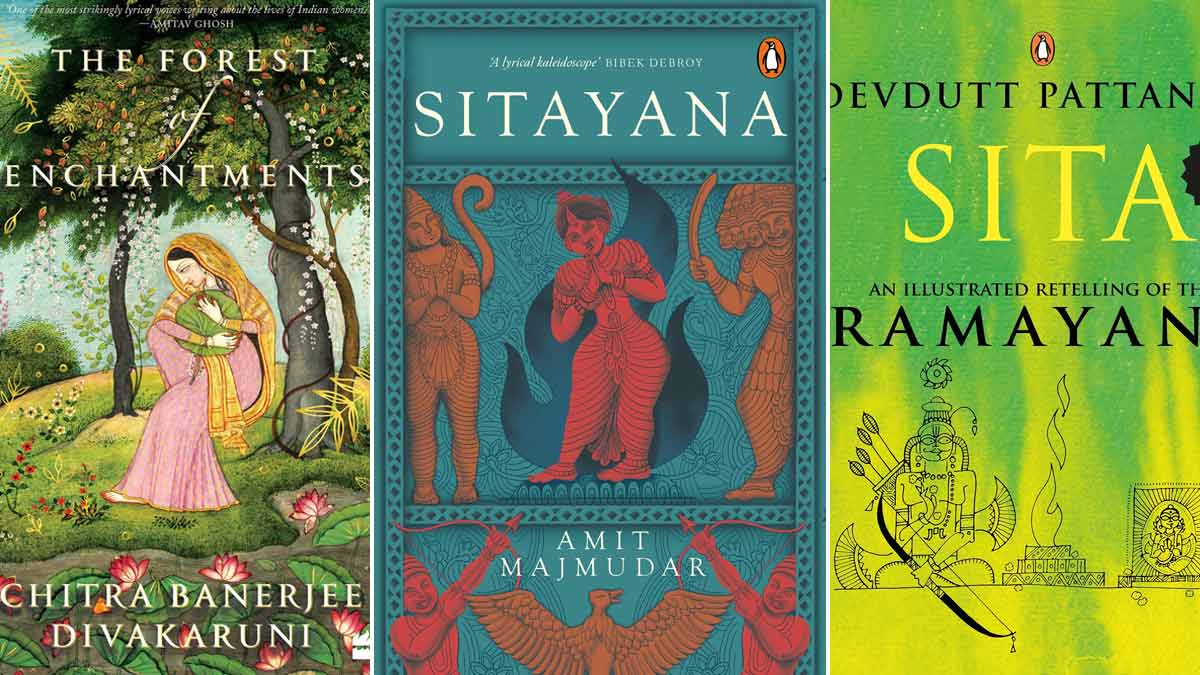
Modern Retellings and Feminist Perspectives: Contemporary authors have reimagined the epic from fresh viewpoints, especially Sita’s. Books and adaptations today question traditional narratives, explore untold perspectives, and reinterpret characters for modern audiences.


