


Pune’s Bhimashankar Temple Eyes World Record As Stone Restoration To Finish In Just Four Months


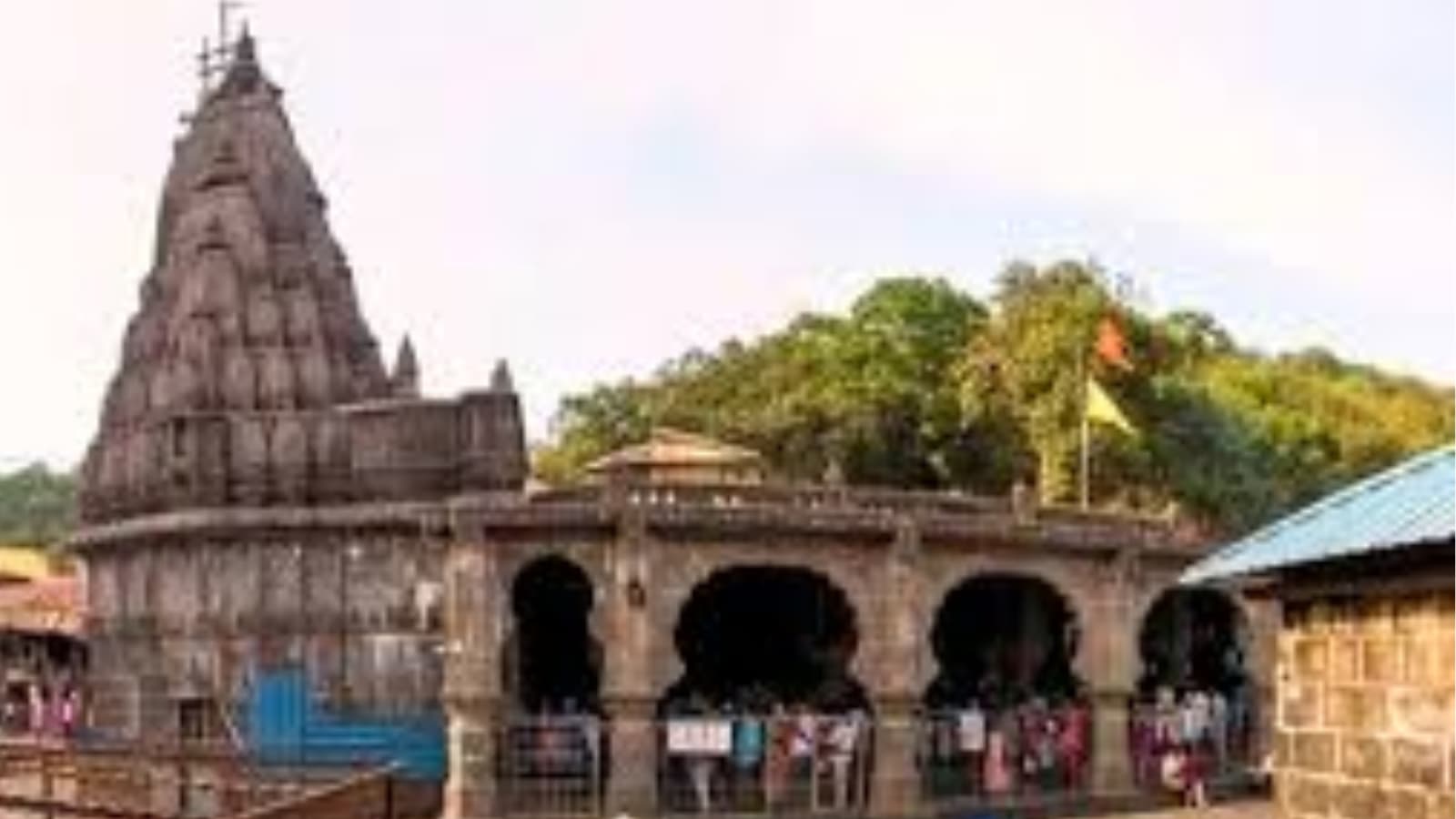
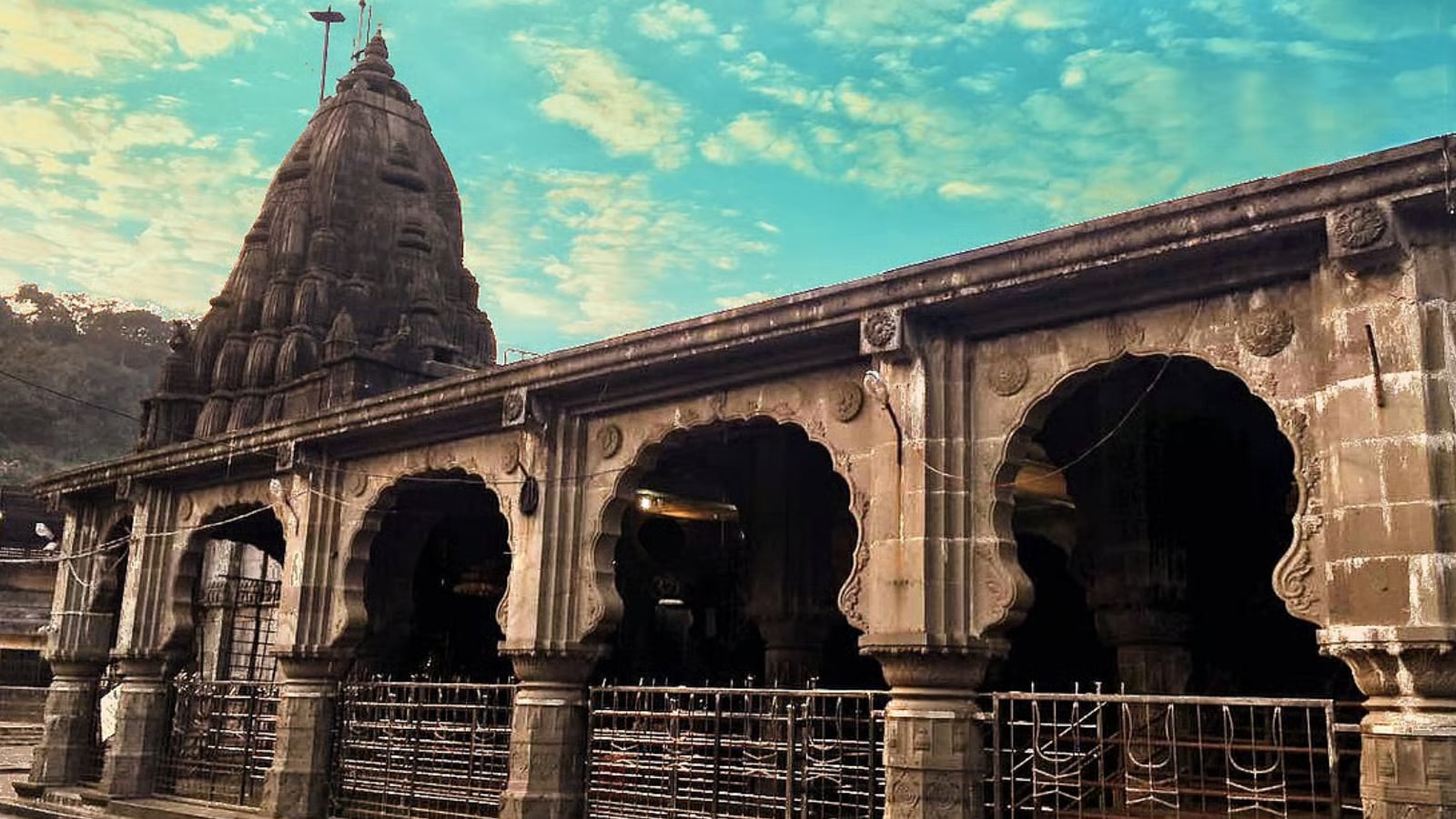
Located in Maharashtra’s Pune, Bhimashankar Temple is witnessing a massive restoration project ahead of the Simhastha Kumbh Mela 2027 in Nashik. The shrine’s assembly hall which is known as the sabha mandap is being rebuilt by using traditional stone techniques.
The work is planned to finish in just four months.
For the first time, a restoration of this magnitude is being executed under the Archaeological Department of India using entirely traditional construction methods, Pune Pulse reported. To highlight the uniqueness of the effort, local authorities have reportedly
initiated steps to apply for recognition from Guinness World Records. Preliminary discussions with officials in London have already been held and a consultant will soon guide the certification process. The goal is to document the reconstruction as a benchmark
in heritage conservation.
The Maharashtra government has approved a broader development plan for the Bhimashankar Jyotirlinga Tirtha Kshetra with Rs 288.17 crore allocated for the pilgrimage site. Out of this, Rs 10 crore is being specifically spent on reconstructing the sabha mandap.
Funding is being used not only for stonework but also to improve surrounding infrastructure for devotees and tourists. Officials describe the project as an example of combining spiritual importance with architectural preservation.
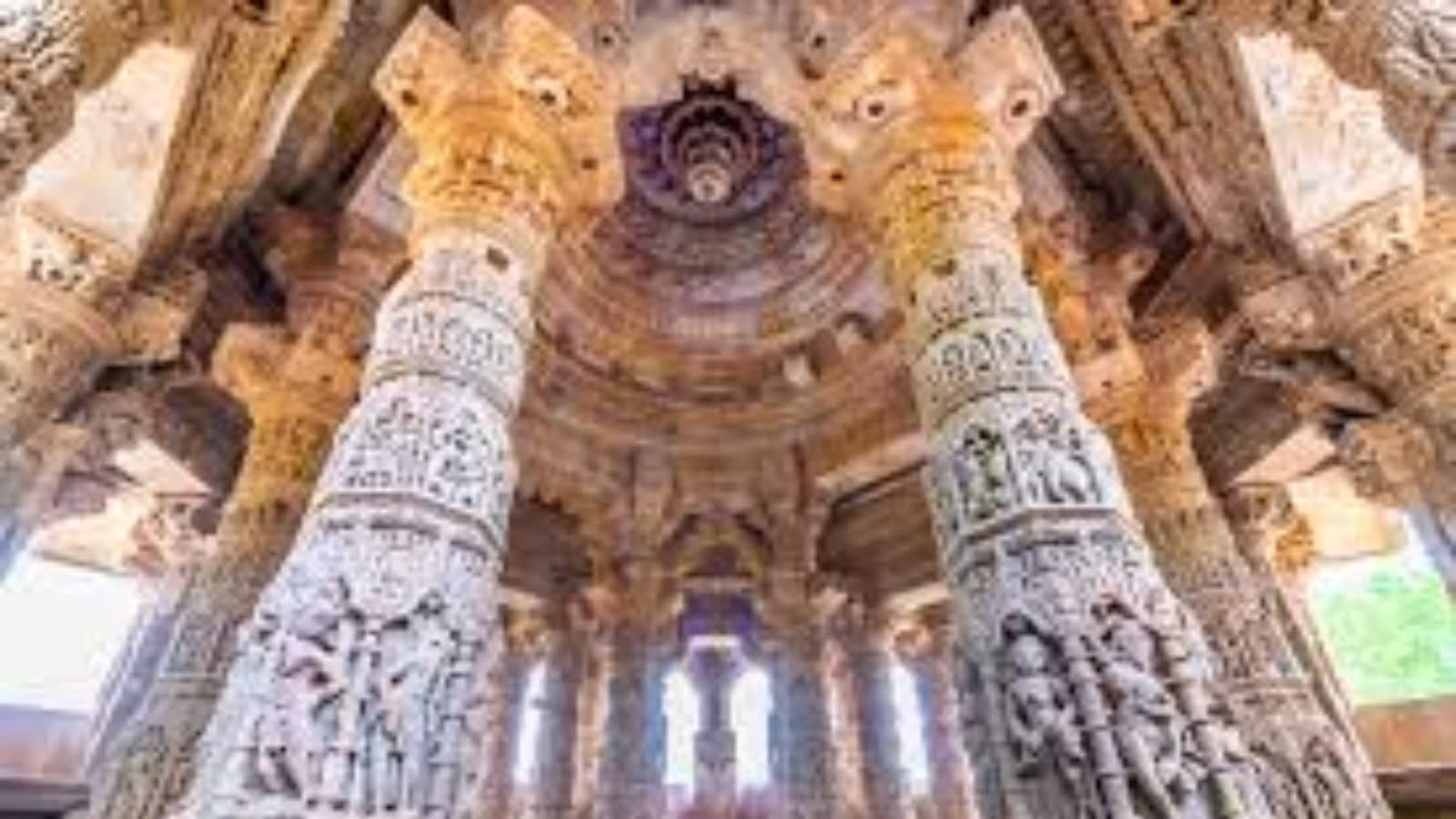
The sabha mandap itself covers an area of 2,750 square feet and features 48 intricately carved stone pillars. At the center rises a domed structure, connected to arched corridors, all constructed using multiple stone blocks. No modern materials are being used
to ensure the restoration remains faithful to traditional craftsmanship. Each pillar is carefully assembled from two to three separate stones while the dome and arches follow ancient engineering methods.
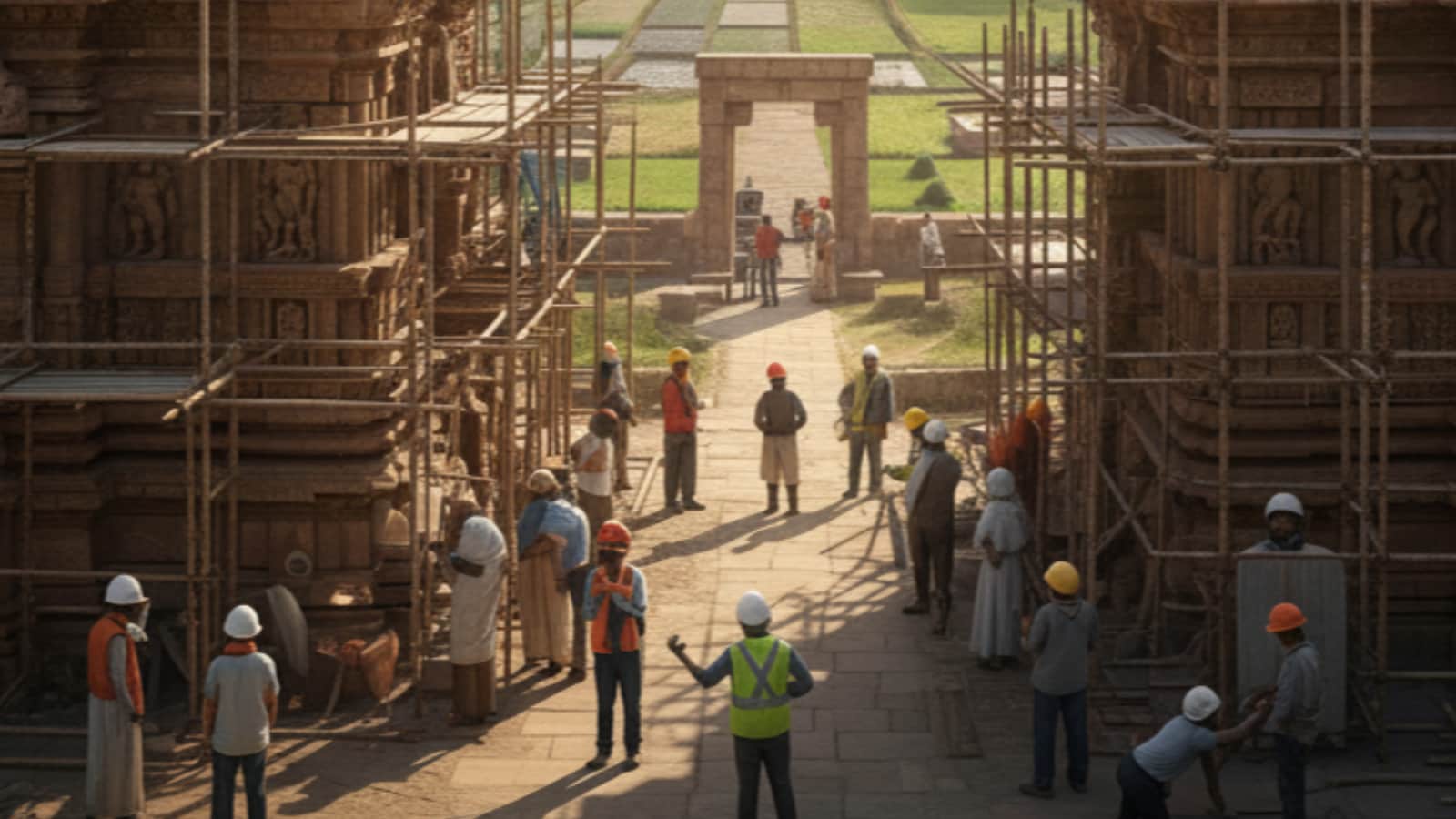
Construction began on January 9 this year and is scheduled to finish by April 30, 2026. The project’s rapid pace makes it one of the quickest heritage restorations using traditional techniques in India. Craftsmen are working in shifts to meet the timeline.
Every detail is checked against historical references to maintain authenticity.
The Bhimashankar restoration is also part of a broader global trend in conserving historic sites. Similar work has been carried out in Cambodia on ancient temples in Sri Lanka on heritage monuments and in Japan on wooden structures. European countries such
as Italy have preserved Roman and Greek archaeological sites by applying traditional techniques in modern restoration. The project in Maharashtra aligns with these international efforts.

District Collector Jitendra Dudi described the project as historic for Pune and the state. He emphasised that achieving Guinness World Records recognition would be a proud moment not only for Pune district, but for Maharashtra and the entire country. “This
project represents India’s commitment to heritage conservation through traditional knowledge and craftsmanship,” he said as quoted by the outlet.
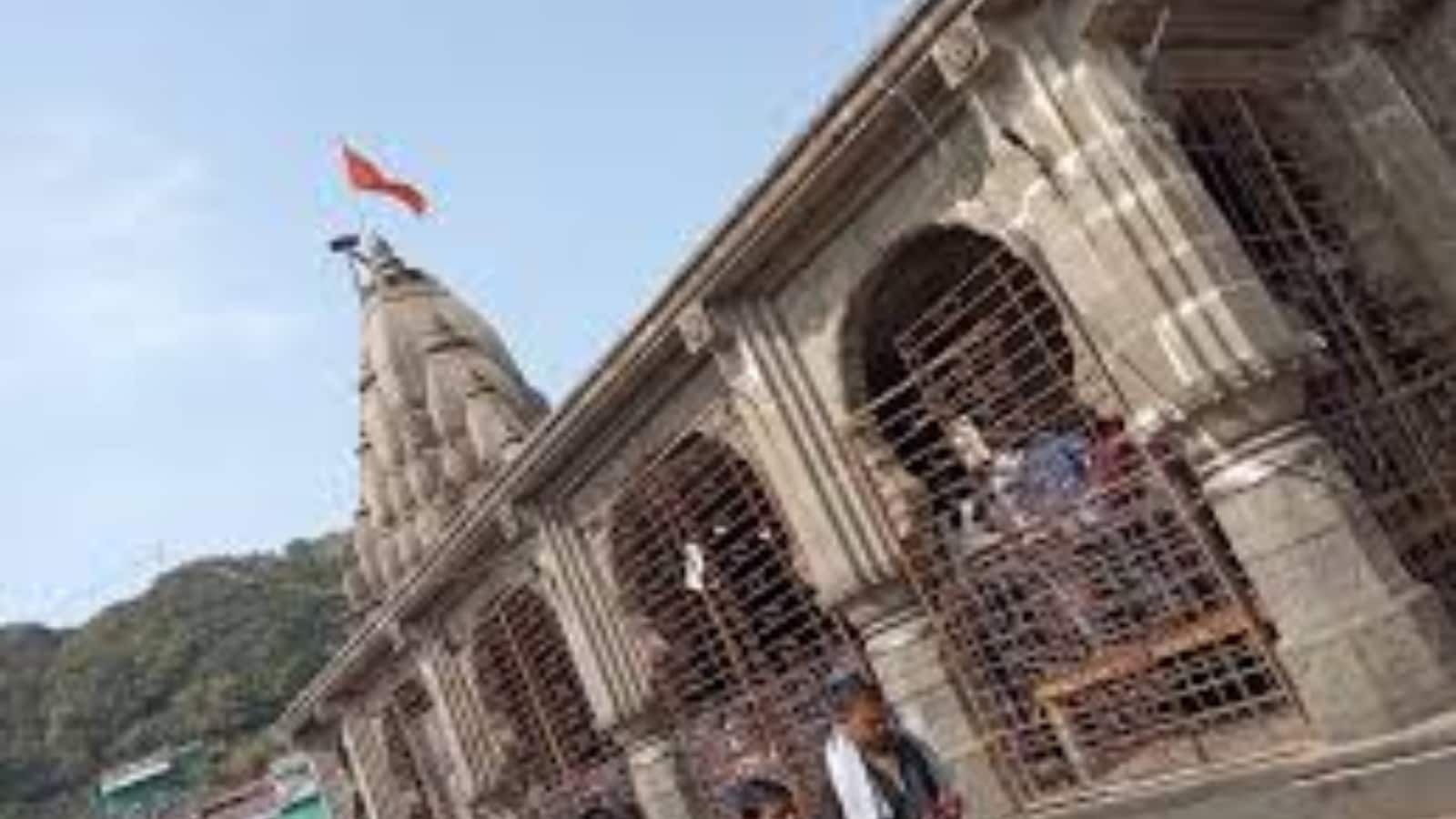
The Bhimashankar Temple holds deep spiritual and mythological importance as it is known as the sixth Jyotirlinga. Devotees believe that Lord Shiva appeared here as a “fiery column of light” (Jyotirlinga) to restore peace on Earth. The temple is also linked
to the legend of Tripurasura, where Shiva, in his Ardhanarishwara (half-male, half-female) form, defeated the demon. According to tradition, the Bhima River began from the sweat of Shiva during this battle. The main Shiva Linga is Swayambhu (self-manifested)
and is located lower than the surrounding ground in the inner sanctum.
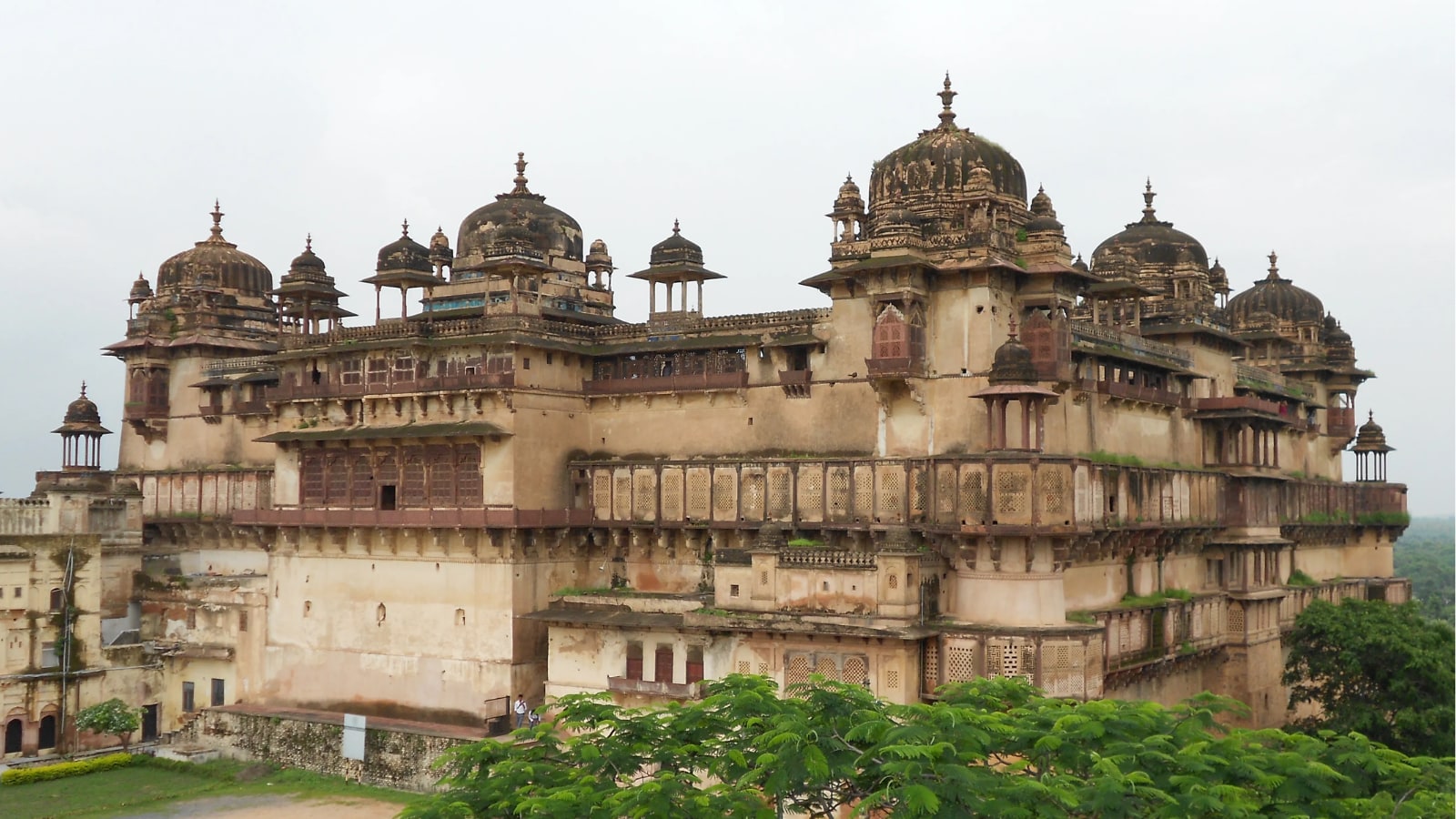
The temple showcases Nagara-style architecture with detailed stone carvings and a high shikhara (spire) that stands out in the structure. The original sanctum is very old while additions made in the 18th century by Maratha statesman Nana Phadnavis are also
part of the temple. At the entrance, a large antique bell brought by Chimaji Appa after defeating the Portuguese at Vasai is placed.
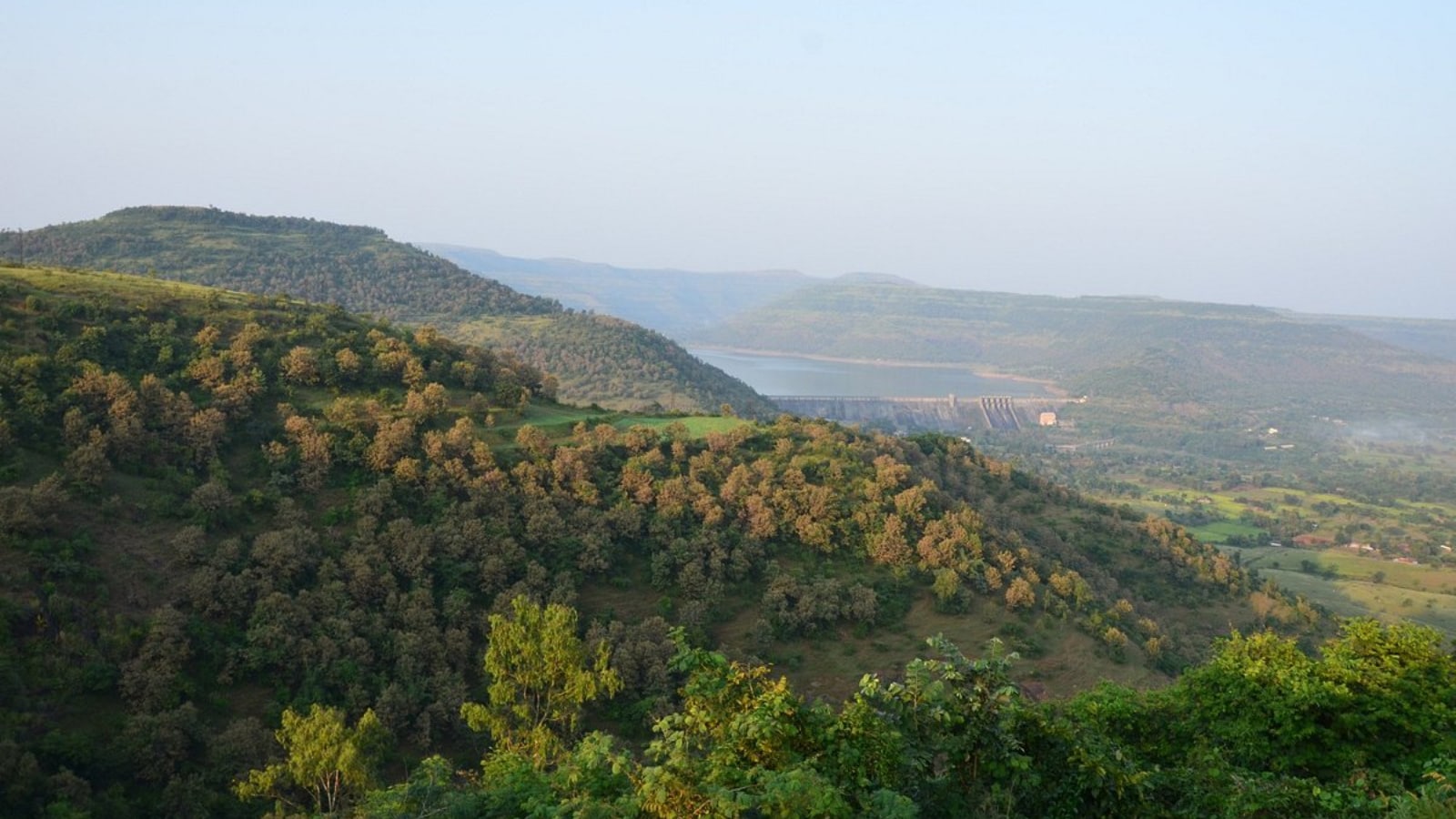
Bhimashankar is set within the Bhimashankar Wildlife Sanctuary, a protected forest area known for its biodiversity. The sanctuary is home to the Malabar Giant Squirrel, locally called Shekru, which is also Maharashtra’s state animal and a draw for visitors.
The area is popular for trekking and adventure with trails like Ganesh Ghat and Shidi Ghat passing through thick forests, streams, and waterfalls.


