


Red colour foods that make your brain stronger and sharper | – The Times of India


Red foods get a lot of attention for their colour, but colour in plants is more about chemistry than appearance. The red shades seen in cherries, berries and pomegranates come largely from anthocyanins, a group of plant pigments that belong to the flavonoid family. These compounds are measurable, reactive and present in the bloodstream after digestion. Research interest in red foods has increased as attention has shifted towards everyday dietary patterns and their links with memory, mental focus and cognitive ageing. Brain tissue is sensitive to changes in blood flow, inflammation and oxidative stress, all of which are influenced by food-derived compounds. According to a study published in the International Journal of Molecular Sciences, red fruits do not only contain pigments but also minerals, fibre, and other flavonoids, which are resulting in the mixtures that are nowadays researched as whole foods instead of just isolated nutrients. Their significance goes beyond immediate mental stimulation and is rather related to long-term brain maintenance.
How red foods benefit your brain
Red foods are examined for their effects on biological systems that support brain function. Anthocyanins and related flavonoids interact with neurons, blood vessels and chemical signalling pathways. These interactions are found in laboratory work, clinical trials, and population studies, with variation in results most of the time.
- Anthocyanins participate in antioxidant activity within neural tissue
- Flavonoids influence signalling pathways involved in memory formation
- Certain compounds affect vascular tone and cerebral blood flow
- Improved circulation supports oxygen delivery to brain cells
- Some studies observe changes in fatigue and mood, related measures
- Cellular protection mechanisms are linked to reduced inflammatory activity
What are the sources of red foods
The red foods examined in relation to brain function are generally commonly consumed fruits rather than specially produced products. Each of them has anthocyanins along with other compounds that differ in kind and concentration.
- Cherries
- Raspberries
- Strawberries
- Pomegranates
- Red apples
- Cranberries
1. Cherries
Cherries contain anthocyanins distributed through their skin and flesh. Their composition has been examined in relation to inflammatory markers and oxidative balance. The mineral content of cherries contributes to nerve transmission processes that depend on electrolyte balance.
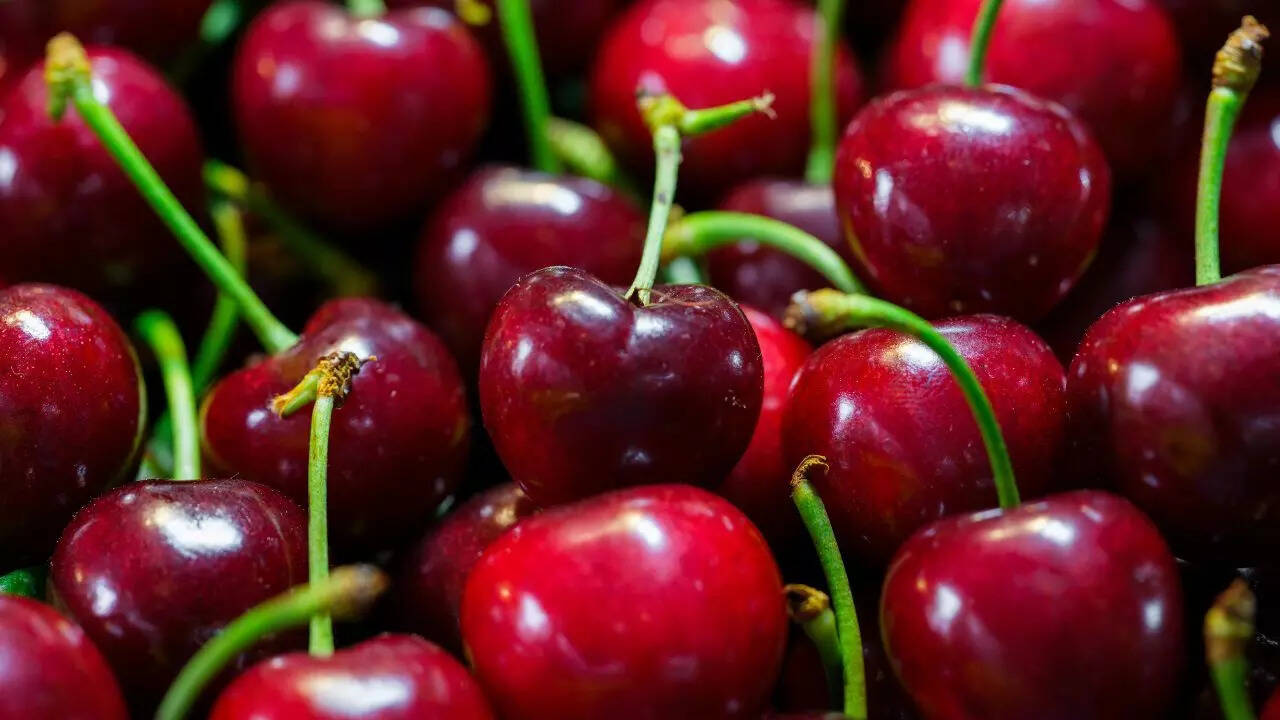
- Provide anthocyanins associated with cognitive performance measures
- Contain catechins involved in cellular signalling
- Supply quercetin, a flavonoid present in brain tissue
- Include magnesium linked to neurotransmitter release
- Contain compounds studied in relation to circadian rhythm regulation
2. Raspberries
Raspberries combine anthocyanins with carotenoids and fibre. Their chemical profile includes several compounds present in neural tissue. Energy regulation and glucose handling are also relevant to brain activity and are influenced by the fibre content of raspberries.
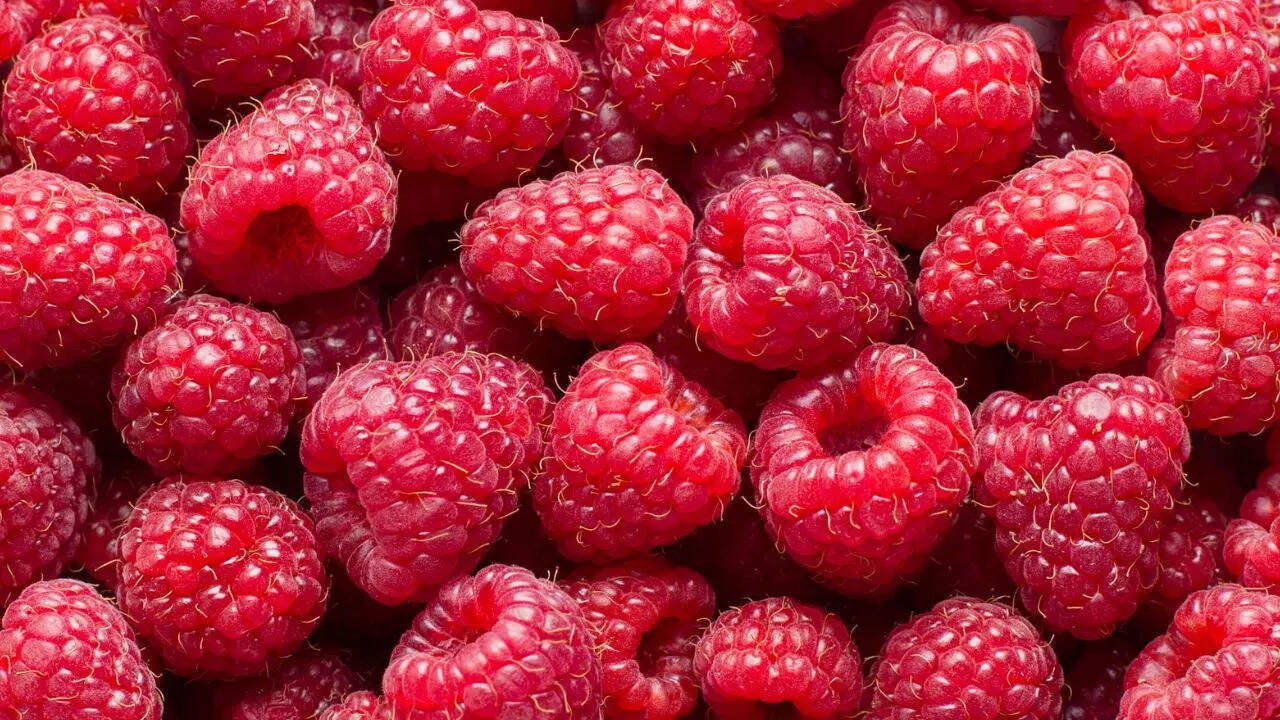
- Rich source of anthocyanins with antioxidant properties
- Contain lutein found in neural and retinal tissue
- Provide zeaxanthin associated with cognitive processing
- Supply vitamin E linked to membrane stability
- Include flavonoids involved in synaptic communication
3. Strawberries
Strawberries are characterised by a high proportion of pelargonidin, an anthocyanin subtype frequently referenced in cognitive research. Their nutrient content supports biochemical processes involved in neurotransmitter synthesis and electrical signalling.
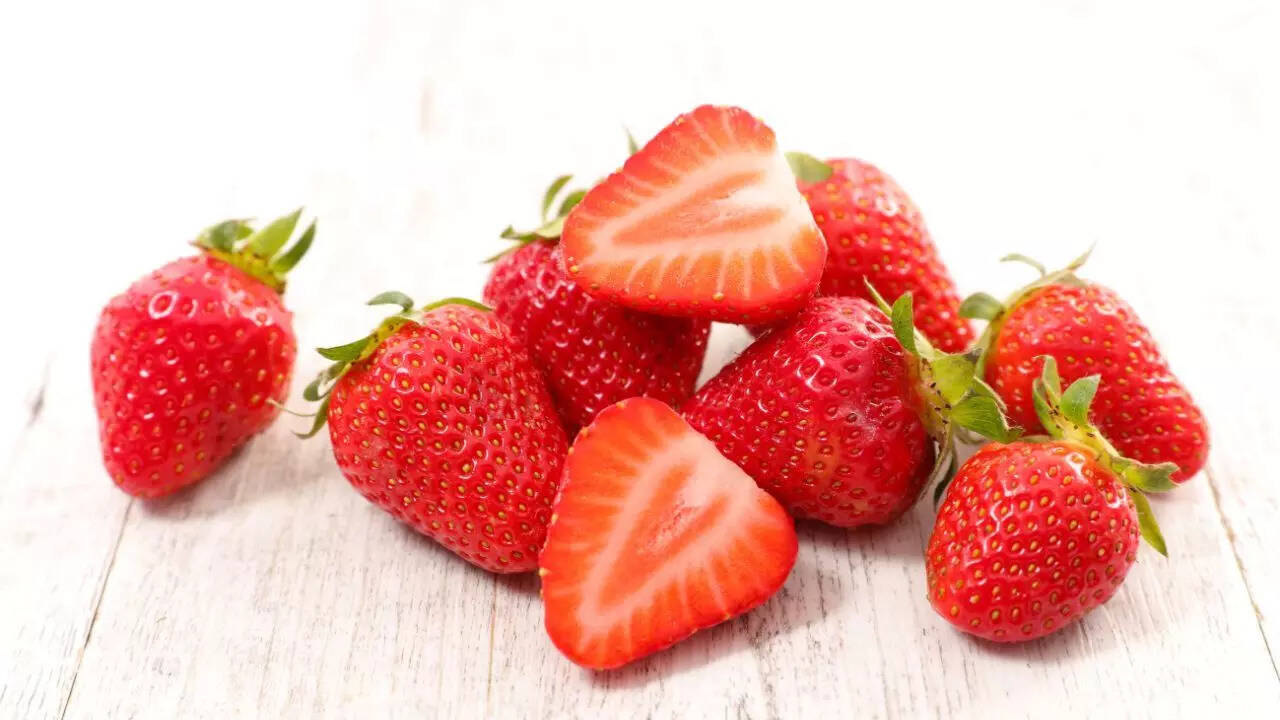
- High pelargonidin concentration relative to many fruits
- Supply quercetin associated with neuronal pathways
- Contain catechins involved in oxidative balance
- Provide magnesium relevant to nerve impulse conduction
- Include vitamin C required for neurotransmitter production
4. Pomegranates
Pomegranates differ structurally from berries but remain dense in anthocyanins and polyphenols. Their juice and seeds contain multiple flavonoids that have been studied in vascular and neural contexts. Blood vessel function is relevant to sustained brain activity.
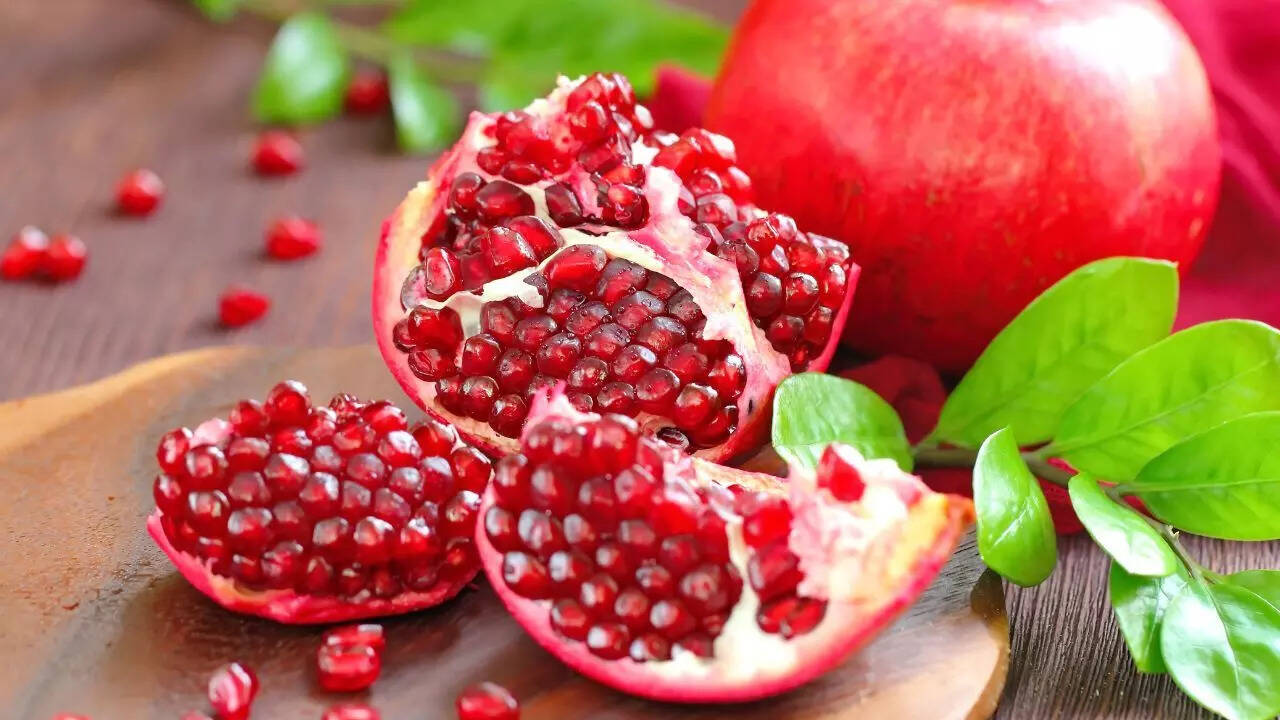
- Provide anthocyanins linked to cerebral circulation
- Contain kaempferol with documented biological activity
- Supply quercetin present in neural tissue
- Include catechins associated with oxidative regulation
- Provide polyphenols examined in relation to brain ageing markers
5. Red apples
Red apples contain anthocyanins mainly in the skin, with additional flavonoids present throughout the flesh. Apples are frequently included in long-term dietary studies because of their regular consumption and consistent availability.
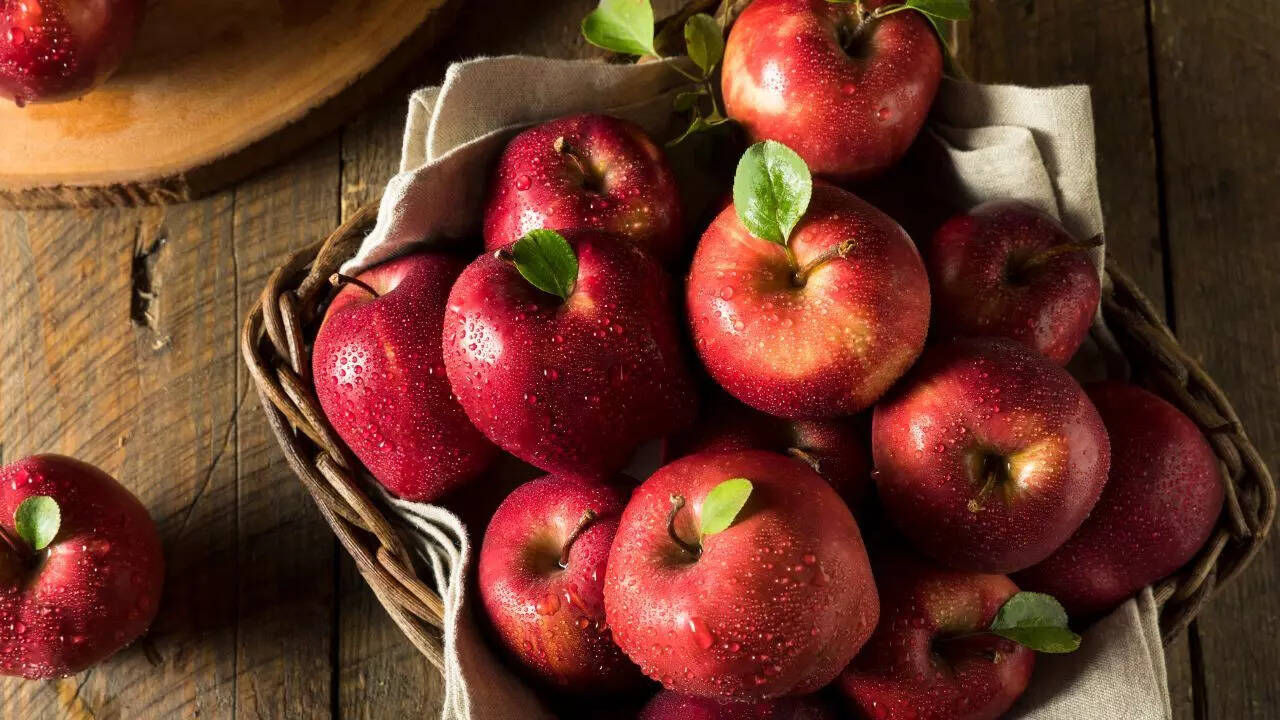
- Supply anthocyanins concentrated in the peel
- Contain quercetin linked to neuronal signalling
- Provide kaempferol and catechins
- Include fibre that influences glucose stability
- Support metabolic conditions relevant to sustained brain function
6. Cranberries
Cranberries have a sharp taste that reflects their high polyphenol content. Their anthocyanin profile differs from sweeter berries and includes compounds studied for antioxidant strength and vascular interaction.
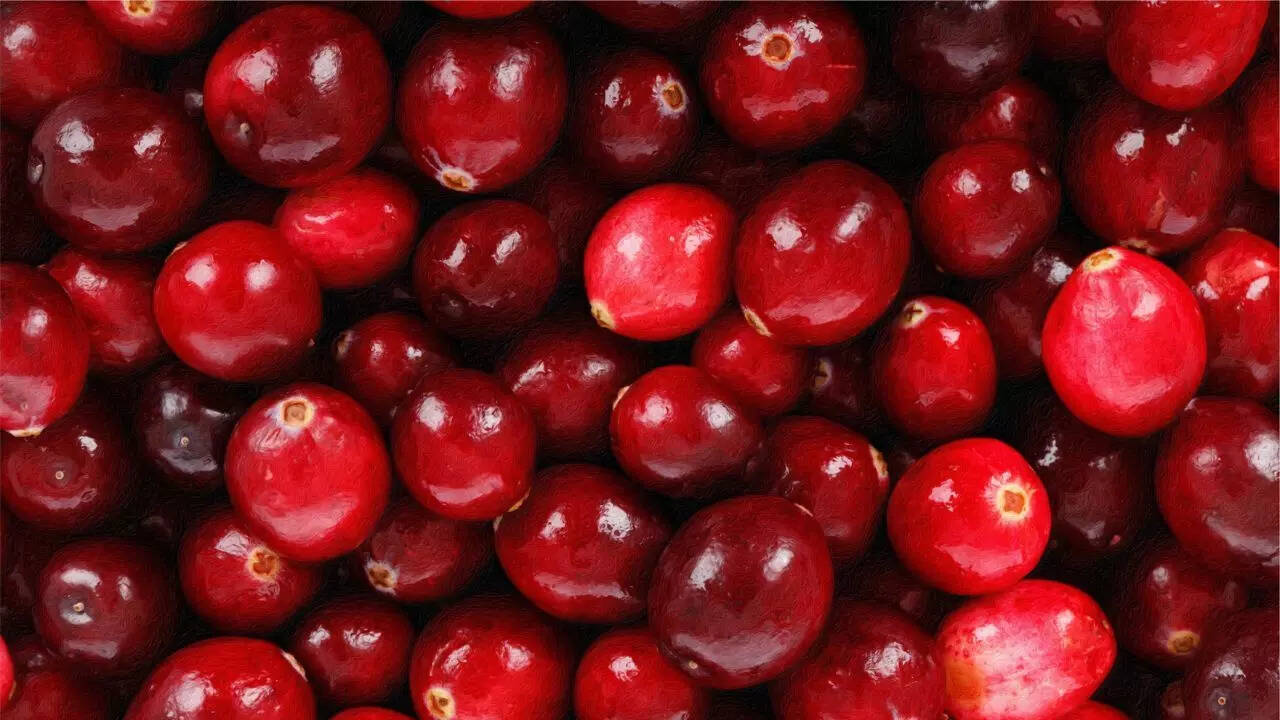
- Rich in anthocyanins with strong antioxidant capacity
- Provide vitamin E associated with cellular protection
- Contain myricetin present in neural tissue
- Supply quercetin involved in signalling pathways
- Include polyphenols linked to vascular integrity
How to fit red foods in everyday diets
Red foods are usually consumed as part of routine meals rather than in isolated forms. Preparation and storage affect pigment stability and compound retention.
- Fresh berries added to yoghurt, porridge or cereals
- Cherries included in salads or eaten whole
- Pomegranate seeds scattered over cooked grains
- Red apples consumed with the skin intact
- Cranberries used in savoury dishes rather than sweetened products
Disclaimer: This article is for general informational purposes only and does not replace professional medical, nutritional or clinical advice. Individual responses to foods may vary depending on health status and diet.Also Read | 8 foods that support gall bladder function


