


Step-By-Step Guide To Growing Juicy Litchi In Your Balcony


Choose the Right Variety: Select dwarf or air-layered litchi varieties like ‘Shahi’ or ‘Brewster’ that are suited for container growth. These cultivars stay manageable in size while producing fruit much sooner than seed-grown trees, ensuring your balcony space is used efficiently and productively. (Image: Pexels)
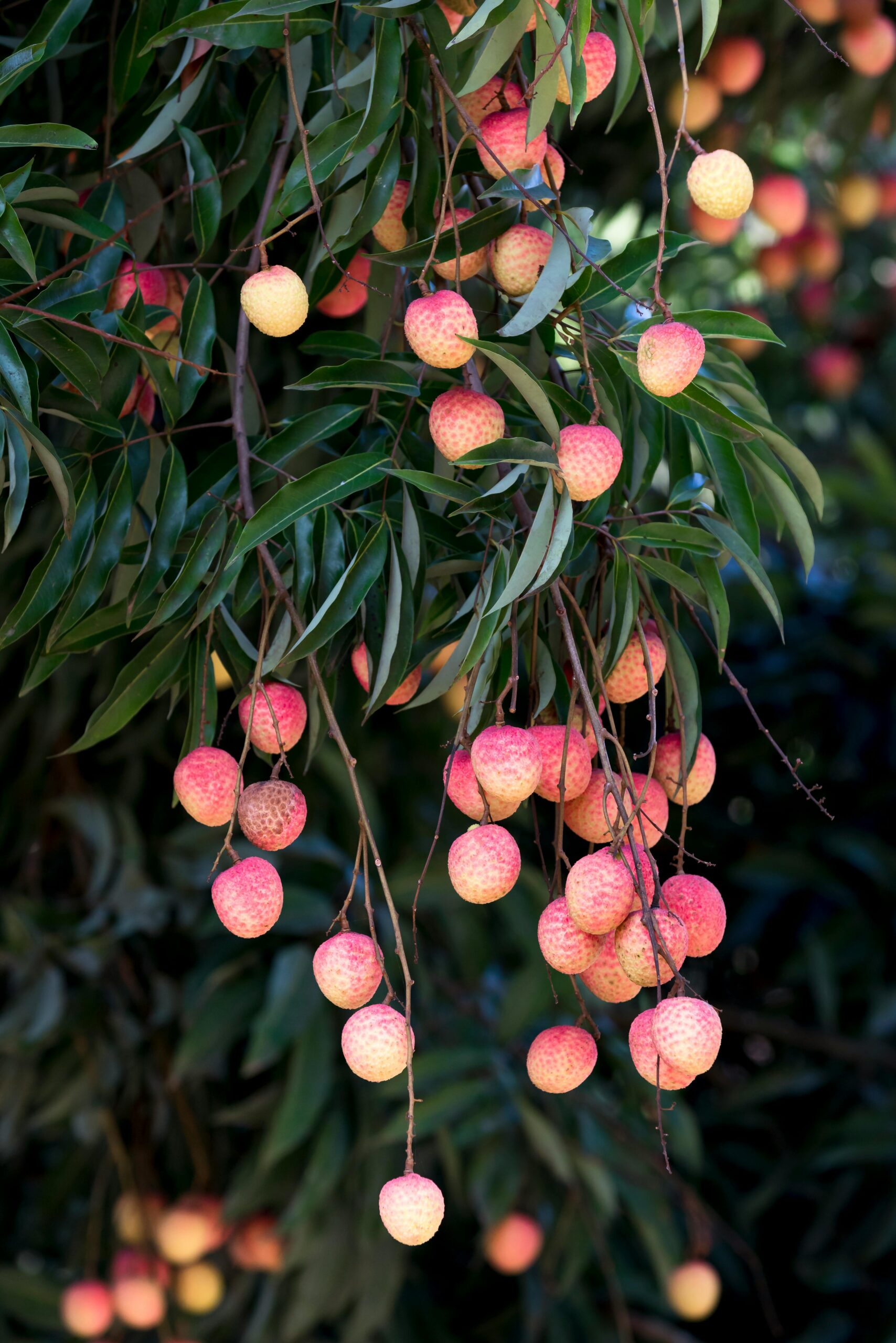
Select a Large Container: Start with a pot at least 15–20 gallons in size with ample drainage holes. Litchi trees have extensive root systems and dislike “wet feet,” so a sturdy terracotta or high-quality plastic pot is essential to prevent waterlogging and root rot. (Image: Pexels)
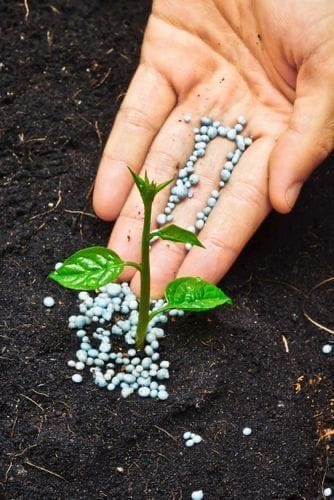
Prepare the Soil Mix: Litchis thrive in slightly acidic, well-draining soil rich in organic matter. Create a blend of potting soil, compost, and peat moss. Avoid heavy clay; the goal is a loose medium that retains moisture but allows excess water to flow out. (Image: Pexels)
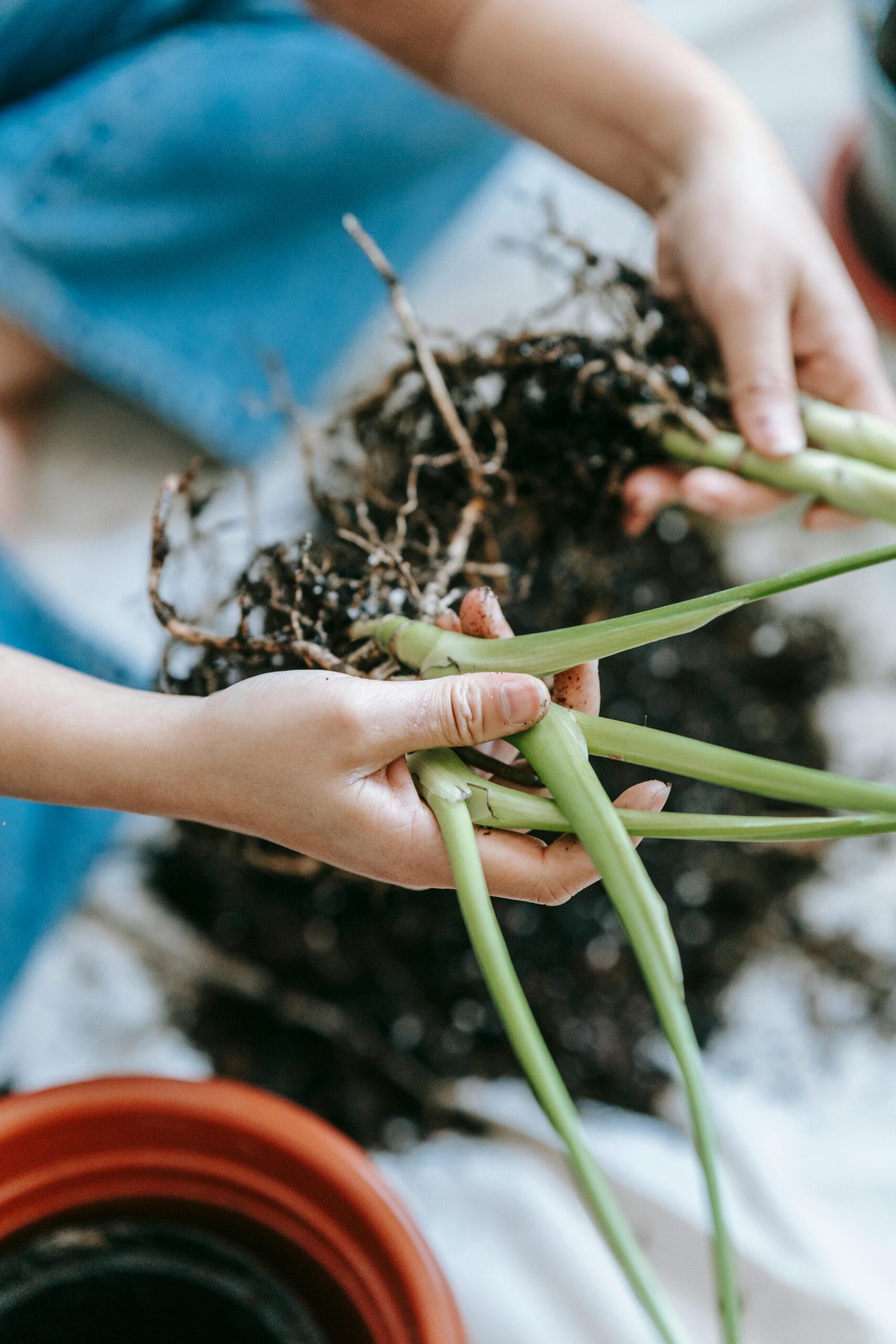
Planting Your Sapling: Gently place your air-layered sapling in the center of the pot, ensuring the graft union is above the soil line. Firm the soil around the base to remove air pockets and water deeply immediately after planting to settle the roots. (Image: Pexels)
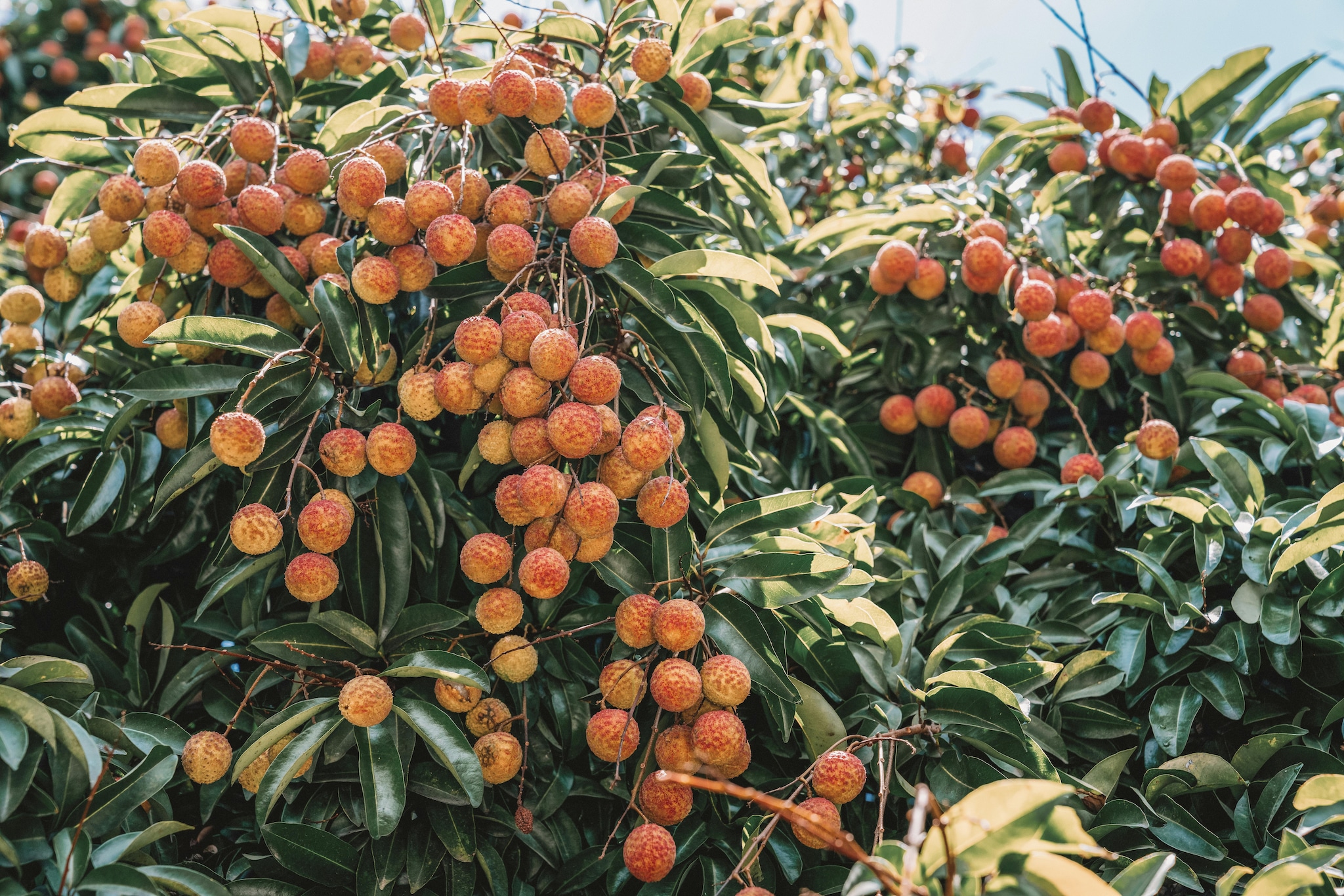
Optimize Sunlight Exposure: Position your pot in the sunniest spot on your balcony. Litchi trees require at least 6 to 8 hours of direct sunlight daily to produce energy for fruit. If your balcony is shaded, use reflective surfaces to maximize light reaching the leaves. (Image: Pexels)
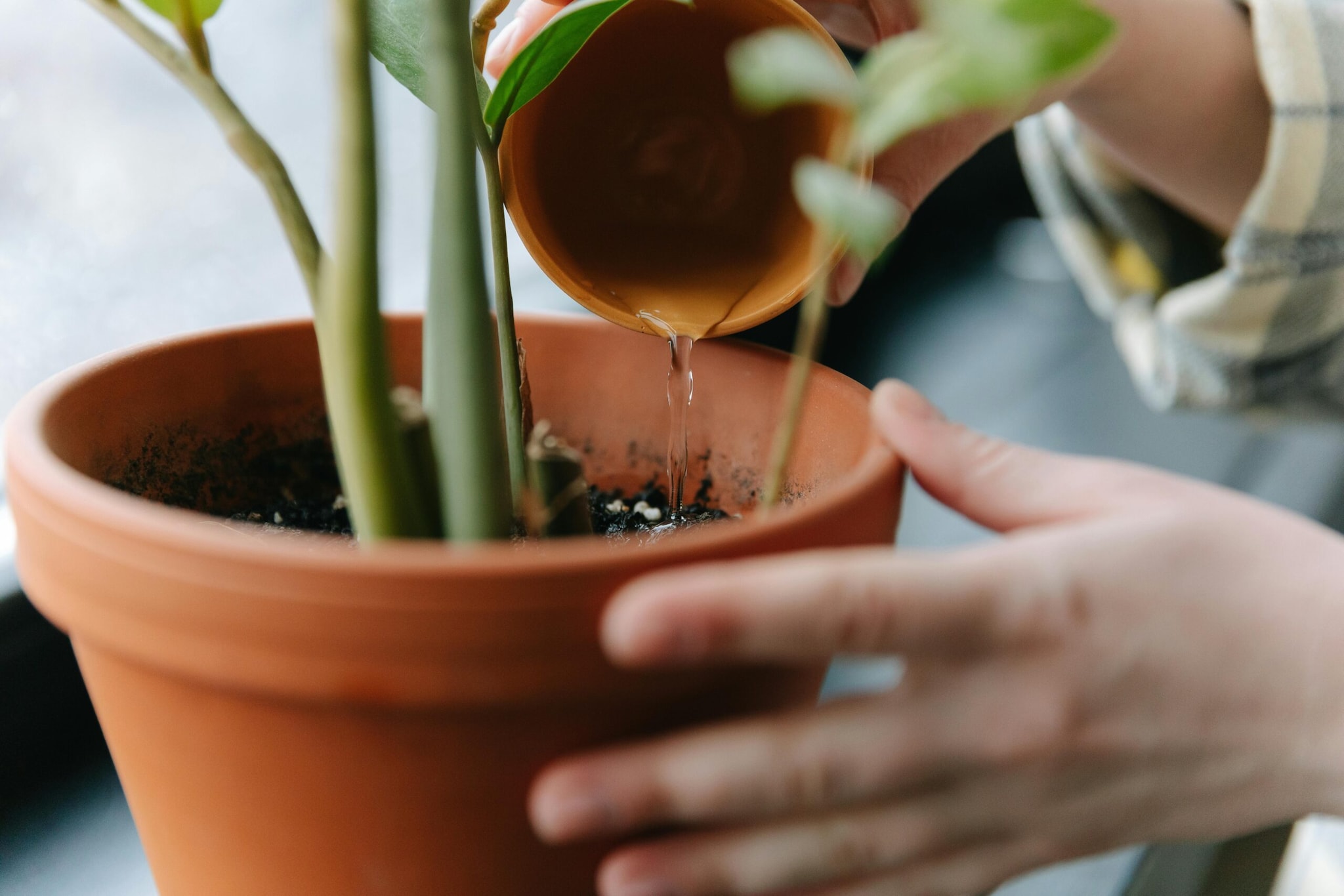
Maintain Consistent Moisture: Keep the soil consistently moist but never soggy. During summer, you may need to water daily. In the monsoon, ensure the pot drains well. Consistent hydration is the secret to succulent fruit; fluctuations can cause the developing litchi skins to crack. (Image: Pexels)

Fertilize Seasonally: Feed your tree with a balanced, slow-release organic fertilizer during the growing season from spring to late summer. Avoid high-nitrogen fertilizers once the tree matures, as this encourages leaf growth over fruit production. Adding chelated iron can help maintain green leaves. (Image: Pexels)
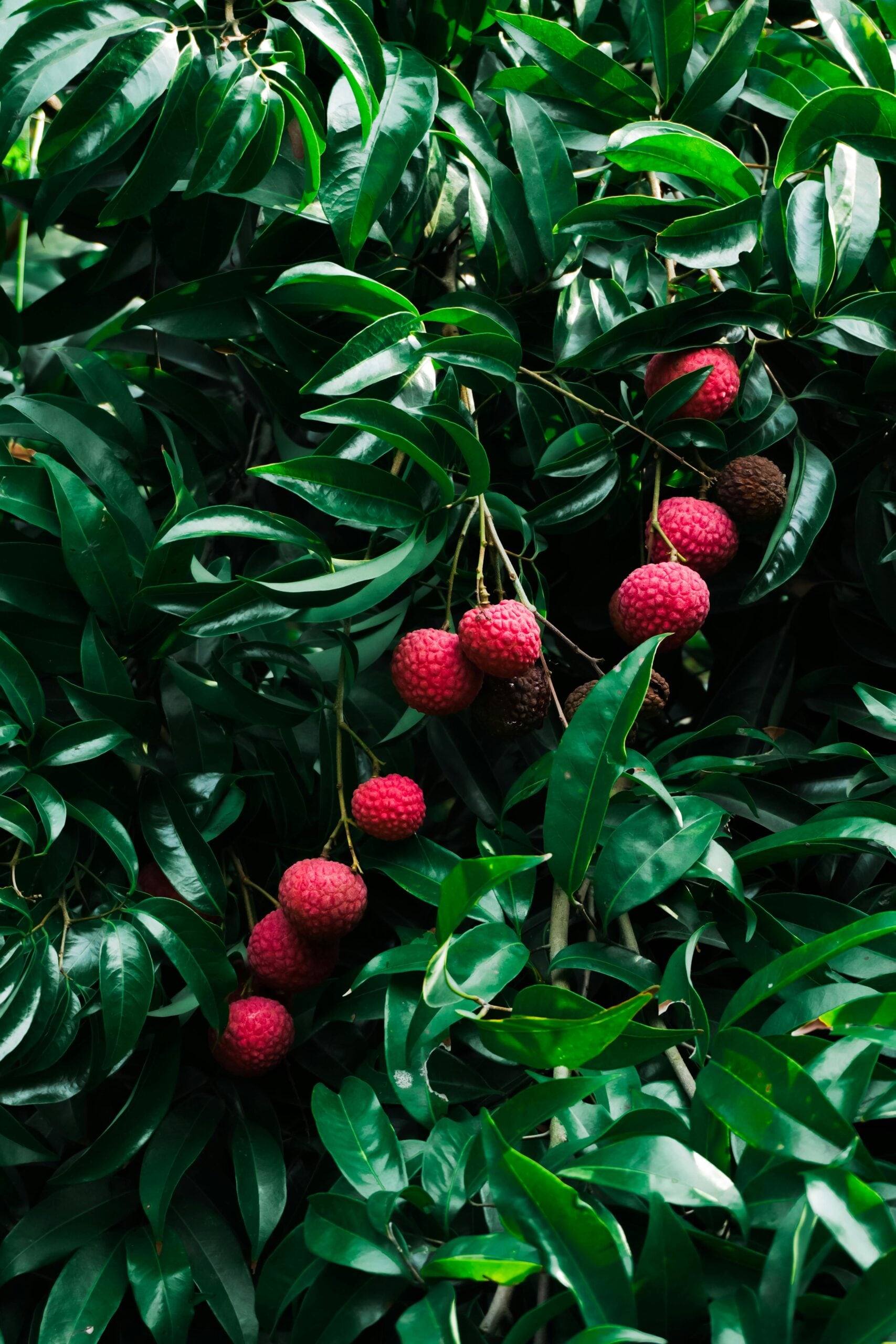
Manage Humidity Levels: Litchis love high humidity, which can be a challenge on breezy balconies. Mist your tree regularly or place a tray of water and pebbles nearby. Grouping plants together also creates a humid microclimate that mimics their natural subtropical forest habitat. (Image: Pexels)
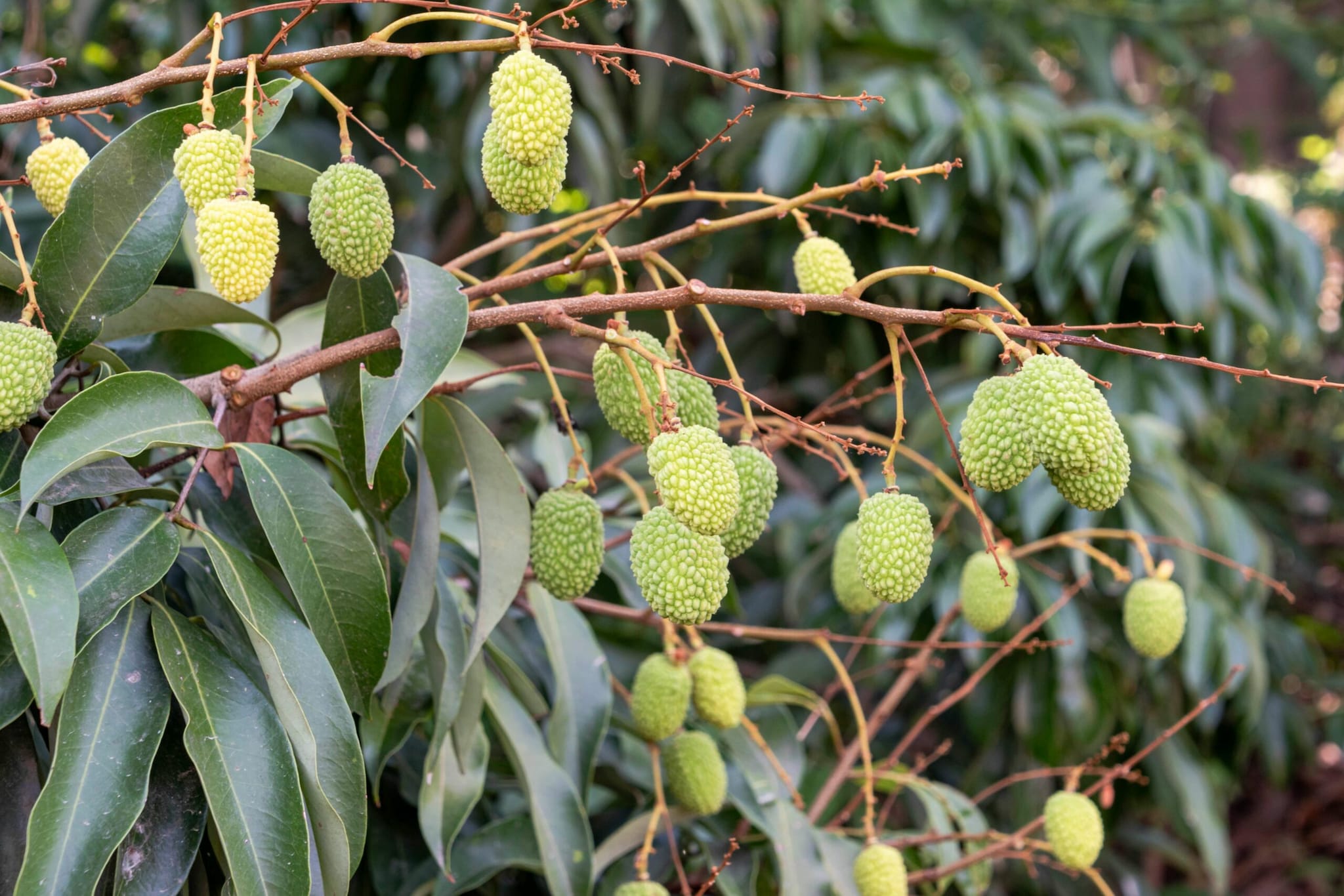
Pruning for Shape: Prune your litchi tree annually after harvest to maintain a compact shape suitable for a balcony. Remove crossing branches and thin out the center to allow light and air to penetrate, which reduces pest risks and encourages more flowering points. (Image: Pexels)
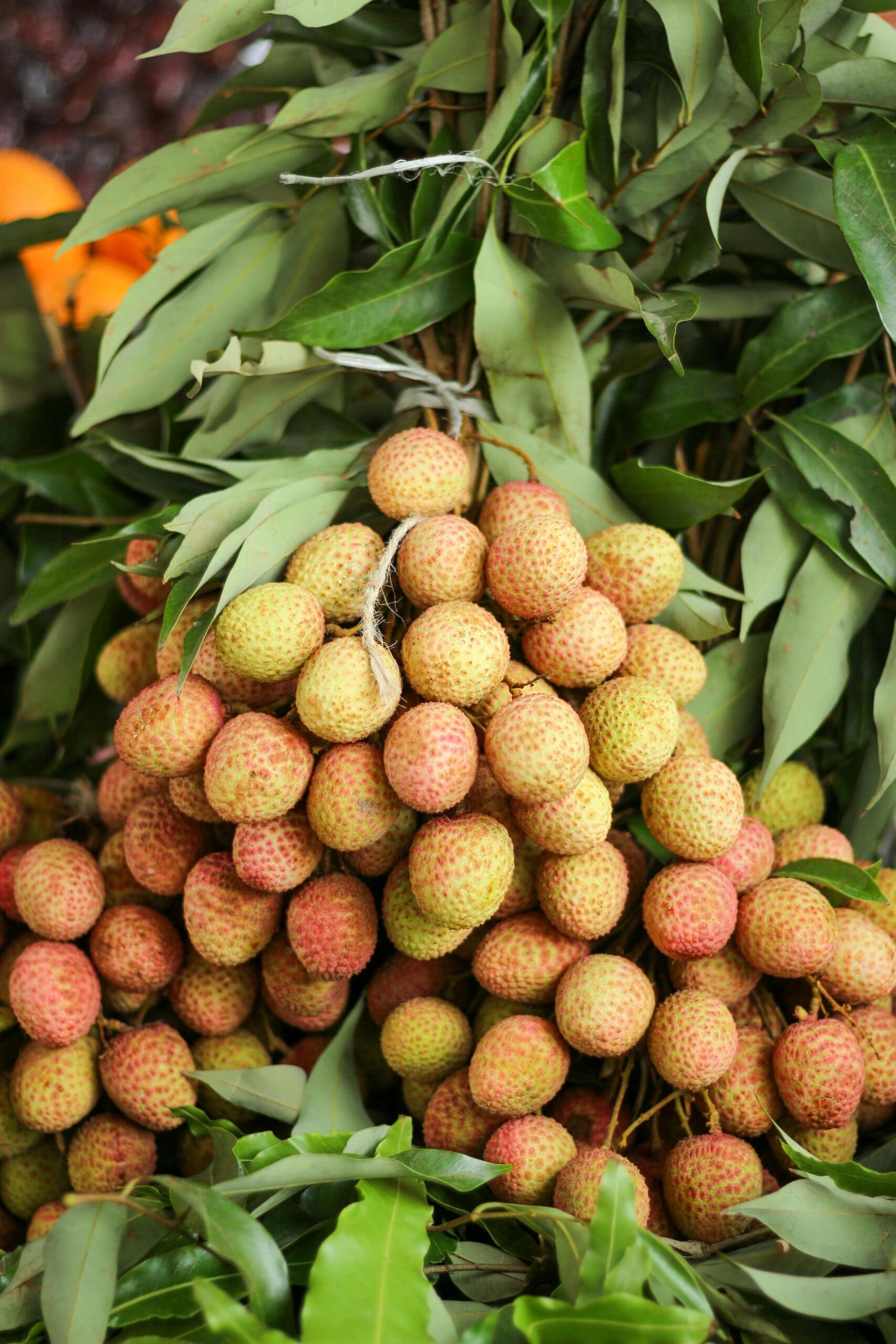
Harvesting the Fruit: Litchis do not ripen after being picked, so wait until the skin turns vibrant red and the bumps flatten slightly. Taste one to check for sweetness before harvesting the entire cluster. Snip the fruit with a small portion of the stem attached. (Image: Pexels)


