


The one simple change that made my life better


At the beginning of 2025, I made a bold decision that probably tells you everything you need to know about my ridiculous “all or nothing” personality type. Having eaten and drunk myself into oblivion in December, I was now going to do the opposite: take on board all the healthy advice I’d ever heard but never followed for at least two months.
And when I say all, I mean all. I cut out refined sugar, alcohol and processed food. I drank 1.5 to 2 litres of water a day, aimed for 8-9 hours sleep a night and upped my exercise regime to four times a week. I paid for the Fast 800 diet app and meal plans, the brainchild of the late Dr Michael Mosley and his wife, and followed them to the letter – which meant, initially, only two meals a day constituting around 800 calories in total. High-protein recipes were stacked with vegetables, grains, pulses and dairy; carbs were rarely, if ever, invited to the party. Even fruit was kept to a minimum due to unwanted sugar spikes.
By mid-March, I was a stone and a half lighter, fizzing with energy and my mental health had never been better. All the boring guff that’s spouted about “wellness” and what’s actually good for you turned out to be totally true.
My experiment was somewhat on the extreme end of lifestyle overhauls – there was no way that I could realistically keep everything going indefinitely. But making all those changes at once and seeing the results for 10 weeks did permanently rewire my brain in unexpected ways.
Though I started drinking again, my relationship with alcohol shifted into something far more moderate and in control. This December, I decided to go sober for Christmas party season and managed it without any real difficulty, which also perhaps explains why I’m heading into the holidays feeling fresh and excited rather than like Demi Moore’s rapidly-ageing character in The Substance.
Though my diet is far from perfect, the lessons I learned while cooking all those wholefood meals fundamentally altered my relationship with food: for the first time in my life, I see it as a tasty energy source, packed with nutrition to fuel me, rather than swinging between viewing it as my nemesis or the answer to all of life’s problems.

An entire year later, I’m still running, doing yoga and lifting weights every week. I haven’t put any of the weight back on. I still feel good in my body and contented in my mind; I still feel well.
People often naysay the idea of New Year’s Resolutions, claiming that they never really work long-term or that we’re just setting ourselves up for failure. But I politely disagree: pick the right changes, stick with them for more than just January, and they can make a deep and lasting impact that improves your life long-term.
It doesn’t have to be anything big or dramatic, either. Here are some of the small hacks the Independent’s features team implemented in 2025 that they’ll still be benefiting from in 2026:
Committing to a morning walk
We all know that being outside in nature is the miracle drug that lowers stress hormones, eases blood pressure and regulates circadian rhythms. But it’s one thing knowing it, and another thing altogether committing to a daily come-rain-come-shine 20-minute morning walk in the marshes – phone free – which is what I did this time last year.
It started while I was in the middle of navigating a particularly stress-filled time. I’m lucky enough to live a few minutes away from a new nature reserve that has been left to go wild to encourage birds and other wildlife. I began to notice that just walking through the gates brought about a physical change; as each walk progressed and I was distracted by the sight of, say, a heron or a psychedelic flock of parakeets, my stiff, hunched shoulders miraculously lowered. My babbling mind slowed. My breathing became deeper as I bathed in invisible feel-good phytoncides being released from the canopy of trees above.
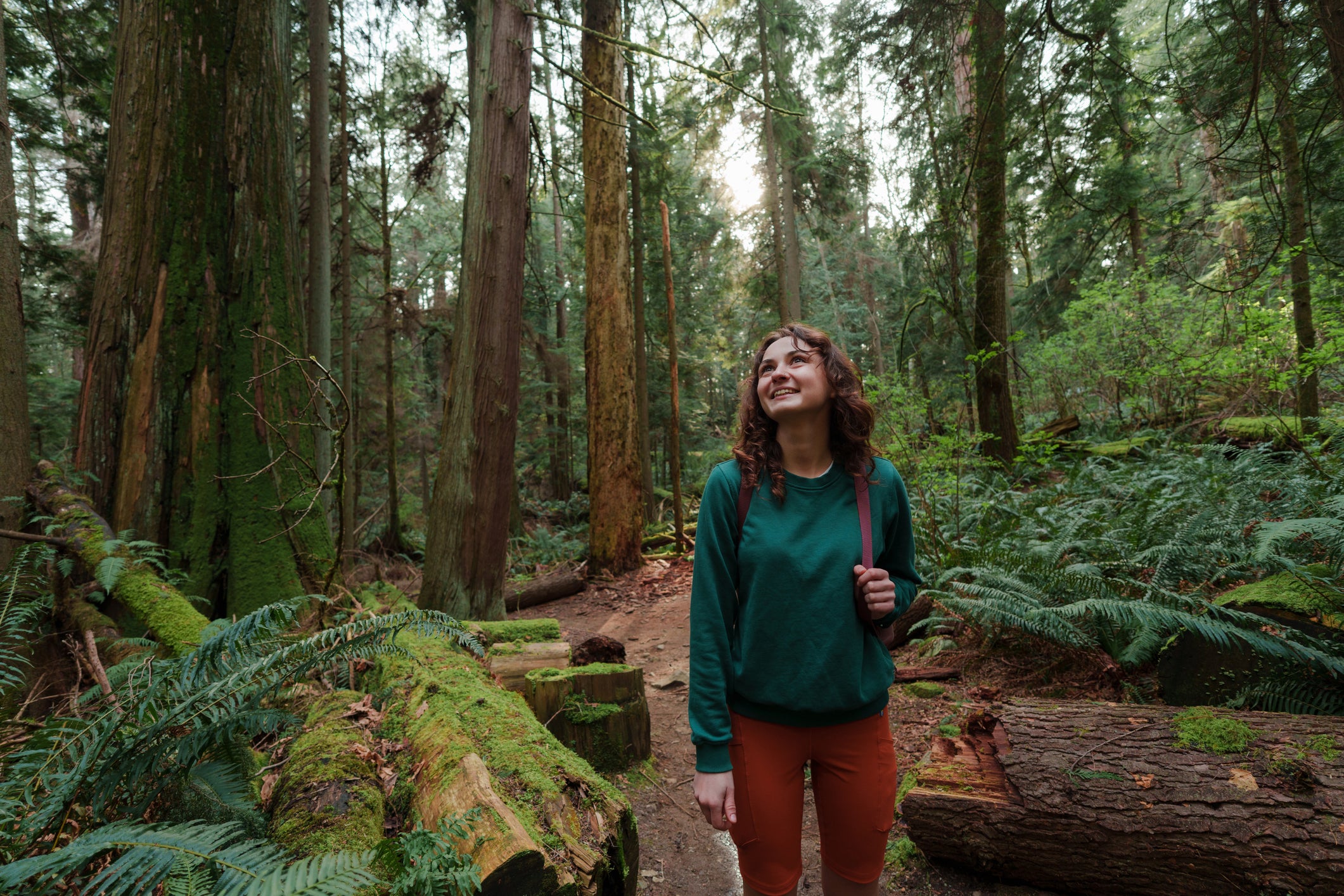
That 20-minute window of silence became a sturdy, daily constant. And looking back on the last year, what it really did was slowly but surely re-introduce a sense of calm and optimism that at one point felt like it might have evaporated for good. Yes, the world might be going to hell in a handcart – but for 20 minutes a day, it’s just me and nature. Victoria Young
Getting up 15 minutes later
This might seem a tad out of character for someone who spends their days interviewing athletic go-getters, but I found that spending an extra 15 minutes in bed each morning made a world of difference to my energy levels.
The idea came from an interview with Dr Sophie Bostock – AKA The Sleep Scientist. Rather than give me a strict prescription of supplements, sci-fi eye masks and 12 hours nightly between the sheets, she suggested tinkering with my existing routine and seeing what worked. “This is where experimentation comes in,” she says. “Start with 15-20 minutes of extra sleep in the morning, then if you feel a bit better, consider half an hour.”
The world might be going to hell in a handcart – but for 20 minutes a day it’s just me and nature
I fine-tuned my mornings by packing my bag and laying out my clothes the night before, then pushed my morning alarm back 15 minutes. Almost immediately, I felt like I had more get-up-and-go, and this trick has added up to hours of extra sleep over the course of the year. Harry Bullmore
Gatekeeping the first half of the week
I have a tendency to overbook myself and let my battery get very low. So two years ago, I made the resolution not to do anything social (dates, drinks, dinners etc) from Monday through to Wednesday. Those are my days to rest, read, take dance classes or cook a nourishing dinner – without being beholden to anyone else. Now, when I see my friends, I show up as the best version of myself thanks to the time I’ve taken to recharge. It was the easiest and most beneficial change I’ve ever made to the way I live. Lydia Spencer-Elliott
Buying a Kindle
About a year ago I realised I had almost completely stopped reading for pleasure. For most of my life, I had inhaled books. There was a brief break-up when my children were small, but they’re teenagers now, so I could hardly blame them for the untouched pile of novels gathering dust beside my bed.
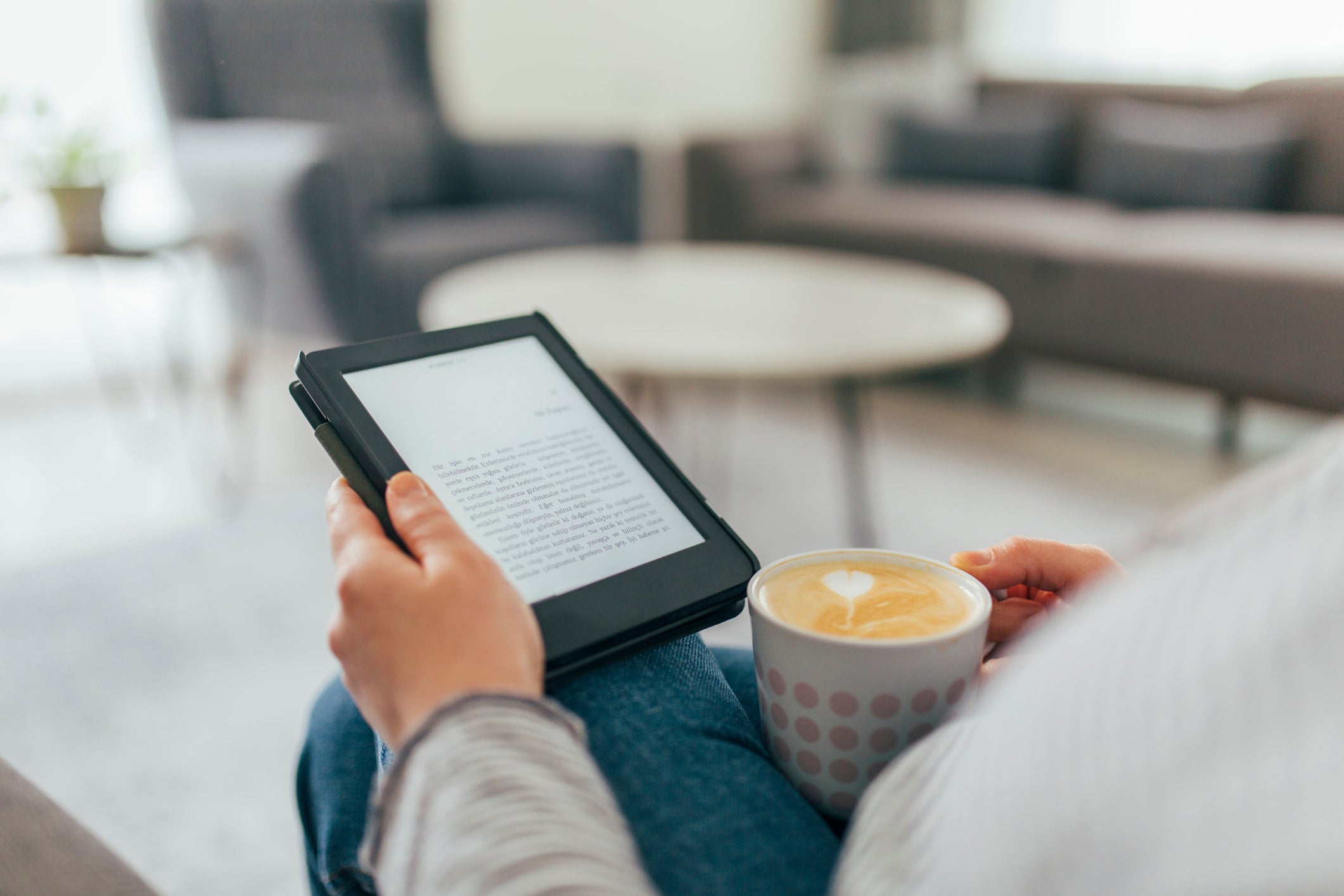
How did I go from someone who regularly binged on books in one or two sittings, to someone who barely opened one? Concentration shot by scrolling? Sure. Eyes struggling with teeny-tiny print? Absolutely. General life overwhelm, plus a job that requires making sense of a head-spinning news cycle all day? Yes, all of the above – but what was the solution?
When a friend told me to get a Kindle, I said absolutely not. I spent all day staring at screens; the last thing I wanted was to take one to bed. And I loved actual, real books. But, as she pointed out, loving them doesn’t count for much if you don’t actually read them.
So I gave in. I bought a Paperwhite Kindle – no blue light, no squinting – and, after a few early panics about losing my place, I took back control of my reading life. From Demon Copperhead to Colm Tóibín’s Long Island, and my absolute favourite read of the year, Hello Beautiful by Ann Napolitano, I’m back in my reading groove.
Better still, driven by the need to know what those characters are up to and how their stories end, I’m going to bed earlier and my sleep has improved as an unintended but very welcome side-effect. My imagination is fired, but my mind is calm and distracted from any whirring anxieties. Only by turning my reading brain back on have I been able to truly switch off. It has been life-changing. Victoria Harper
Meditating 20 minutes a day
I’ve always known that meditating works – my mum taught me to do yoga and meditate when I was just a child to calm my anxious mind – but I’ve always struggled to actually do it. Until last year, when I decided it was time to turn it into a daily commitment. As a perfectionist, I hate breaking promises – even to myself – so I knew that telling myself I had to meditate for 20 minutes every single day meant I really would.
I made it easy for myself, arranging my cushions so I could meditate without having to even leave my bed straight after I woke up. For the first couple of months, I did it reluctantly, dreading those 20 minutes of nothingness. But over time, I started to look forward to my morning stillness, eventually relishing the space to simply be, before getting caught up in non-stop messages, emails and errands.
Now, if I don’t meditate, I can instantly feel the difference; I’m more stressed, quick to react and generally anxious. But when I do meditate, I feel calmer all day, no matter how many emails come my way. I no longer meditate each day because I have to, but because I want to. Radhika Sanghani


