


There is such as a thing as a comfortable heel – just follow these expert rules


There are few things as excruciatingly painful as uncomfortable shoes. With every step, more skin scrapes from the back of your heel as blood pools by the balls of your feet. This unbearable agony has caused many a good woman to sit sadly on the side of the dancefloor, unable to enjoy her night. Or worse, rid herself of the offending footwear entirely and make the grime-covered journey back home barefoot. Ouch.
As the festive season continues, this feeling may become more frequent than usual. Between office Christmas parties, black tie dinners and New Years Eve merriment, reaching for a pair of demure kitten heels or elevated stilettos could now be on the cards once, or even twice, a week – and your toes are tired.
In fact, a survey conducted by the American Podiatric Medical Association (APMA) found that, of women who wear high heels, 71 per cent said their shoes hurt their feet. Some have even gone so far as to get botox injections in their heel bone to try and numb the pain away.
But it doesn’t have to be this way. As the fashion set have gradually eschewed trainers from their wardrobes in recent months in favour of smarter footwear, including loafers and heels, more and more videos have emerged on TikTok of women breaking their stilettos in at home before wearing them on a night out. One influencer can even be seen unloading the dishwasher and hoovering in hers. And guess what? It works.
Before a birthday party this December, I wore my black heels of choice around the house with wooly socks while doing the cleaning. By the time I wore them on a night out sans socks, I was able to walk, dance and even run over the course of seven hours without feeling an ounce of pain.
Harley Street’s Steven Thomas, who’s known professionally as The London Podiatrist, says there are plenty of strengthening exercises you can do to warm up your feet before you wear heels on a night out, rather than leaving it up to fate and being left incapacitated by going in cold turkey.
These include going up onto tip toes and back down again, clawing your toes down and picking up a towel from the floor, and hopping on one foot and changing foot – all for three sets of 10 per day. “Do smaller repetitions to begin with if you need, then gradually build,” he recommends.
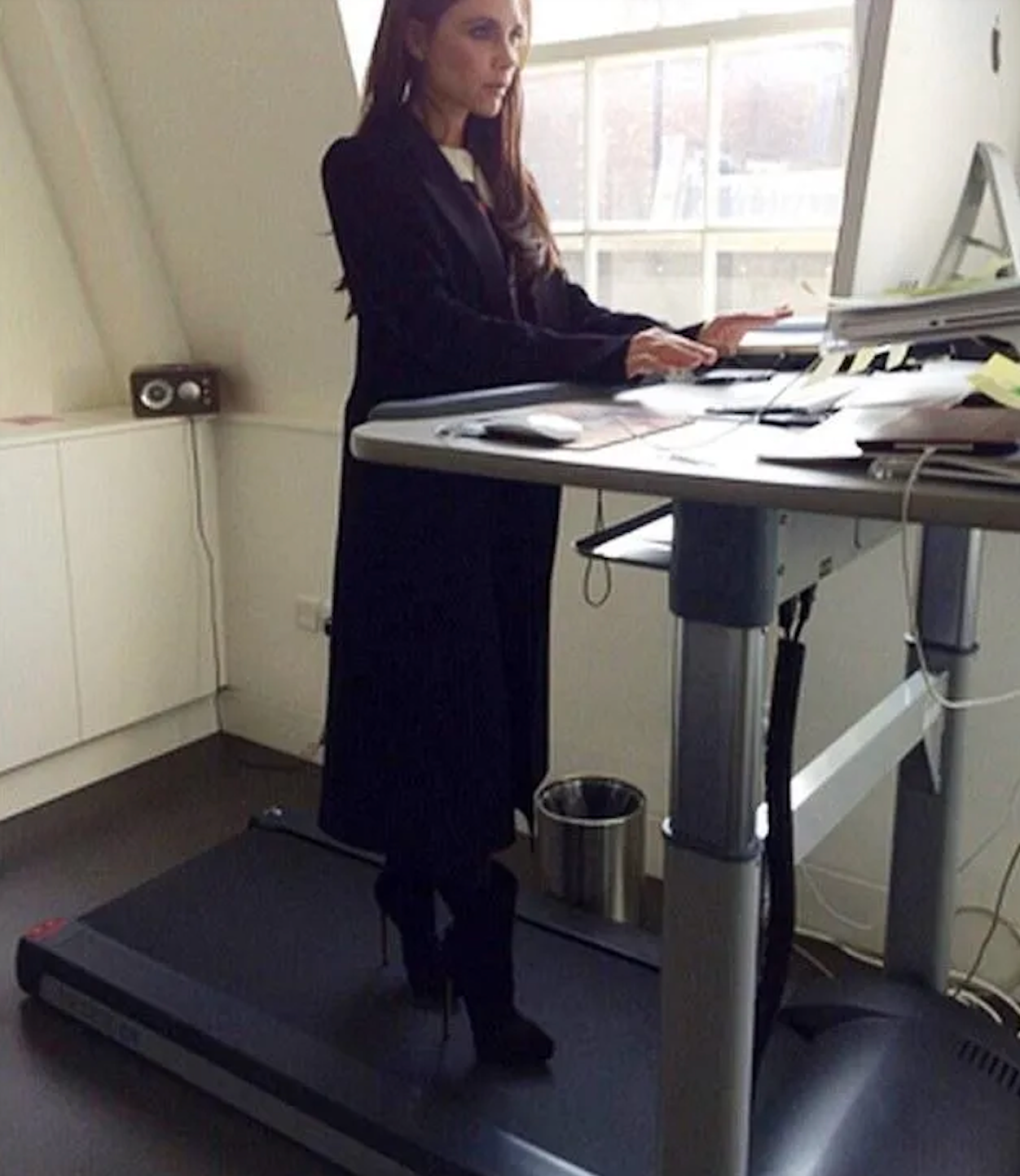
Thomas adds that the narrower the heel, the more challenging it will be to wear and, as height increases, so does the forefoot pressure, making it harder work to prevent your ankle from rolling. “Balance is further challenged with a narrower heel,” the foot and ankle specialist adds.
“Heels usually have narrow toe boxes that squash the toes together,” Thomas continues. “Ensure they accommodate your foot shape. Breaking them in over short periods around the house first can help. Plus, if you have common friction and blistering areas, you can prevent this by using Compeed blister plasters or zinc oxide taping. But remember, adding padding increases bulk and reduces available space for your feet.”
It’s not breaking news that the shorter and wider a heel is, the more comfortable it may feel. The problem there is that then you’re left with something that’s quite (sorry) ugly. Which leads for me to turn to dancers, who – if Dua Lipa’s tour routines are anything to go by – are entirely unphased by getting up on stage in four inch heels for nights on end with absolutely no hobbling in sight.
Heel dance classes have been growing in popularity since the mid 2000s when choreographer Shirlene Quigley began teaching routines at the Millennium Dance Complex in Los Angeles in 2008. By the 2010s many studios were offering the class on their timetables, which saw participants learn stiletto-clad choreography to everything from Doris Day to Beyoncé – without taking a tumble.

30-year-old Alexis from Birmingham, who started taking heel classes in 2019, reveals that many heels designed for the dancefloor swap out any designs that are thin and strappy in favour of lace up material higher up the leg or zips close to the ankle to support the dancer and prevent injuries. “You could absolutely wear them on a night out – but I don’t think they’d go with many outfits,” she laughs.
“However, confident and professional heel dancers will wear court shoes or knee high stiletto boots that they’d wear on a night out to dance in,” she adds. “I think dancing in heels has made me able to wear normal heels for way longer without my feet hurting.”
So there you have it, practice makes perfect.
This being said, as pretty as heels are, they’re not something anyone should be wearing every day – even with experience. “As a foot specialist, I don’t recommend heels as a daily shoe,” says Thomas. “But the reality is that party time is about style over comfort. Just be aware of the main principles so that you can minimise injury risk. My final tip? Enjoy yourself!”
If only it were that easy.


