


Top 10 Longest Roads In The World


Roads help people travel from one place to another, support trade, and connect cities, countries and even entire continents. Different nations have built long road networks to make travel easier and improve connectivity. These long highways support economic growth, link remote areas to major towns, and give travellers a chance to explore different culture and landscapes. Here’s a look at the 10 longest roads in the world.
Pan-American Highway: It is the longest road network in the world. It stretches from Prudhoe Bay in Alaska (USA) to Ushuaia in Argentina. It covers around 30,000 miles (48,000 km). It passes through several countries in North, Central, and South America. It also crosses different climates and terrains and plays a pivotal role in connecting the Americas. (Image: Canva)
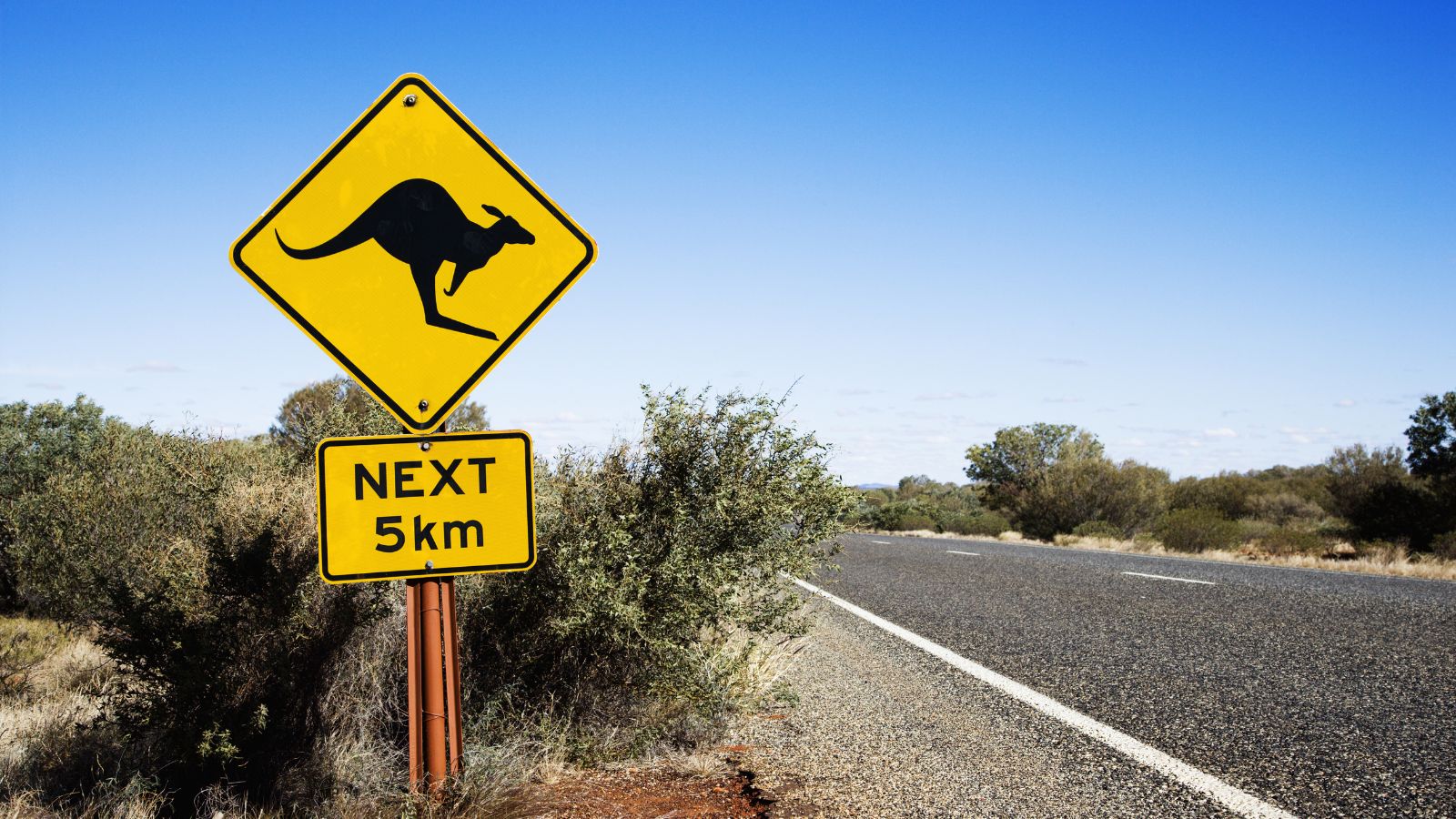
Highway 1, Australia: It circles the entire continent. It connects major cities and small towns, covering 14,500 km. The highway passes through coastlines, deserts, forests, and rural areas, making it one of the longest and most important road routes in the world. (Image: Canva)
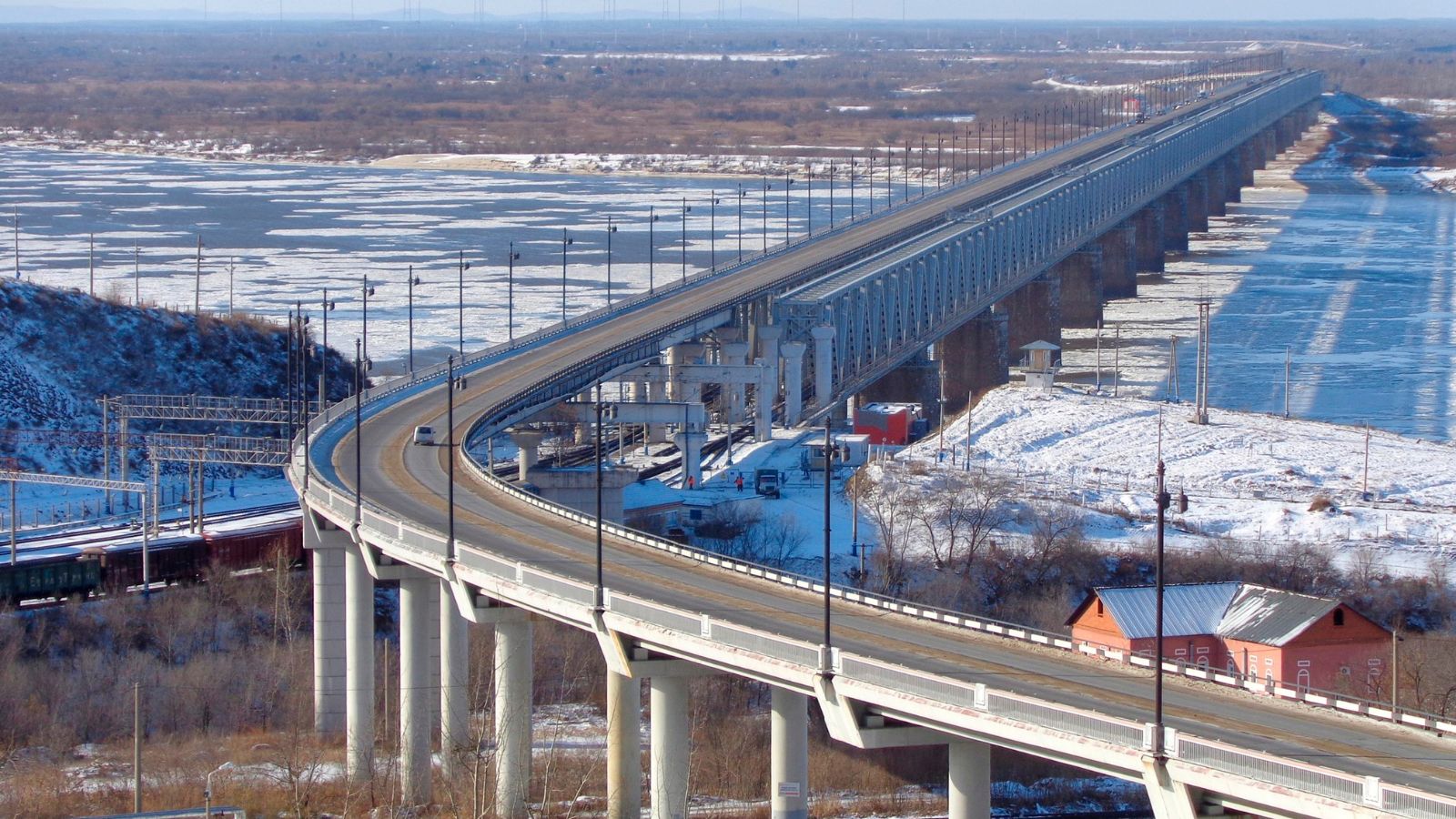
Trans-Siberian Highway, Russia: It runs across Russia from St. Petersburg in the west to Vladivostok in the east. It stretches more than 11,000 km, crossing multiple time zones and showcasing Russia’s diverse geography and cultural regions. (Image: Canva)
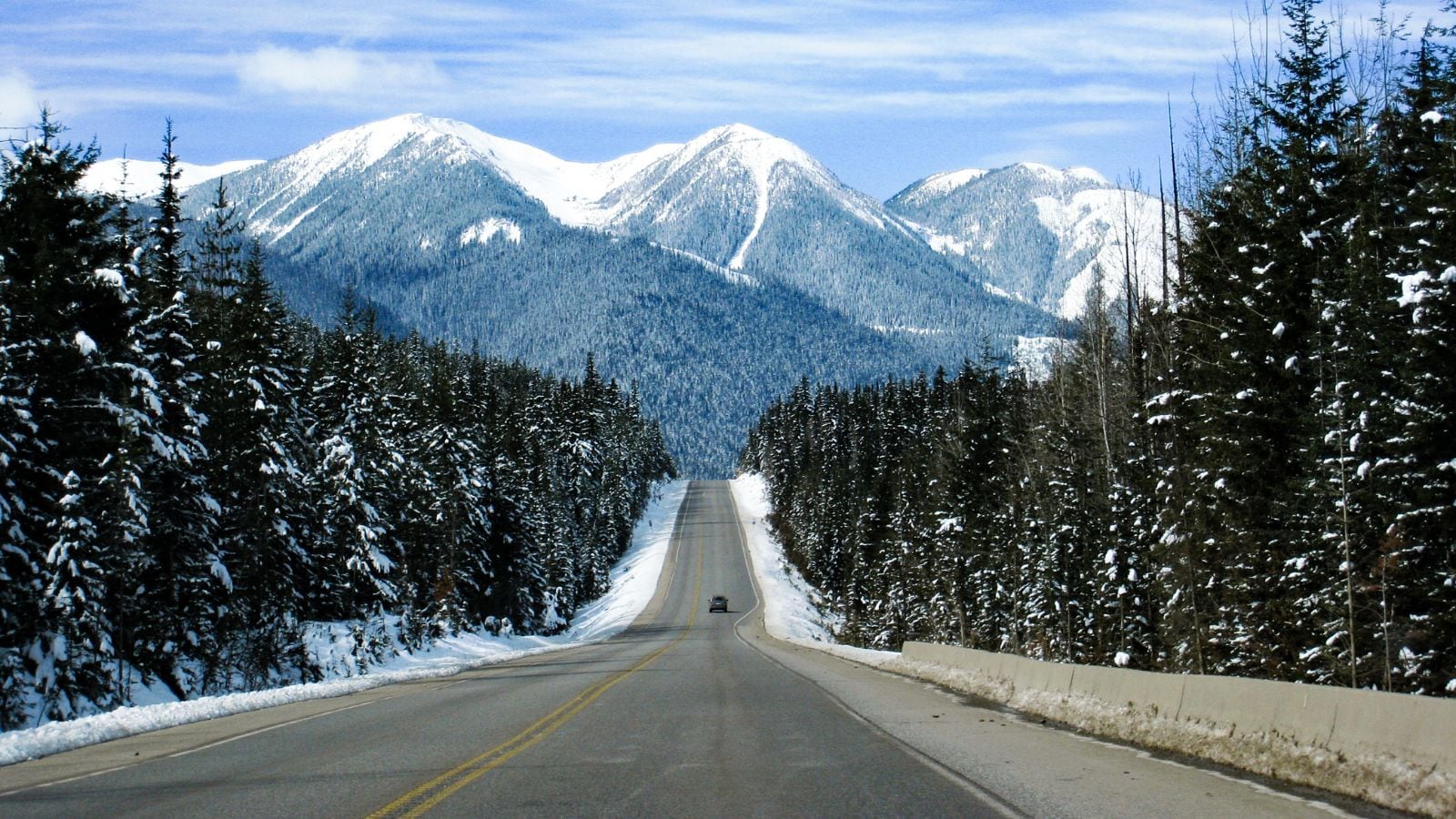
Trans-Canada Highway: It spans from the west cost to the east cost of Canada. It spans 7,821 km and traverses all 10 provinces. It connects major cities such as Vancouver, Calgary, Toronto, Ottawa, and Montreal. It offers scenic views of mountains, lakes and forests. (Image: Canva)
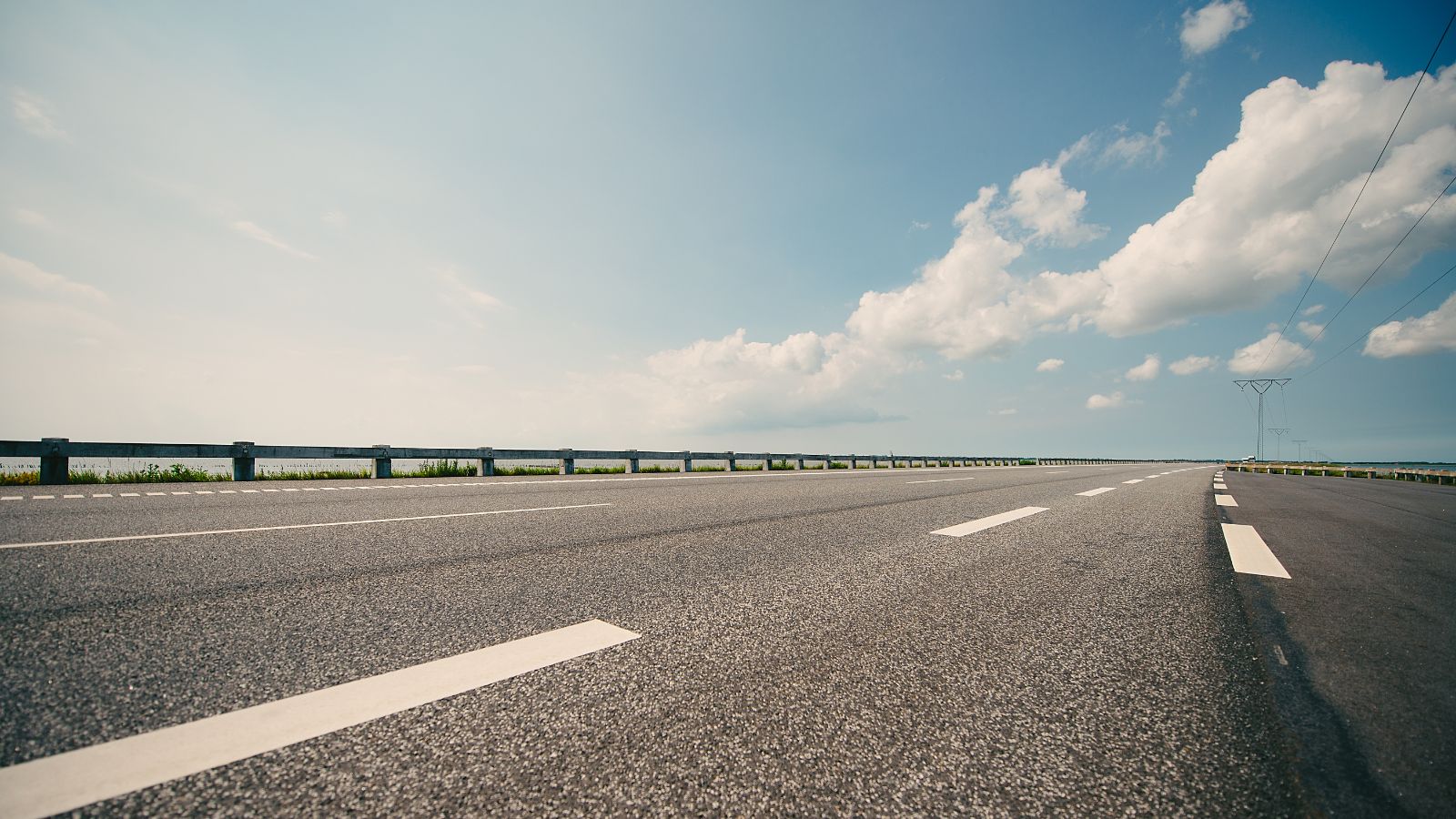
Highway 10, China: The Beijing–Shanghai Motorway (G10) is a major Chinese highway, stretching 4,100 km (2,550 miles) between Beijing and Shanghai. It serves as a vital corridor for trade and travel, connecting several provinces along its route. The motorway plays a crucial role in supporting economic activity, passenger movement, and the efficient transport of goods across eastern China. (Image: Canva)
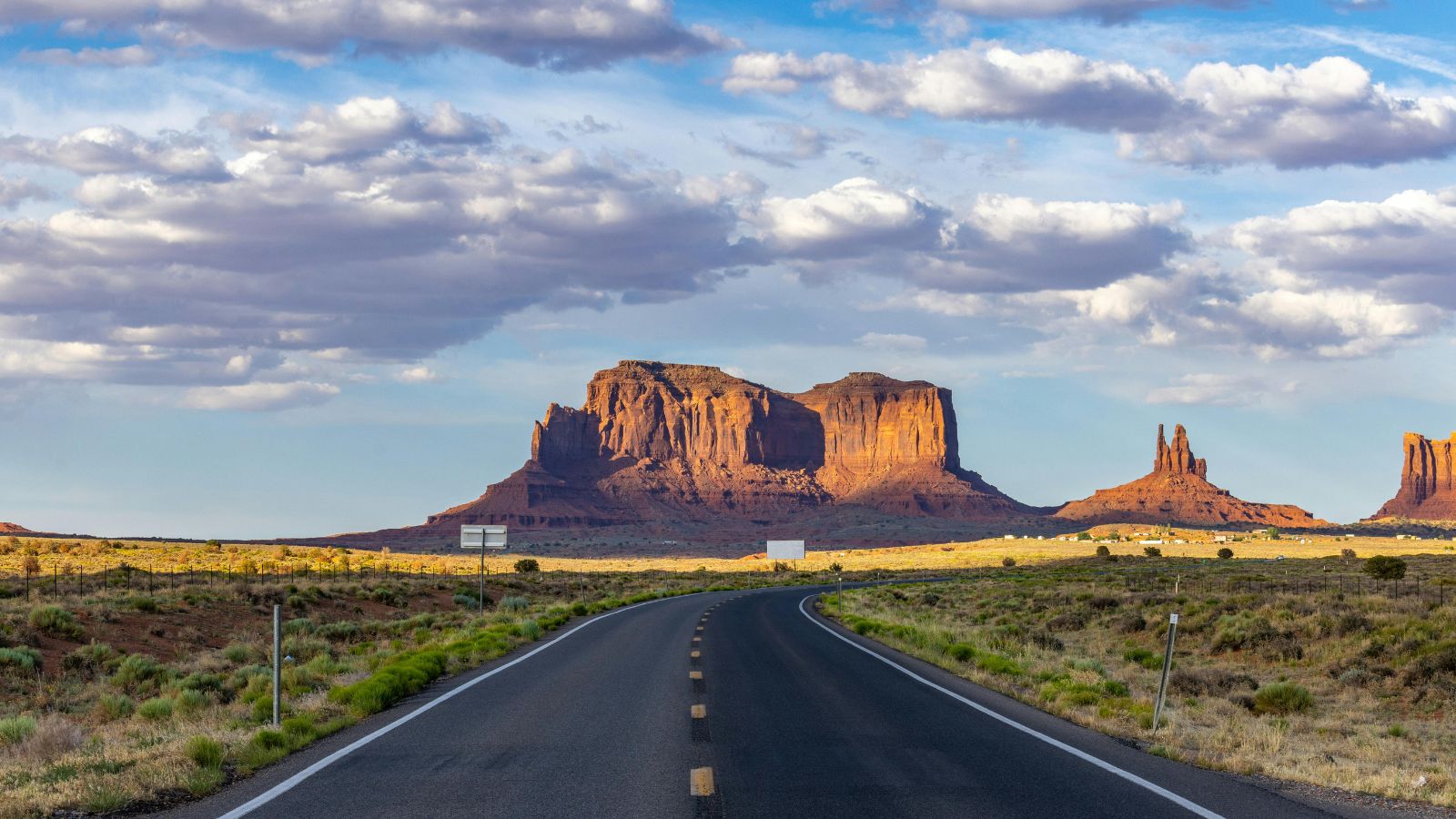
US Route 20, United States: The longest road in the United States, stretching about 5,415 km (3,365 miles) from Boston, Massachusetts, in the east to Newport, Oregon, in the west. It passes through 12 states, linking major cities and rural areas alike, and serves as a key route for cross-country travel, commerce, and regional connectivity. (Image: Canva)
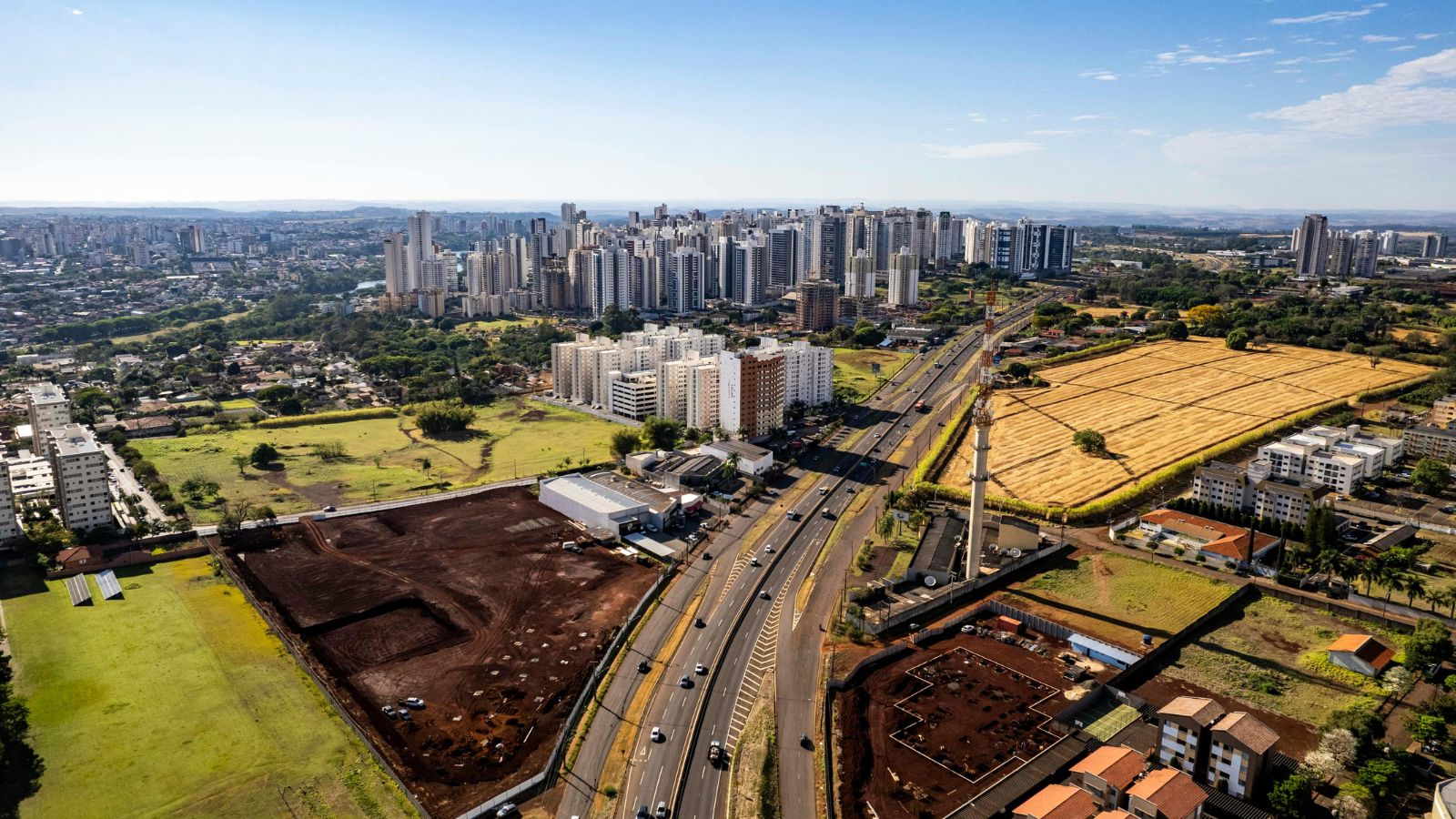
Highway 1, Brazil: One of the country’s longest and most important highways, stretching over 4,800 km (about 2,983 miles) along Brazil’s eastern coast. It connects key cities from north to south, supporting trade, tourism, and regional connectivity, and plays a vital role in linking ports, industrial hubs, and urban centers across multiple states. (Image: Canva)
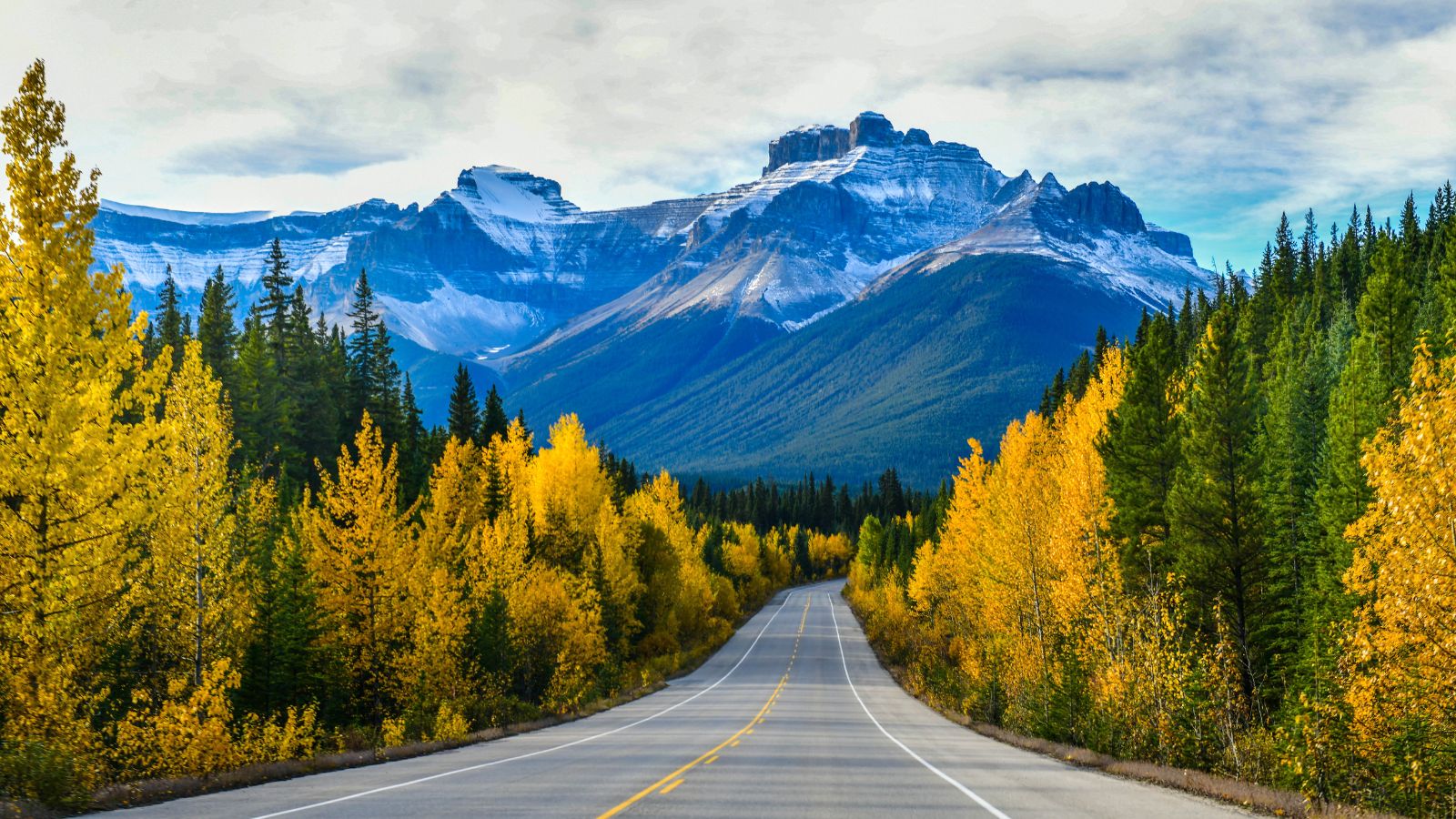
Highway 1, Canada: The main route of the Trans-Canada Highway system, stretching approximately 8,030 km (4,990 miles) from Victoria, British Columbia, to St. John’s, Newfoundland and Labrador. It links all ten provinces, connecting major cities and regions, and serves as a vital corridor for trade, travel, and national connectivity across Canada. (Image: Canva)
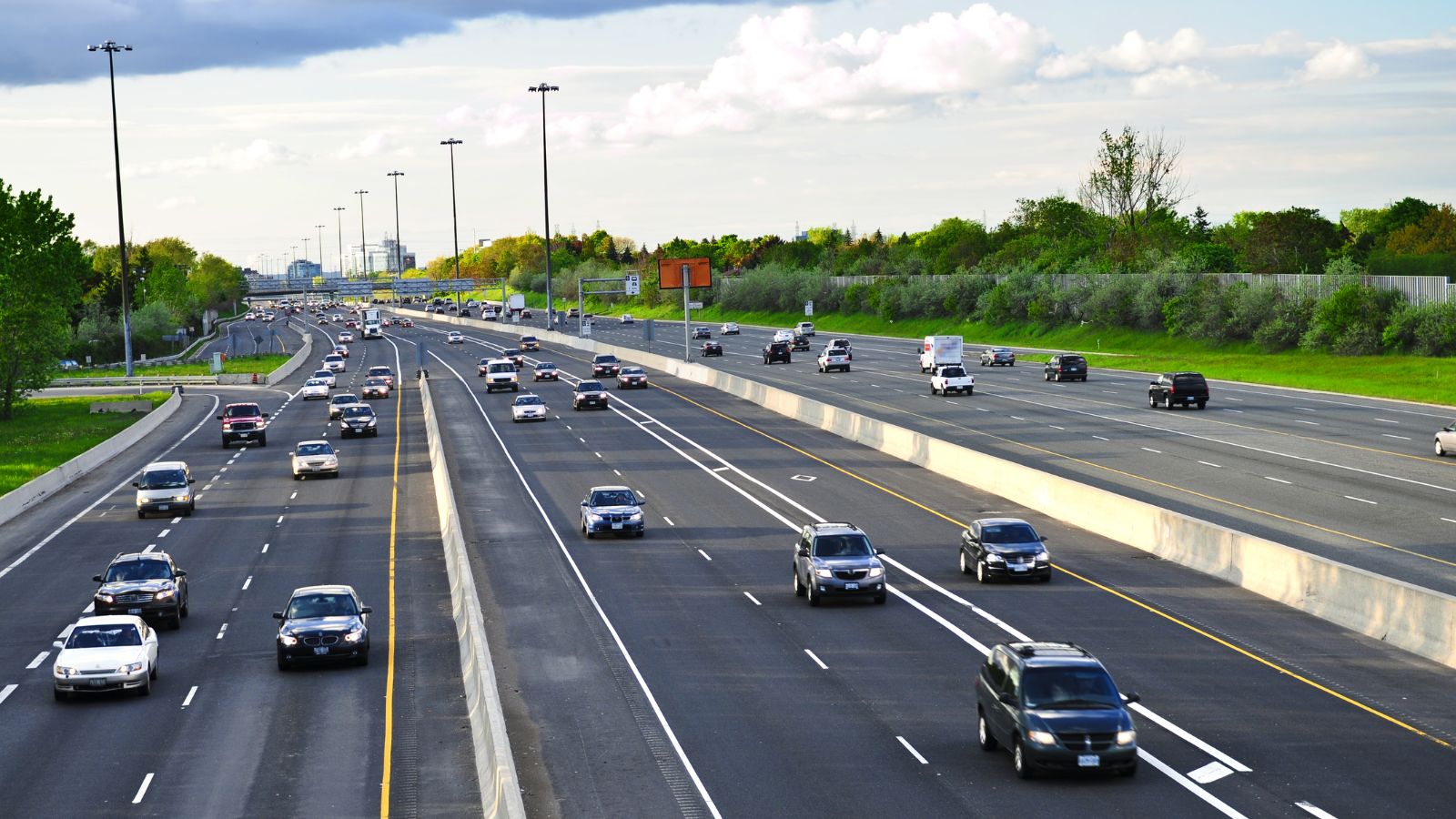
Golden Quadrilateral, India: A highway network connecting India’s four major cities—Delhi, Mumbai, Chennai, and Kolkata—forming a quadrilateral. Spanning about 5,846 km (3,633 miles), it links key industrial, cultural, and economic hubs, facilitating faster transport, trade, and travel. It is one of India’s largest infrastructure projects, boosting connectivity and regional development across multiple states. (Image: Canva)
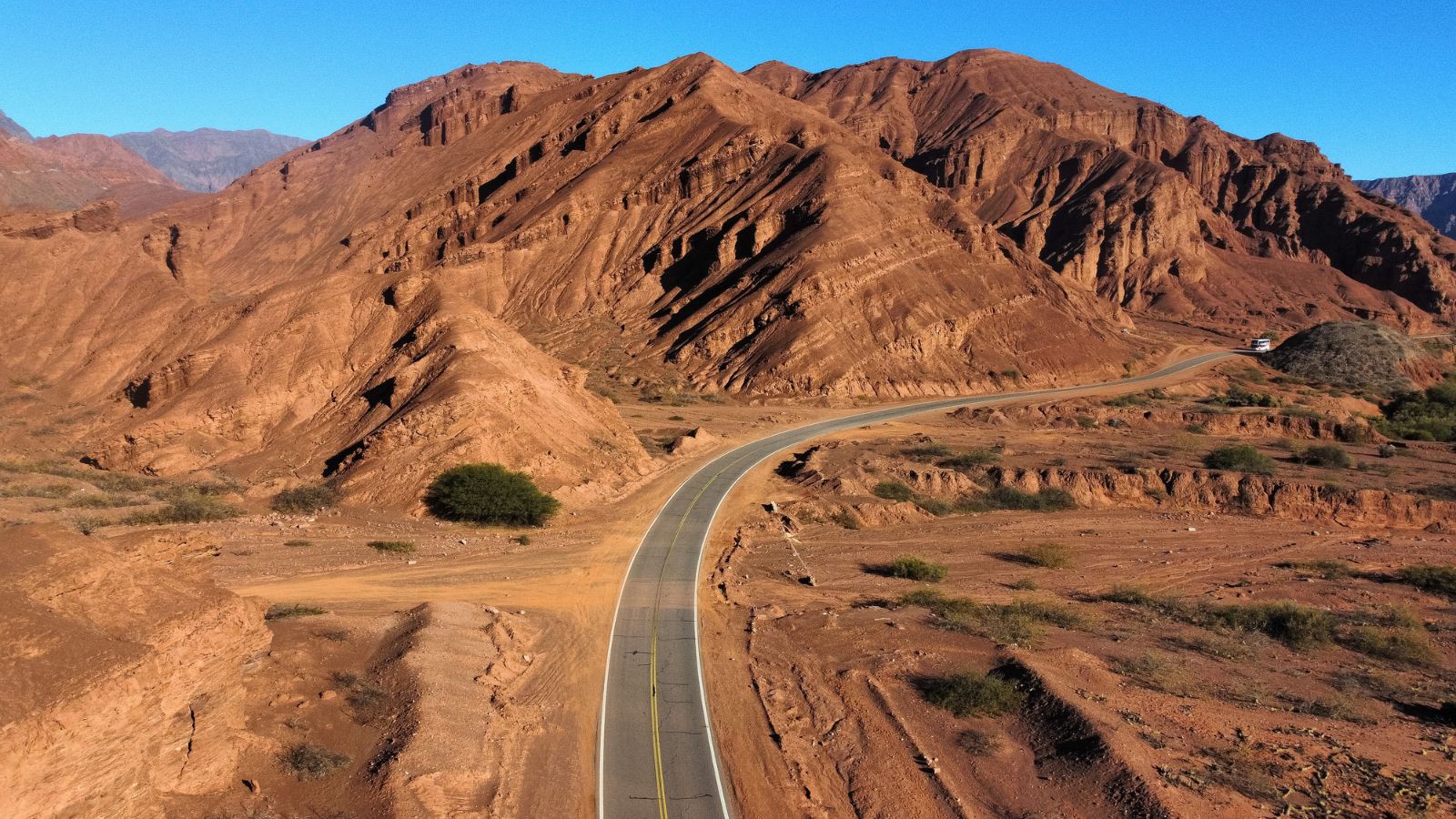
Highway 1, Argentina: A major road connecting Buenos Aires with key coastal cities in the Buenos Aires Province. Though shorter than some of the world’s longest highways, it plays a crucial role in regional transport, linking industrial zones, ports, and tourist destinations while supporting commerce and local travel along Argentina’s eastern corridor. (Image: Canva)


