


Valentino and the secret behind the last emperor of fashion’s throne


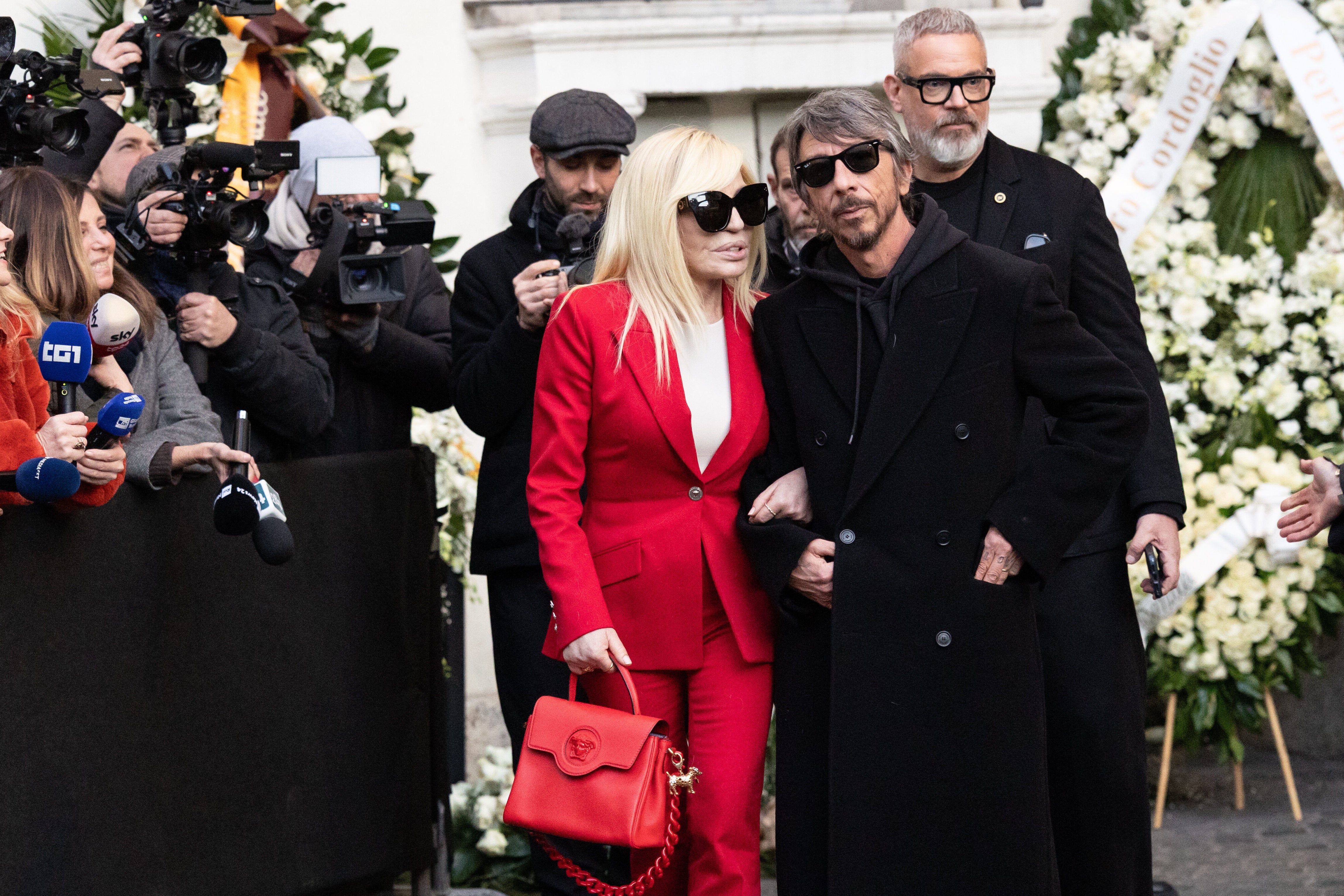
Today in Rome, the great and good of fashion and film gathered for the funeral of the Italian fashion designer Valentino Garavani, who died aged 93 on Monday. From Anna Wintour, Tom Ford and Donatella Versace, to Anne Hathaway, Natalia Vodianova, Olivia Palermo and Liz and Damian Hurley, the guests dressed to ensure the designer was sent off in a suitable atmosphere of impeccable elegance, for which he was famed (Damian Hurley added a Valentino-red scarf in tribute). As Hathaway wrote on Instagram this week, “Now he rests forever surrounded by eternal beauty, a most fitting next chapter for the one true Emperor who gifted us all a legacy of unparalleled magnificence.”
Indeed, after a half-century career in fashion, “emperor” became something of a moniker for Valentino. The American director Matt Tyrnauer of the 2008 documentary, Valentino: the Last Emperor, which shone a light onto his design process and lifestyle, explained at the time that “he lives as lavishly as his clients and set a standard for the industry. He shuts out all that is not beautiful”. As well as a 152ft superyacht and private jet (once apparently used to fly mozzarella into one of his parties), Valentino had a portfolio of properties in London, New York, Rome, Tuscany, Gstaad and France.
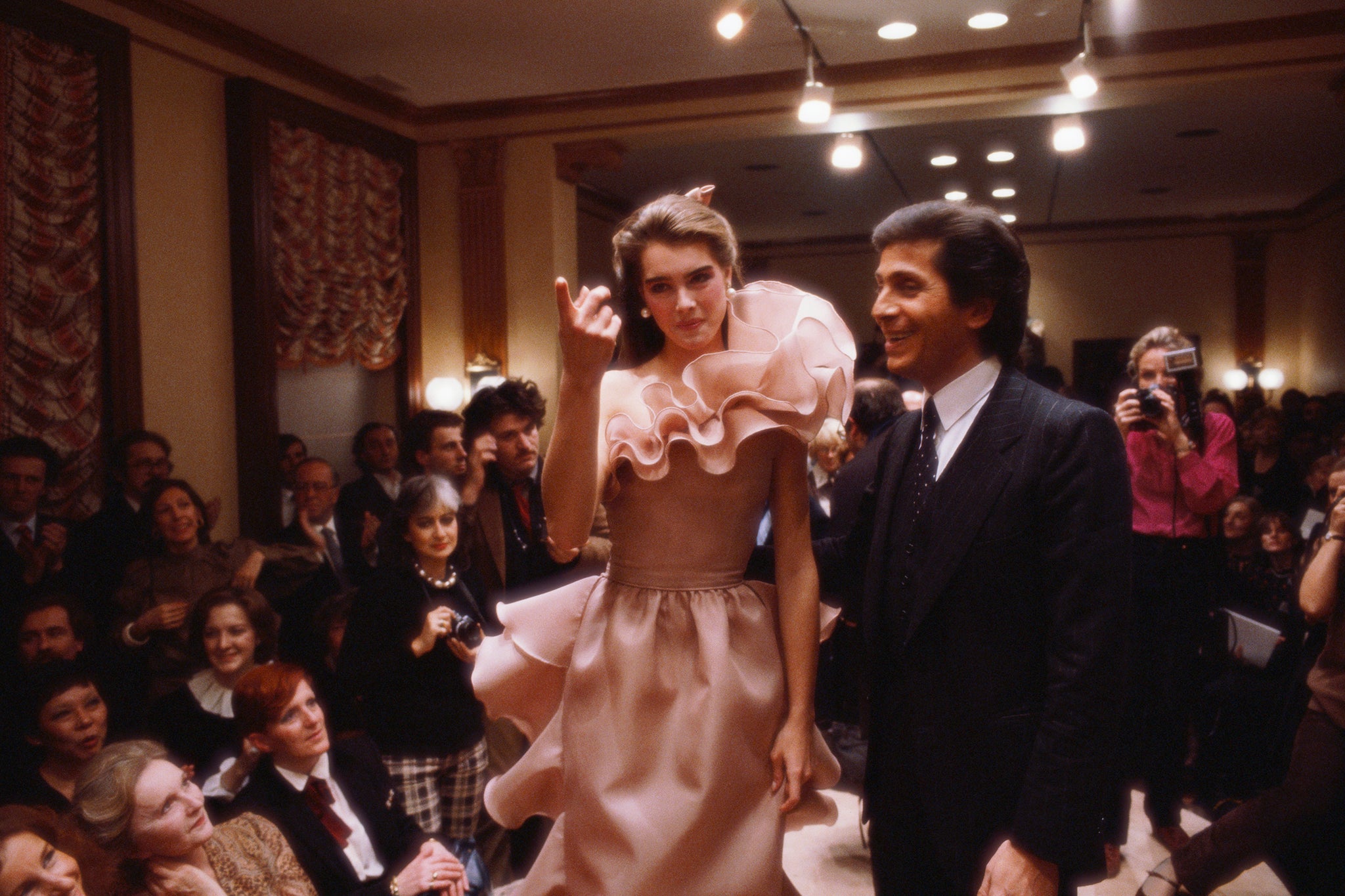
“He was the last of an era,” explains the renowned fashion journalist Suzy Menkes, who attended his funeral (last year Menkes co-wrote Valentino: A Grand Italian Epic with Matt Tyrnauer). “This was a designer who loved being part of the story; he was very much personally involved. Everything was about the client, and they felt that he was a friend as well. That made him exceptional. That era doesn’t exist any more.”
Menkes has also been privy to Valentino’s legendary hosting, where, of course, his couture clients were also often in attendance: “I was invited to a celebration of his collection at his very grand house in the French countryside [near Paris]. I’ve been invited to some pretty grand places, but the whole thing was just out of this world. The house was enormous and the garden was also perfection – I had the feeling that he put as much trouble into his garden as he did the clothes.” Beauty, Valentino once said, was his religion.
It was this passion for beauty that explains Valentino’s enduring influence in fashion – he may have stopped designing for his eponymous fashion label in 2007 (having launched it in Rome in 1960), but the brand remains synonymous with “being camera-ready”, says Alistair O’Neill, professor of fashion at Central Saint Martins.
“He met his life and business partner, Mr Giammetti, in 1960 outside a cafe on Via Veneto in Rome, where Federico Fellini created La Dolce Vita. That was the origin of the paparazzi, the idea of your every move always being seen. Valentino’s clothes address that idea of faultless presentation.”
Harnessing fashion to be camera-ready meant, in Valentino’s eyes, avoiding faddy trends, prints and aesthetic fussiness. It instead relied on timeless elegance, block colours, and, of course, Valentino red, a mix, says O’Neill, of carmine and poppy red that flattered everyone. “I know what women want,” Valentino once said. “They want to be beautiful.”
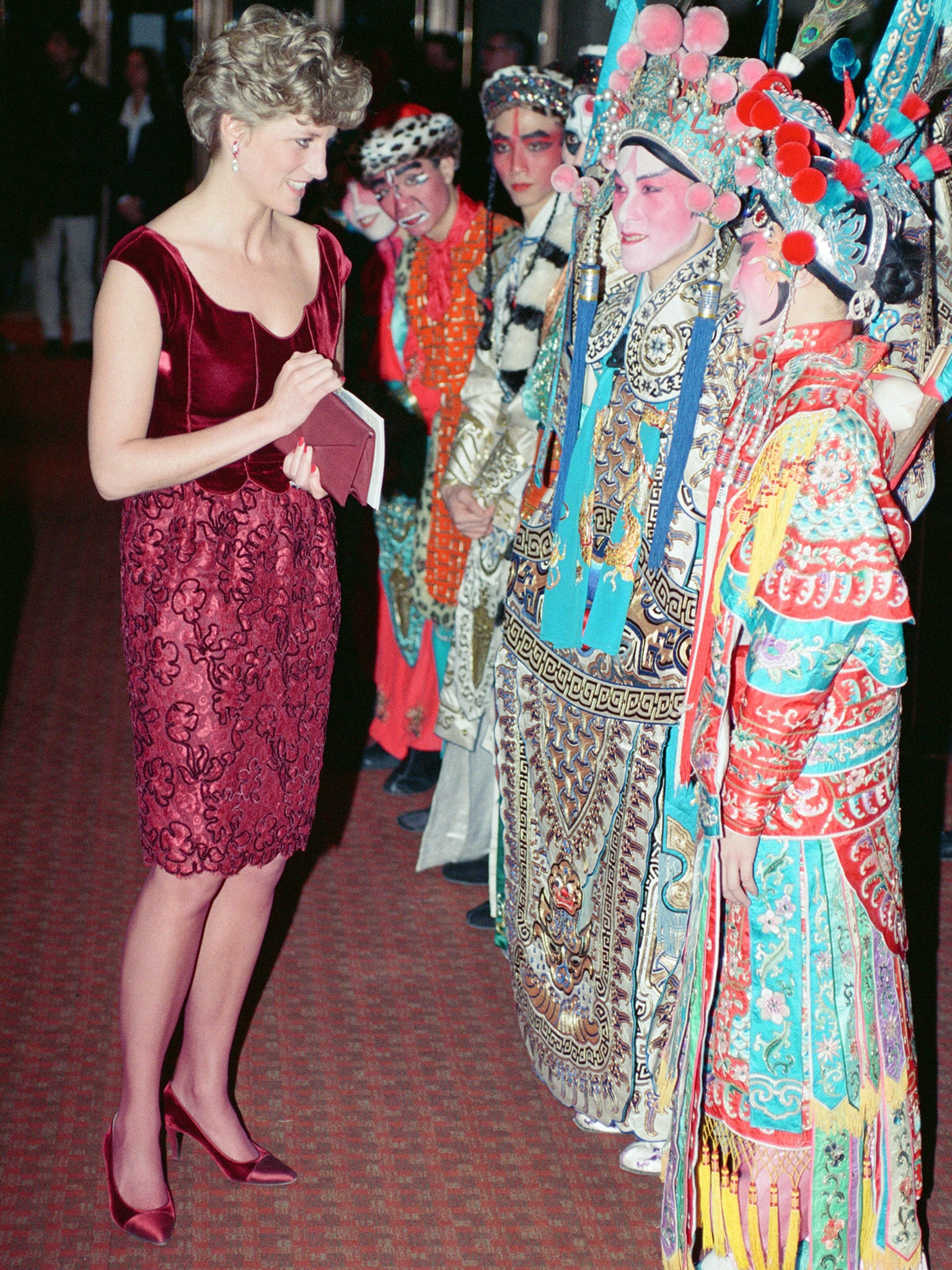
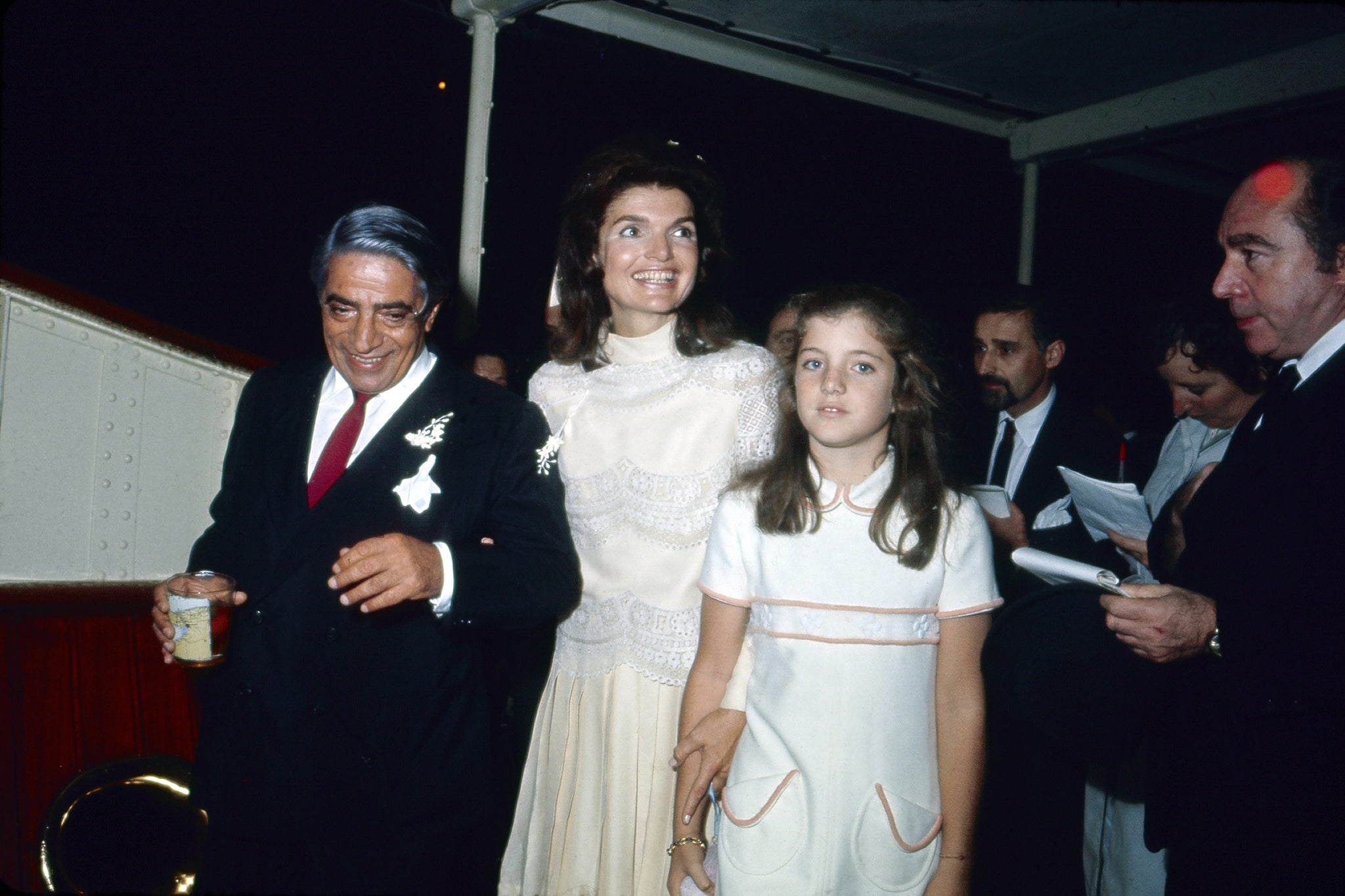
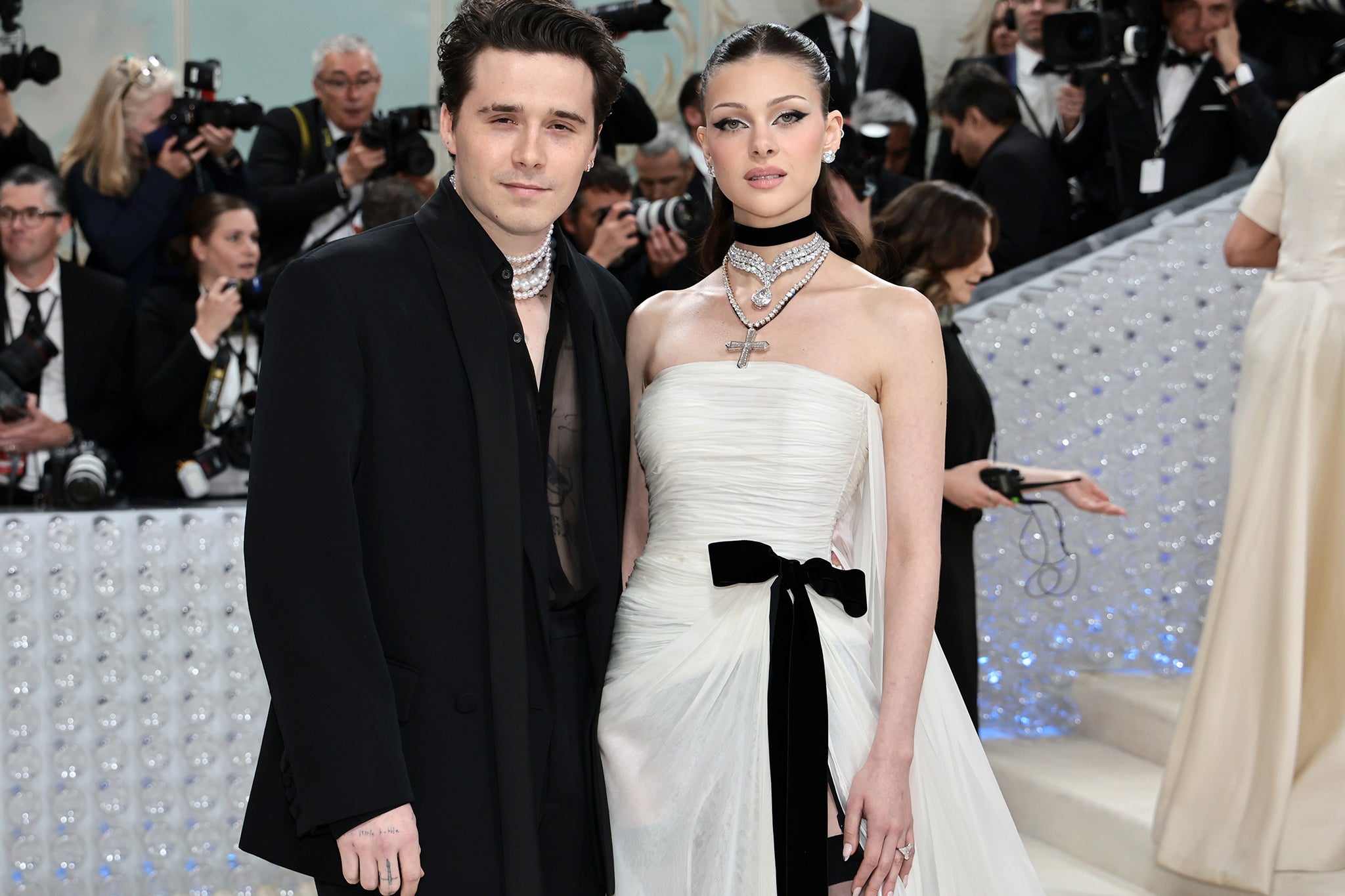
Never absent from the red carpet, Valentino’s designs have over the decades been loved by galaxies of celebrities, from Elizabeth Taylor, who wore Valentino couture for the premiere of Spartacus, to Jackie O, who married Aristotle Onassis in a Valentino couture ivory lace skirt suit, to Princess Diana, Gwyneth Paltrow, and – infamously all of a sudden – the American heiress Nicola Peltz, who did not wear her mother-in-law Victoria Beckham’s design for her 2022 wedding to Brooklyn Beckham, but instead a Valentino bridal gown with an epically large train and veil designed by its then creative director Pierpaolo Piccioli.
Born to a middle-class family in 1932 in Lombardy, Valentino’s father was a businessman who sold electrical supplies, while his mother was cultured and supportive (he was named after the Italian actor Rudolph Valentino); his parents supported him financially in the early days. Valentino was interested in clothing from a young age: “Even as a young boy, my passion was to design,” he once said; while still at primary school, he would help his aunt Rosa and another local dressmaker with their creations.
Aged 18, he trained in haute couture at Paris’s École des Beaux-Arts and the Chambre Syndicale; after apprenticing with French couturiers Jean Dessès, Christian Dior and Guy Laroche, he set up his label in Rome with Giametti in 1960. “What’s interesting is that he was an Italian couturier but was trained in France,” says O’Neill. “It’s that particular mix that made him really special. He redefined what Roman couture stood for – at the time, [the clientele] was this curious mix of Italian aristocracy and American starlets. He combined his designs with Parisian codes of elegance.”
His enduring relationship – both personal and in business – with Giammetti was, says O’Neill, “a very important part of his success; they were life partners for the majority of their lives”. Handling the business side of things, Giammetti allowed Valentino to get on with the design side of things: “He brought peace of mind to Valentino.” O’Neill, who met Valentino several times in the run-up to the 2012 Somerset House exhibition, Valentino: Master of Couture (which O’Neill co-curated), says Valentino “was a very private man, and one of very few words – he was very much invested in the look of things. It was almost a philosophical engagement. Mr Giammetti wanted to keep that very pure for him”.
When Valentino retired in 2008, his design proteges Maria Grazia Chiuri and Pierpaolo Piccioli, both Italian, were named co-creative directors of the label, with Piccioli becoming sole creative director when Chiuri left for Dior in 2016: “You have to understand that Pierpaolo and Maria Grazia came up through Valentino,” explains O’Neill. “They were accessories designers before they came to couture.” That very Italian idea of family is, adds O’Neill, “very strong at Valentino”. It’s a similar story in the couture atelier, he explains. “The ‘ragazzi’ [ie, the ‘girls’ – the highly experienced couture seamstresses], who are now in their sixties and seventies, have worked at Valentino all their career. That seamstress who made a particular dress design in 1978, say, could be the same person making one today.”
It all contributes to the clear brand vision that we see on the red carpet today and to Valentino’s enduring fashion legacy. In 2010, Valentino said to a fashion journalist, “I hope people will say, ‘Mr Valentino, he did something for fashion, no?’” Yes, Mr Valentino, we can probably say that.


