


Welcome Goddess Lakshmi This Diwali By Lighting Diyas In These Corners Of Your Home


Last Updated:
If you are preparing your home for Diwali, here are some Vastu tips to consider before arranging the decorations and lighting the diyas.




The main door is traditionally considered an important point through which positive energy enters the home.
Every Diwali, the entrance to a home gets its own festive makeover. From fresh flowers and colourful rangolis to decorative torans and rows of earthen diyas, even the smallest details are chosen with care. But when it comes to welcoming Goddess Lakshmi, the way you decorate your main door and position your diyas matters.
According to traditional Vastu beliefs, certain directions are considered more auspicious for lighting lamps, while keeping the entrance clean, bright and inviting is equally significant. If you are preparing your home for Diwali, here are some Vastu tips to consider before arranging the decorations and lighting the diyas.
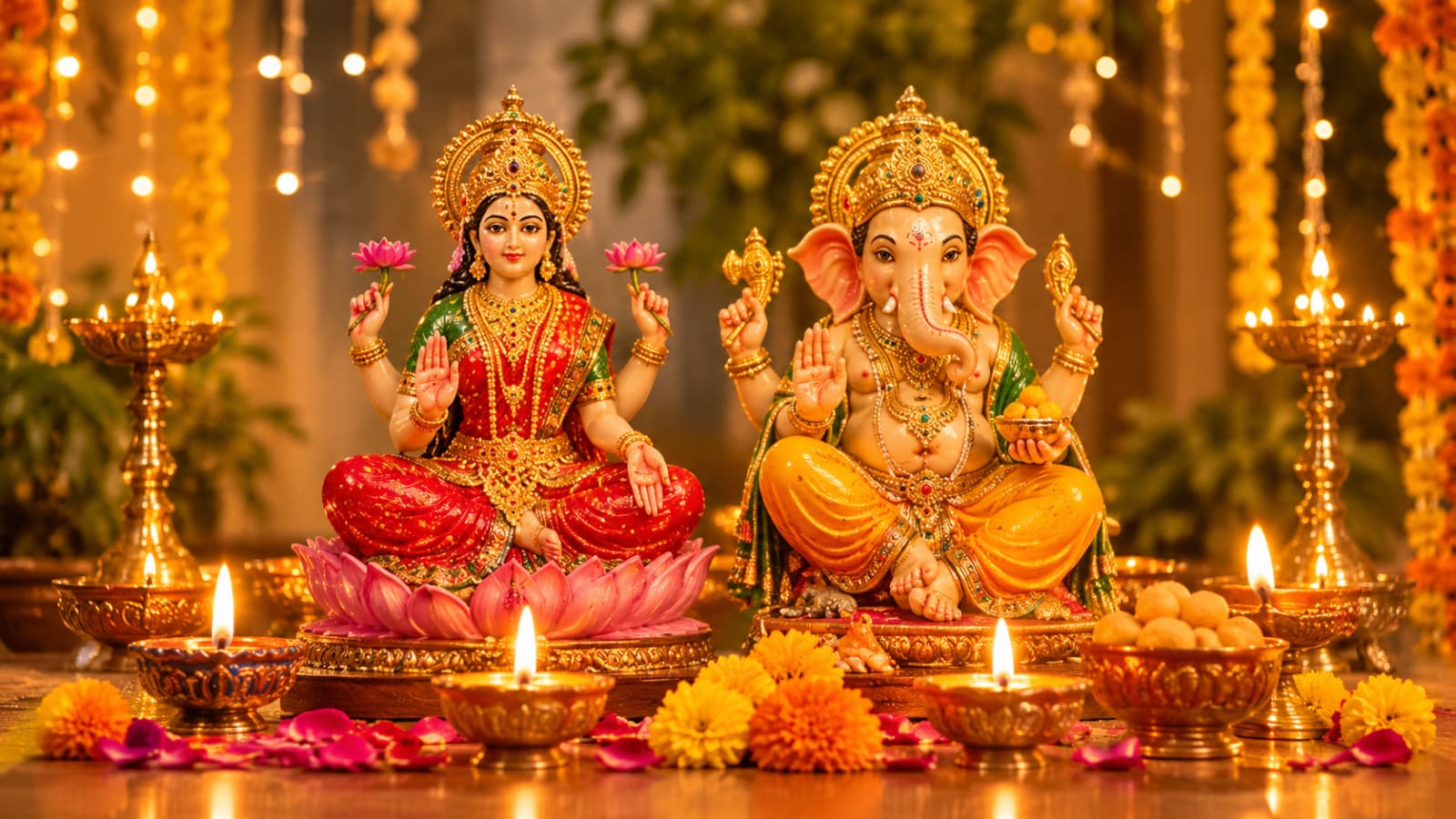
Keep The Main Entrance Clean And Clutter-Free
The main door is traditionally considered an important point through which positive energy enters the home. Start by clearing footwear, unused objects and other clutter from the entrance. Repair damaged areas, remove dried or broken plants and ensure the doorway is well-lit.
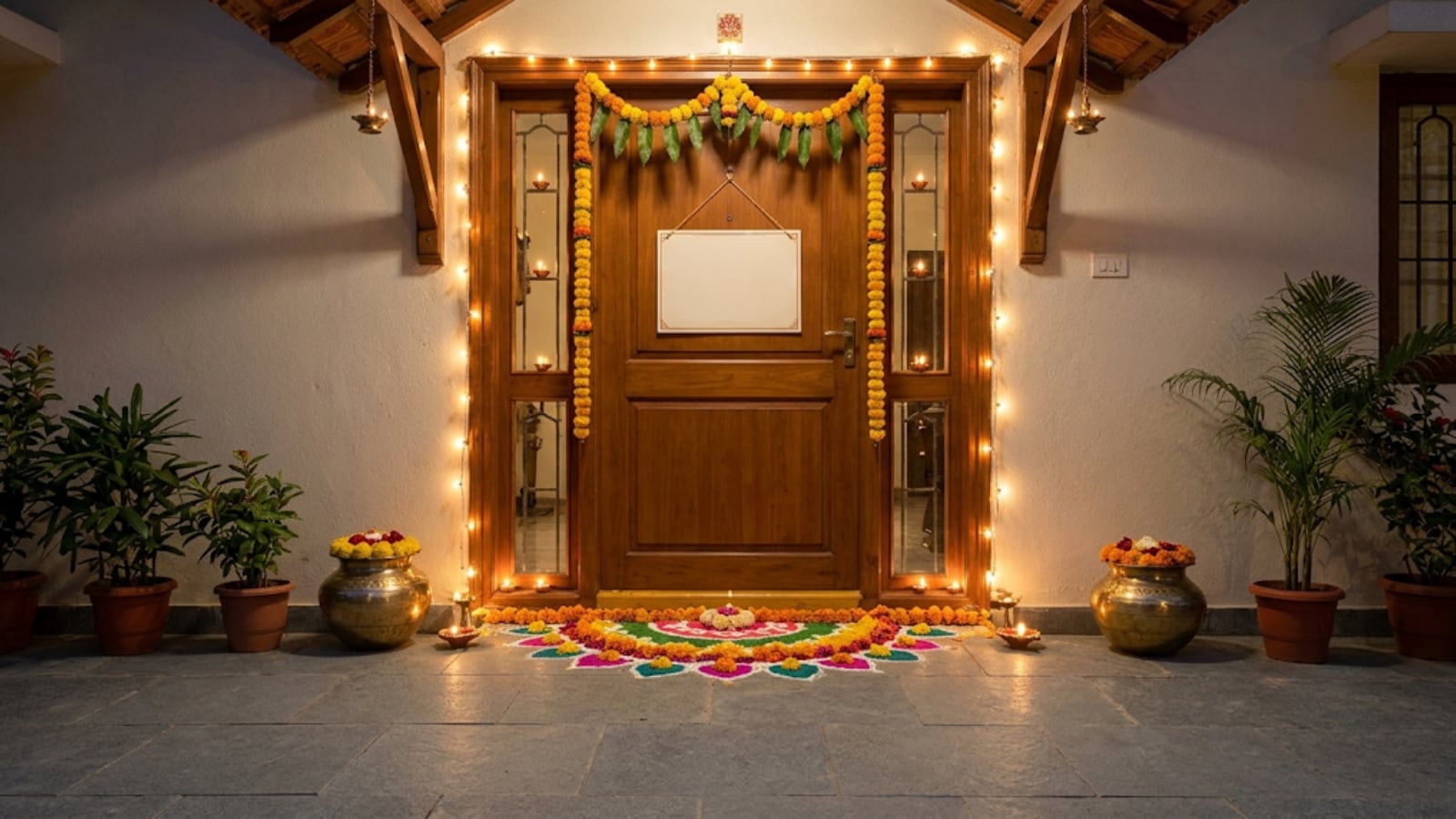
A colourful rangoli near the threshold is another traditional way to welcome Goddess Lakshmi. You can also decorate the door with a toran and place an auspicious symbol such as Om or Swastik near the entrance, in keeping with household customs.
Place Diyas On Either Side Of The Main Door
One of the commonly followed Diwali Vastu practices is placing a diya on either side of the main entrance. This is believed to symbolise an invitation to prosperity and good fortune.
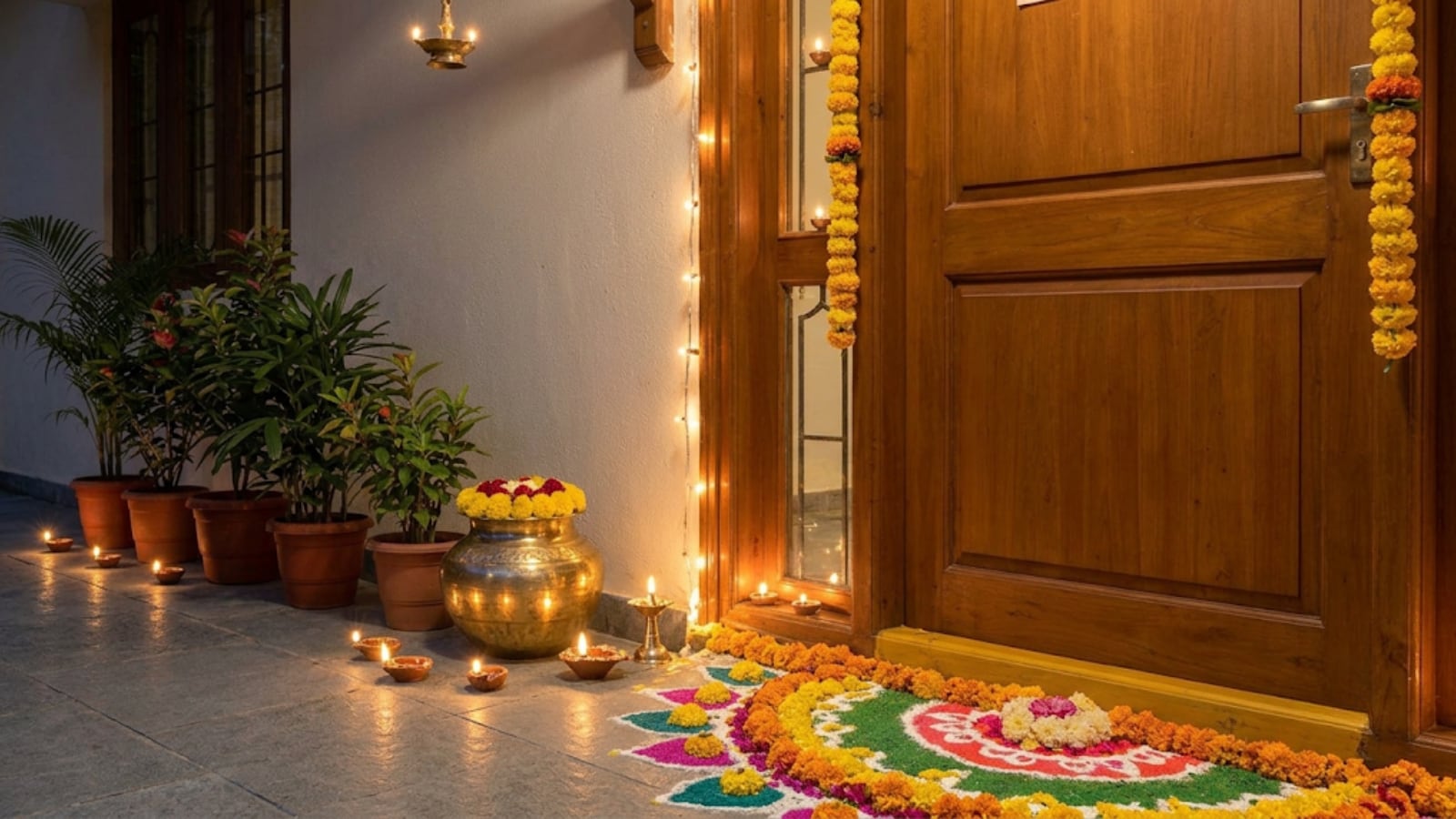
Choose stable, raised surfaces where the lamps will not obstruct people entering or leaving. If you live in an apartment, place them just inside your doorway rather than in a shared corridor. You can also arrange a few diyas around the edges of your rangoli.
Choose Auspicious Directions For Lighting Diyas
According to traditional Vastu guidelines, the north-east, east and north directions are considered favourable for lighting diyas. The north is associated with Lord Kubera and prosperity, while the east is linked to the rising Sun, health and well-being.
The north-east, also known as the Ishan corner, is traditionally considered suitable for the puja area. Light the main diya near the idols or pictures of Goddess Lakshmi and Lord Ganesha, following your family’s puja customs.
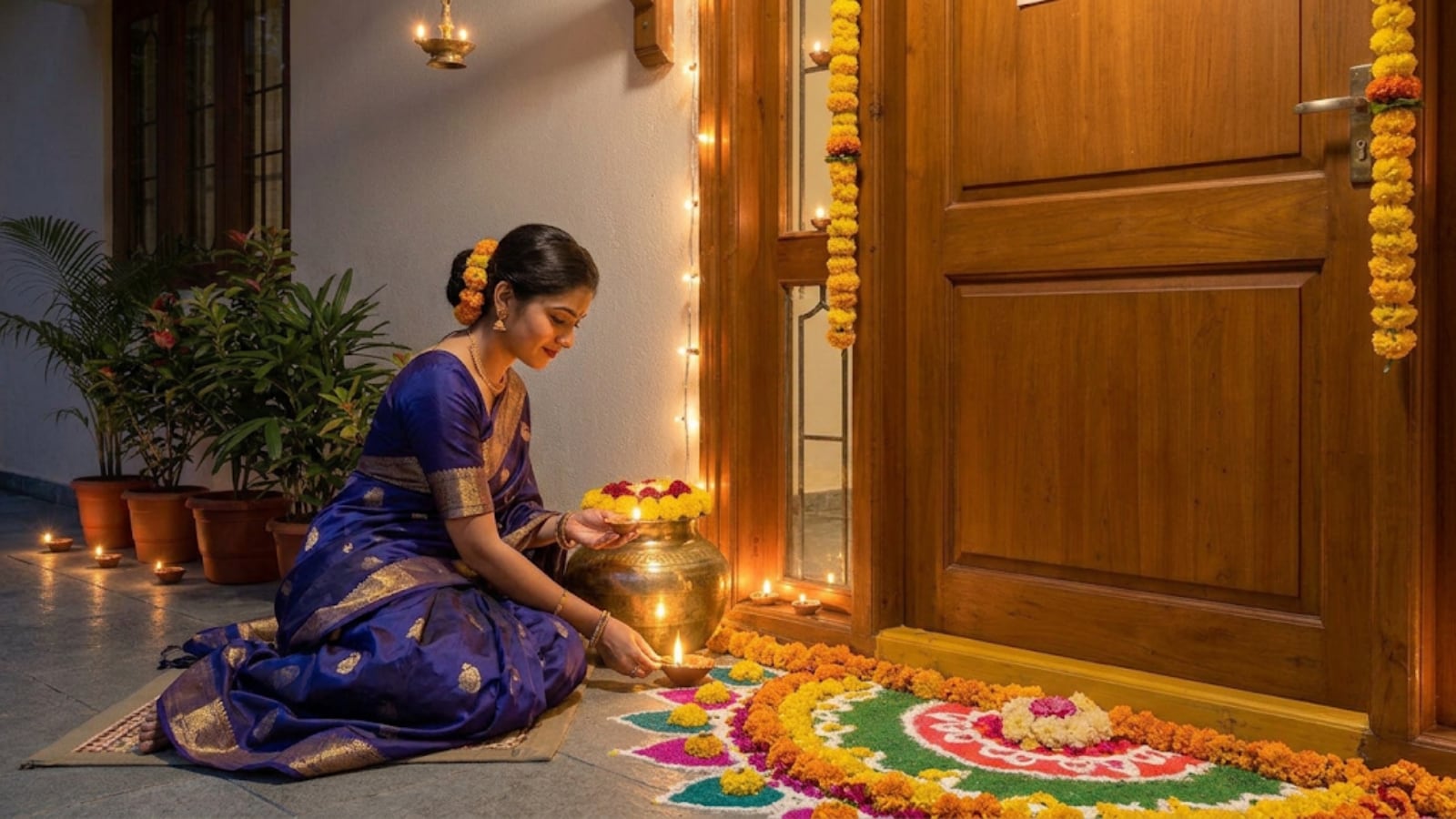
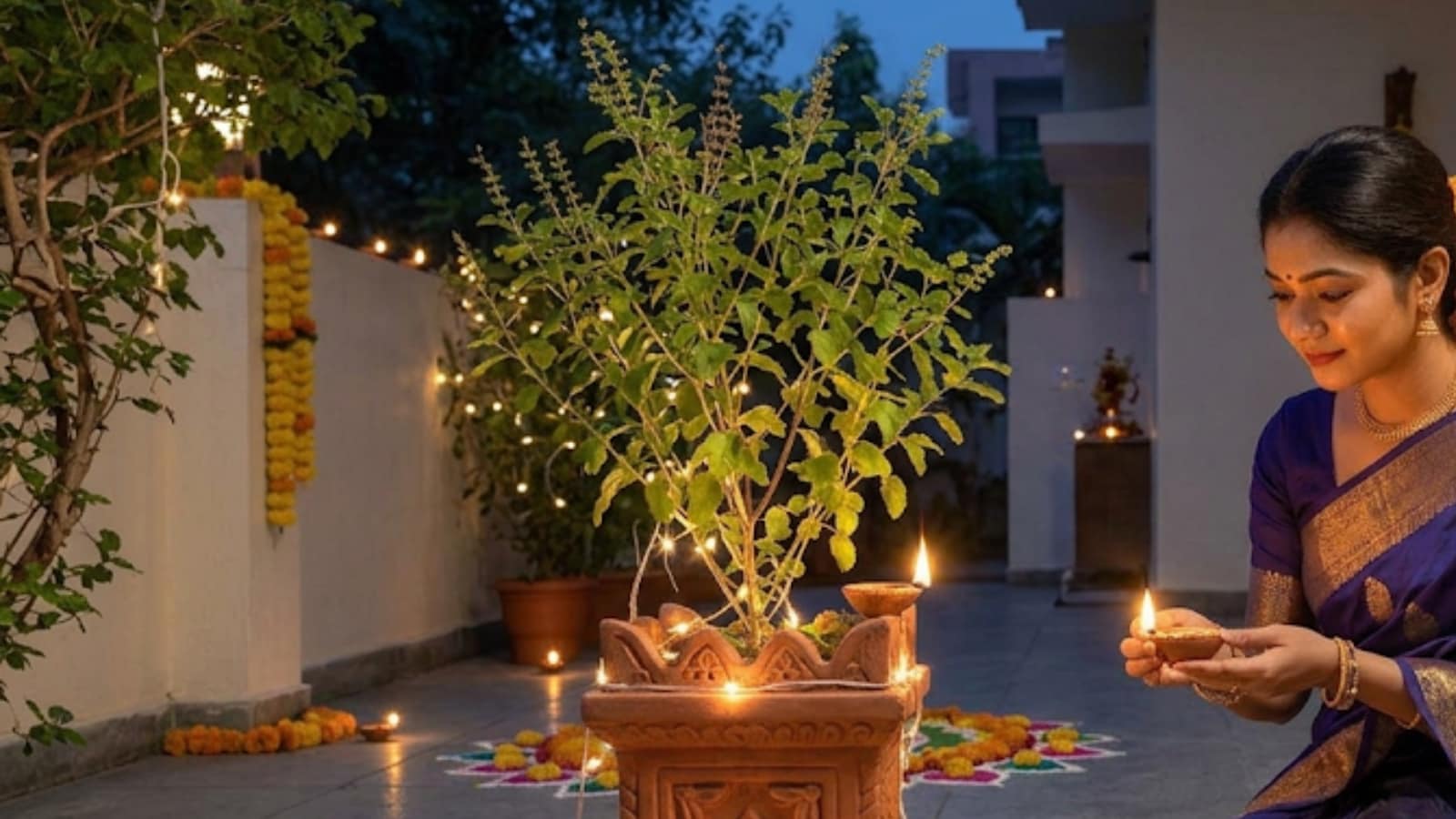
Light A Diya Near The Tulsi Plant
If you have a Tulsi plant at home, lighting a diya nearby is another traditional Diwali practice. Tulsi holds a sacred place in many Hindu households, and the ritual is associated with devotion and well-being. Choose a stable spot at a safe distance from the leaves.
Keep Safety In Mind While Decorating
Vastu arrangements should never compromise fire safety. Keep diyas away from curtains, paper, flowers and other flammable decorations. Use stable holders, keep lamps out of children’s reach and never leave burning diyas unattended.
These practices are rooted in traditional beliefs, and arrangements may vary across households. A clean entrance, thoughtful lighting and familiar rituals can help make the home feel welcoming for the festive occasion.
Quick Answers
 Ask News18
The main entrance should be kept clean, well-lit, and clutter-free by removing footwear and unused items. You can welcome Goddess Lakshmi by making a colourful rangoli, hanging a toran, and placing an auspicious symbol like an Om or Swastik near the threshold.
Ask News18About the Author

Our life needs a bit of style to get the perfect zing in the daily routine. News18 Lifestyle is one-stop destination for everything you need to know about the world of fashion, food, health, travel, r…Read More
November 08, 2026, 17:05 IST


