


Which country in the world has 3 capital cities? | – The Times of India


Did you know that some countries actually have more than one capital? Yes, before the idea of a single, all-powerful capital turned into a global norm, some nations chose a different path, one where power was deliberately spread out rather than concentrated in one city. These countries opted for the core functions of government to be split across multiple locations, often for historical, political, or strategic reasons. This arrangement can be confusing at first, especially in a world where most people are used to naming just one capital city.Likewise, there is not a single capital city in the Republic of South Africa. Rather, it is one of the few nations in the world that distributes its political authority across its three capitals: Bloemfontein, Cape Town, and Pretoria. South Africa’s three capital cities are strategically placed throughout the country, each hosting a separate segment of the nation’s government. When asked about a single capital, most people would point to Pretoria. So, the answer is South Africa, a country with officially three capital cities that serve different functions in the operation of the state.
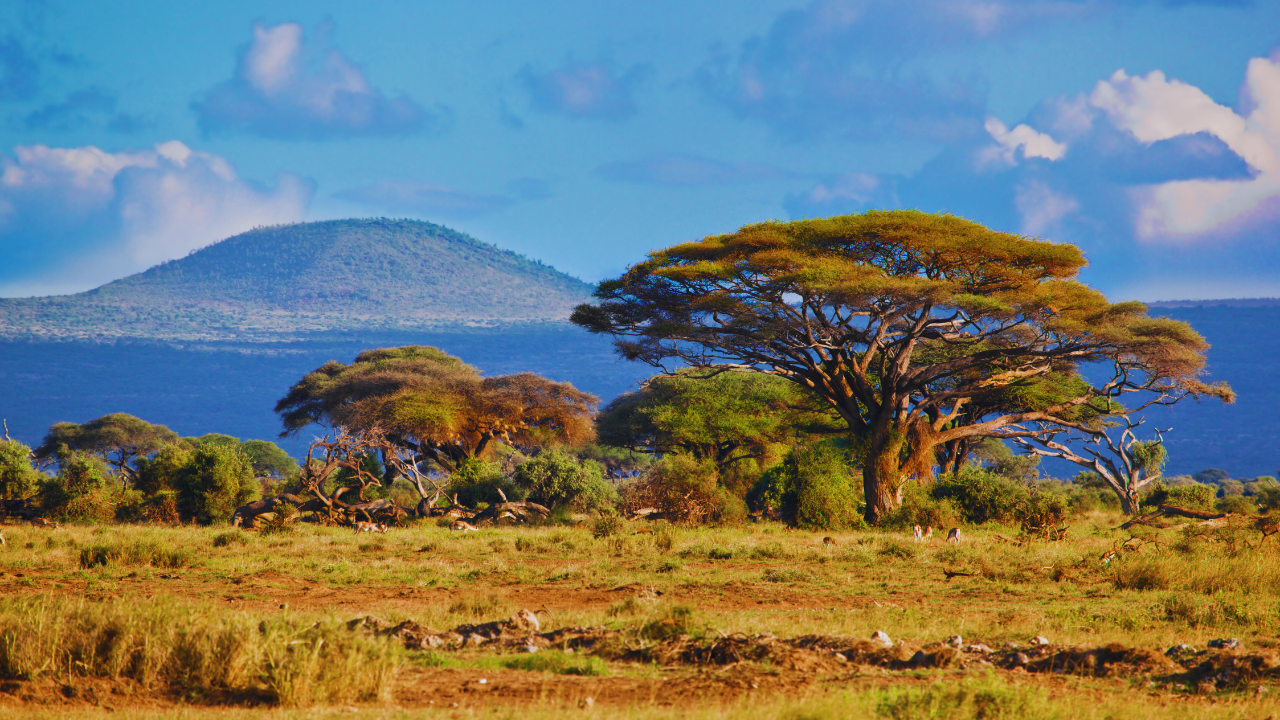
South Africa’s three capitals:
- Pretoria – Administrative capital
- Cape Town – Legislative capital
- Bloemfontein – Judicial capital
Each city is home to a different arm of the government, and South Africa is one of the few countries in the world to divide its capital roles so explicitly.Read more: How to handle Immigration checks as a first-time international traveller
Pretoria: Where the Government runs
The seat of government is in Pretoria, which serves as the administrative capital. The President’s office, the Cabinet, and the majority of national government agencies are located there. Due to the presence of foreign embassies, it is frequently mistaken for the nation’s sole capital.Located in the province of Gauteng near Johannesburg, Pretoria has been a hub of political activity long before South Africa even came into existence.
Cape Town: The laws are made
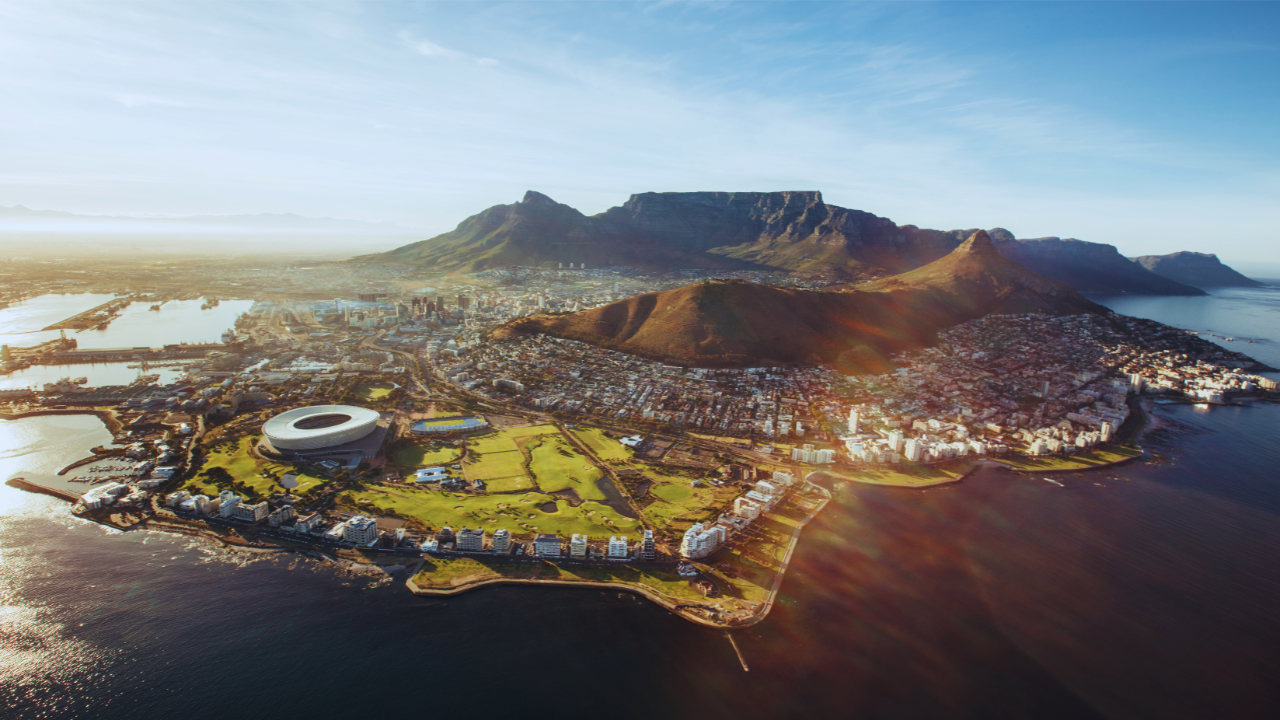
Cape Town is the legislative capital of South Africa. Parliament, which consists of the National Assembly and the National Council of Provinces, sits here. Political life shifts sharply to the southwest when Parliament is in session. Cape Town’s status as a legislative centre goes back to the colonial period when it was already a seat of governance. Today, it is also South Africa’s second-largest city by population and one of its most globally recognised urban centres.
Bloemfontein: Where justice resides
The judicial capital of South Africa is Bloemfontein. It hosts the Supreme Court of Appeal, the nation’s second-highest court. While the Constitutional Court, the highest court, is in Johannesburg, Bloemfontein remains central to the country’s judicial identity. Geographically, Bloemfontein’s central location symbolises neutrality and balance, making it a natural choice for housing the judiciary.Read more: Why are more and more Indians going for ePassports? 3 key advantages that cannot be ignored
How did South Africa end up with three capitals?
The answer lies in history. Four strong colonies, the Cape Colony, Natal, Transvaal, and Orange River Colony, were brought together when the Union of South Africa was established in 1910. Each had its political weight and wanted the new nation’s capital within its borders.Cape leaders wanted Cape Town, citing its established parliament.The Transvaal preferred Pretoria, already an administrative centre.The Orange River Colony pushed for Bloemfontein, home to key courts.None was willing to back down. Tensions grew, newspapers took sides, and negotiations stalled. Finally, a practical compromise was reached, the capital would be divided among three cities, ensuring no single region dominated the new nation.Over a century later, the system remains. While most countries endlessly debate where to place one capital, South Africa has three to maintain, each handling a different arm of governance.


