


Why this Chinese uncle’s Paris photographs have become popular online, and what people are seeing in them | – The Times of India


The internet is used to seeing Paris through rose-tinted lenses, glowing sunsets, perfect lighting, perfect selfies, carefully framed shots that make every corner look cinematic. So when a set of unedited photos showed up online recently, the contrast was jarring enough to stop people mid-scroll. The pictures are without any filters (it’s rare nowadays to see pictures like those, at least on the Internet), no colour grading, no dramatic angles. They were just a few ordinary pictures taken by an ordinary tourist. But what followed was a viral moment that many called the most honest social media versus reality check of the year, delivered not by an influencer or critic, but by a retired Chinese uncle who had no idea he was about to break the internet.
A rainy Paris, unfiltered and unplanned
Zhang, a retired man from China’s Henan province, had joined a six-country Europe group tour in October last year. One of the stops was Paris, where the group happened to spend a rainy day sightseeing. Like most tourists, Zhang took photos — but unlike most people today, he didn’t edit them, crop them, or try to make them ‘Instagram-worthy.’
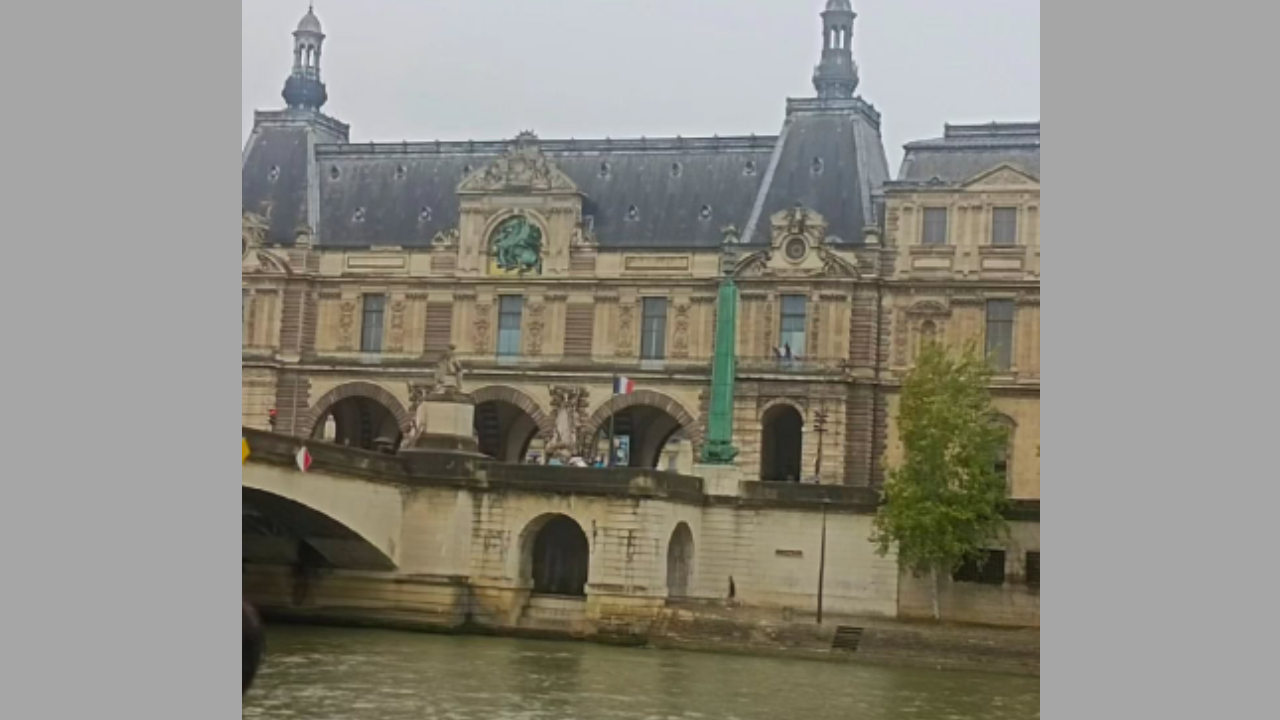
He didn’t frame the shots carefully or wait for the light to change. Instead, he simply asked fellow tour members to take a few pictures of him at popular spots and later uploaded them to Chinese social media platforms like Rednote and Douyin exactly as they were. No filters. No beauty mode. No attempt at storytelling. At first, nothing happened. The photos sat online quietly for weeks.
When the internet rediscovered the photos
After the New Year, Zhang’s pictures suddenly resurfaced and began circulating widely. This time, the reaction was explosive. Viewers were stunned not because the photos were offensive or shocking, but because they looked so painfully ordinary. The Eiffel Tower in Zhang’s pictures seemed less like a symbol of love and more like a monumental signpost by the side of the road. The Seine was a dark and dirty-looking river, inviting thoughts of the canals found in a village. Even the Champs Élysées, usually depicted as colorful and bustling, were a grey and wet-looking street. What people saw versus the groomed Paris they could view online is what sparked the waves of commentary, jokes, and memes. The internet community joked that one man had undermined a year’s work of Paris tourism advertising. Others quipped that he had “accidentally cured Paris syndrome” — a term used to describe the disappointment some travellers feel when a heavily idealised destination fails to match expectations shaped by movies, advertisements, and social media. The humour wasn’t cruel, but it was pointed. Many users admitted that Zhang’s photos felt more honest than the thousands of curated travel posts they see every day. Some said the images reminded them that cities, even iconic ones, have bad weather, dull light, and unglamorous moments — realities often erased online. The viral moment quickly turned into a broader conversation about how social media shapes travel expectations, and how heavily edited visuals can distort reality.
Zhang’s reaction to unexpected fame


