


You may be brushing your teeth wrong, experts say – this is how to do it


Brushing your teeth well can be the difference between a perfect checkup at the dentist and a painful cavity.
But, knowing just how to do it may not be something we’re taught growing up.
“Everybody brushes their teeth, but you probably learned how from your parents, and in the end nobody really learns it right,” Dagmar Else Slot, a Dutch dental hygienist, recently told NBC News. “In almost 100 percent of cases, there is room for improvement.”
The right way to brush your teeth is careful, considerate, and takes at least two minutes – or maybe even longer.
So, what do the experts advise? Here’s what to know.

How to brush
The manner in which you brush should be deliberate.
Make circles on your teeth in a gentle sweeping motion. Brushing too hard can potentially hurt your gums.
Be sure to divide your time tackling the upper and lower teeth, spending at least 30 seconds on each section. Hit every side of each tooth.
How you hold your brush is also important.
“The bristles should be aimed toward the gums where they meet the teeth, a junction where plaque and calculus collect. You don’t want the bristles to be perpendicular to your teeth, at a 90-degree angle, but angled, at a 45-degree angle,” Dr. Tien Jiang, a prosthodontist at the Harvard School of Dental Medicine, explained in a statement.
Do this twice a day and floss before or after each time to ensure everything unwanted gets out of your mouth!
The toothbrush and toothpaste
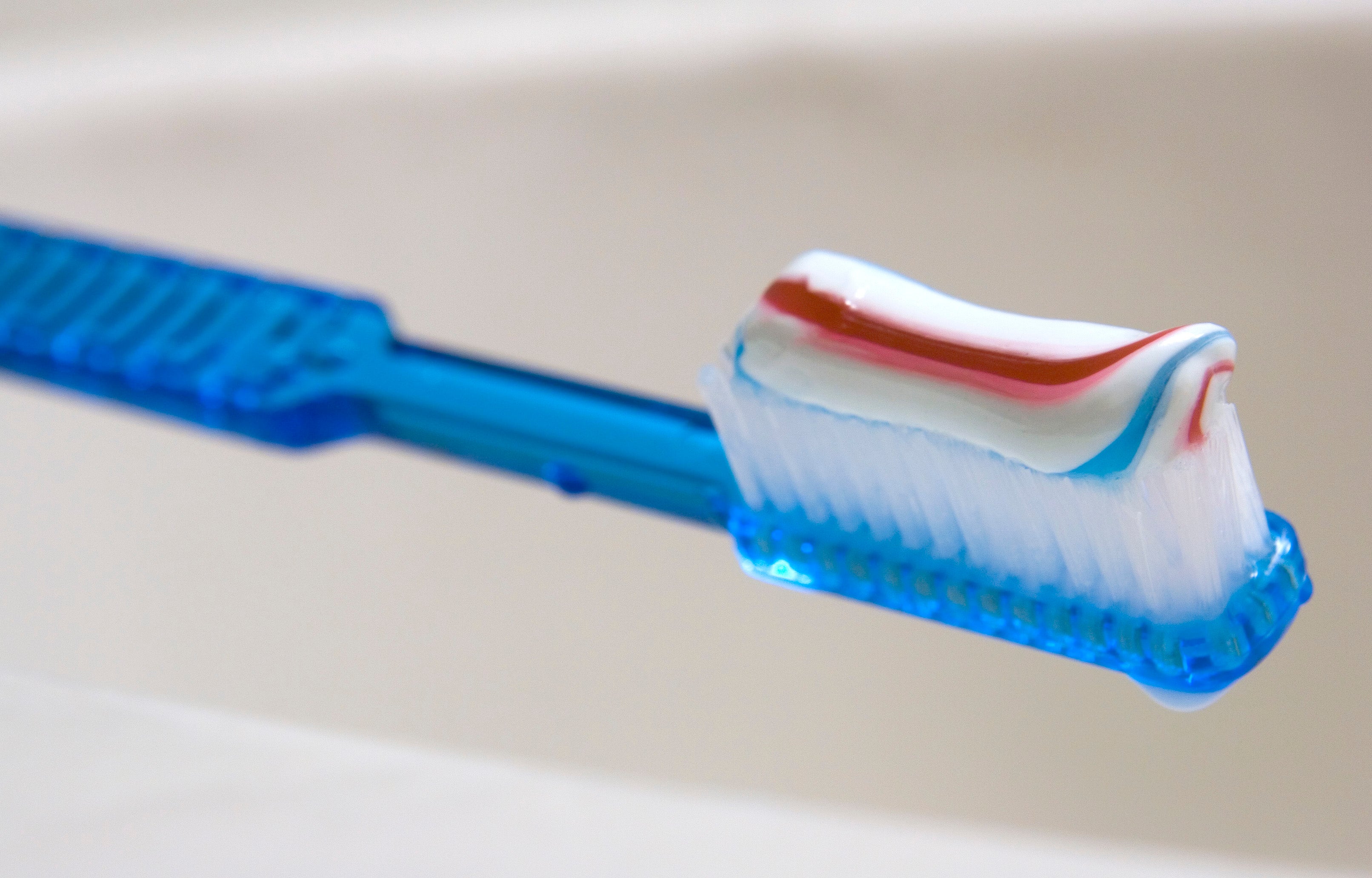
You may not need as much toothpaste on your brush as you think.
Just a pea-sized amount of fluoride toothpaste is enough.
Also ensure you have a good toothbrush that you like and will use regularly for a few months before replacing it.
That includes one with bristles that are based on your gum health.
Some toothbrushes are softer and others have hard bristles, although hard bristle toothbrushes may also remove part of your tooth structure, Dr. Sasha Ross told the Cleveland Clinic.
For people with arthritis, an electric or battery-operated brush might be easier to use.
“It’s not the toothbrush that matters, it’s the technique,” Jiang said. “You might have a brush that does all the work for you. But if you don’t have an excellent brushing technique, you’ll miss plaque, even with an electric toothbrush.”


