


AI smart glasses could generate fake photos instantly


NEWYou can now listen to Fox News articles!
Smart glasses are gaining new momentum thanks to artificial intelligence (AI). Companies like Google, Meta, Samsung and possibly Apple are exploring AI-powered glasses that combine cameras, speakers, voice assistants and computer vision in a wearable device.
At first glance, the features sound familiar. Smart glasses can take photos, give directions, answer questions and help you navigate the world hands-free. However, a recent demo hints at something much bigger.
These glasses may soon generate or alter photos instantly. In other words, the image you capture may no longer reflect what was actually there.
That raises an important question: If AI can change a photo the moment it is taken, how do we know what is real anymore?
Sign up for my FREE CyberGuy Report
Get my best tech tips, urgent security alerts, and exclusive deals delivered straight to your inbox. Plus, you’ll get instant access to my Ultimate Scam Survival Guide — free when you join my CYBERGUY.COM newsletter.
SMART GLASSES DETECTOR APP WARNS IF YOU’RE BEING RECORDED
Google product lead Dieter Bohn demonstrates prototype AI smart glasses during a demo showing how the device can capture and modify photos using generative AI. (X/ @backlon)
A new AI trick inside smart glasses
During a demo of upcoming smart glasses, Google’s Dieter Bohn showed how the device could capture a photo and modify it using AI. The prototype, shown as Android XR glasses with a display, connects to Google’s generative AI tools, including Google Gemini and an experimental image generator called Nano Banana.
In the demonstration, Bohn asked the glasses to take a photo of people in the room. Then he gave another command. He asked the system to place those people in front of the famous church in Barcelona that he could not remember by name.
Within moments, the AI produced a new image showing the group standing in front of the Sagrada Família. The people in the photo never traveled to Spain. The background came from AI. To someone viewing the image later, it could look like a real travel photo.
Smart glasses are following the same playbook
The hardware approach behind these devices looks similar across the industry.
Most smart glasses include:
- A built-in camera
- Speakers for audio feedback
- A microphone and a voice assistant
- Computer vision powered by AI
- Navigation and contextual information
- Optional displays inside the lenses
This design mirrors products like the Ray-Ban Meta Smart Glasses, which combine sunglasses with an AI assistant and camera. Those glasses already allow users to capture photos, livestream video and ask questions using voice commands. However, the editing tools currently available inside Meta’s glasses focus more on artistic effects. For example, the system can transform photos into a cartoon or painting style. The goal is creative expression rather than photorealistic manipulation. Google’s demo hints at something different. It shows how AI can place people into entirely new scenes that never happened.
INSIDE MICROSOFT’S AI CONTENT VERIFICATION PLAN
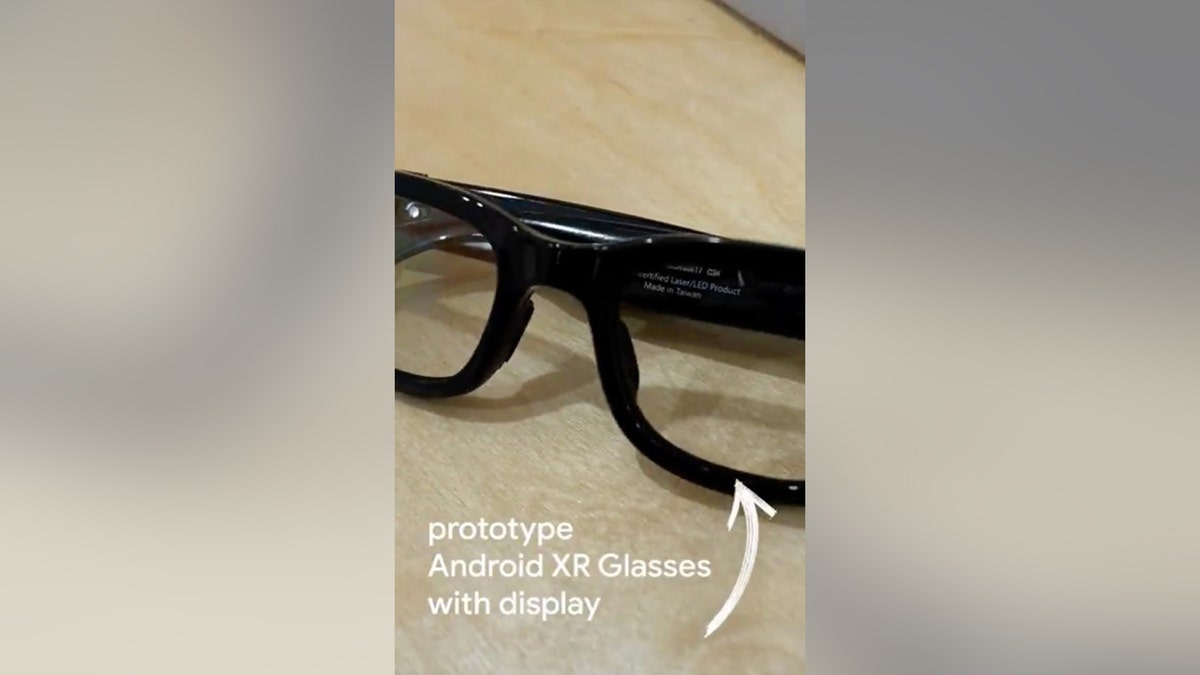
A close-up of prototype Android XR glasses with a built-in display, part of Google’s concept for AI-powered smart glasses. (X/ @backlon)
Why this matters for photography
AI-generated images already exist across social media. Smartphones have also introduced powerful editing tools. Google’s Pixel phones, for example, have leaned heavily into AI photography with tools that remove objects, adjust lighting and generate backgrounds.
The difference with smart glasses is speed. The technology removes the delay between taking a photo and editing it. Instead of capturing an image and opening editing software later, the AI can change the photo immediately. That could make altered images far more common. Photos that once served as proof of where someone was or what happened may become harder to trust.
The demo still leaves open questions
It is important to note that the Google demo was short and carefully staged. The company acknowledged that parts of the video were edited. That suggests the AI process may take longer in real-world conditions.
There is also the question of reliability. Generative AI tools sometimes produce mistakes, strange artifacts or unrealistic details. Still, even an imperfect system could change how people interact with cameras and images. As the technology improves, the gap between real and AI-generated photos may shrink.
What this means for you
Smart glasses could soon become another everyday device. That means the way we capture and share images may shift again. If these tools become common, you may start seeing photos that were generated or heavily modified by AI. A picture posted online may look like a real moment from someone’s life. In reality, it could be a mix of real people and AI-generated scenery. That does not mean every image is fake. It does mean digital images may carry less proof than they once did. Understanding how AI editing works can help you approach viral photos, travel shots or dramatic images with a healthy level of skepticism.
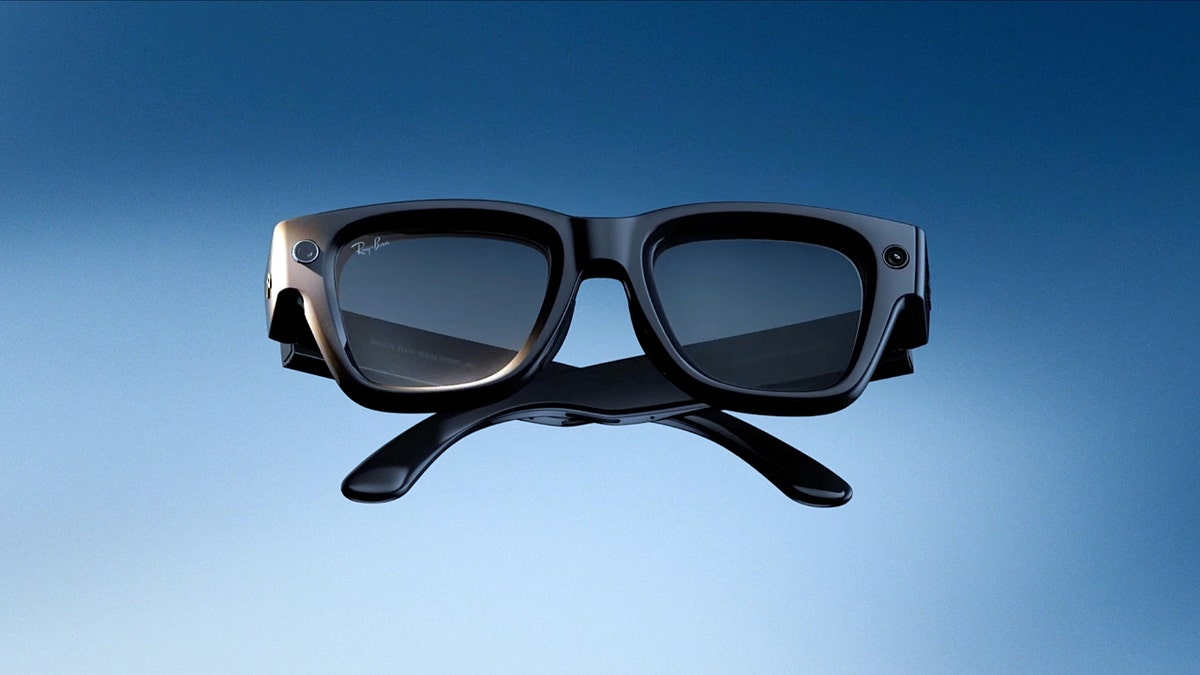
Ray-Ban Meta smart glasses combine cameras, speakers and an AI assistant, showing how wearable devices are bringing artificial intelligence into everyday eyewear. (Meta)
How to spot AI-generated or altered photos
AI editing tools are becoming easier to use. That means altered images may appear more often online. A few habits can help you avoid being misled.
1) Question images that look too perfect
If a photo looks unusually polished or dramatic, pause before assuming it is real. AI images often create scenes that feel cinematic or unusually clean.
2) Look closely at small details
AI systems sometimes struggle with small elements. Check hands, reflections, shadows and background objects for strange shapes or mismatched lighting.
3) Check where the image came from
If a photo spreads quickly online, try to trace the original source. Reverse image search can reveal if the picture appeared somewhere else first.
4) Be cautious with viral travel or event photos
AI tools can place people into locations they have never visited. A convincing background does not guarantee that the moment actually happened.
5) Watch for photos used in scams or misinformation
AI-generated images can appear in fake travel posts, romance scams or misleading news claims. If a photo appears alongside urgent requests for money or emotional stories, take time to verify it before reacting. Avoid clicking suspicious links and consider using strong antivirus software that can block malicious websites and scam pages before they load. Get my picks for the best 2026 antivirus protection winners for your Windows, Mac, Android & iOS devices at Cyberguy.com
6) Treat photos online as information, not proof
Photos once served as strong evidence of where someone was or what occurred. With generative AI, an image may be a mix of real people and computer-generated scenes.
Take my quiz: How safe is your online security?
Think your devices and data are truly protected? Take this quick quiz to see where your digital habits stand. From passwords to Wi-Fi settings, you’ll get a personalized breakdown of what you’re doing right and what needs improvement. Take my Quiz here: Cyberguy.com
Kurt’s key takeaways
Smart glasses promise convenience, hands-free computing and powerful AI tools. At the same time, they blur the line between photography and digital creation. Technology keeps pushing toward a world where capturing a moment and generating one can happen in the same instant. The devices themselves may become smaller and smarter. The challenge may be deciding how much we trust the images they produce.
So here is the question worth asking. If AI glasses can create realistic photos of places you’ve never visited, will pictures still count as proof of reality? Let us know by writing to us at Cyberguy.com
CLICK HERE TO DOWNLOAD THE FOX NEWS APP
Sign up for my FREE CyberGuy Report
Get my best tech tips, urgent security alerts, and exclusive deals delivered straight to your inbox. Plus, you’ll get instant access to my Ultimate Scam Survival Guide — free when you join my CYBERGUY.COM newsletter.
Copyright 2026 CyberGuy.com. All rights reserved.


