What Trump’s Rate Payer Protection Pledge means for you


NEWYou can now listen to Fox News articles!
When you open a chatbot, stream a show or back up photos to the cloud, you are tapping into a vast network of data centers. These facilities power artificial intelligence, search engines and online services we use every day. Now there is a growing debate over who should pay for the electricity those data centers consume.
During President Trump’s State of the Union address this week, he introduced a new initiative called the Rate Payer Protection Pledge to shift AI-driven electricity costs away from consumers. The core idea is simple. Tech companies that run energy-intensive AI data centers should cover the cost of the extra electricity they require, rather than passing those costs on to everyday customers through higher utility rates.
It sounds simple. The hard part is what happens next.
Sign up for my FREE CyberGuy Report
Get my best tech tips, urgent security alerts and exclusive deals delivered straight to your inbox. Plus, you’ll get instant access to my Ultimate Scam Survival Guide – free when you join my CYBERGUY.COM newsletter.
SCOOP: TRUMP BRINGS BIG TECH TO WHITE HOUSE TO CURB POWER COSTS AMID AI BOOM
At the State of the Union on Feb. 24, 2026, President Trump unveiled the Rate Payer Protection Pledge aimed at shielding consumers from rising electricity costs tied to AI data centers. (Nathan Posner/Anadolu via Getty Images)
Why AI is driving a surge in electricity demand
AI systems require enormous computing power. That computing power requires enormous electricity. Today’s data centers can consume as much power as a small city. As AI tools expand across business, healthcare, finance and consumer apps, energy demand has risen sharply in certain regions.
Utilities have warned that the current grid in many parts of the country was not built for this level of concentrated demand. Upgrading substations, transmission lines and generation capacity costs money. Traditionally, those costs can influence rates paid by homes and small businesses. That is where the pledge comes in.
What the Rate Payer Protection Pledge is designed to do
Under the Rate Payer Protection Pledge, large technology companies would:
- Cover the full cost of additional electricity tied to their data centers
- Build their own on-site power generation to reduce strain on the public grid
Supporters say this approach separates residential energy costs from large-scale AI expansion. In other words, your household bill should not rise simply because a new AI data center opens nearby. So far, Anthropic is the clearest public backer. CyberGuy reached out to Anthropic for a comment on its role in the pledge. A company spokesperson referred us to a tweet from Anthropic’s Head of External Affairs, Sarah Heck.
“American families shouldn’t pick up the tab for AI,” Heck wrote in a post on X. “In support of the White House rate payer protection pledge, Anthropic has committed to covering 100% of electricity price increases that consumers face from our data centers.”
That makes Anthropic one of the first major AI companies to publicly state it will absorb consumer electricity price increases tied to its data center operations. Other major firms may be close behind. The White House reportedly plans to host Microsoft, Meta and Anthropic in early March to discuss formalizing a broader deal, though attendance and final terms have not been confirmed publicly.
Microsoft also expressed support for the initiative.
“The Ratepayer Protection Pledge is an important step,” Brad Smith, Microsoft vice chair and president, said in a statement to CyberGuy. “We appreciate the Administration’s work to ensure that data centers don’t contribute to higher electricity prices for consumers.”
Industry groups also point to companies such as Google and utilities including Duke Energy and Georgia Power as making consumer-focused commitments tied to data center growth. However, enforcement mechanisms and long-term regulatory details remain unclear.
CHINA VS SPACEX IN RACE FOR SPACE AI DATA CENTERS
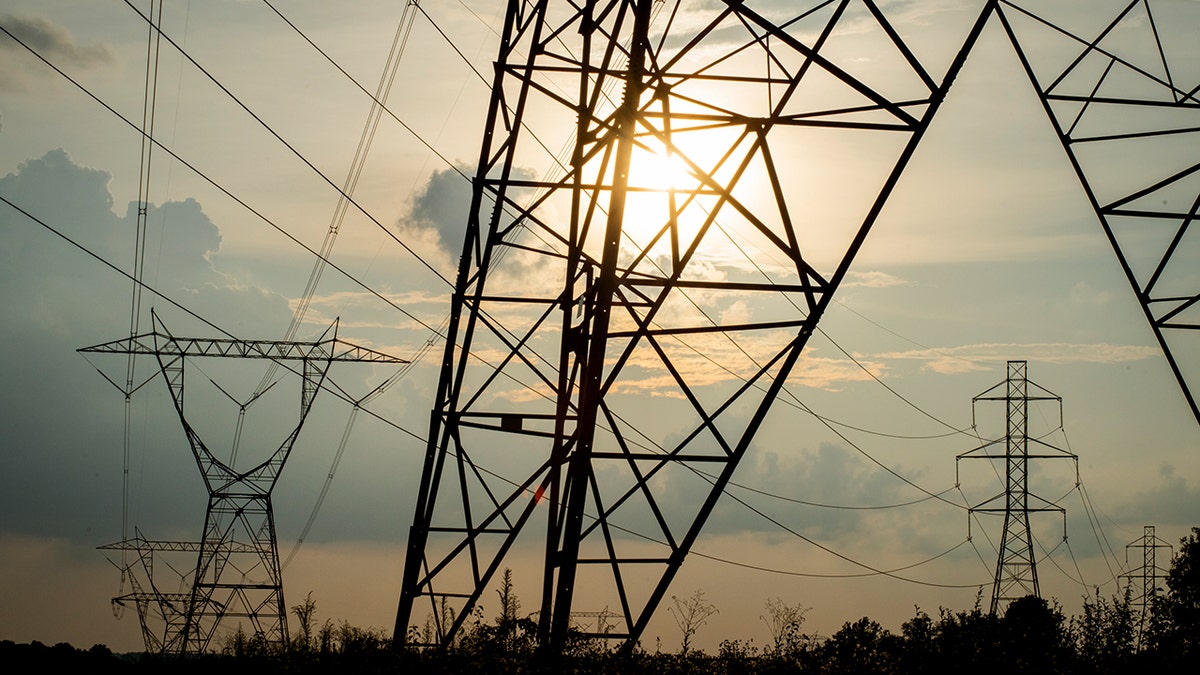
The White House plans talks with Microsoft, Meta and Anthropic over shifting AI energy costs away from consumers. (Eli Hiller/For The Washington Post via Getty Images)
How this could change the economics of AI
AI infrastructure is already one of the most expensive technology buildouts in history. Companies are investing billions in chips, servers and real estate. If firms must also finance dedicated power plants or pay premium rates for grid upgrades, the cost of running AI systems increases further. That could lead to:
- Slower expansion in some markets
- Greater investment in renewable energy and storage
- More partnerships between tech firms and utilities
Energy strategy may become just as important as computing strategy. For consumers, this shift signals that electricity is now a central part of the AI conversation. AI is no longer only about software. It is also about infrastructure.
The bigger consumer tech picture
AI is becoming embedded in smartphones, search engines, office software and home devices. As adoption grows, so does the hidden infrastructure supporting it. Energy is now part of the conversation around everyday technology. Every AI-generated image, voice command or cloud backup depends on a power-hungry network of servers.
By asking companies to account more directly for their electricity use, policymakers are acknowledging a new reality. The digital world runs on very physical resources. For you, that shift could mean more transparency. It also raises new questions about sustainability, local impact and long-term costs.
ARTIFICIAL INTELLIGENCE HELPS FUEL NEW ENERGY SOURCES
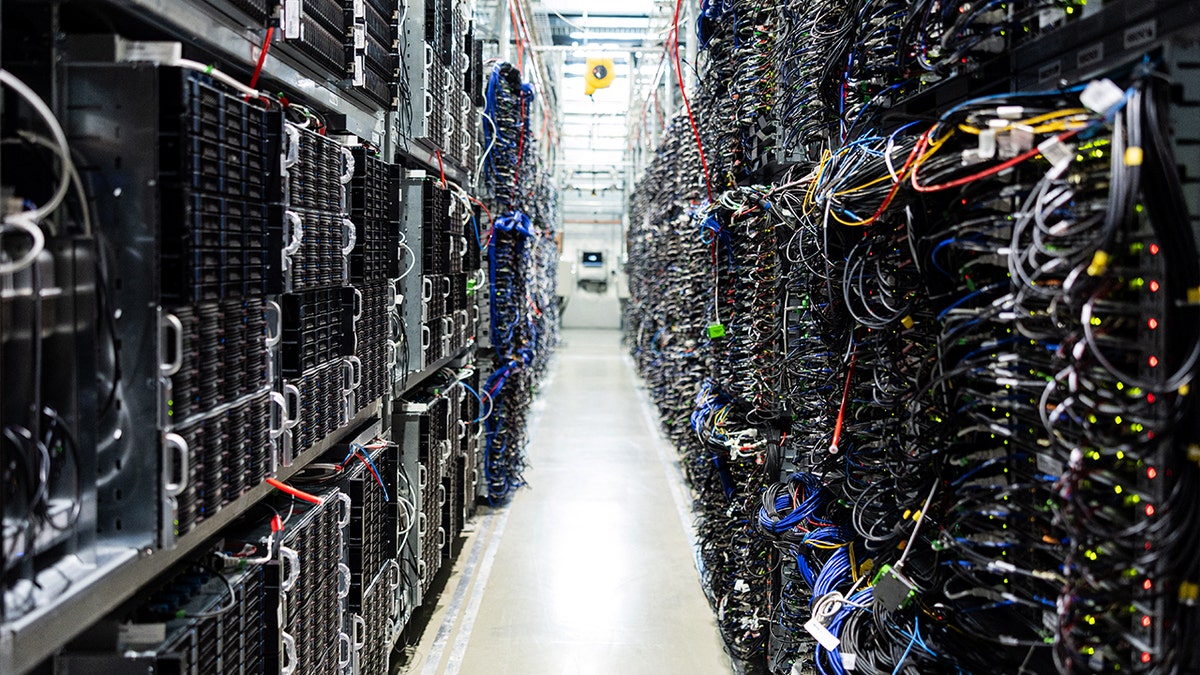
As AI expansion strains the grid, a new proposal would require tech firms to fund their own power needs. (Sameer Al-Doumy/AFP via Getty Images)
What this means for you
If you are a homeowner or renter, the practical question is simple. Will this protect my electric bill? In theory, separating data center energy costs from residential rates could reduce the risk of price spikes tied to AI growth. If companies fund their own generation or grid upgrades, utilities may have less reason to spread those costs across all customers.
That said, utility pricing is complex. It depends on state regulators, long-term planning and local energy markets.
Here is what you can watch for in your area:
- New data center construction announcements
- Utility filings that mention large commercial load growth
- Public service commission decisions on rate adjustments
Even if you rarely use AI tools, your community could feel the effects of a nearby data center. The pledge is intended to keep those large-scale power demands from showing up in your monthly bill.
Take my quiz: How safe is your online security?
Think your devices and data are truly protected? Take this quick quiz to see where your digital habits stand. From passwords to Wi-Fi settings, you’ll get a personalized breakdown of what you’re doing right and what needs improvement. Take my Quiz here: Cyberguy.com.
Kurt’s key takeaways
The Rate Payer Protection Pledge highlights an important turning point. AI is no longer only about innovation and speed. It is also about energy and accountability. If tech companies truly absorb the cost of their expanding power needs, households may avoid some of the financial strain tied to rapid AI growth. If not, utility bills could become an unexpected front line in the AI era.
As AI tools become part of daily life, how much extra power are you willing to support to keep them running? Let us know by writing to us at Cyberguy.com.
CLICK HERE TO DOWNLOAD THE FOX NEWS APP
Sign up for my FREE CyberGuy Report
Get my best tech tips, urgent security alerts and exclusive deals delivered straight to your inbox. Plus, you’ll get instant access to my Ultimate Scam Survival Guide – free when you join my CYBERGUY.COM newsletter.
Copyright 2026 CyberGuy.com. All rights reserved.
Related Article